What the work is
Alessi is an Italian design-led housewares manufacturer founded in 1921 in Omegna, Piedmont.
The founder, Giovanni Alessi, was born in Italy and raised in Switzerland. His son Carlo Alessi, born in 1916, was named chief designer and developed most of the products the company released between 1935 and 1945. Carlo’s brother Luigi introduced collaboration with external designers in 1955. In August 2019 Oakley Capital acquired a 40% stake alongside the founding family, and in 2020 the company amended its statutes to become a società benefit, later obtaining B Corp certification with a score of 89.1.
How it was made
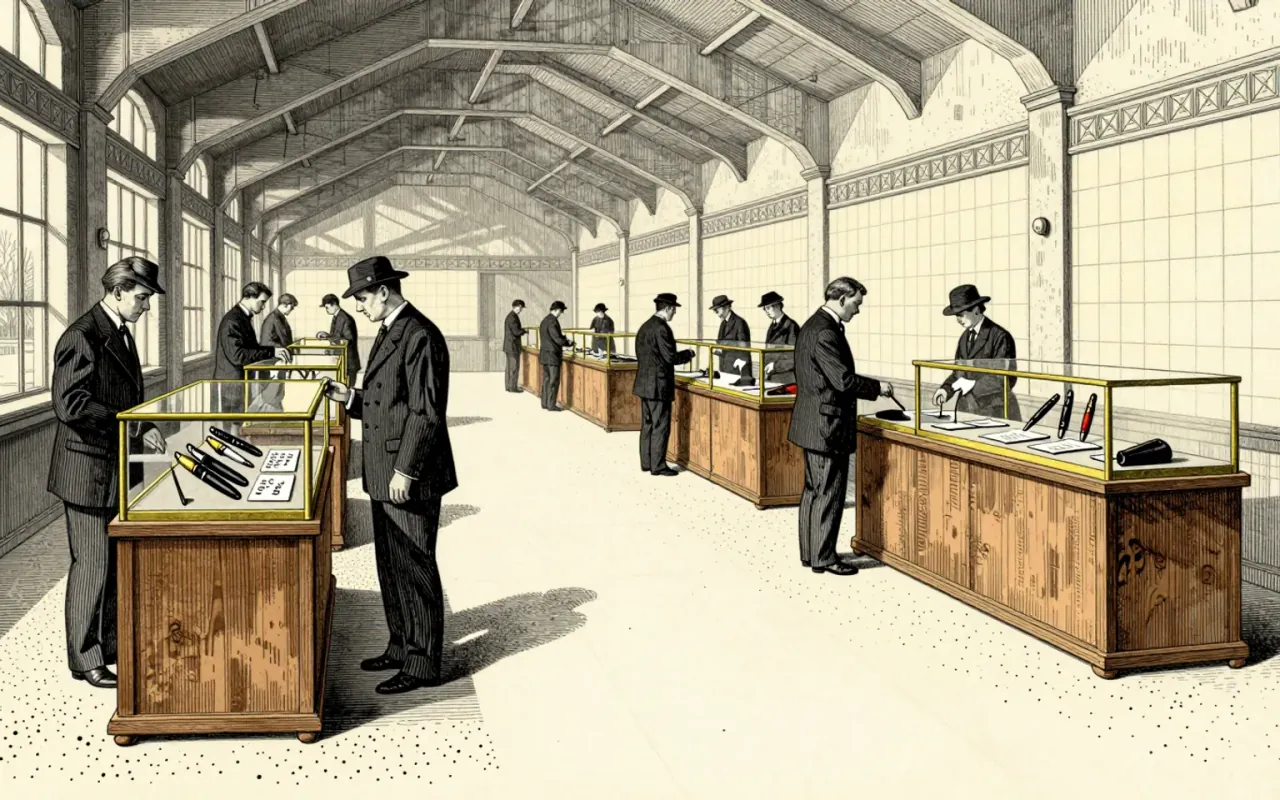
Alessi began producing tableware in nickel, chromium and silver-plated brass a few years after World War I.
What works
Alessi became known for collaborating with architects and industrial designers to produce iconic everyday objects—and many of those objects are held in museum collections worldwide.
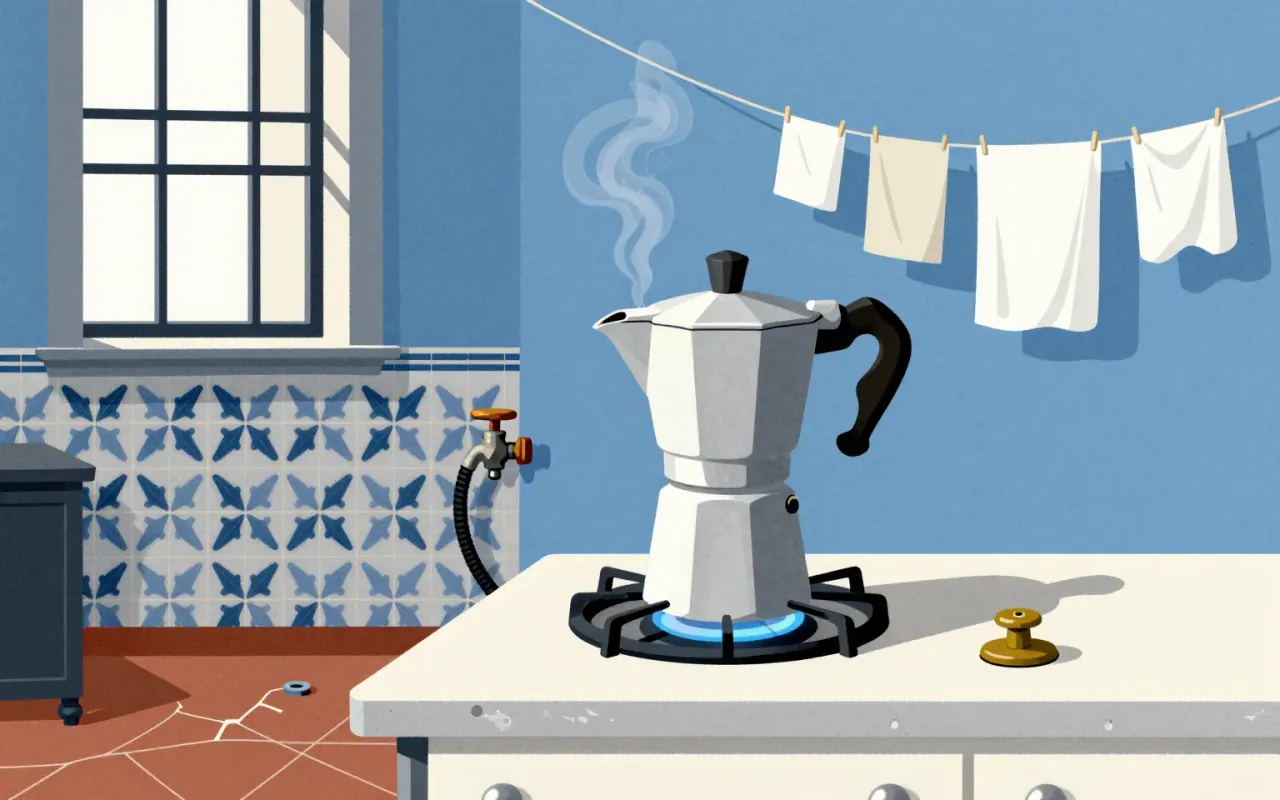
Under Alberto Alessi, from 1970, the company worked with Achille Castiglioni, Richard Sapper, Alessandro Mendini and Ettore Sottsass. Its objects from these years include Sapper’s 9090 espresso maker (1979), which won Alessi its first Compasso d’Oro, and Sottsass’s condiment set (1978). In the 1980s Alessi changed its marketing image from factory to industrial research lab. Michael Graves’s 1985 kettle with a singing bird is said to have sold the greatest number of units in the company’s history. In the 1990s it worked more with plastics at the request of designers, who found it easier to work with than metal and a source of more design freedom. In the 2000s architects including Zaha Hadid, Toyo Ito and Jean Nouvel designed coffee and tea towers made in limited runs of 99 copies.
What does not
Some Alessi items designed for everyday household use do not perform their basic functions well.
A commercial pressure followed: in the 1980s Italian design factories had to compete with mass production, and Alessi faced increasing competition from lower-cost products mass-produced for retailers such as Target, J. C. Penney and John Lewis & Partners. In 2006 it reorganised its products into three lines, A di Alessi, Alessi and Officina Alessi, the last marked by small-batch and limited series.
What it influenced
Alessi influenced how manufacturers position themselves as cultural intermediaries—bridging architecture, industrial design and domestic ritual—but the document does not name specific works, movements or firms it influenced.
Is it worth your time
Yes—if you want to study how a manufacturer turned design collaboration into a structural business model, not just a stylistic choice.