What the work is
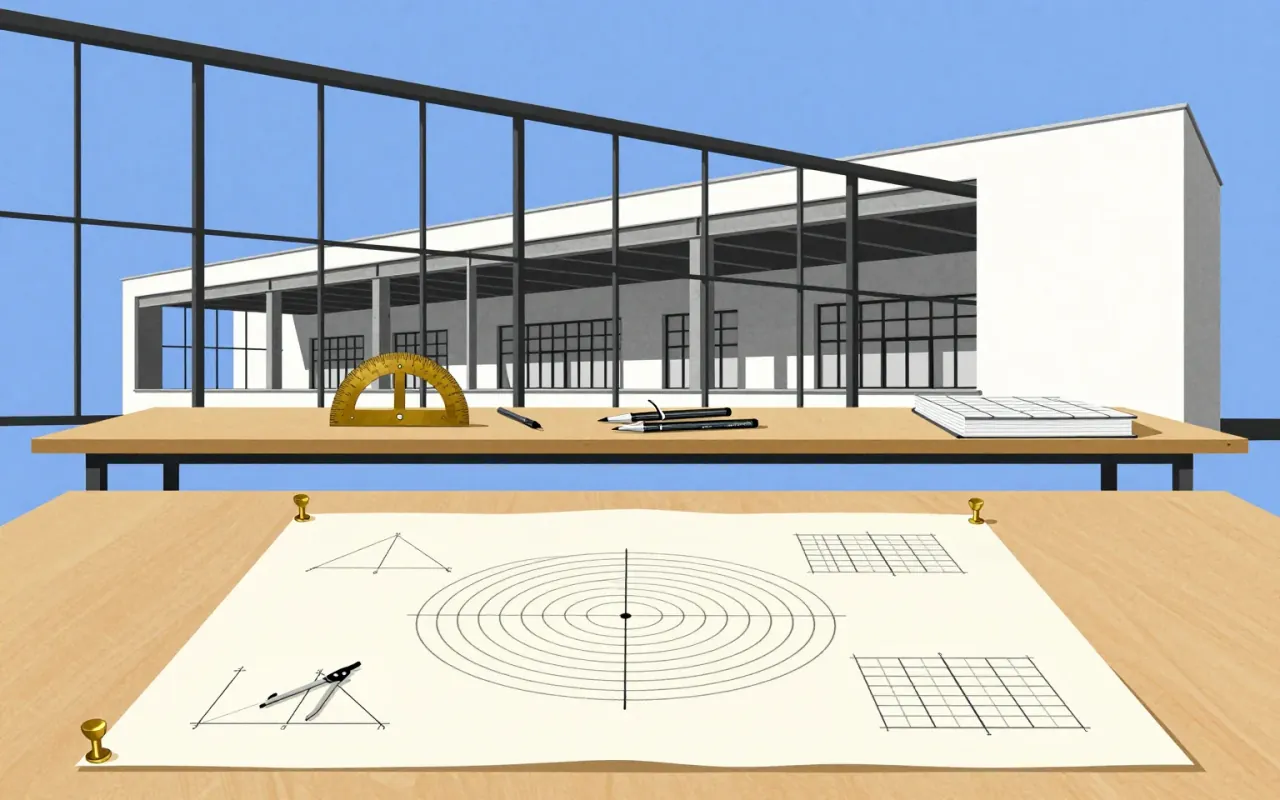
Nancy Hanks developed the Federal Design Improvement Program at the US National Endowment for the Arts in 1972. It addressed graphics, architecture, design assemblies and the employment of artists in federal service.
How it was made
The programme brought designers and administrators together and arranged reviews of agency graphics. Its graphics component ran from 1972 to 1981; the NEA records redesigns at more than 45 agencies, including NASA and the Postal Service.
What works
The important design decision was institutional. Better communication required access to decision-makers and changes in commissioning, rather than simply supplying agencies with more attractive symbols.
What does not
A programme’s reach is not proof that every resulting design worked. Logos, public buildings and hiring rules have different users and measures of success; they should not be judged as one visual style.
What it influenced
The architecture work contributed to recommendations concerning public buildings and design awards. The NEA connects the review of professional employment guidelines with the later growth of the GSA’s Design Excellence programme.
Is it worth your time
Worth studying for anyone commissioning public design. Follow how responsibilities and review procedures were established, then assess individual outputs separately. The lesson is about creating the conditions for design, not prescribing a government look.