What the work is
Stölzl’s work is a pedagogical and institutional transformation: a redefinition of weaving at the Bauhaus from pictorial craft toward technical, experimental, and industrial textile design.
How it was made
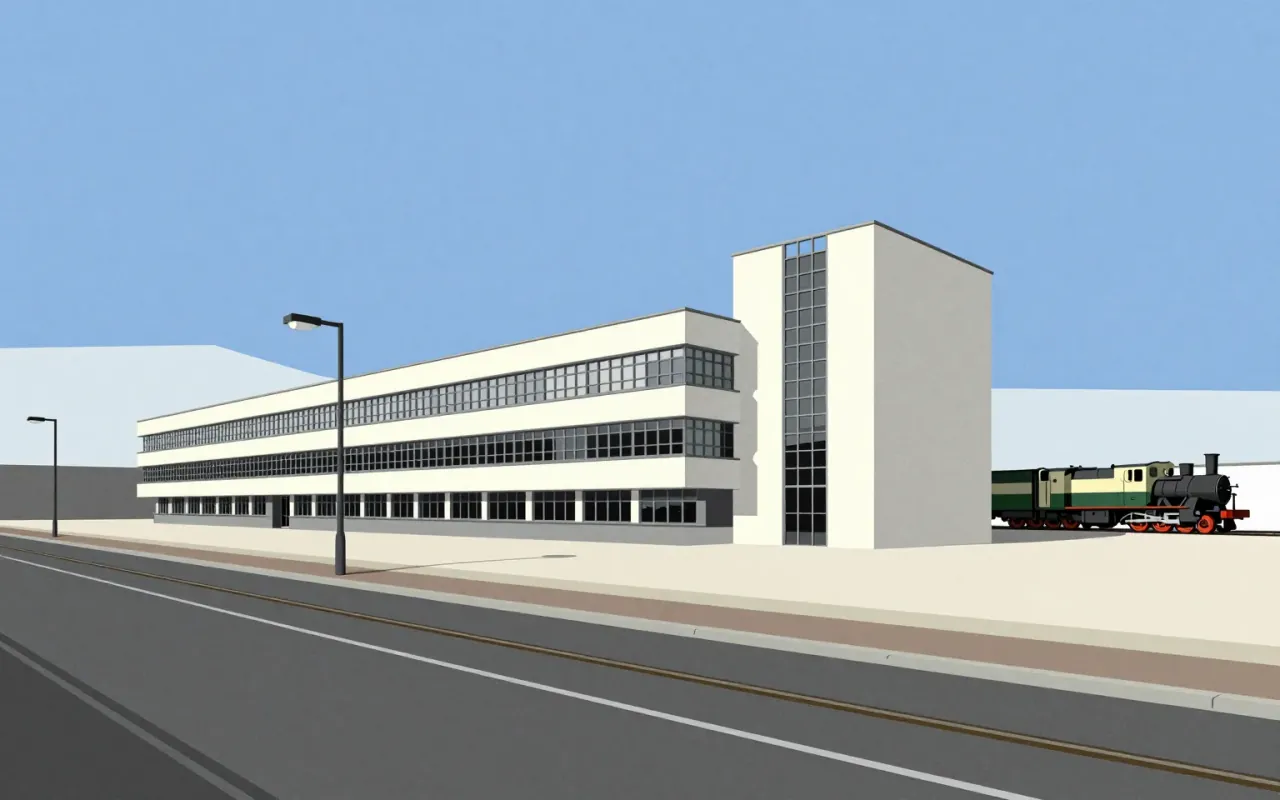
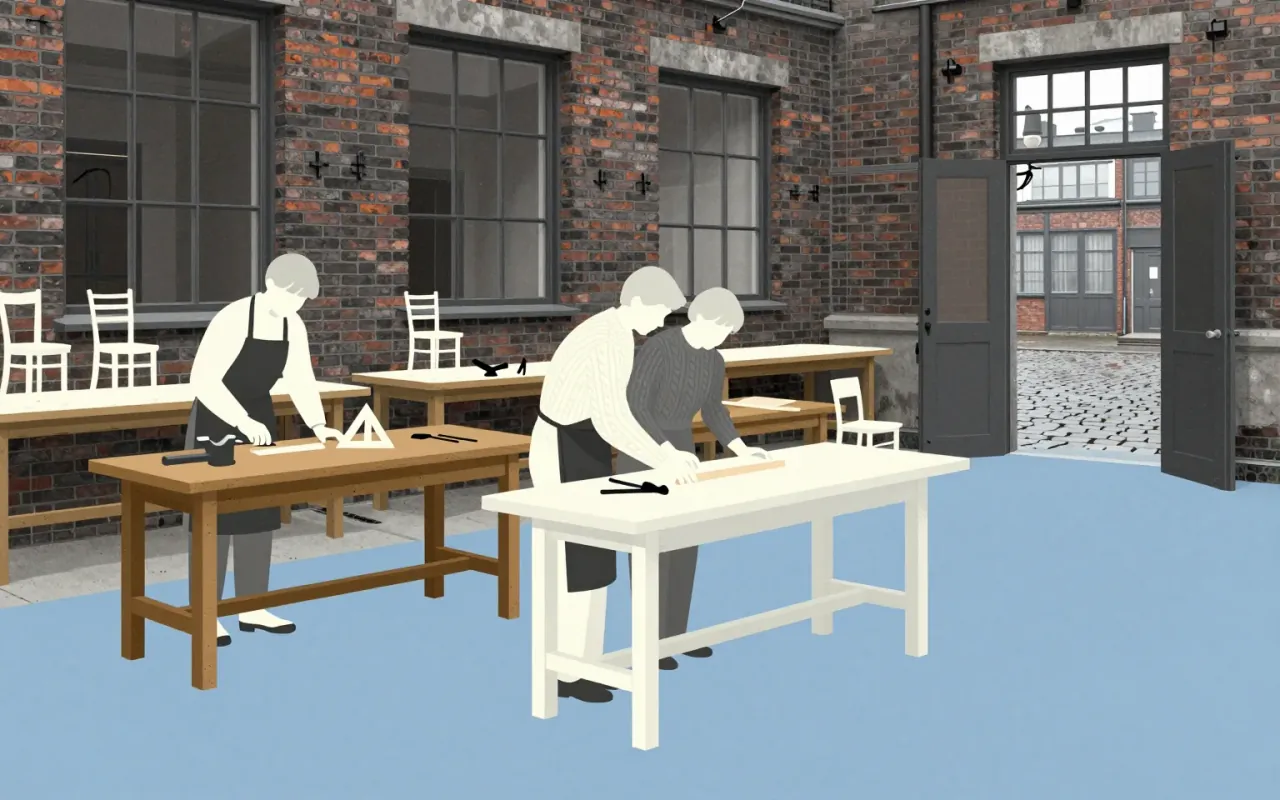
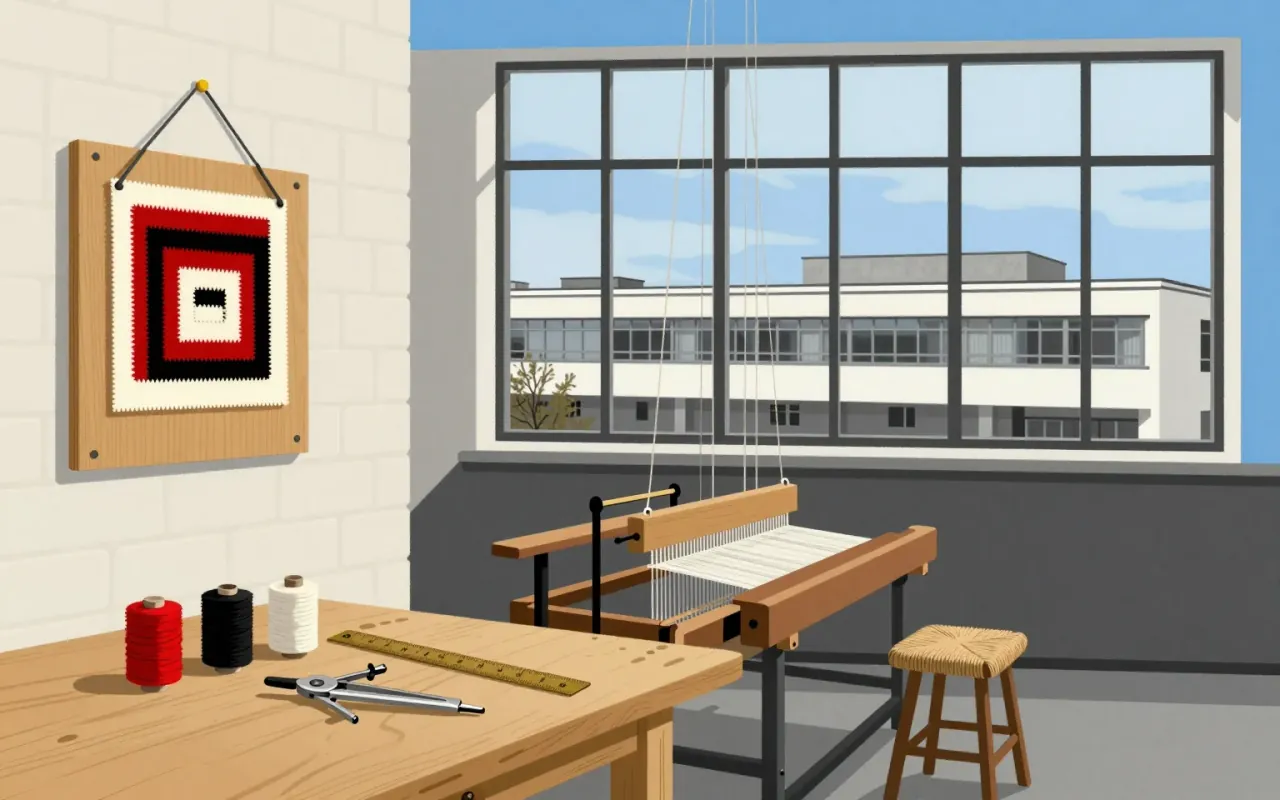
Stölzl rebuilt the weaving workshop through pedagogy, infrastructure, and curriculum. She reopened the dye studios in 1921. As director from 1925, she expanded weaving and dyeing facilities in Dessau. She taught mathematics and geometry alongside handloom use, mechanics of weaving and dyeing, weave techniques, and workshop instruction.
What works
Her integration of mathematics, synthetic materials, dye studio revival, and empirical testing of fabric properties created a reproducible, teachable, and scalable framework for textile design — one that treated cloth as engineered material, not just surface or ornament.
What does not
The sources do not establish any finished textile work by Stölzl as an object of analysis. There is no description of a specific fabric, tapestry, or product — only methods, systems, and pedagogical shifts.
What it influenced
Stölzl’s reframing of weaving as industrially oriented, mathematically grounded, and empirically tested laid groundwork for later textile design education and practice — especially in synthetic fibre applications and functional material testing.
Is it worth your time
Yes — if you need to understand how textile design became a discipline of empirical testing and industrial logic, not just craft or decoration.