Futura (typeface)
Paul Renner · 1927
Futura is a geometric sans-serif typeface designed by Paul Renner and released in 1927.
Fourteen years of a school that set the terms for the century.
Futura is a geometric sans-serif typeface designed by Paul Renner and released in 1927.
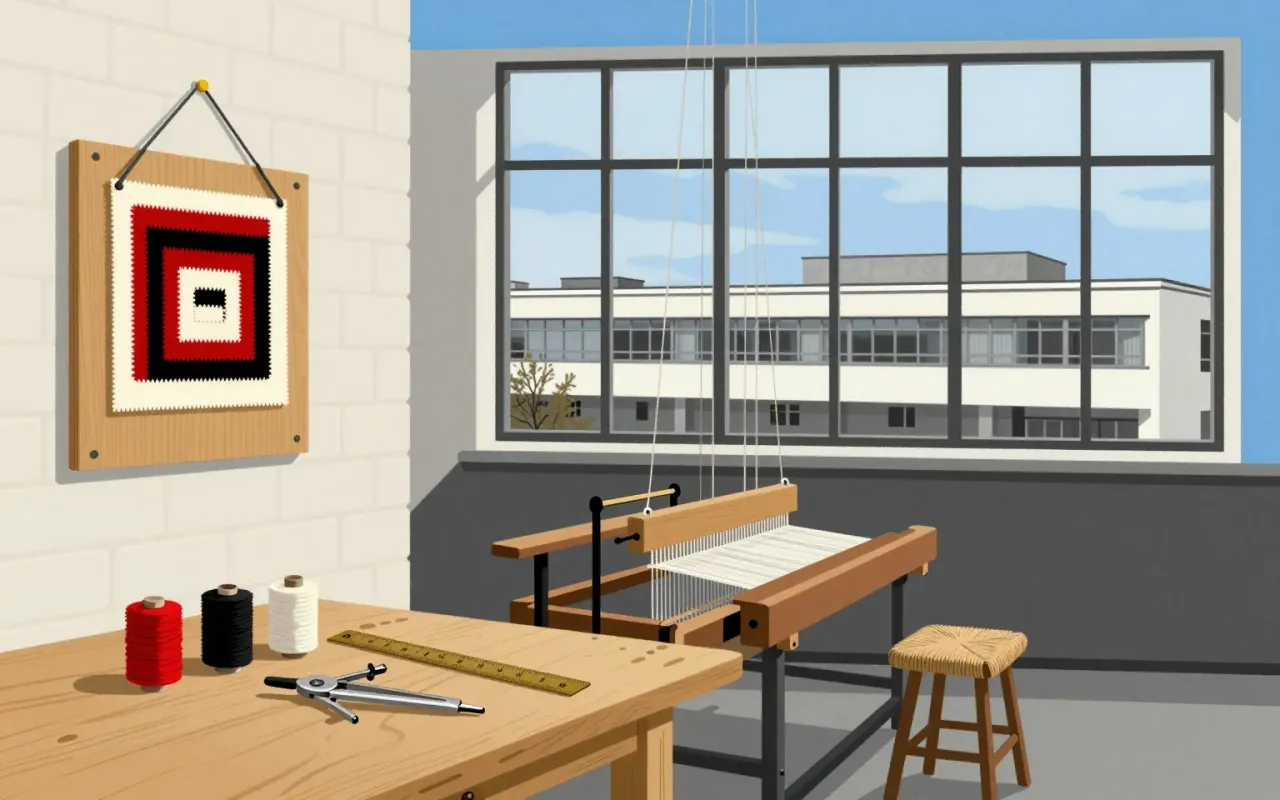

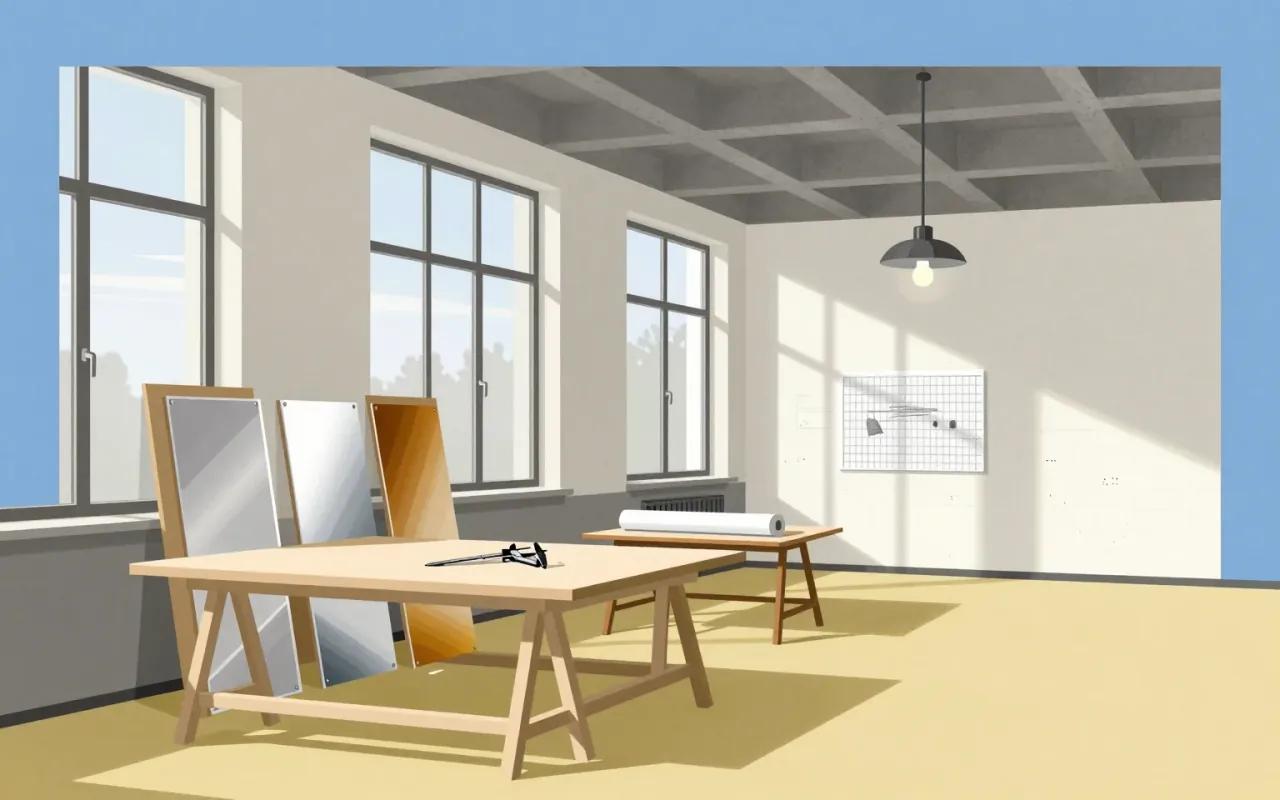
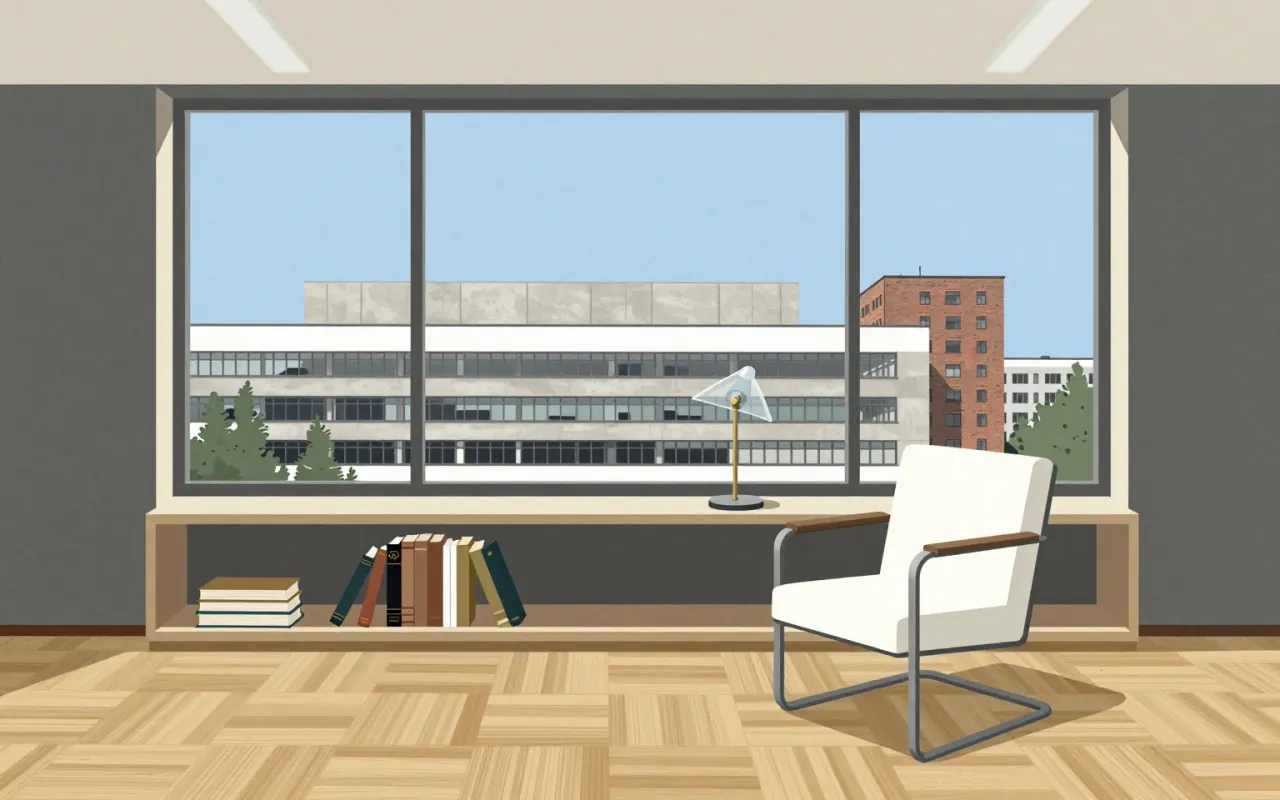
The Bauhaus was a German art school (1919–1933) founded by Walter Gropius in Weimar. It combined crafts and fine arts through an experimental, theory-led pedagogy centred on the Vorkurs. Its aim was to unify artistic vision with mass production, functionality, and industrial collaboration — producing functional, cheap, industrially viable objects like the F51 armchair (1920), Sommerfeld House (1920), and Gropius’s 1923 door handles. Its internal tensions — between expressionism and New Objectivity, craft and industry — were structural, not resolved. It established the principle that aesthetic quality must extend to every home via well-designed, industrially produced objects.

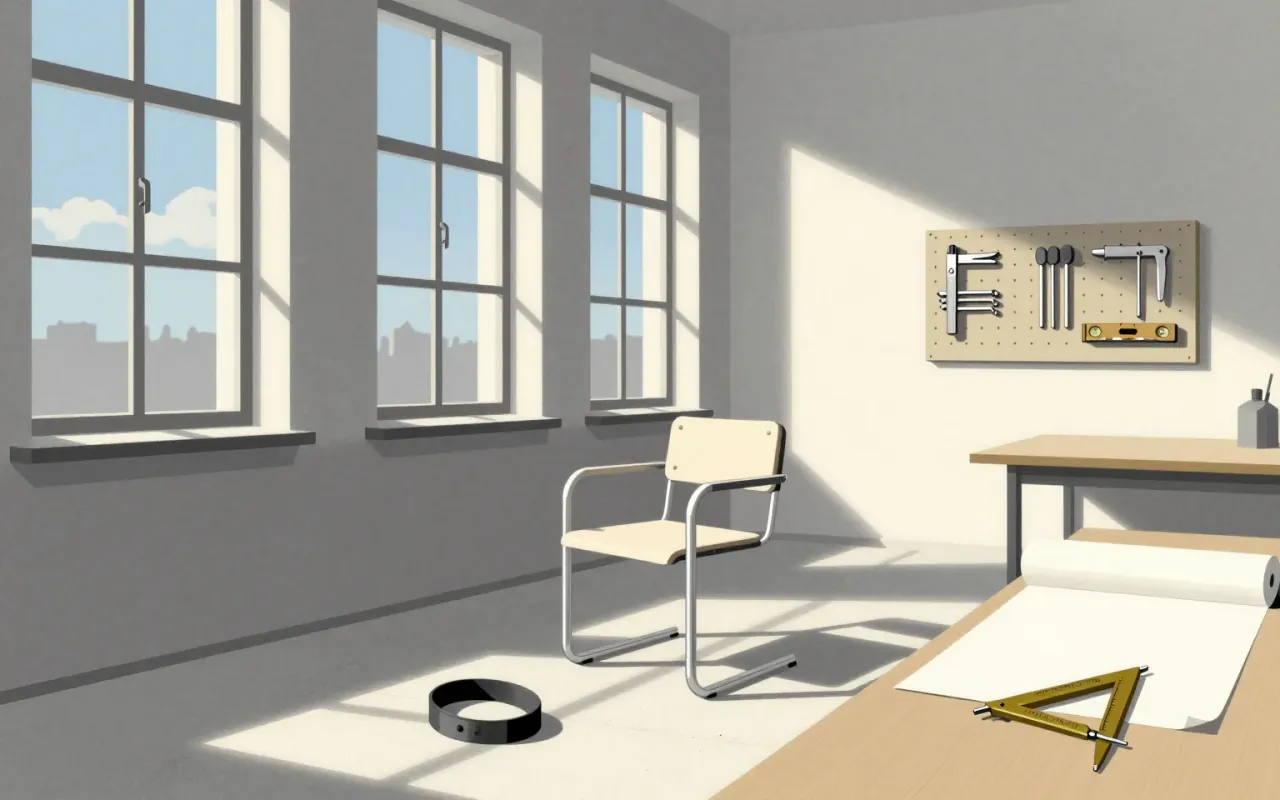
The Wassily chair is the first successful application of bent tubular steel as primary structure in furniture. Its material logic — steel for skeleton, Eisengarn for tensioned skin — replaced joinery with engineering. It was made possible by Mannesmann tubing, Reichardt’s textile work, and Thonet’s manufacturing capacity — not by theory alone. It is not about expression. It is about what happens when you treat furniture as a system of forces.