
Diller Scofidio + Renfro
Diller Scofidio + Renfro is a New York design studio that works across architecture, the visual arts and the performing arts.
Deciding how strangers will share a place.


550 Madison Avenue is a postmodern skyscraper completed in 1982 by Philip Johnson and John Burgee. It uses pink Stony Creek granite cladding and features an eight-story arched entry and split pediment. It challenged modernist functionalism, complied with NYC zoning via an atrium, and reduced energy use versus glass towers. Though not the first postmodern building, its scale and location made it the movement’s most famous example. It was designated a NYC landmark in 2018.












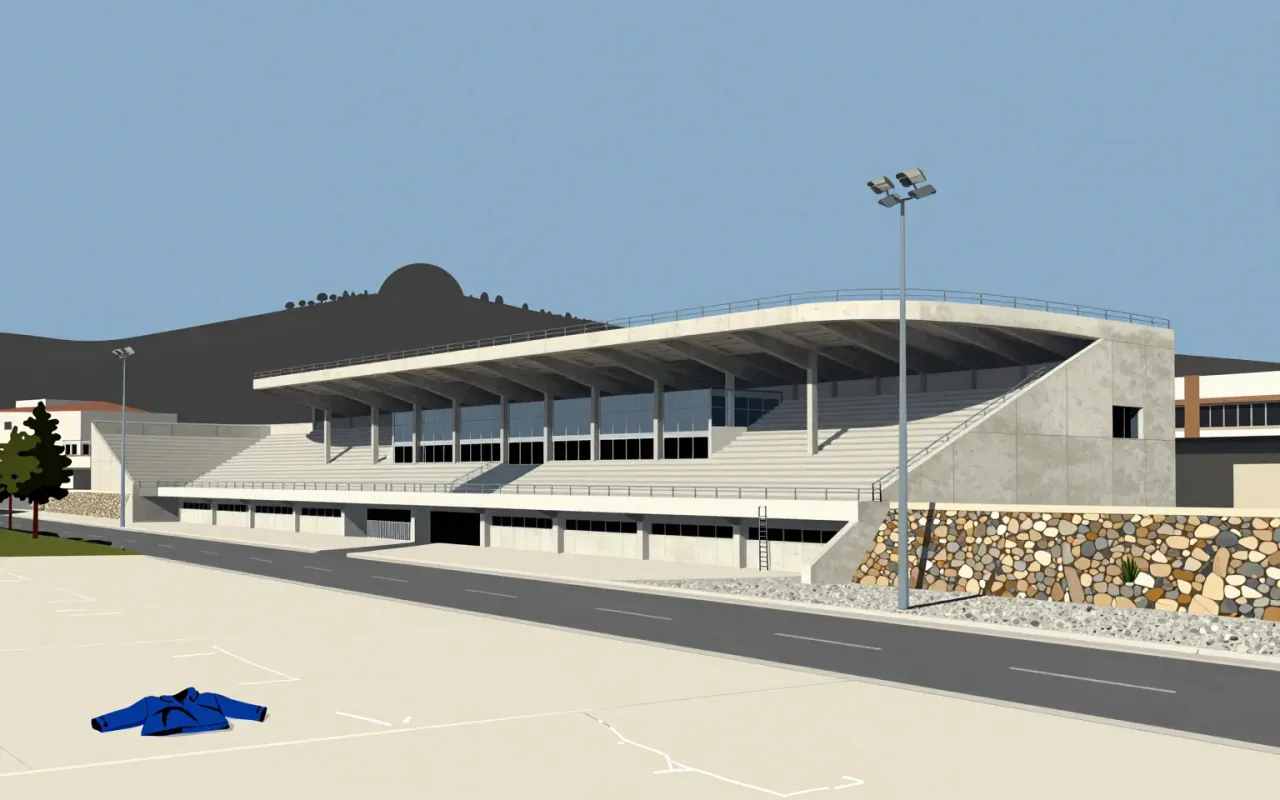




The Barbican Centre is a Brutalist arts complex in London, designed by Chamberlin, Powell & Bon. It features a concrete ziggurat form and complex multi-level layout. It was designated Grade II listed in September 2001 for its scale, cohesion, and ambition. It forms part of an integrated urban development including the Barbican Estate and Golden Lane Estate. Its design remains controversial and divisive.










Lever House is a 21-storey New York City office building completed in 1952. It is a glass-clad slab, built for Unilever, that uses fixed glazing, concealed HVAC, and a custom window-cleaning system.




Adriano Olivetti’s work is a coherent, documented system of industrial organisation, spatial planning, and political theory — not a collection of iconic objects. Its strength lies in the linkage between departmental structure, worker housing, advertising partnerships, and published doctrine. Its limitation is that none of the celebrated products (Lettera 22, Programma 101, Valentine, Elea 9003) are attributed to him directly in the source material. The influence is structural, not stylistic.


Rockefeller Center is not a building but a coordination protocol disguised as architecture.

The Seagram Building is a methodologically rigorous application of International Style principles — sited, tested, and materialised with explicit constraints and innovations. Its influence is unverified. Its success lies in its documented departures: from structural facade integration, from NYC window conventions, and from untested corporate monumentality.