What the work is
Gregotti’s work is a body of built projects, theoretical texts, and editorial interventions aligned with Neo-Avant Garde and 1970s Postmodernism.
Gregotti, who lived from 10 August 1927 to 15 March 2020, was an Italian architect born in Novara, in Piedmont. He is described as both a member of the Neo-Avant Garde and a key figure in 1970s Postmodernism. He attended the Politecnico di Milano and was a member of the Italian Communist Party. He died of COVID-19 in Milan, aged 92.
How it was made
Gregotti worked through architectural practice, theoretical writing, and editorial leadership. He founded Gregotti Associati International and led Casabella magazine.
He contributed to Casabella and was its editor-in-chief from 1955 to 1963. He founded Gregotti Associati International in 1974, and also lectured on architectural theory and curated several exhibits in Italy. In 2012 he wrote an article for STUDIO Architecture and Urbanism magazine, in its issue #02 Original, edited by Romolo Calabrese. His books include Inside Architecture (The MIT Press, 1996) and Architecture, Means and Ends (University of Chicago Press, 2010, translated by Lydia Cochrane).
What works
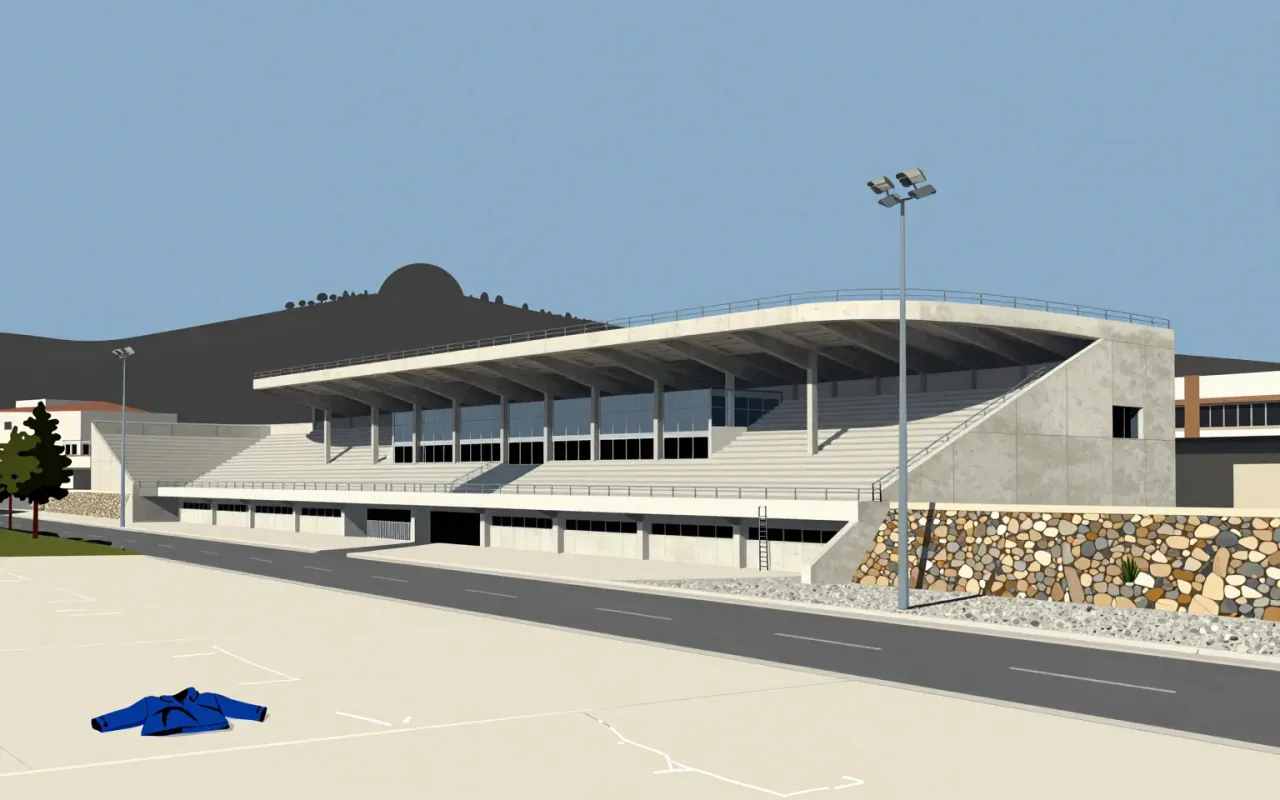
His studio delivered major cultural and sports infrastructure—including the Barcelona Olympic Stadium and Belém Cultural Center—and applied neo-rationalist principles to urban planning, as in Pujiang New Town.
The studio’s list also includes the Arcimboldi Opera Theater in Milan and several university campuses, among them the University of Calabria. Pujiang New Town, in Shanghai, was developed through the One City, Nine Towns initiative and has an Italian architectural theme in the neo-rationalist style. The English architect Alan Colquhoun recommended Inside Architecture for its “unusual honesty and philosophical depth of thought.”
What does not
The material does not establish Gregotti’s individual authorship of specific buildings. It attributes works to his studio, not to him alone.
What it influenced
The material does not state what Gregotti influenced. No successors, movements, policies, or pedagogical shifts are named.
Is it worth your time
Yes—if you need to understand how postmodernism and neo-rationalism were institutionally produced in Europe and Asia between the 1970s and 2010s.