Kartell
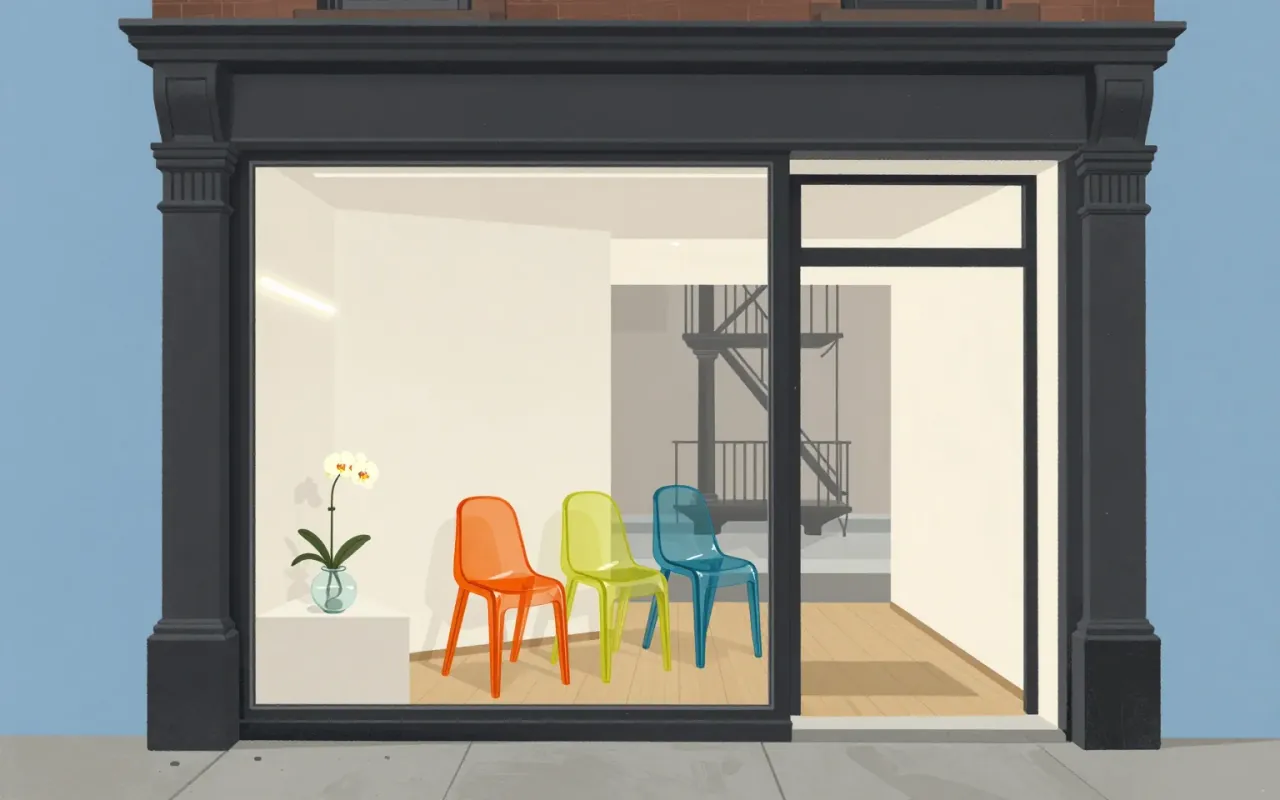
Kartell is an Italian company, headquartered in the Metropolitan City of Milan, that makes and sells contemporary plastic furniture.






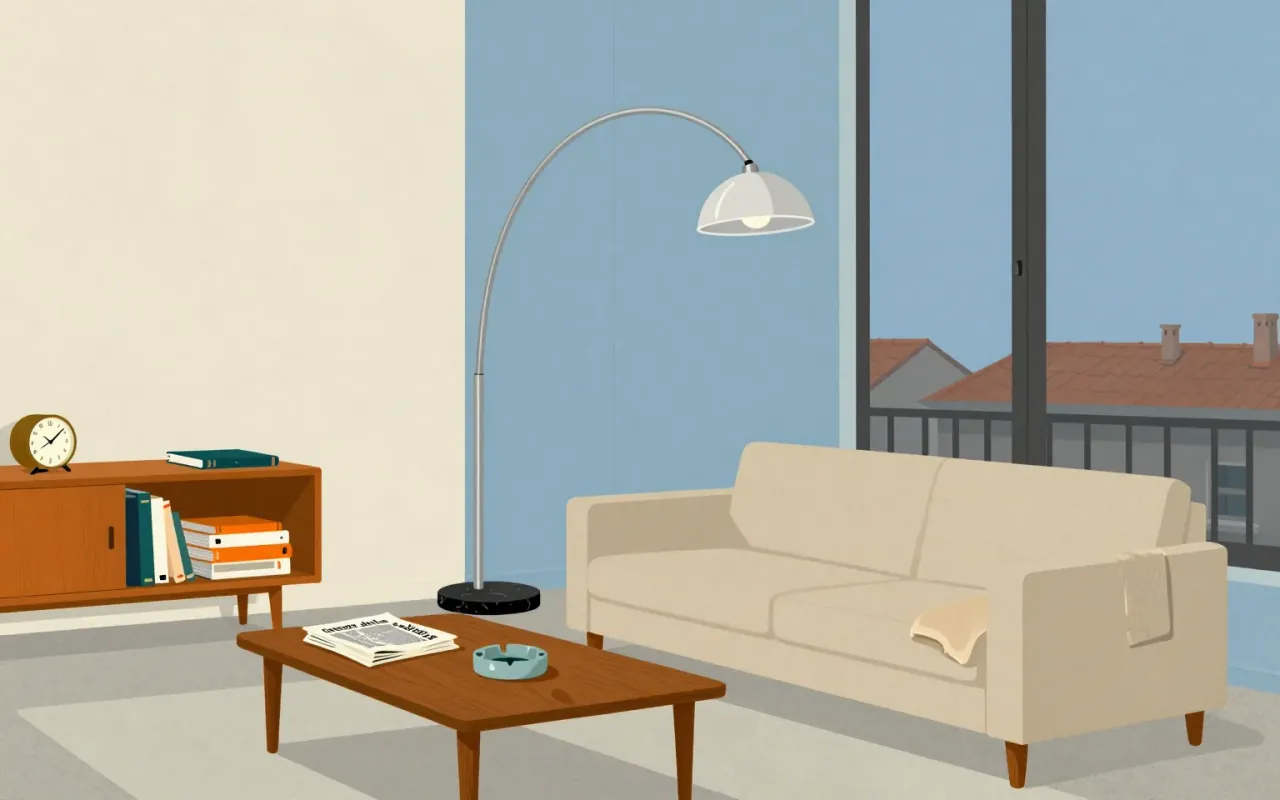
Achille and Pier Giacomo Castiglioni designed the Arco floor lamp for Flos in 1962. It connects a suspended spun-aluminium pendant to a Carrara marble base through an arching stainless-steel arm.
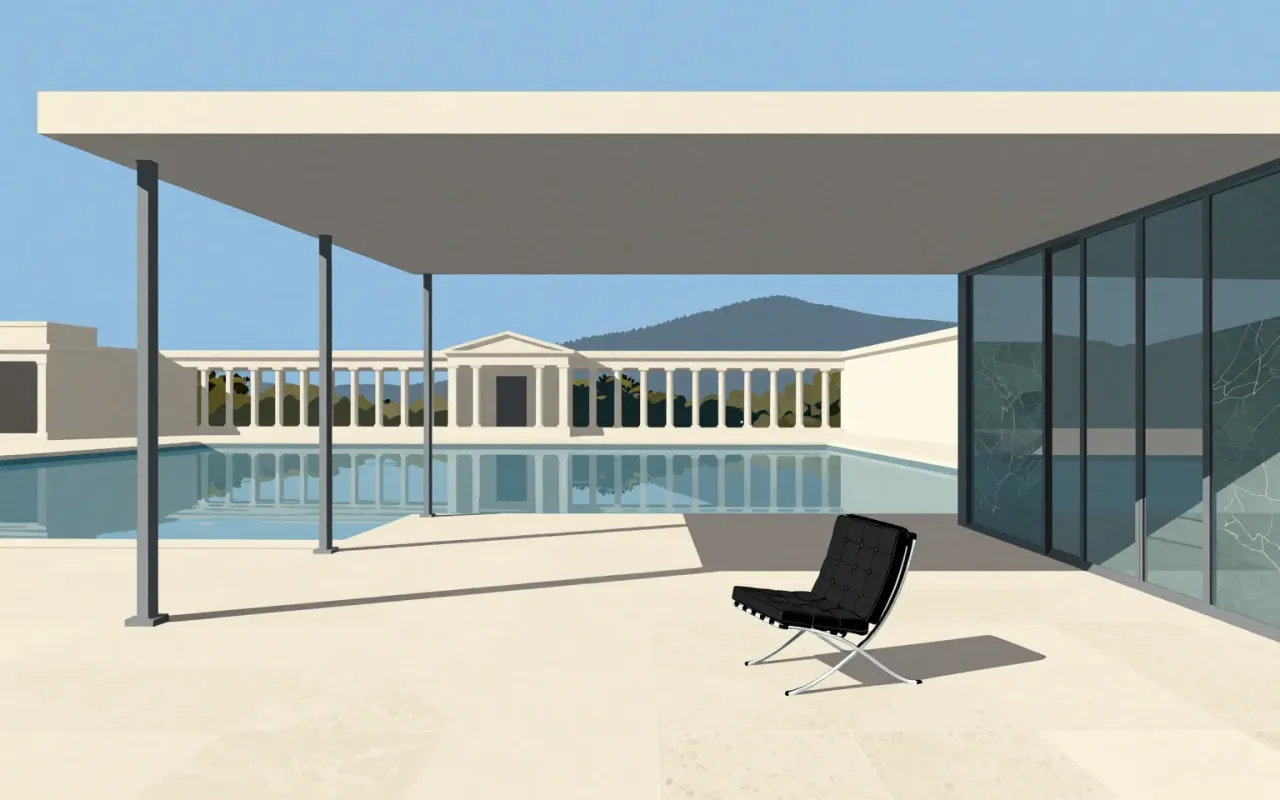
Associated with Ludwig Mies van der Rohe and Lilly Reich's work for the German Pavilion in Barcelona in 1929, the Barcelona chair combines a metal frame with leather upholstery. Its construction changed after the original design.

The Egg chair is a tightly constrained response to the SAS Royal Hotel commission: a sculptural, isolating seat made possible by new materials. Its couch variant reveals the cost of scaling that logic — a visible seam, limited production, and unresolved tension between form and upholstery. It belongs to design/furniture and design/interiors. Topics include furniture, industrial-design, and interiors.
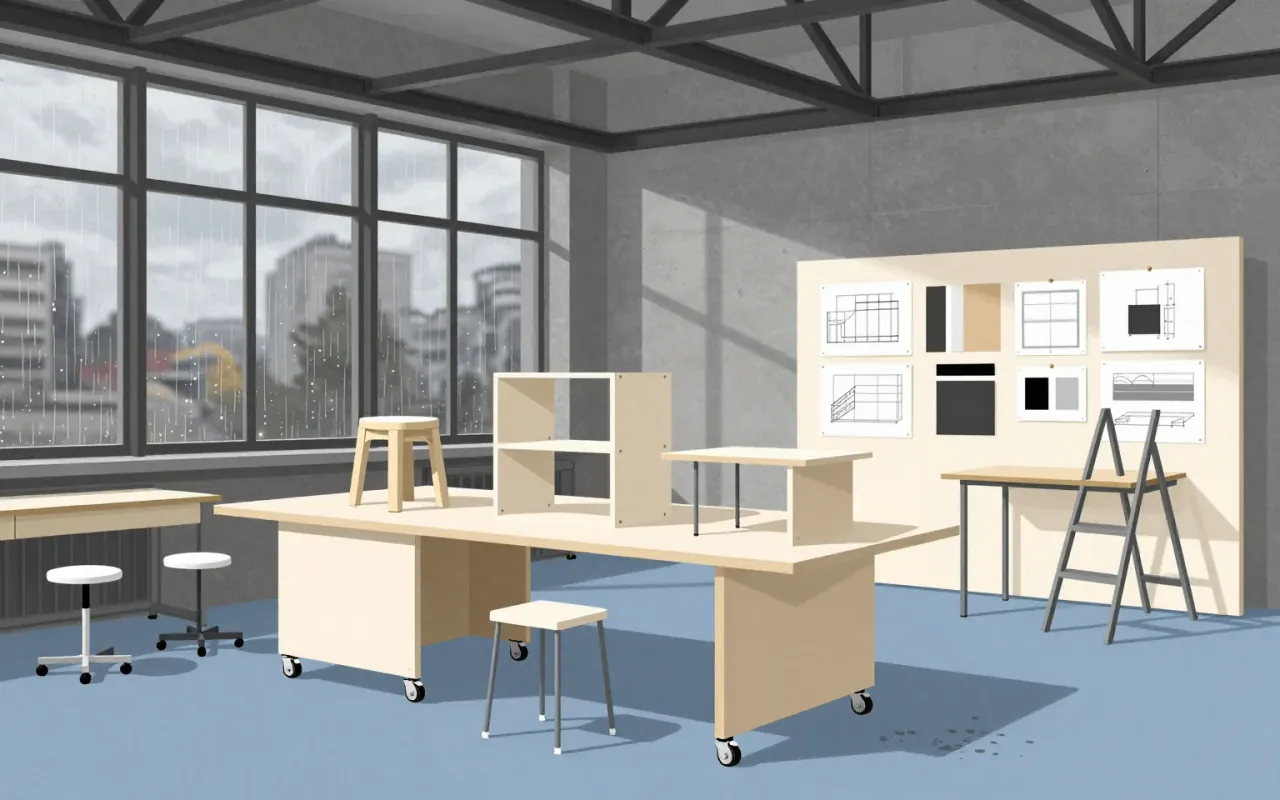
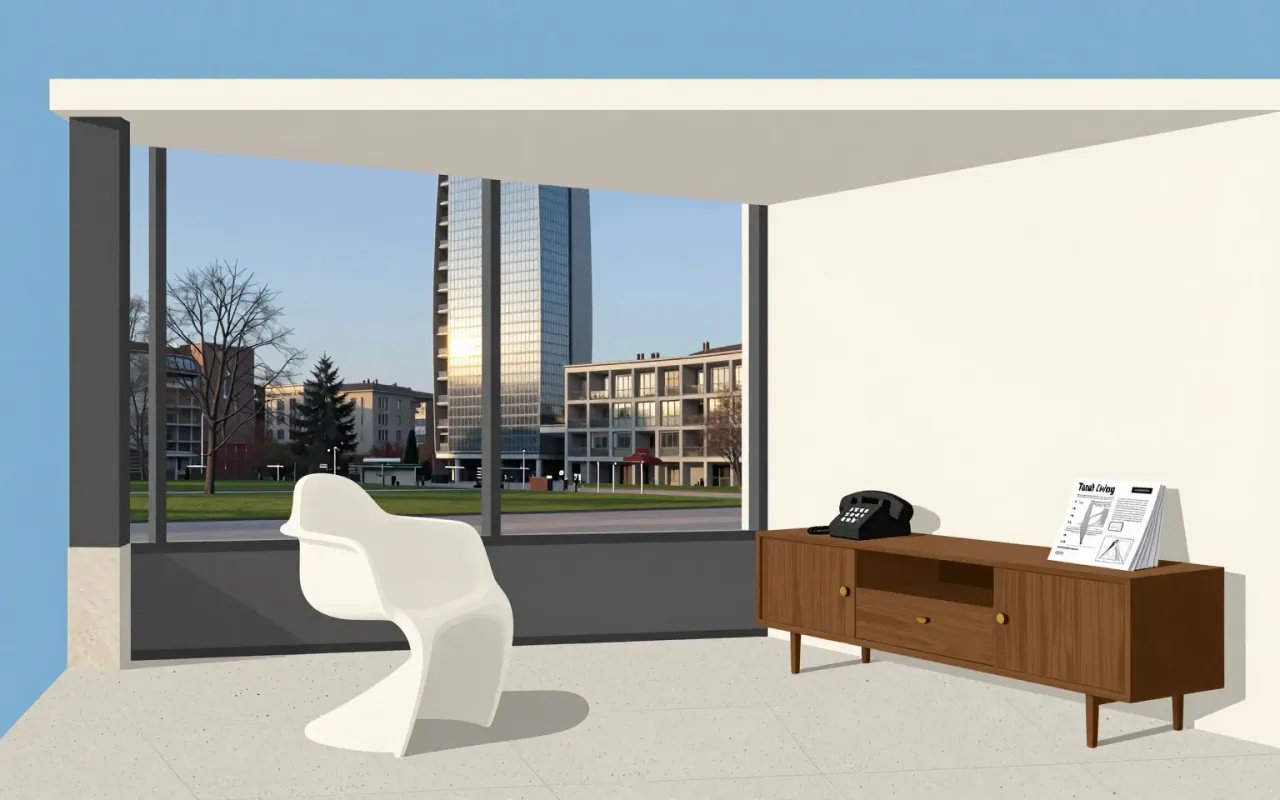
The Memphis Group was a short-lived but decisive intervention: a collective rejection of Modernist austerity, built on accessible materials, shared drawing, and irreverent references. Its durability lies not in longevity but in how precisely it named the limits of ‘good taste’ — then stepped past them.

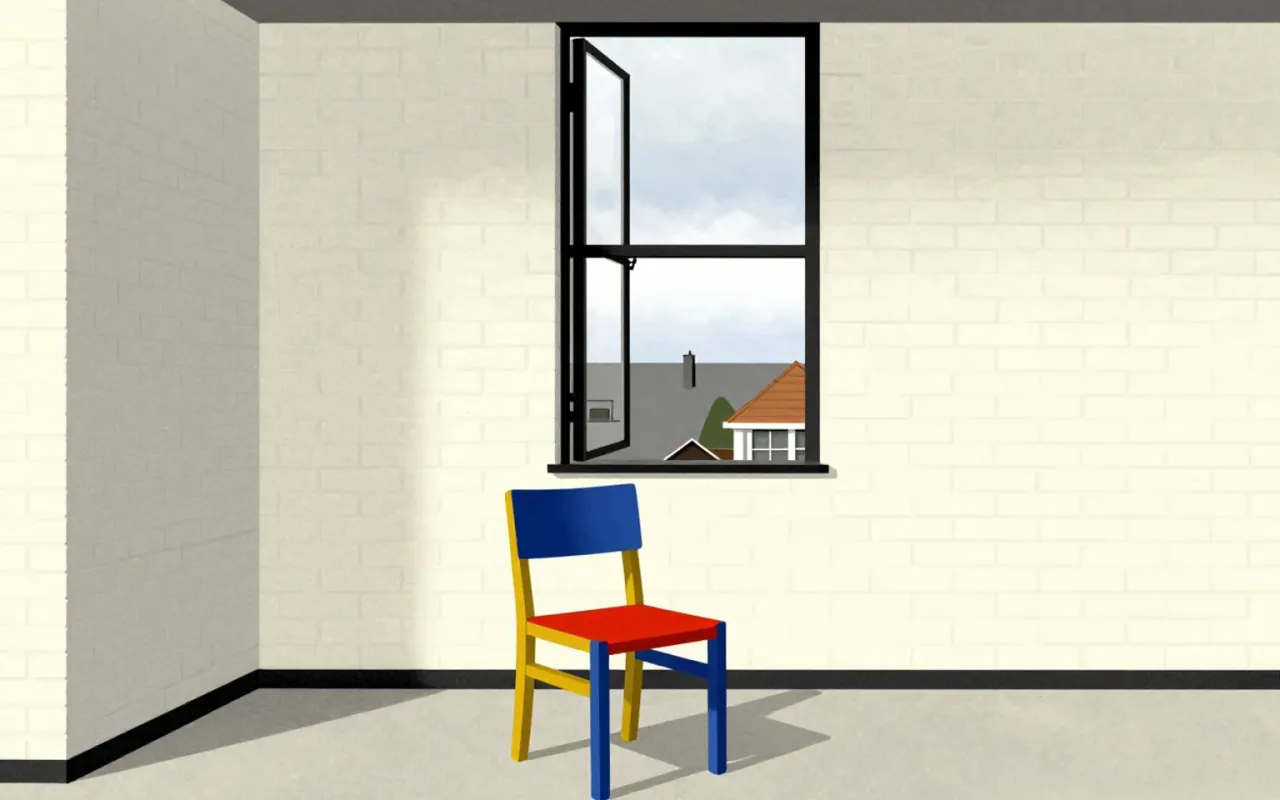

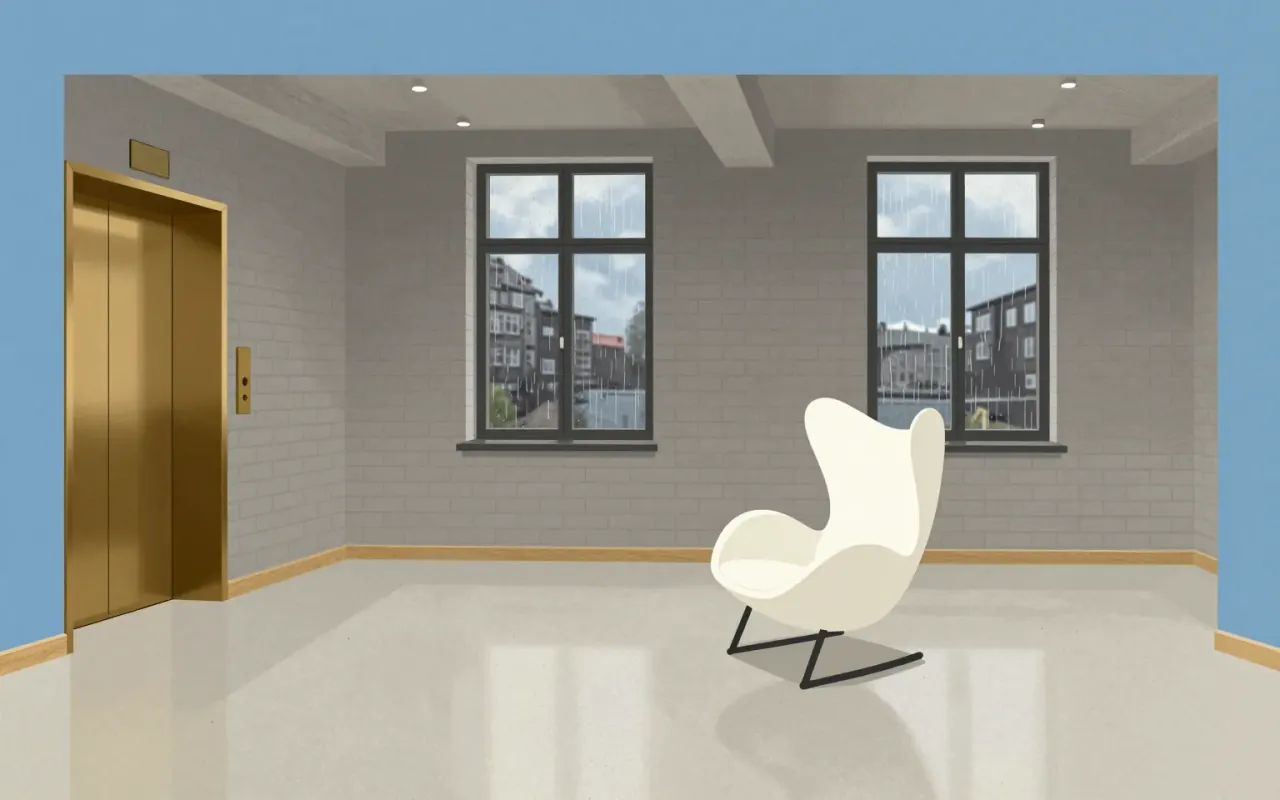
Arne Jacobsen designed the Swan lounge chair and sofa for Copenhagen's SAS Royal Hotel in 1958. The chair combines an upholstered body with a star-shaped satin-polished aluminium base.
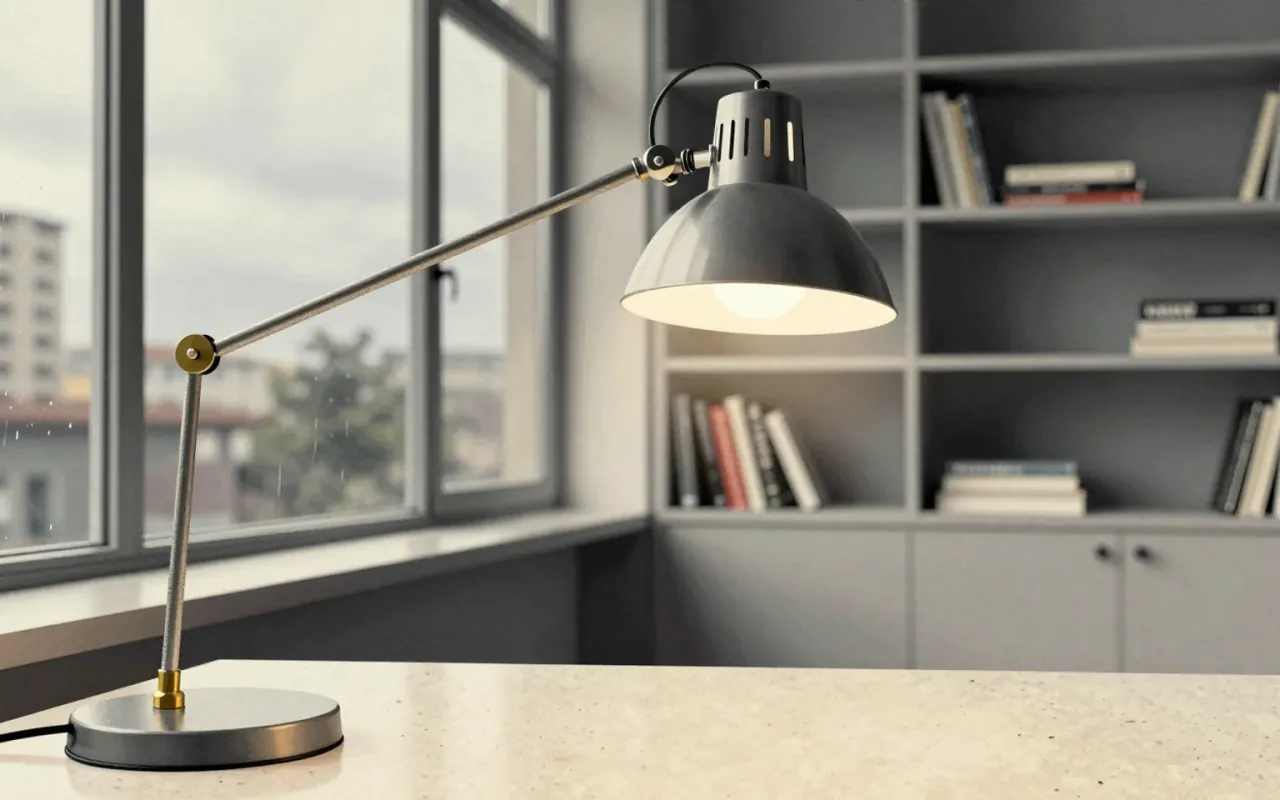
Michele De Lucchi and Giancarlo Fassina designed the Tolomeo desk lamp for Artemide in 1986. Its articulated aluminium arms, tension cables and swivelling reflector make it a useful study in adjustable task lighting.

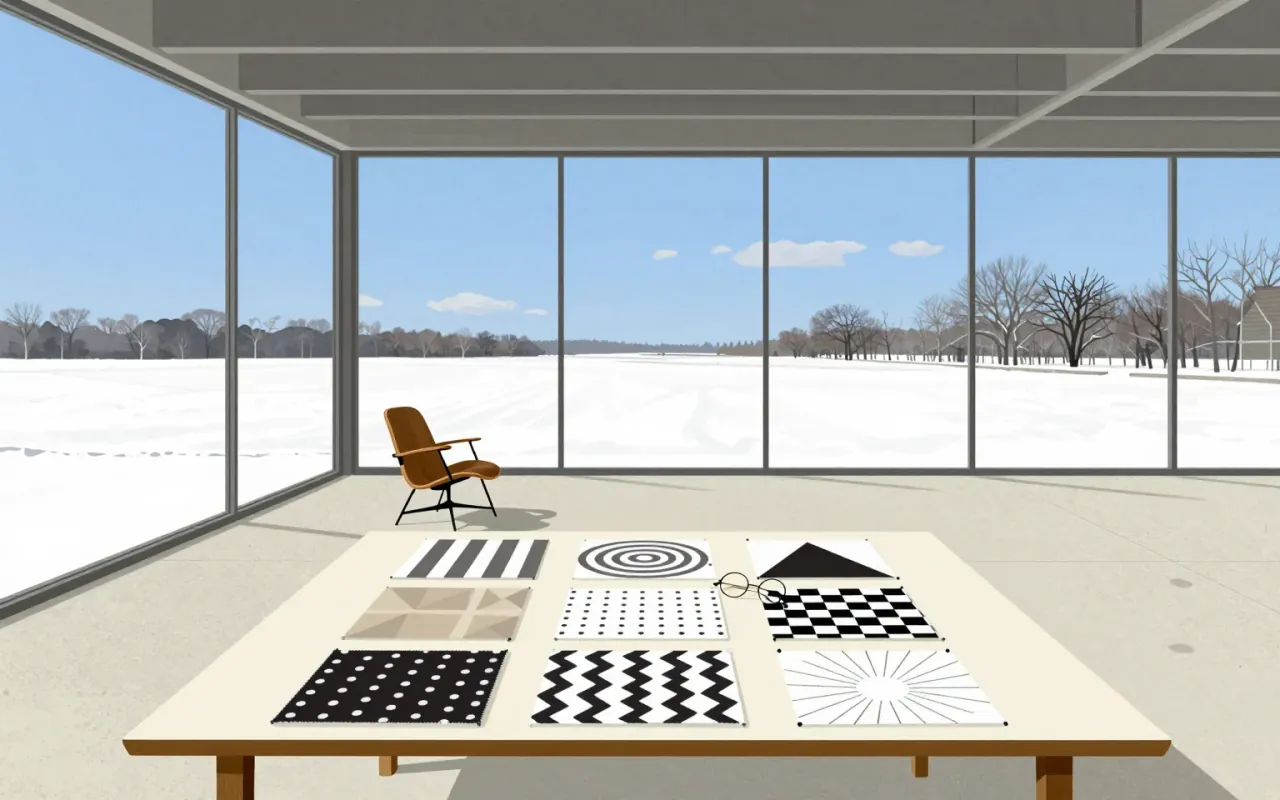

The Ball Chair is a 1963 domestic solution turned international icon — defined by constraint, not concept. Its value lies in how clearly its making answers a specific question: how to build a large, novel chair that fits through a door. Nothing more.
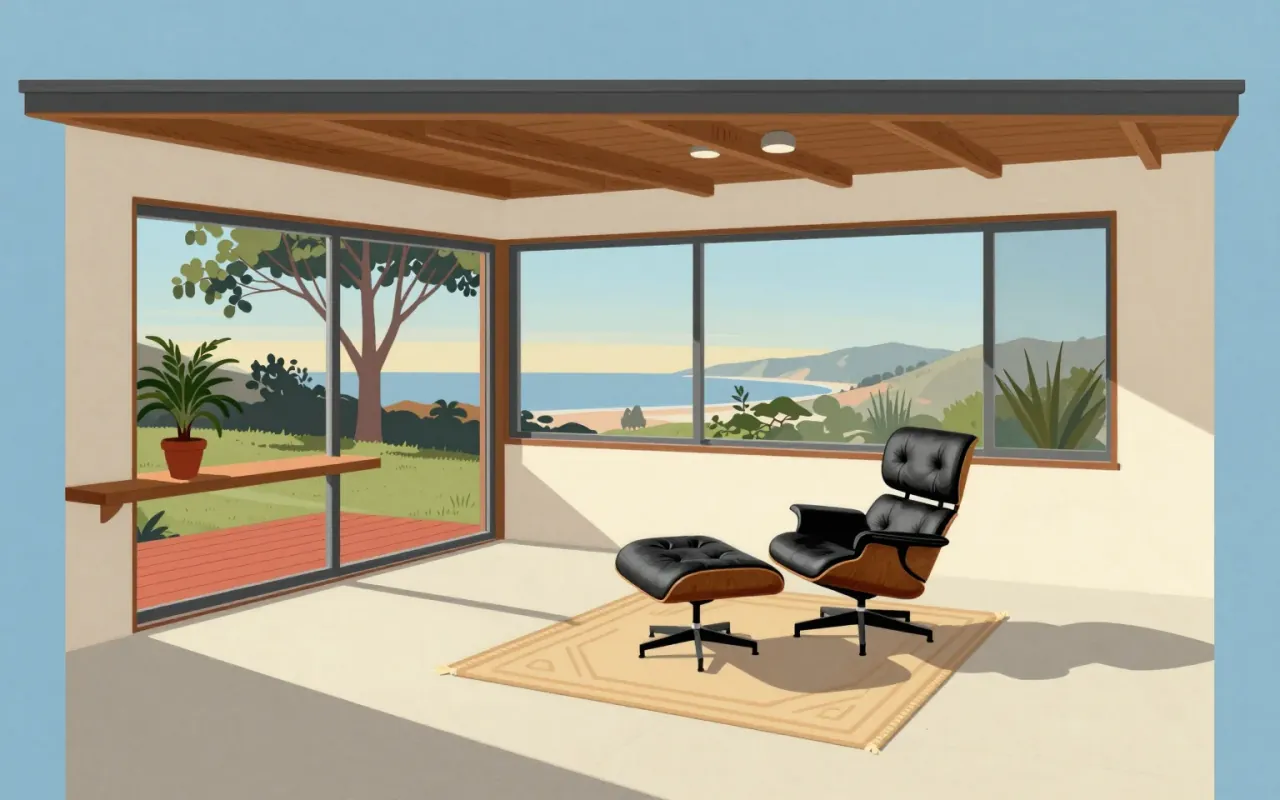
A high-end lounge chair and ottoman introduced in 1956 by Herman Miller, designed by Charles and Ray Eames, composed of three veneered molded plywood shells and leather-upholstered cushioning.


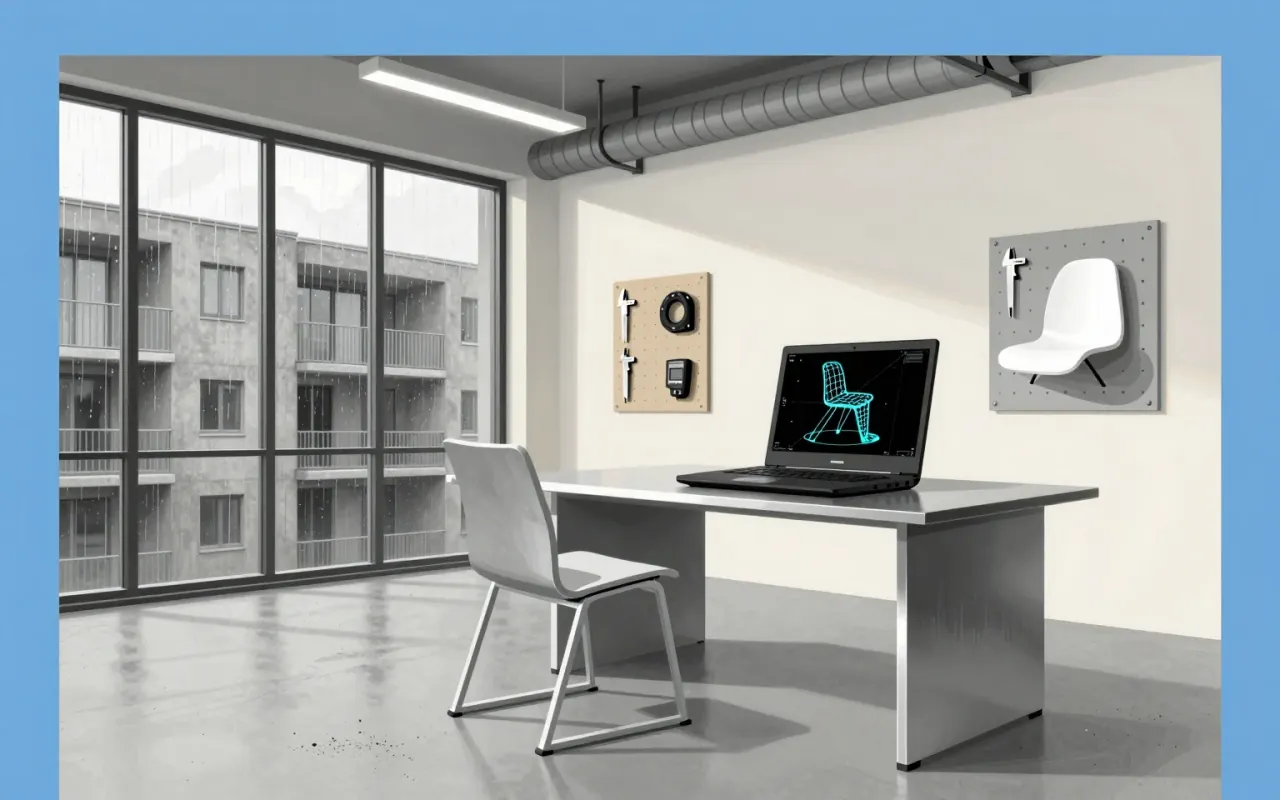
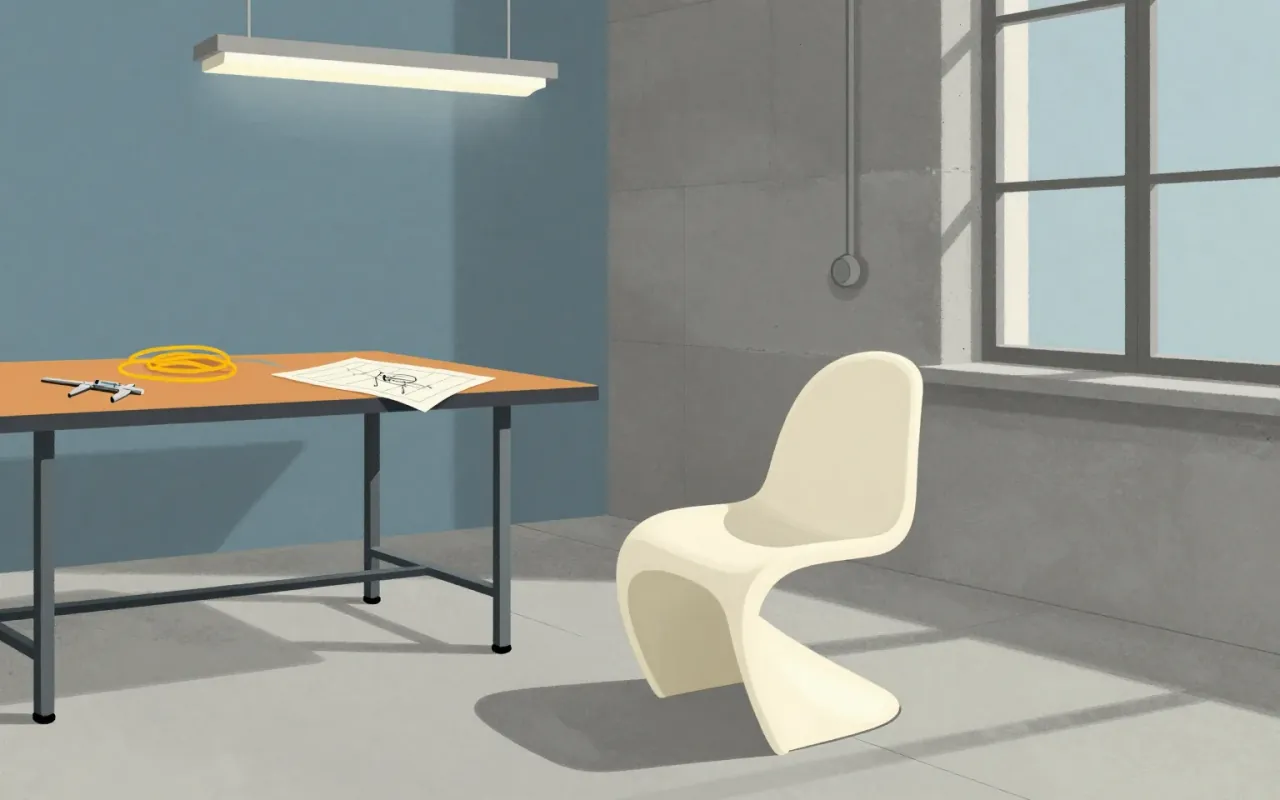
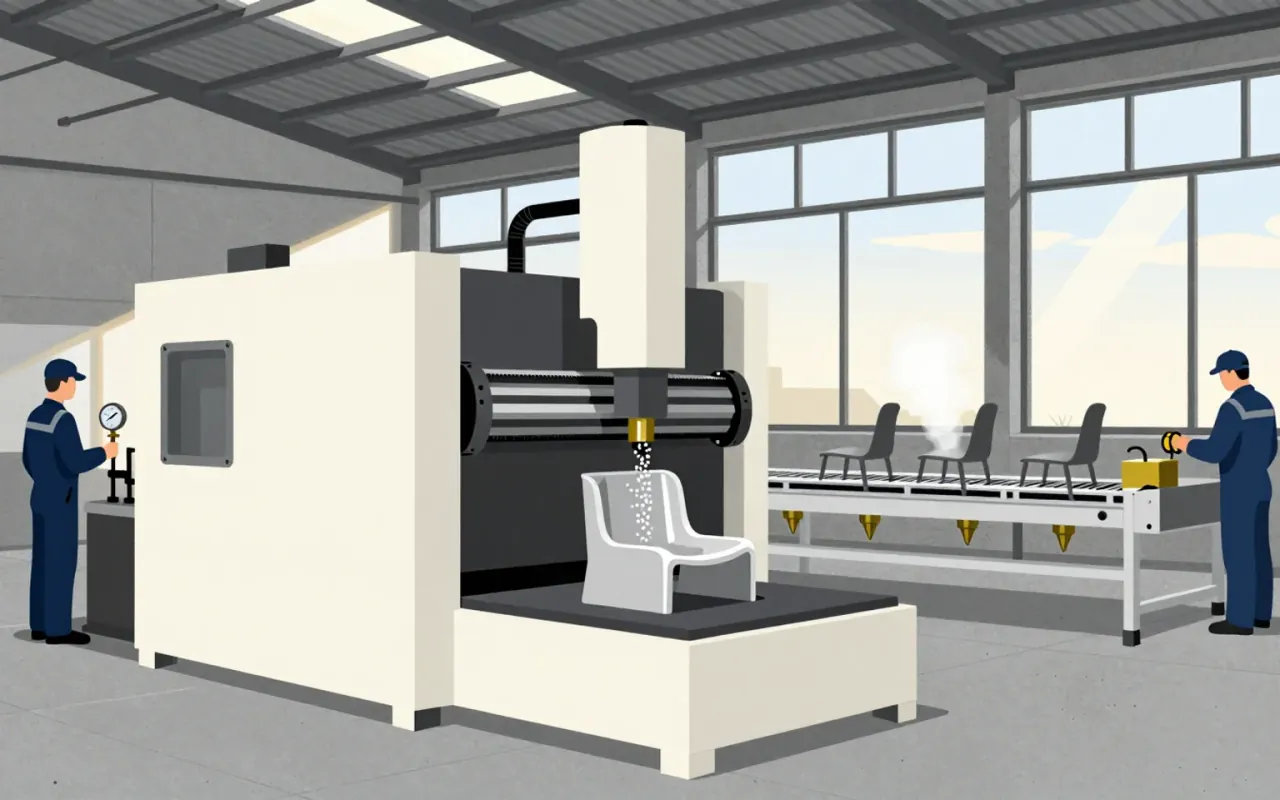
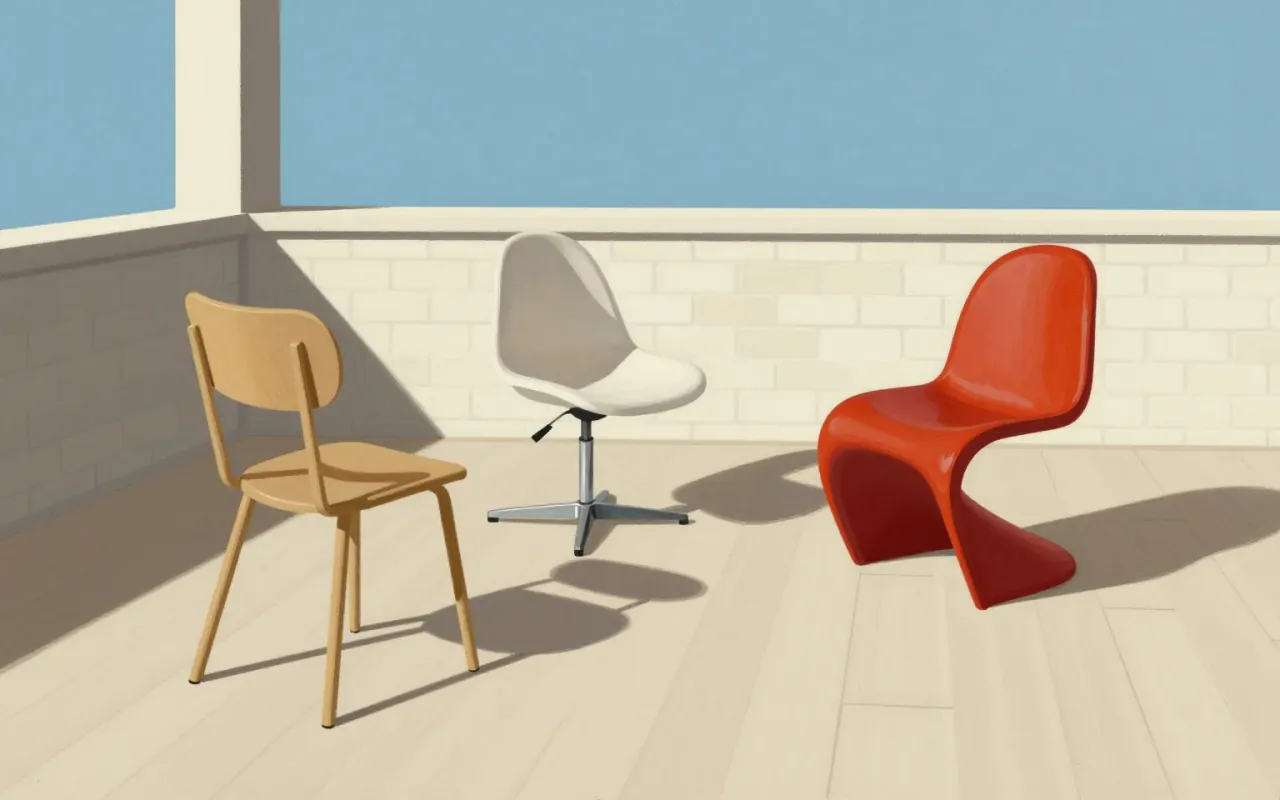
The Panton Chair is the world’s first single-piece moulded plastic chair — a continuous S-shaped shell with no legs, no joints, no assembly. Designed by Verner Panton in the 1960s, it emerged from iterative prototyping in plaster and fibreglass-reinforced polyester, then scaled via thermoplastic polystyrene injection moulding. Its success lies in resolving stackability, cantilever, and monolithic form — but its fixed geometry sacrifices adaptability and long-term durability. It proved plastic could carry structure and identity at scale, influencing decades of industrial seating. It is worth your time: not as a relic, but as a decisive answer to a tight set of material and manufacturing constraints.


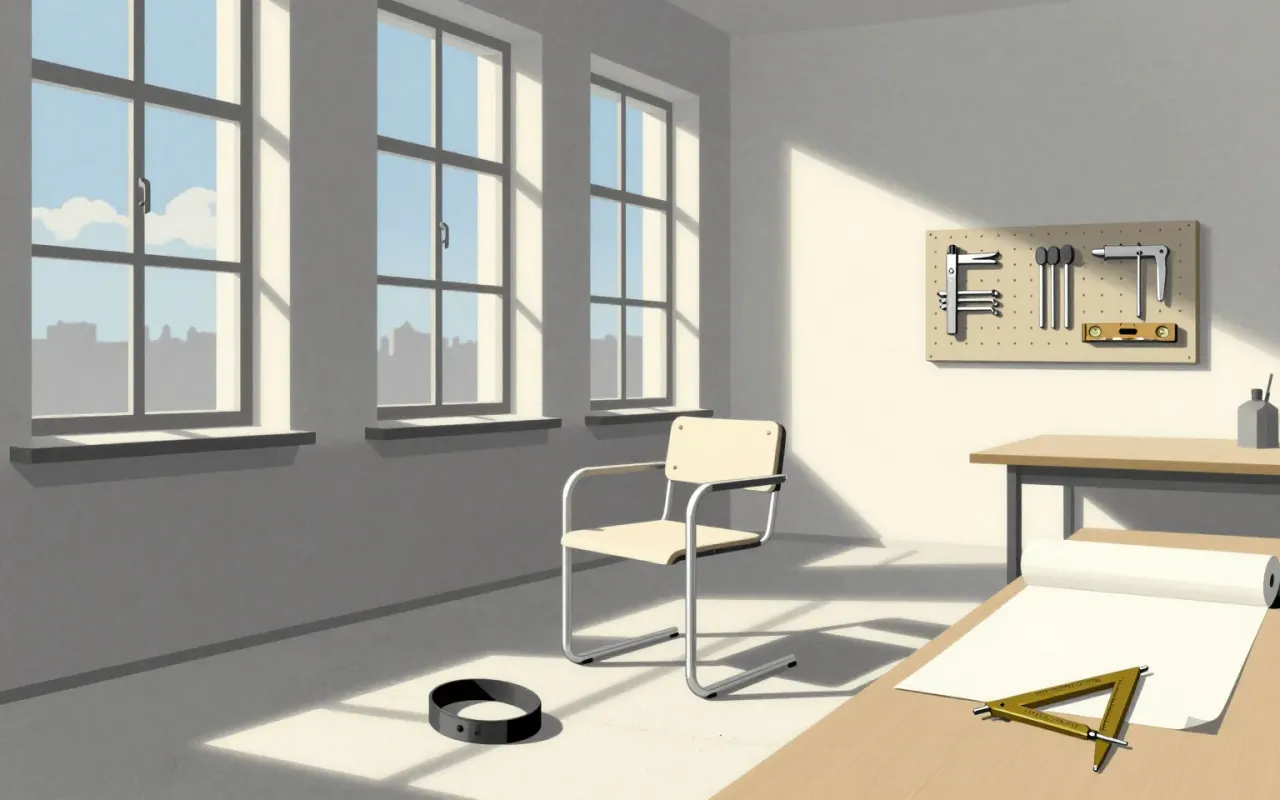
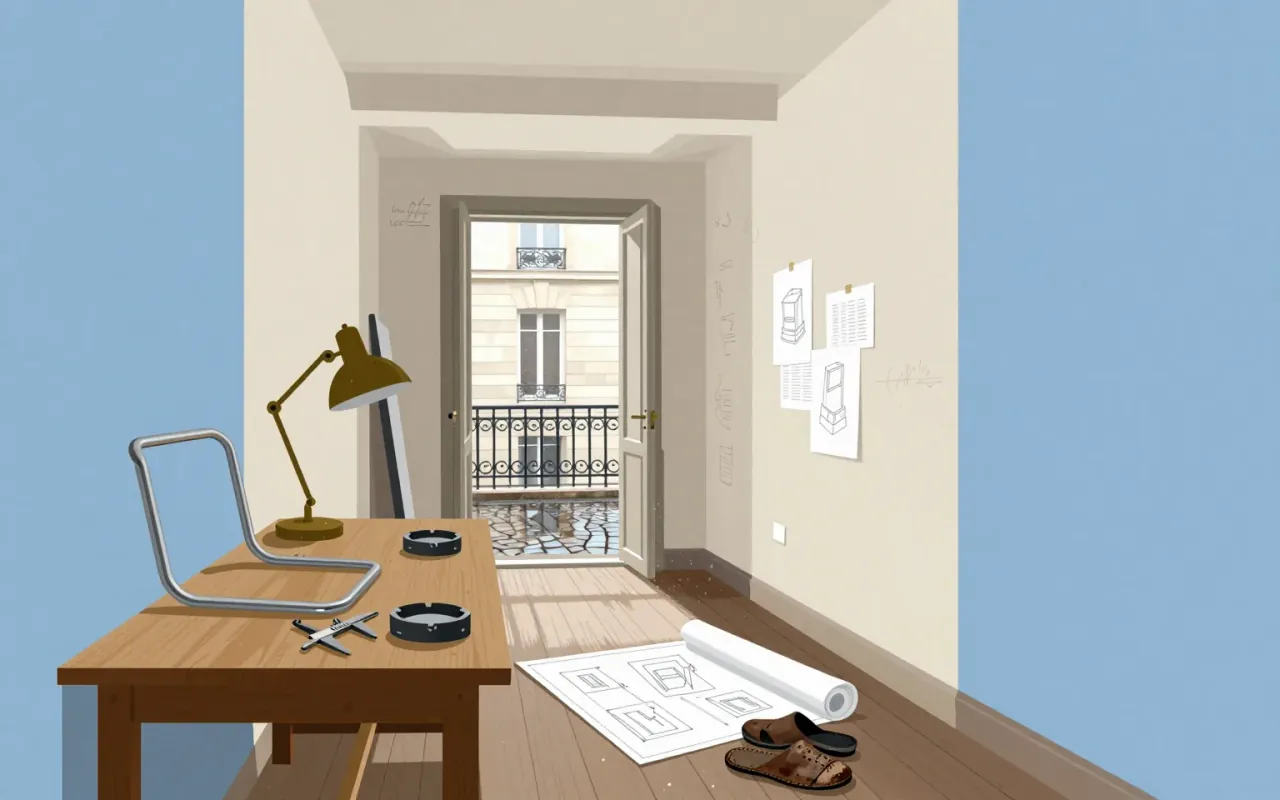
The Wassily chair is the first successful application of bent tubular steel as primary structure in furniture. Its material logic — steel for skeleton, Eisengarn for tensioned skin — replaced joinery with engineering. It was made possible by Mannesmann tubing, Reichardt’s textile work, and Thonet’s manufacturing capacity — not by theory alone. It is not about expression. It is about what happens when you treat furniture as a system of forces.