What the work is
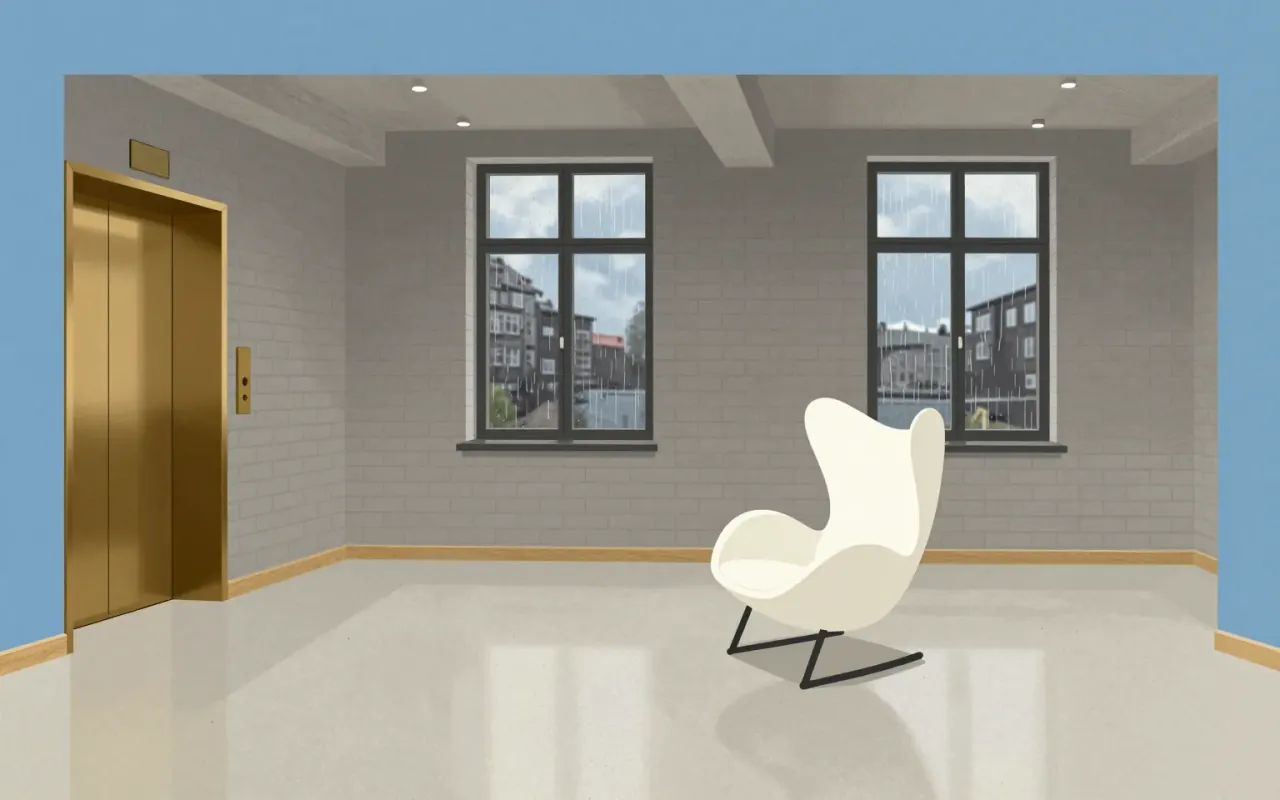
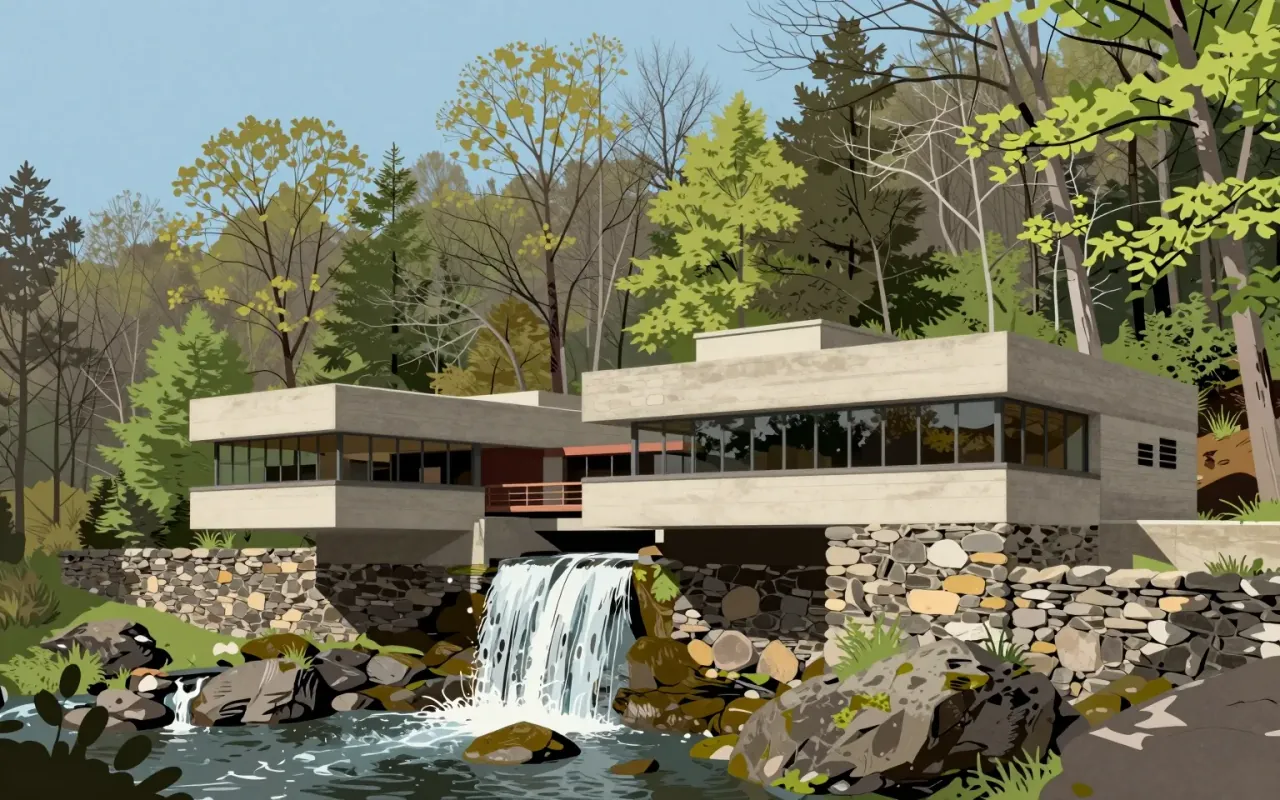
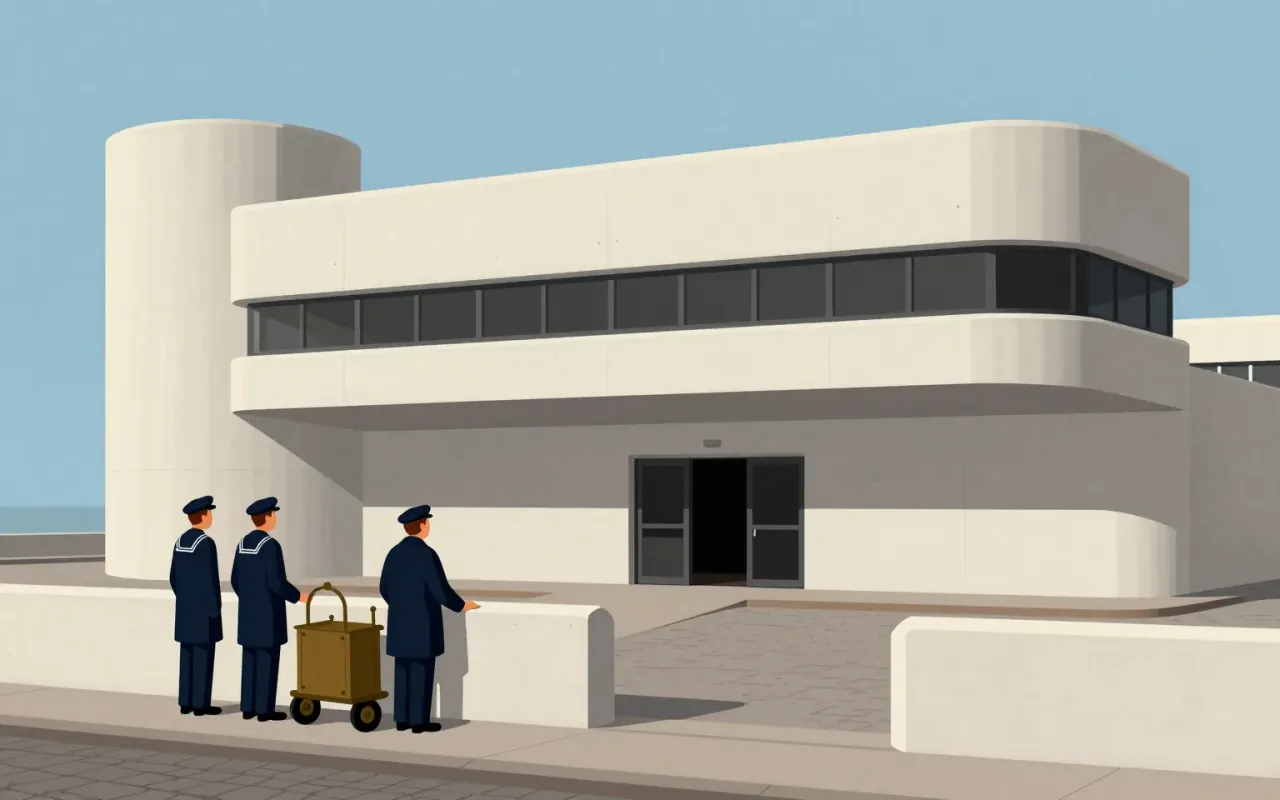
Arne Jacobsen’s work is a body of built and designed projects from the 1920s to the 1970s, including Bellevue Sea Bath, Rødovre Town Hall, Munkegaard School, Skovshoved Filling Station, and the ‘House of the Future’. It spans buildings, furniture, tickets, uniforms, and glass corridors—unified by holistic control and material juxtaposition.
How it was made
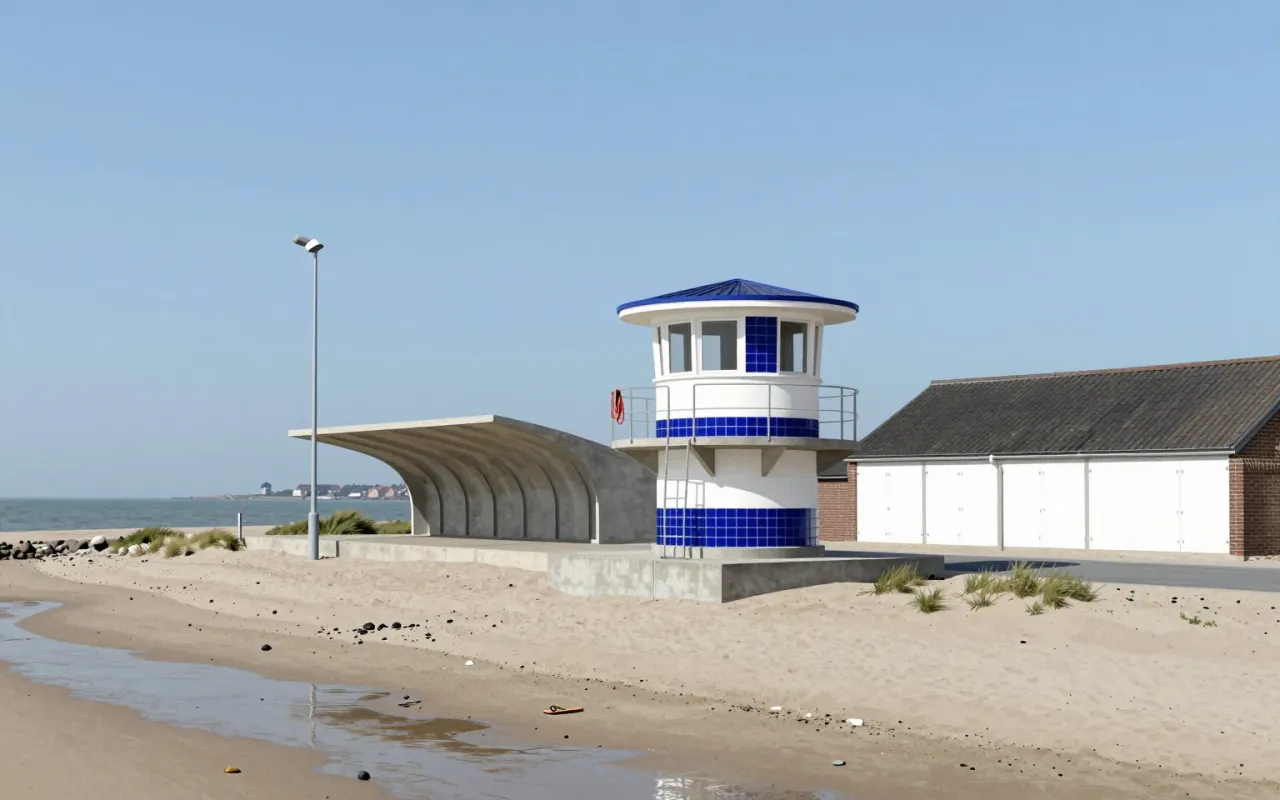
Jacobsen worked across architecture, furniture, interiors and graphic design, often controlling every detail—from lifeguard towers to employee uniforms. He synthesised German rationalist influences (Mies van der Rohe, Gropius) with White Cubist clarity. His method relied on competition entries, like the 1925 Paris Art Deco fair (silver medal for a chair) and the 1929 ‘House of the Future’ with Flemming Lassen.
What works
His integration of architecture and ancillary design elements—like tickets and uniforms at Bellevue—demonstrates functionalist discipline applied beyond structure. At Rødovre, combining sandstone, two glasses, painted metalwork and stainless steel shows deliberate material orchestration. The grid-and-courtyard layout of Munkegaard School delivers spatial logic through repetition and connection.
What does not
The sources do not establish any chair model name, production date, manufacturer, or structural innovation. They do not confirm ergonomics, comfort, mass-producibility, or user response. No claim is made about longevity, repairability, or cultural reception beyond ‘worldwide success’.
What it influenced
The sources do not state what Jacobsen influenced. They describe his practice—not its legacy, adoption, imitation or critique. No successor, movement, or derivative work is named or implied.
Is it worth your time
Yes—if you need evidence of how total design operates as constraint-driven integration, not stylistic branding. His work rewards scrutiny only where material specificity is present: Bellevue’s blue-striped towers, Rødovre’s sandstone-and-stainless-steel layering, Munkegaard’s glass-corridor pavilions.