11:43in productionCh. 1 · Origin/ 11:43 · ceiling 15 min
Architecture
Art Deco
1910
Art Deco wasn’t about beauty — it was about broadcasting power through geometry, gold, and reinforced concrete.
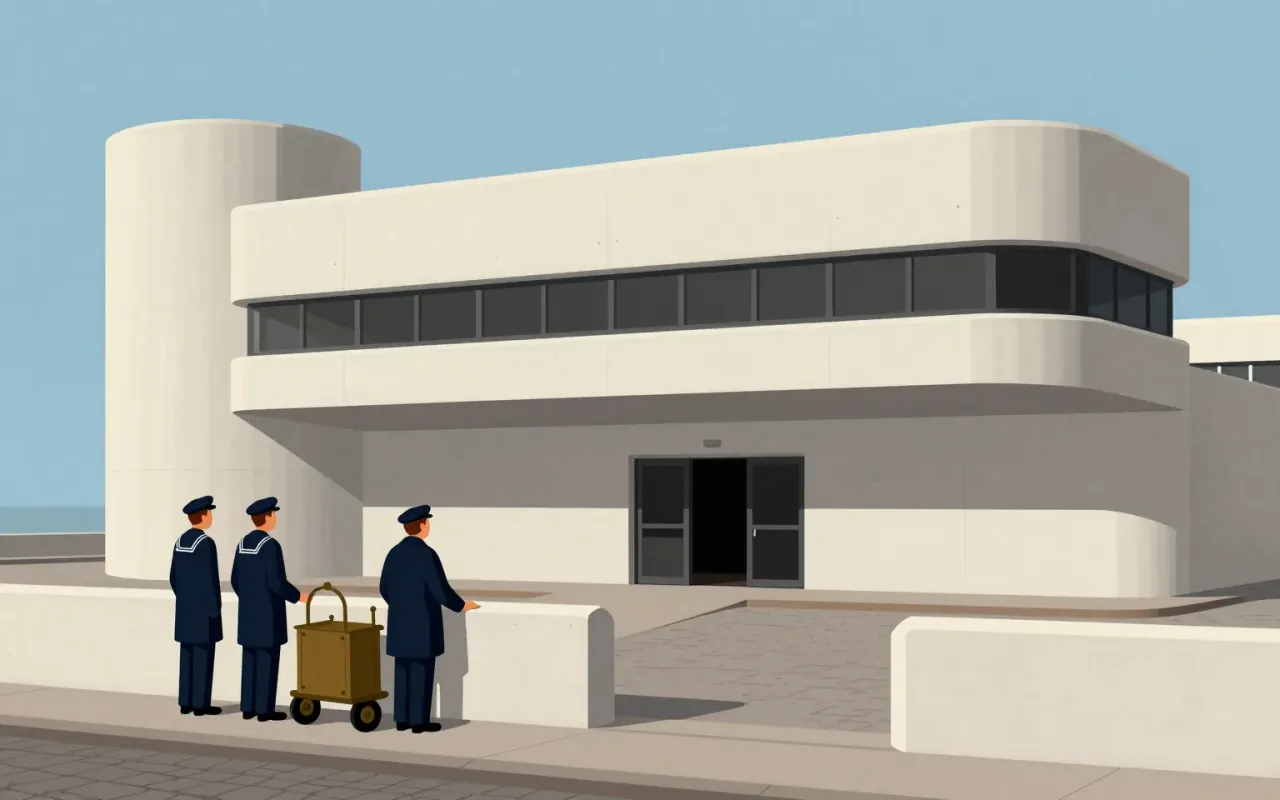
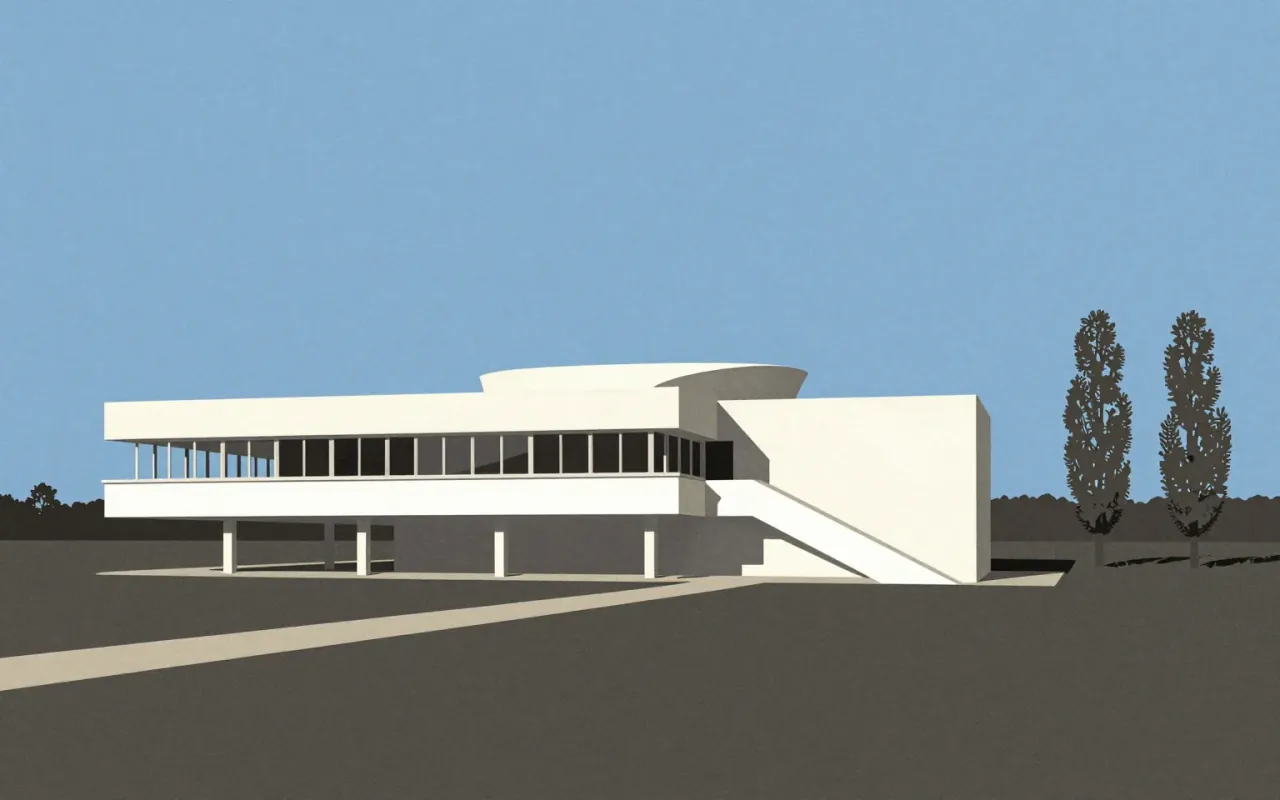
Art Deco is a style of visual arts, architecture, and product design that first appeared in Paris in the 1910s and flourished internationally during the 1920s to early 1930s. It emerged from the bold geometric forms of the Vienna Secession and Cubism, and was influenced by Fauvism, the Ballets Russes, and exoticized art from China, Japan, India, Persia, ancient Egypt, and the Maya. During its heyday, it represented luxury, glamour, exuberance, and faith in social and technological progress, using rare and expensive materials like ebony and ivory, exquisite craftsmanship, and introducing new materials such as chrome plating, stainless steel, and plastic. Reinforced concrete was key to its development and appearance.
Art Deco is a style of visual arts, architecture, and product design that first appeared in Paris in the 1910s and flourished internationally during the 1920s to early 1930s.
How it was made
Art Deco was made using rare and expensive materials like ebony and ivory, exquisite craftsmanship, and new industrial materials including chrome plating, stainless steel, plastic, and reinforced concrete.
What works
It works by synthesising bold geometry with vivid colour and cultural quotation — drawing from Fauvism, the Ballets Russes, and exoticised art — to project luxury, glamour, and faith in technological progress.
What does not
It does not represent austerity, restraint, or democratic access. Its reliance on luxury materials and elite patronage excludes mass affordability or egalitarian intent.
What it influenced
It influenced architecture, product design, fashion, jewellery, and interior design internationally through the 1920s and early 1930s.
Is it worth your time
Yes — it is worth your time as a decisive stylistic rupture that fused exotic reference, geometric abstraction, and industrial materiality into a coherent visual language for modernity.