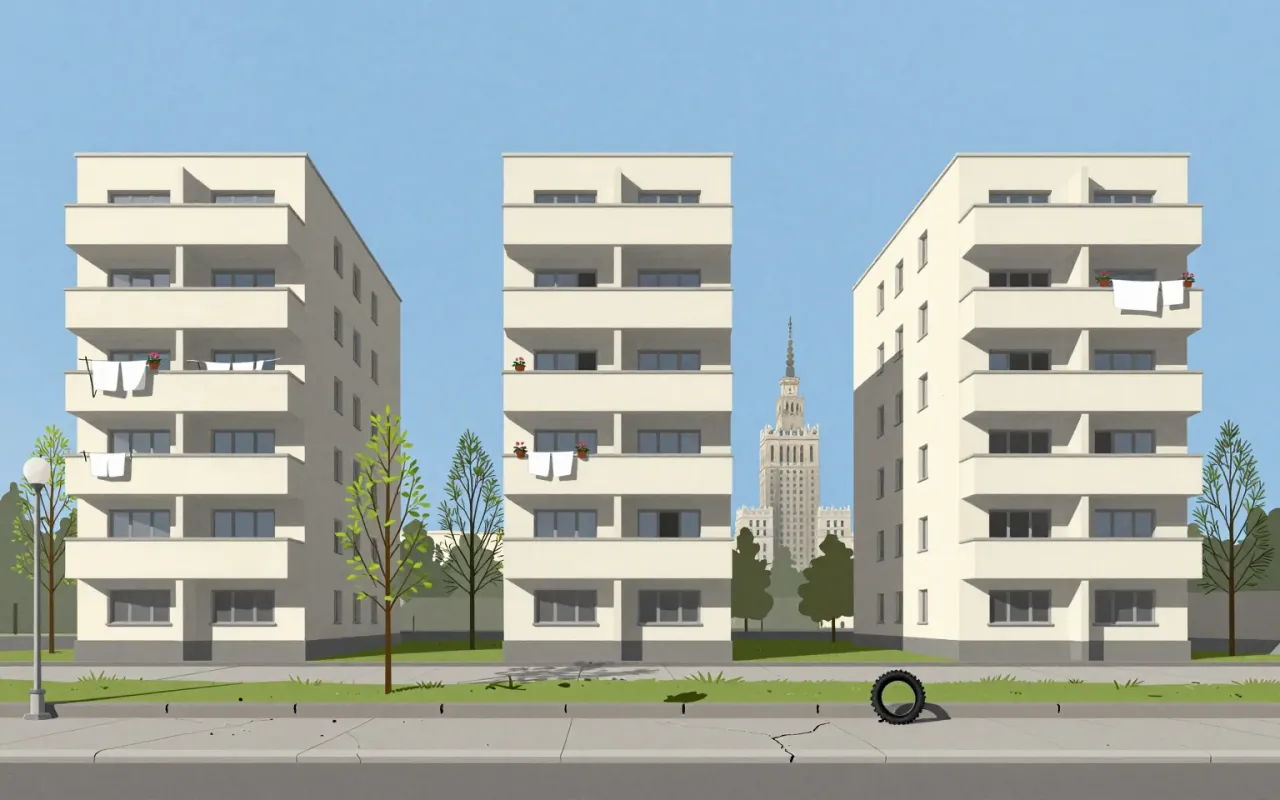
Functionalism (architecture)
Functionalism was never about clean lines — it was about refusing to let beauty override need.
Twenty years of unfinished business between two wars.
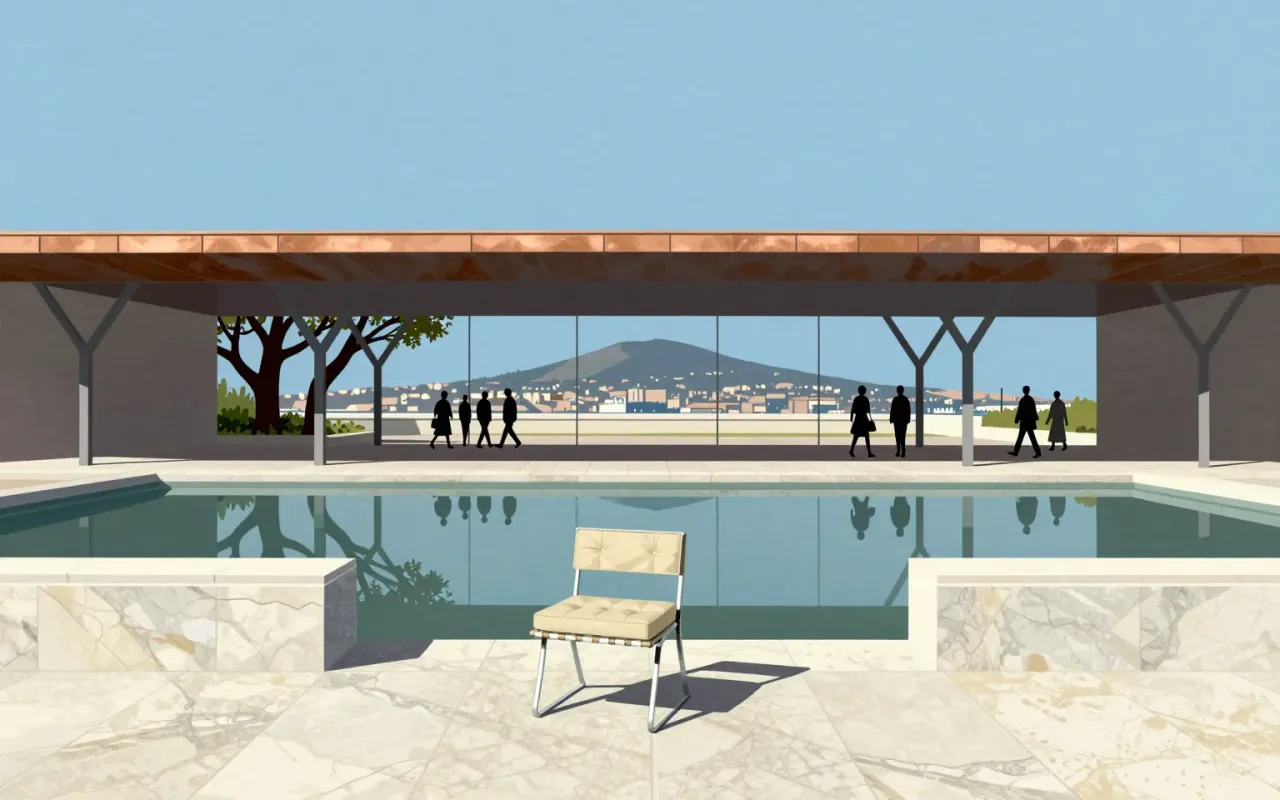
The Barcelona Pavilion is a temporary German Pavilion for the 1929 International Exposition in Barcelona, co-designed by Ludwig Mies van der Rohe and Lilly Reich. It used marble, red onyx, and travertine. It was demolished in 1930. A 1986 reconstruction now stands on the original site. It is one of Mies’s two European masterworks. Its spatial logic, material choices, and role as both exhibit and experiential space remain legible and instructive.
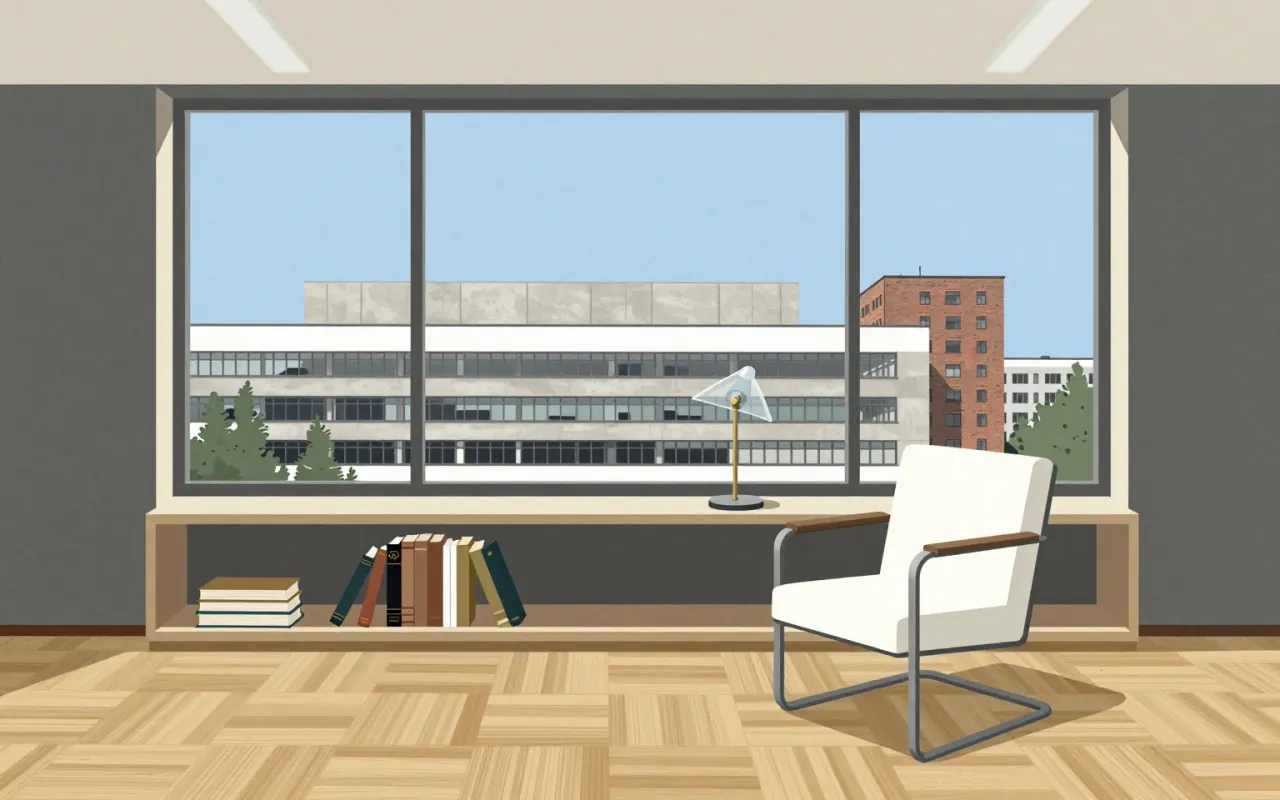
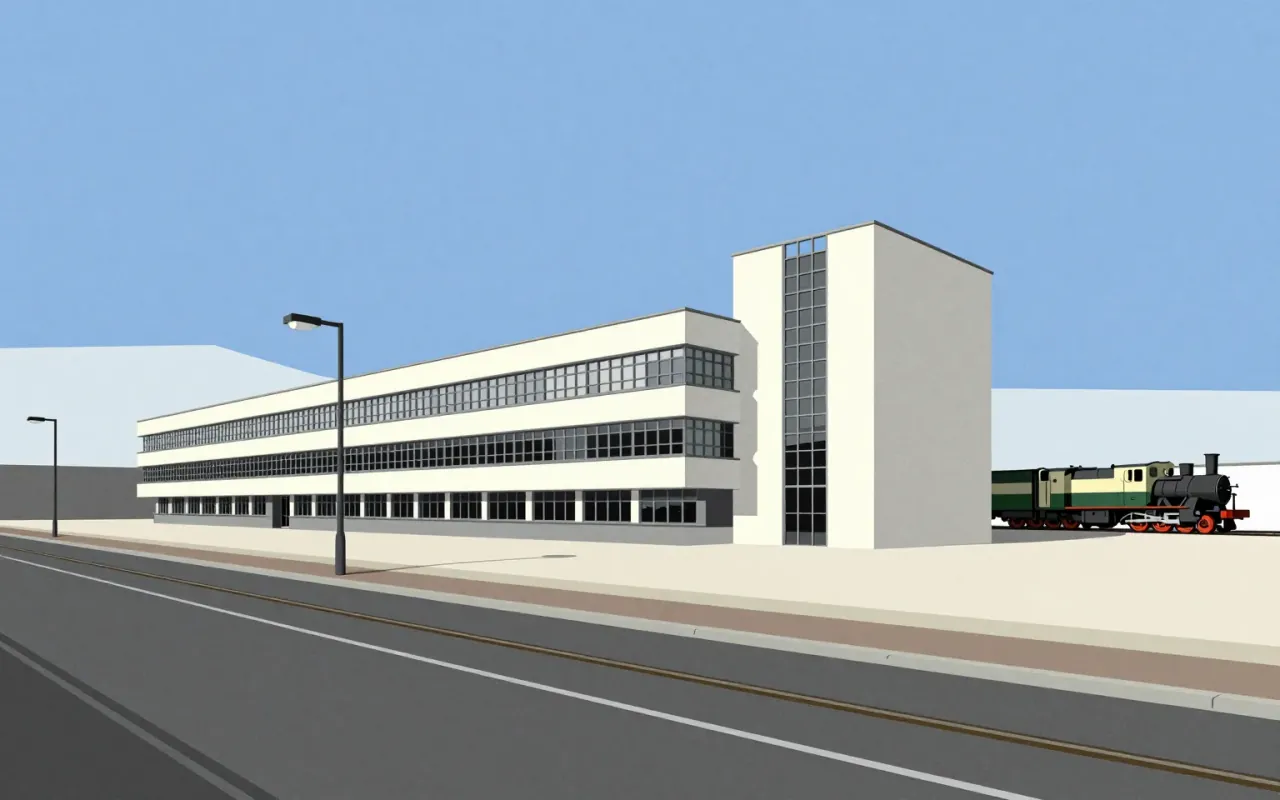
The Bauhaus was a German art school (1919–1933) founded by Walter Gropius in Weimar. It combined crafts and fine arts through an experimental, theory-led pedagogy centred on the Vorkurs. Its aim was to unify artistic vision with mass production, functionality, and industrial collaboration — producing functional, cheap, industrially viable objects like the F51 armchair (1920), Sommerfeld House (1920), and Gropius’s 1923 door handles. Its internal tensions — between expressionism and New Objectivity, craft and industry — were structural, not resolved. It established the principle that aesthetic quality must extend to every home via well-designed, industrially produced objects.
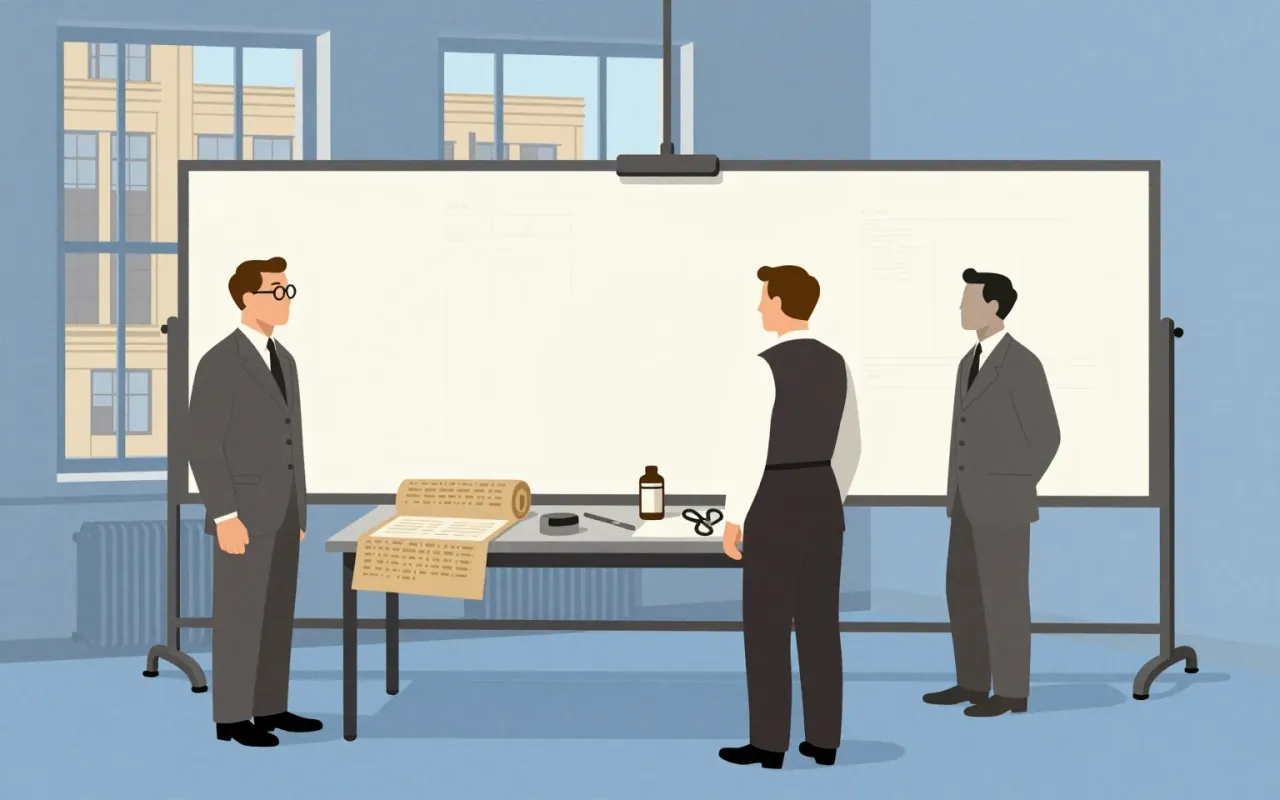
Cooper Black is an ultrabold serif typeface designed for display use, drawn as an extra-bold weight of the Cooper Old Style family. It originated from Oswald Cooper’s lettering practice in 1920s Chicago and the Midwest. Its low stroke contrast and soft, 'muddy' appearance distinguish it from nineteenth-century fat faces. It quickly became popular in newspaper advertising and later in pop culture — notably on the 1966 Pet Sounds album cover. It was the second-best-selling typeface for American Type Founders and polarised typographic opinion: rejected by conservative typographers but embraced so enthusiastically by graphic designers that supply could not meet demand.
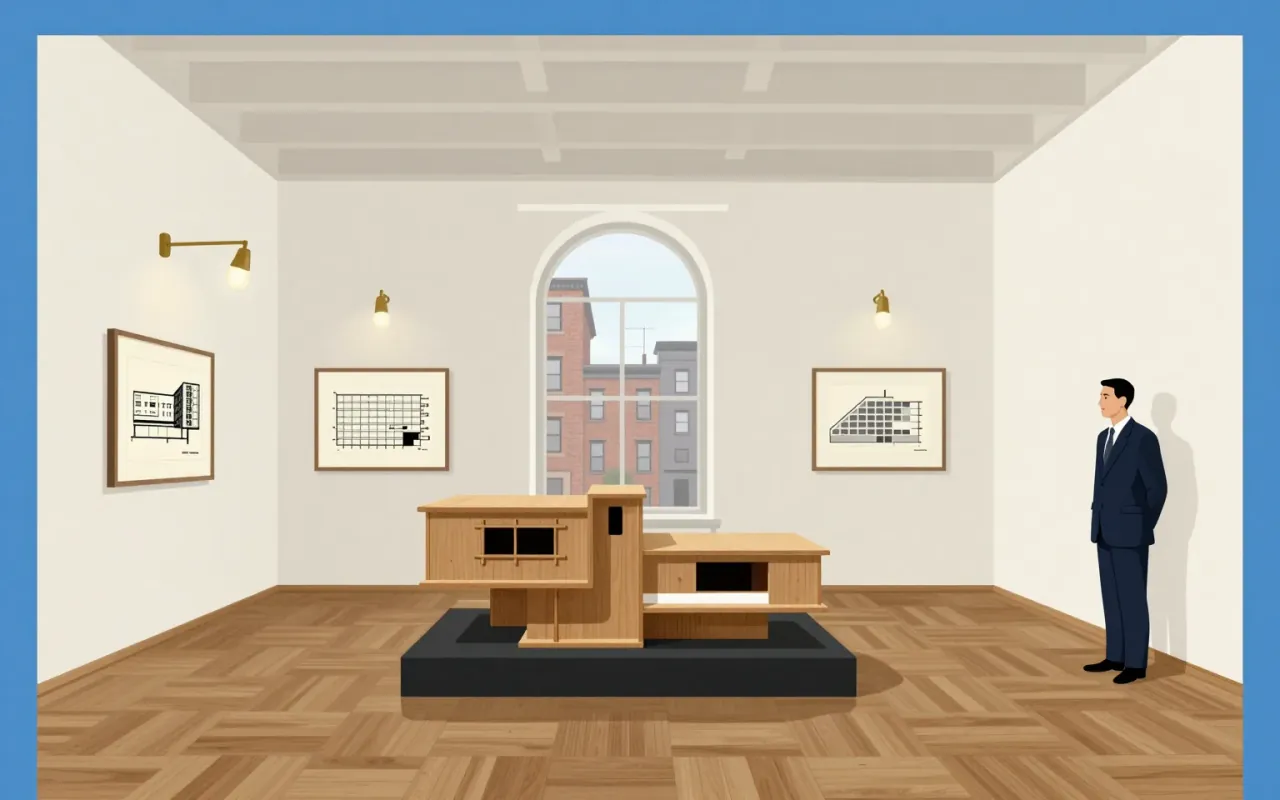
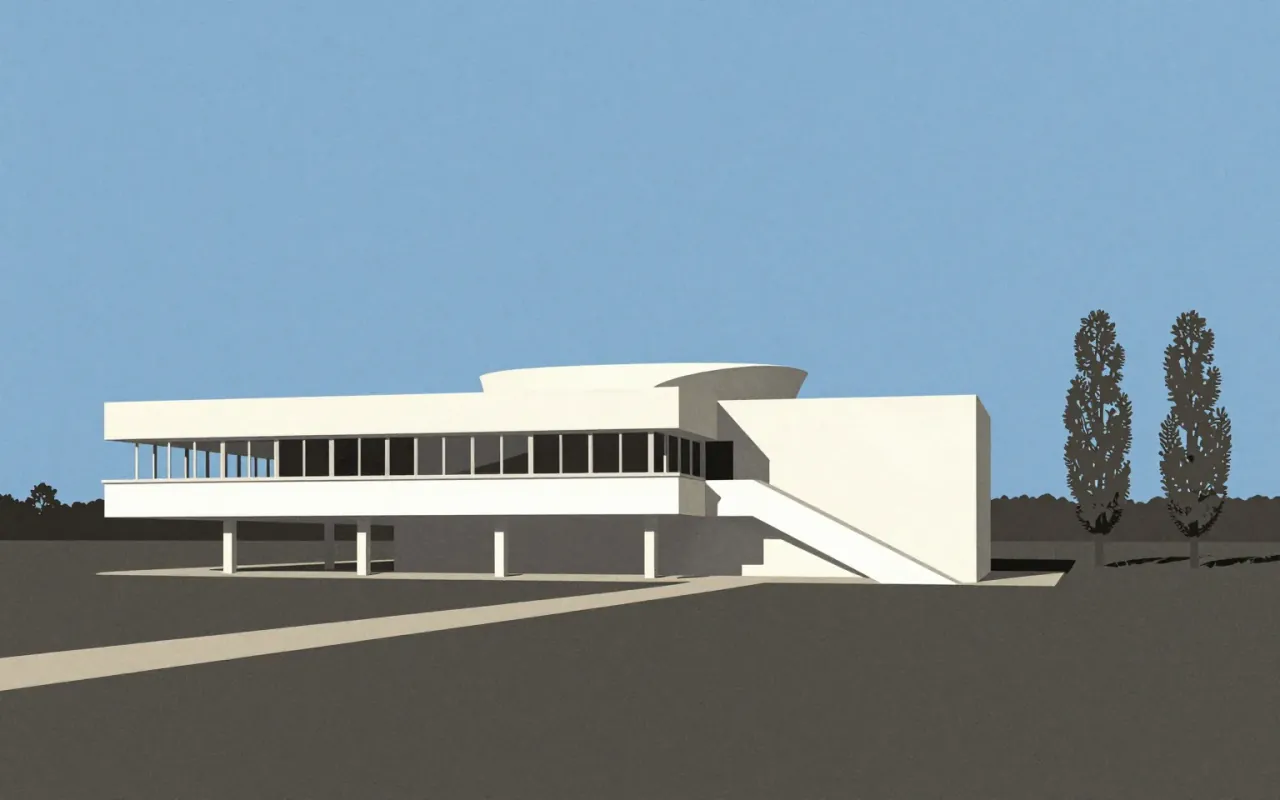
The Villa Savoye is the definitive built statement of Le Corbusier’s Five Points — executed with rare freedom, then adjusted under cost pressure. Its influence is verified; its compromises are documented. It is not timeless. It is specific, material, contested, and consequential.