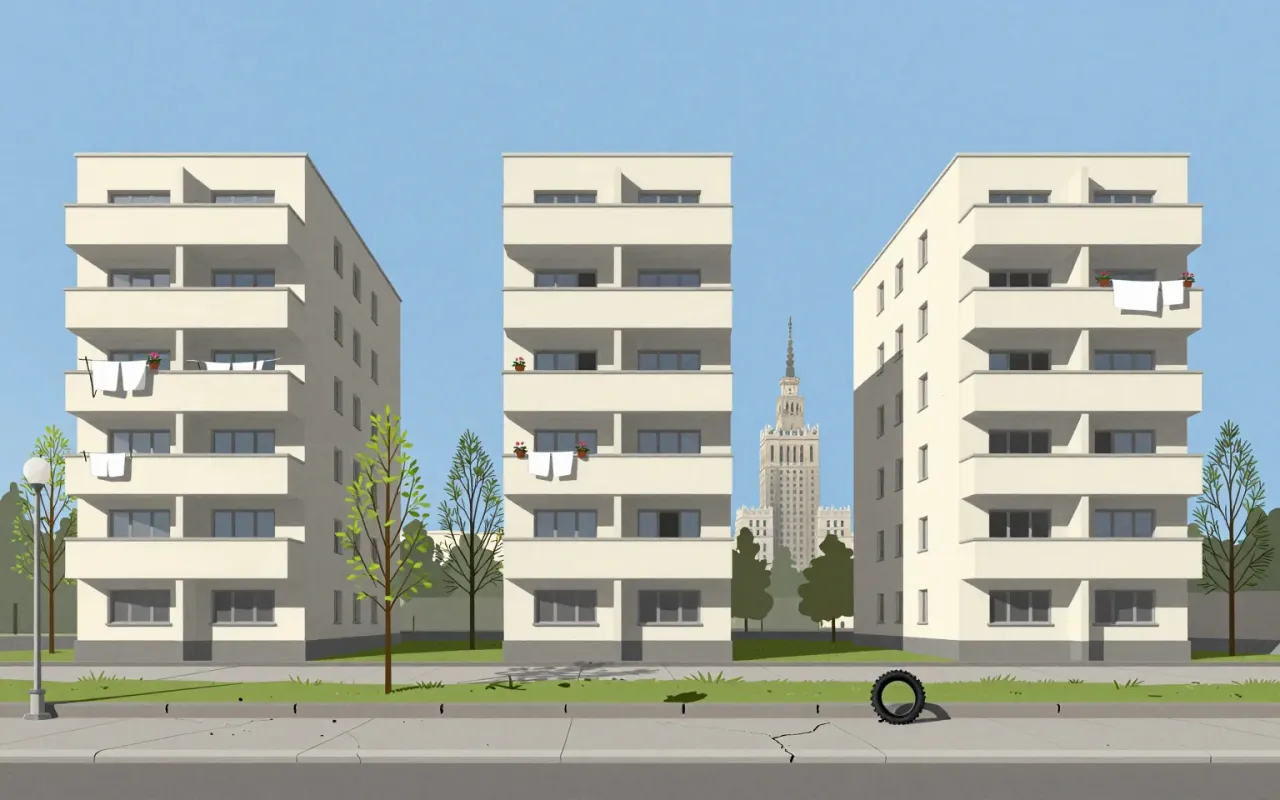
What the work is
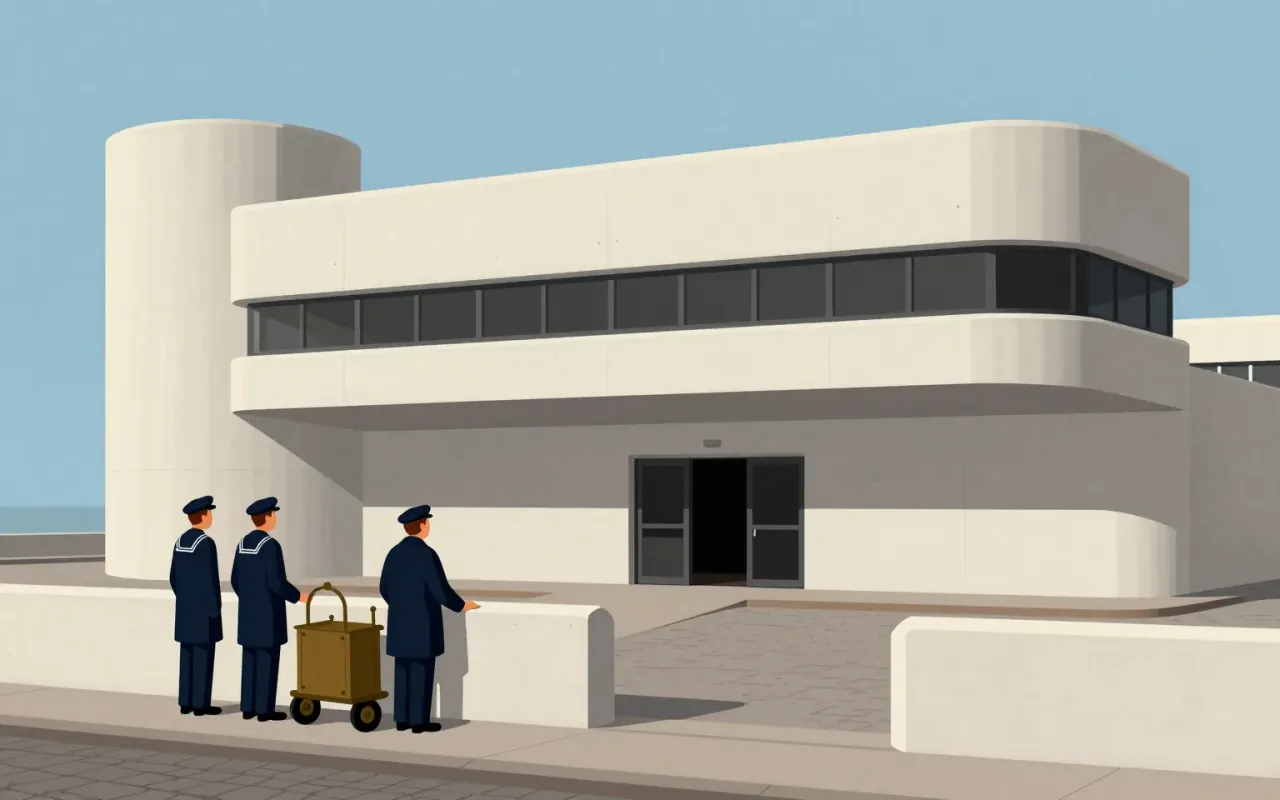
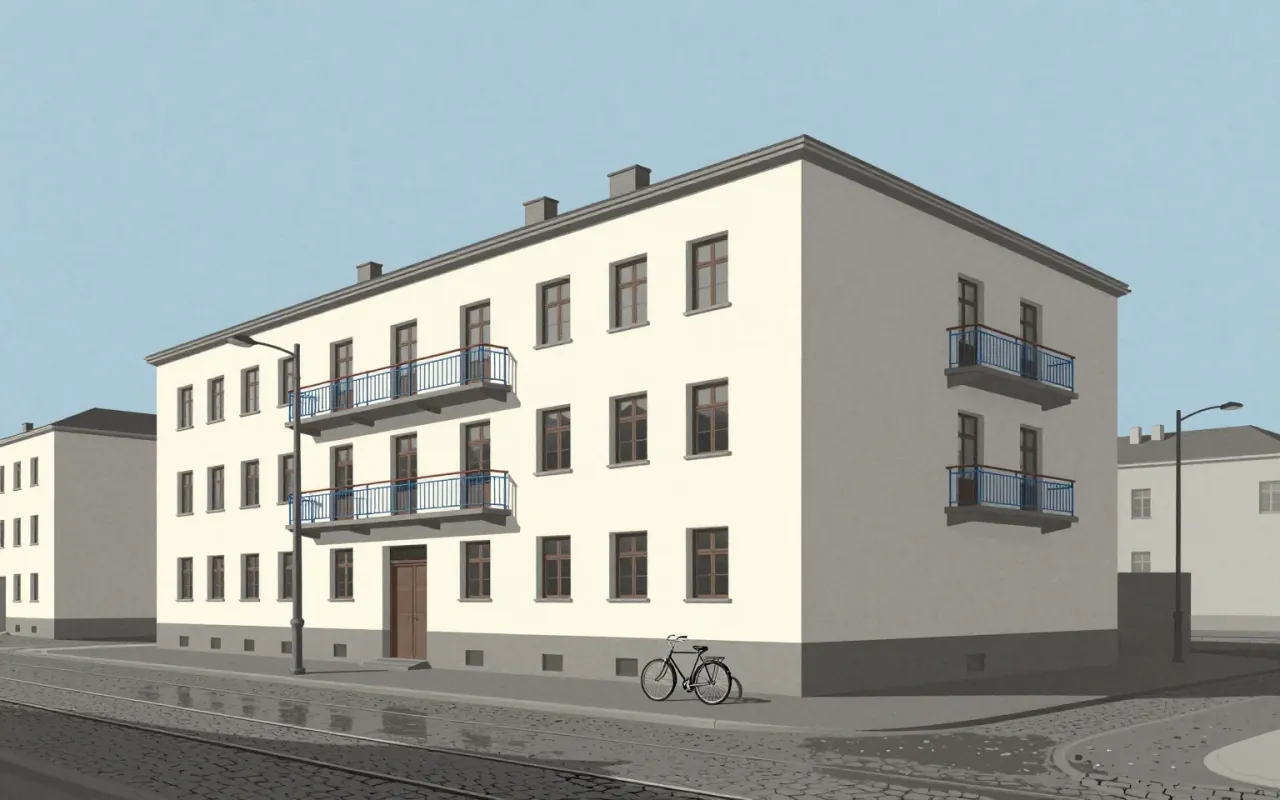
Functionalism is the principle that buildings must be designed solely on the basis of their purpose and function. It is not a style, school, or period — it is a constraint-based method with political intent.
How it was made
Functionalism was made by treating building purpose as the sole design constraint. It emerged internationally after World War I as part of Modernism. Its method drew from the Vitruvian triad and Louis Sullivan’s 1896 phrase ‘form follows function’. It was motivated by European social and political movements seeking to rebuild a better world.
What works
It works as a corrective to decorative excess. It embeds architecture in human need, not taste. It links design to post-war reconstruction and social reform. It gives utilitas primacy — a deliberate elevation of utility over firmness or beauty.
What does not
It does not hold as a consistent design discipline beyond the mid-1930s. After that point, functionalism became an aesthetic label rather than a method of design integrity. It never resolved the tension between utilitas and venustas — beauty remained unaccounted for in its principle.
What it influenced
It influenced architectural practice across Czechoslovakia, Germany, Poland, the USSR, the Netherlands, and later Scandinavia and Finland. It repositioned architecture from ornamented craft to socially instrumental system.
Is it worth your time
Yes. It establishes architecture as a tool for material social improvement — not just shelter, but life-shaping infrastructure. Its mid-1930s shift into aesthetic discourse reveals where its original rigour collapsed.