designbriefs
Architecture · Urbanism

International Style

The International Style was not invented by architects — it was edited into existence by two men at MoMA in 1932.

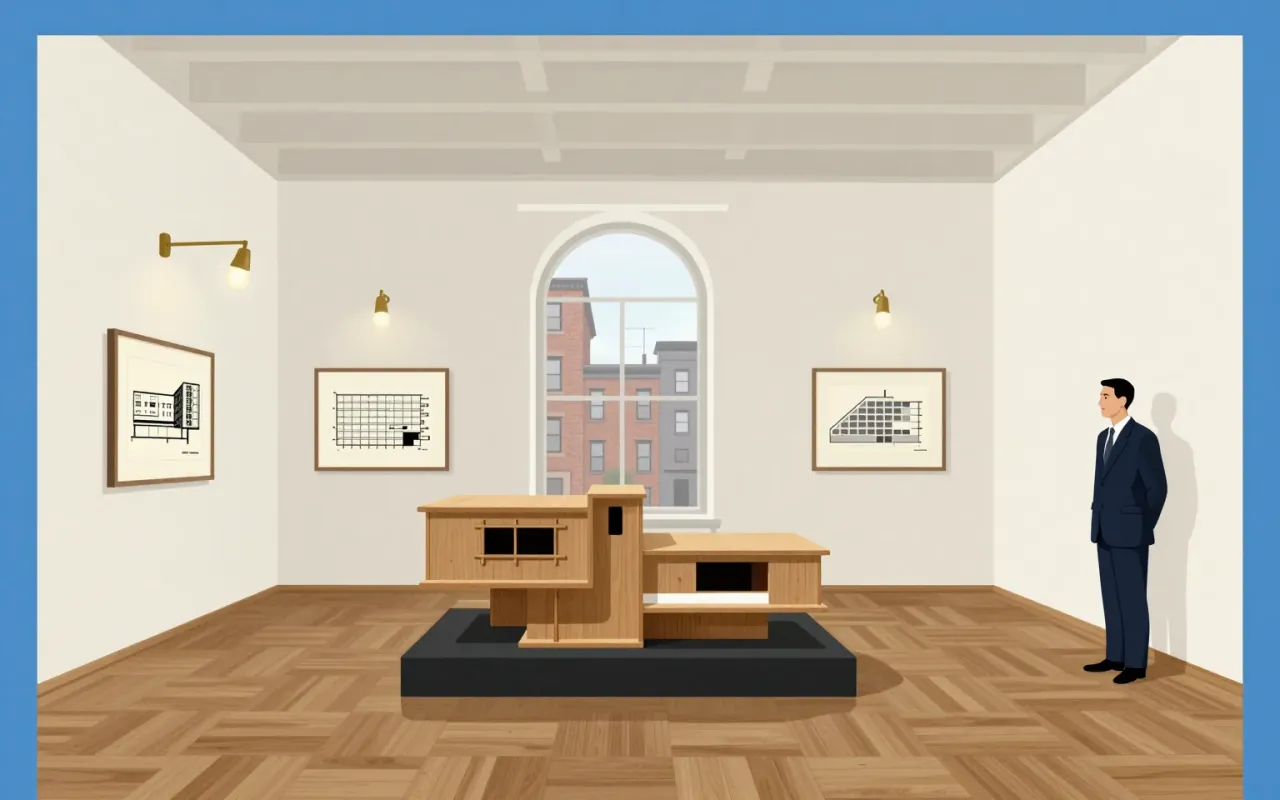
The International Style is a 1932 curatorial intervention — not a built reality. Hitchcock and Johnson selected, named, and framed a subset of European modernist work around three formal rules. Their MoMA exhibition granted it legitimacy while excluding contemporaneous alternatives like Art Deco and Expressionism. Its power lies in its editorial rigour — and its omissions.

Subject
Movement
Discipline
Architecture
Organisation
Museum of Modern Art
Writing
The International Style: Architecture Since 1922
Worth your time?

Yes. Study the whole thing.

4.5/ 5
What works
  • three formal principles
  • institutional framing
  • exhibition-as-theory
What does not
  • Art Deco
  • German Expressionism
  • organicism
Study it if
  • architects
  • curators
  • design historians
Skip it if
  • general public seeking visual inspiration
The design analysis1 min read

What the work is

The International Style is not a building or a built form. It is a 1932 conceptual framework: a curated selection, a set of three formal principles, and an institutional endorsement.

How it was made

Hitchcock and Johnson coined the term in 1932 to codify a 1920s European architectural movement using three formal principles. They defined it through a MoMA exhibition and its accompanying catalog.

What works

Its three principles — volume over mass, regularity over symmetry, no applied ornament — provided a clear, teachable grammar. Its MoMA platform gave that grammar authority and reach.

What does not

It does not represent all modernist architecture. It excludes Art Deco, German Expressionism, and organicism — styles actively present in the same period.

What it influenced

It established a template for how architectural movements are named, packaged, and legitimised institutionally — influencing decades of curatorial and academic framing.

Is it worth your time

Yes — it is the first major act of architectural curation-as-theory, and its exclusions are as revealing as its inclusions.

Same discipline · Architecture4 of 121
Up next in Design

IPhone

Jonathan Ive · 10:52

The iPhone wasn’t just new hardware — it rewrote the rules of interaction, platform, and market all at once.

10:52