
Diller Scofidio + Renfro
Diller Scofidio + Renfro is a New York design studio that works across architecture, the visual arts and the performing arts.


550 Madison Avenue is a postmodern skyscraper completed in 1982 by Philip Johnson and John Burgee. It uses pink Stony Creek granite cladding and features an eight-story arched entry and split pediment. It challenged modernist functionalism, complied with NYC zoning via an atrium, and reduced energy use versus glass towers. Though not the first postmodern building, its scale and location made it the movement’s most famous example. It was designated a NYC landmark in 2018.

The Cathedral of Brasília is a hyperboloid concrete-framed structure designed by Oscar Niemeyer and engineered by Joaquim Cardozo, featuring subterranean massing, symbolic column geometry, passive thermal design via a reflecting pool, a fiberglass outer roof, and a large suspended stained-glass composition. It specifies construction methods, dimensional and material properties, spatial sequencing (tunnel entry), and symbolic intent tied directly to structural form.




A suspended steel tower that replaced internal columns with external masts, prefabricated modules, and escalators—built at record cost to save a firm.



A diagrammatic map of London's rapid transit network, designed in 1931 by Harry Beck. It is not a geographic map. It is a navigational tool that reduces the network to connections, sequence, and interchange points.


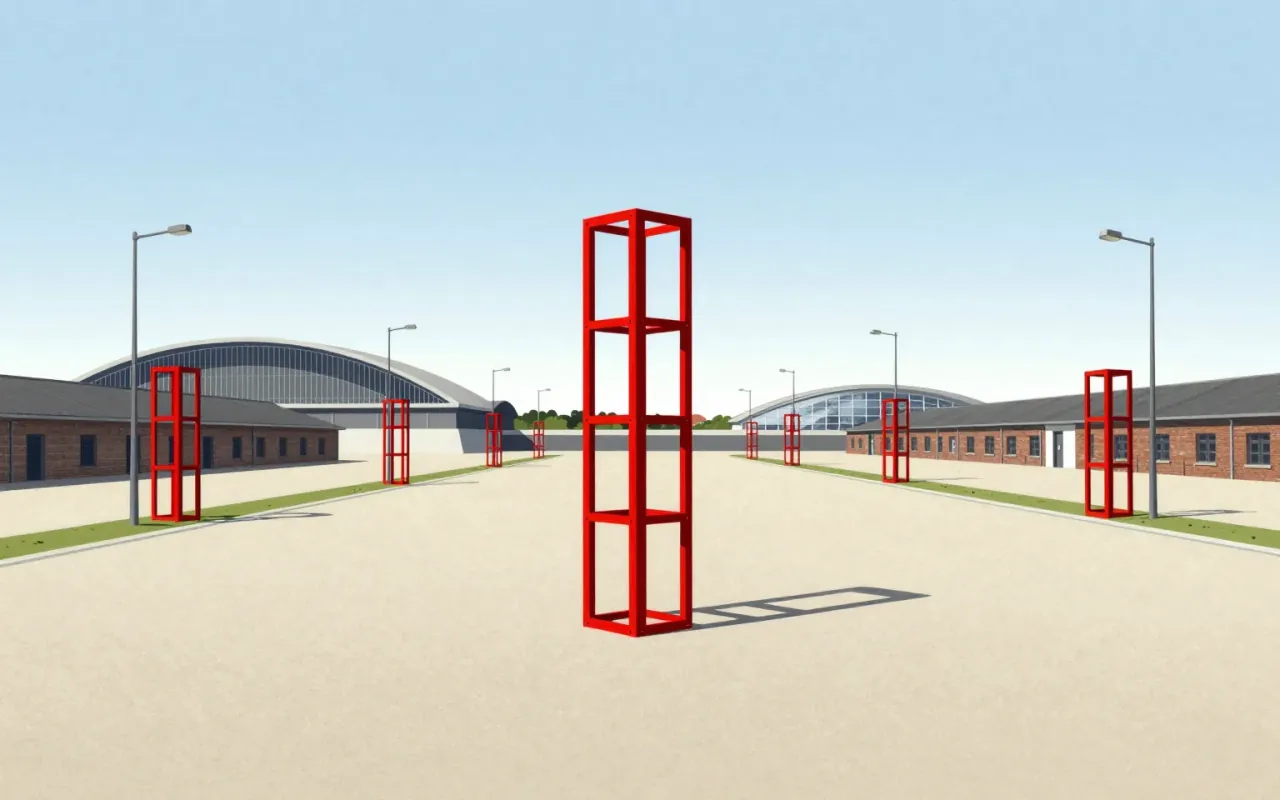

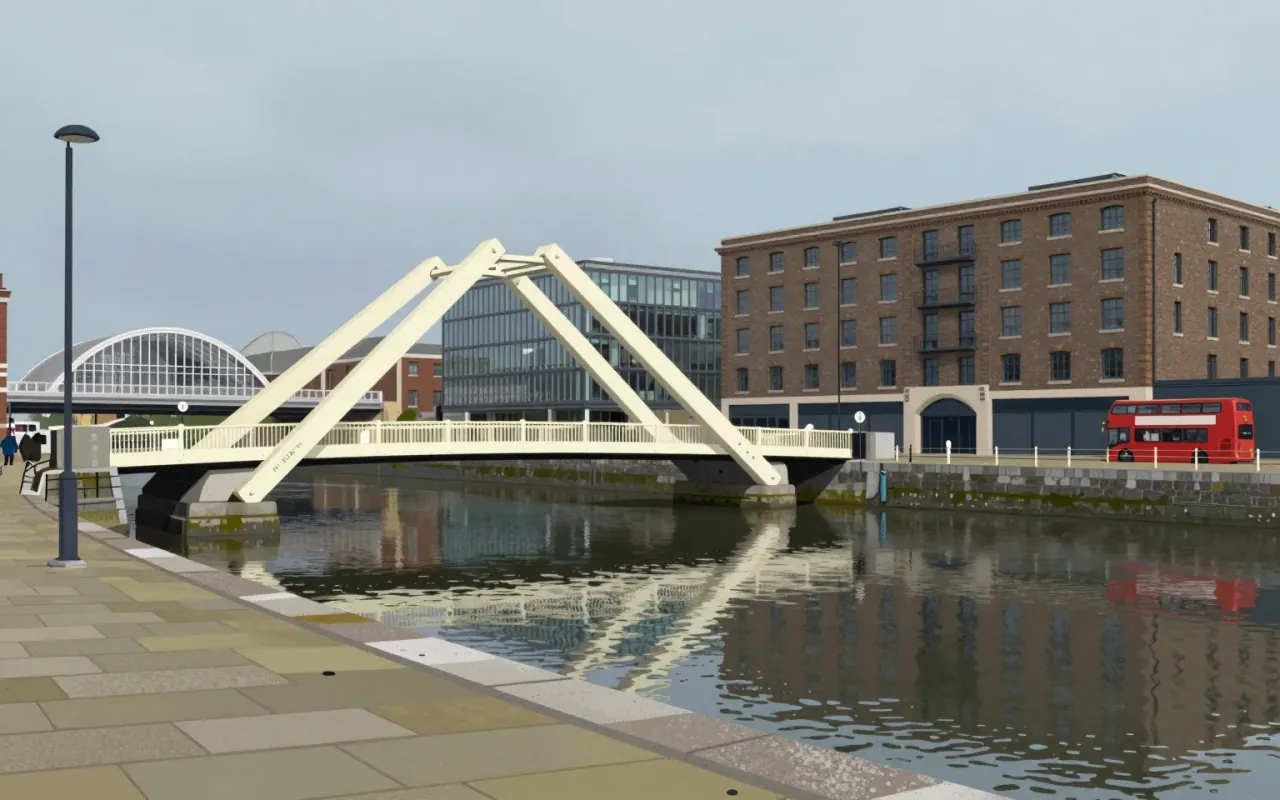

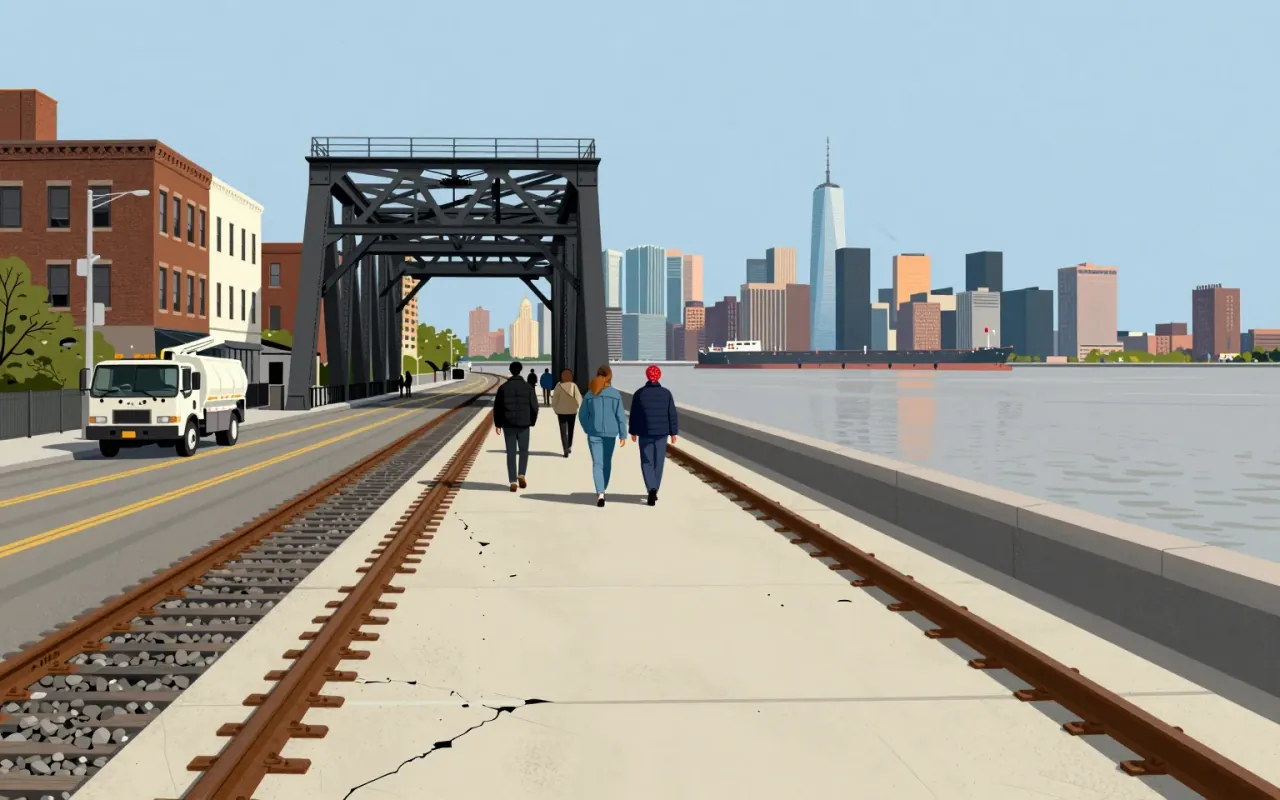




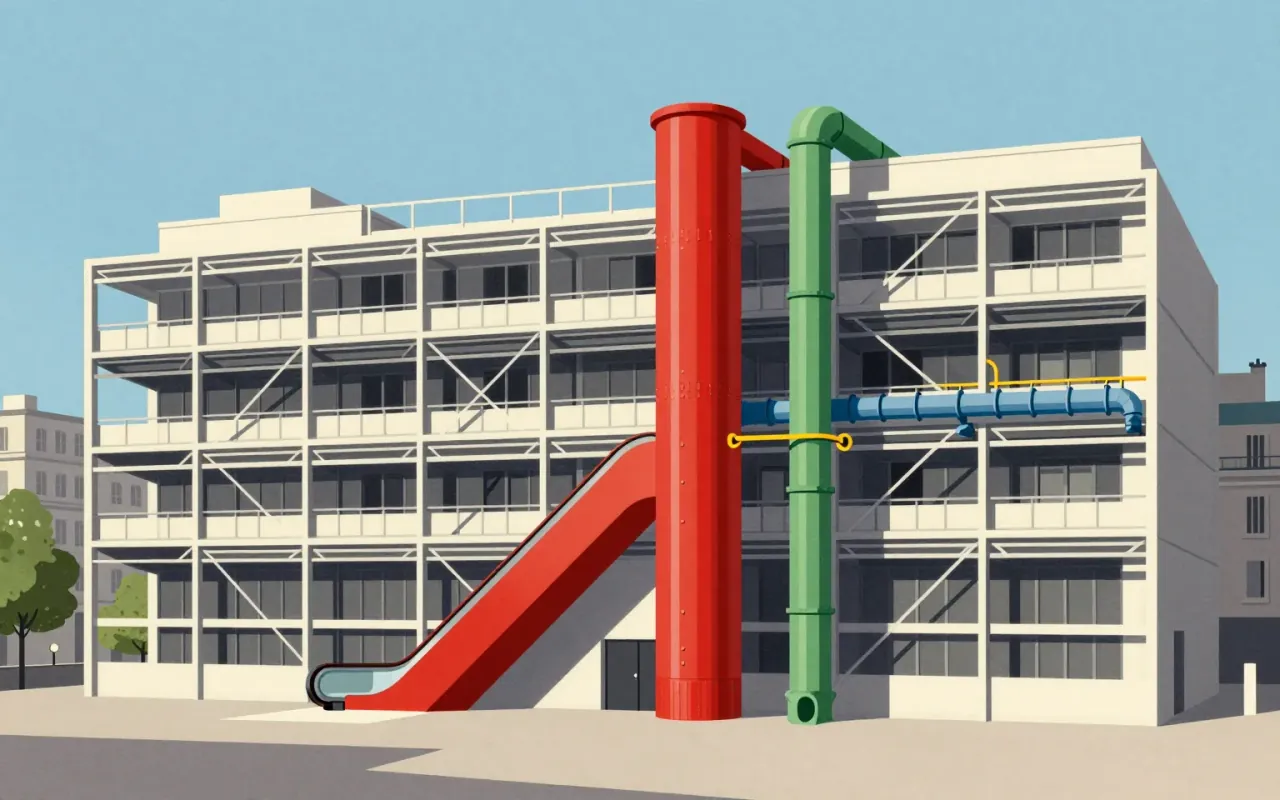
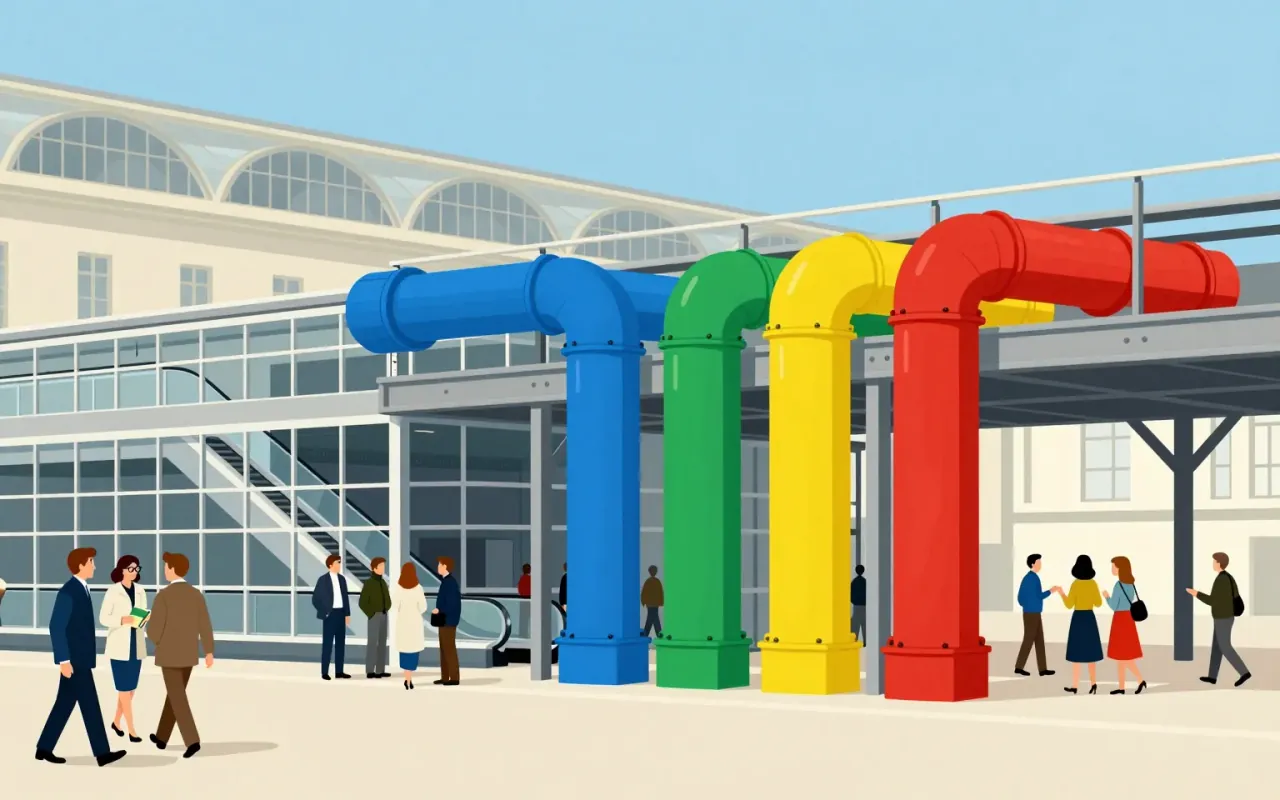
The Centre Pompidou is a 1977 building in Paris designed by Renzo Piano and Richard Rogers as a publicly accessible cultural 'town'. Its 'inside-out' strategy externalises and colour-codes structural, mechanical, and circulation systems. Green pipes carry water. Blue ducts manage climate. Yellow conduits house electricity. Red elements handle movement and safety. The design emerged from France’s first international architectural competition, judged by Niemeyer, Prouvé, and Johnson, and selected from 681 entries. It was intended for 8,000 daily visitors. In its first two decades, it attracted more than 145 million—over five times the projection. Its exposed systems improved interior space efficiency. Its stated aim was inclusivity: 'a place for all people – for the poor and rich, the young and old'.
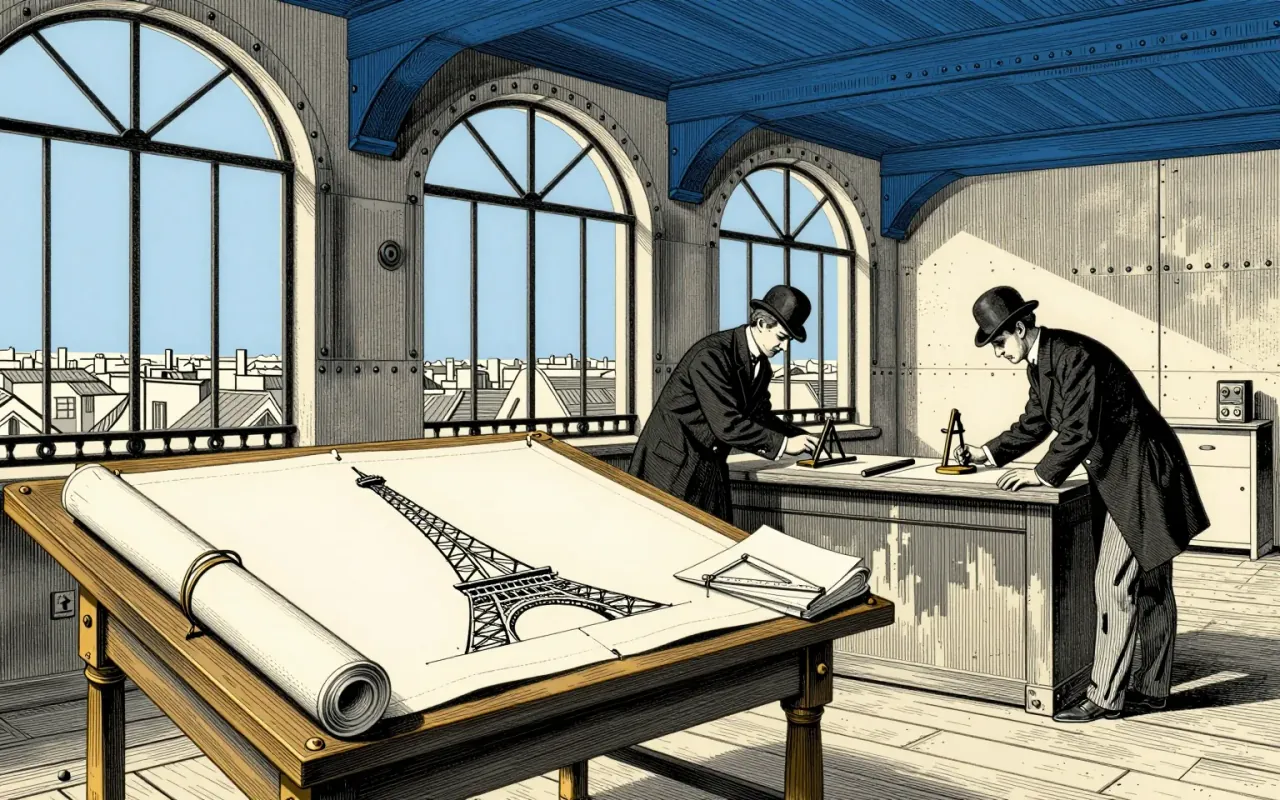
The Eiffel Tower is a feat of delegated authorship, procedural manipulation, and industrial discipline — not solitary genius.


The Golden Gate Bridge is a suspension bridge completed in 1937. Joseph Strauss served as chief engineer, but the suspension design came from Leon Moisseiff. Charles Ellis resolved site-specific structural conflicts. Strauss introduced movable safety netting. No verified claim attributes aesthetic, metallurgical, or wind-theory innovation to Strauss.

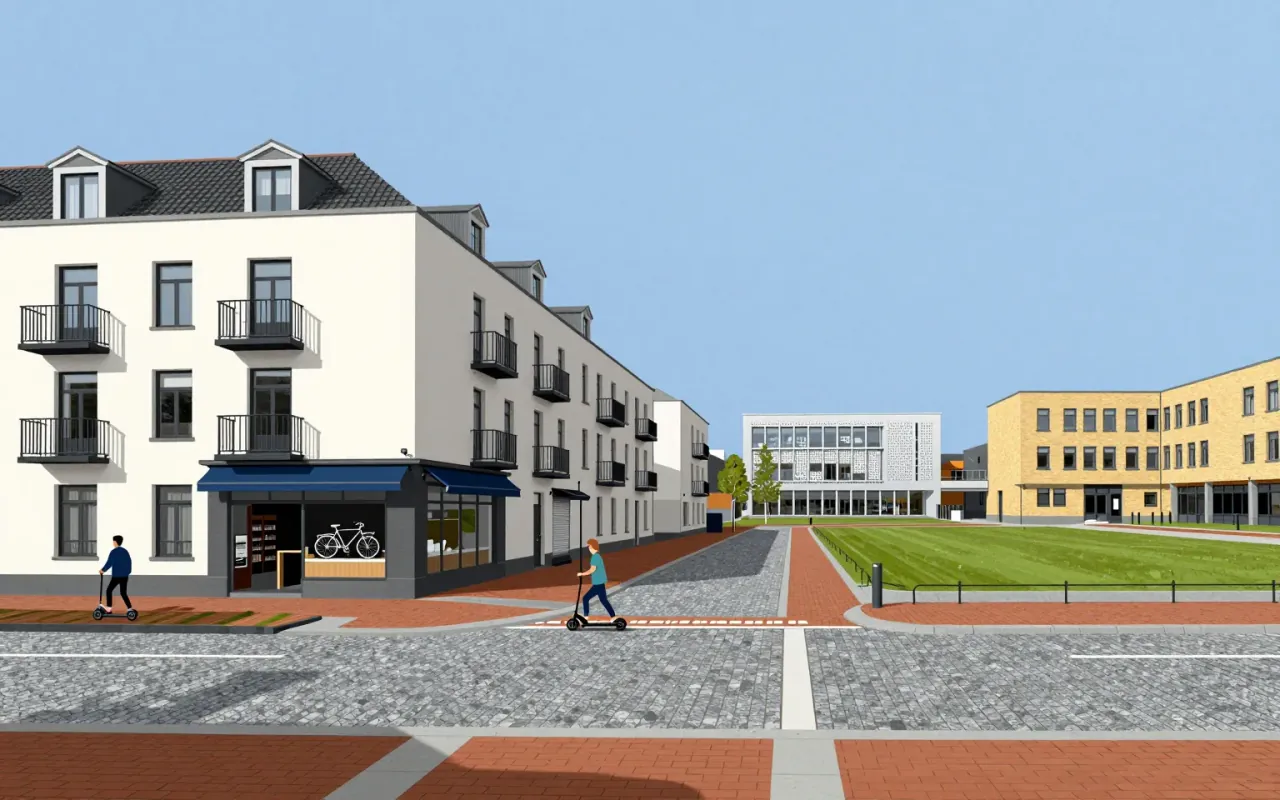



Adriano Olivetti’s work is a coherent, documented system of industrial organisation, spatial planning, and political theory — not a collection of iconic objects. Its strength lies in the linkage between departmental structure, worker housing, advertising partnerships, and published doctrine. Its limitation is that none of the celebrated products (Lettera 22, Programma 101, Valentine, Elea 9003) are attributed to him directly in the source material. The influence is structural, not stylistic.
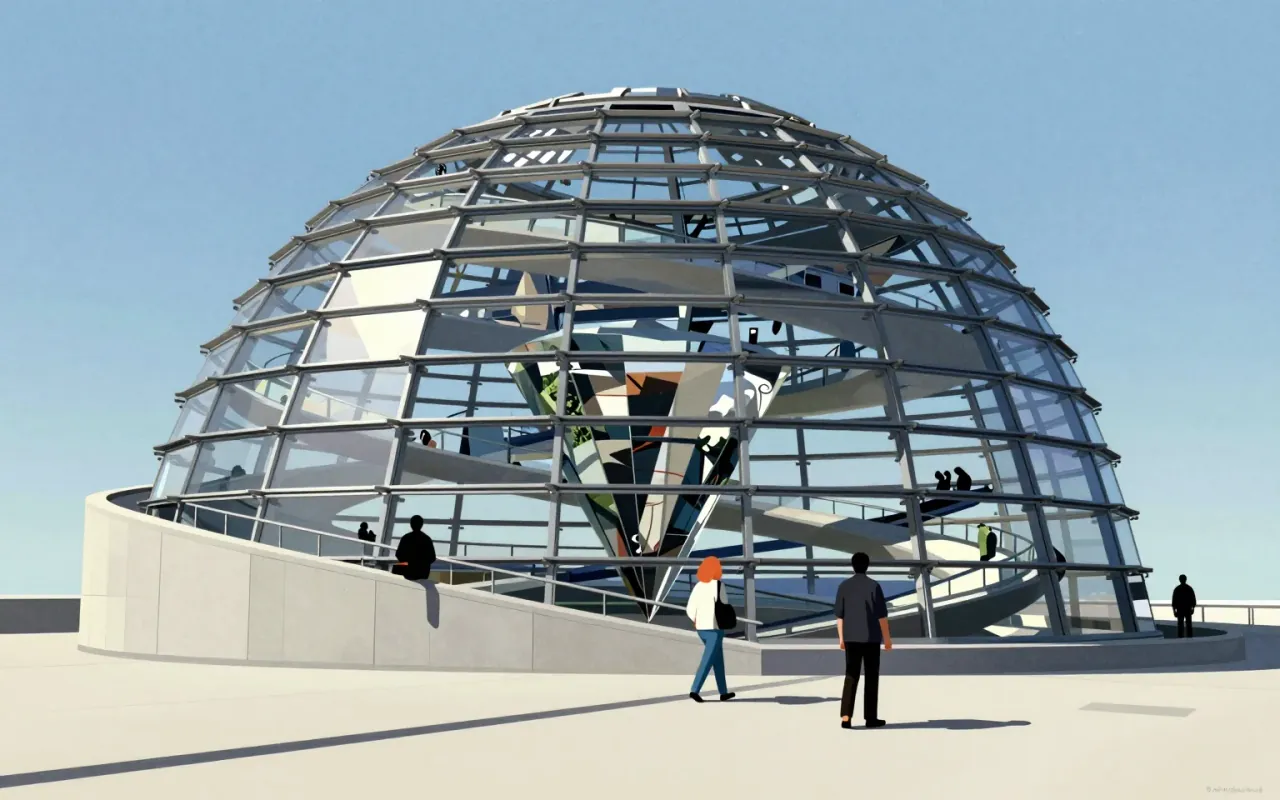
The Reichstag dome is a reconstructed glass structure on the Reichstag building in Berlin. Norman Foster designed it from Gottfried Böhm’s idea. Waagner-Biro built it. It features a mirrored cone, two steel spiral ramps, an electronically tracked sun shield, and daylight-driven energy efficiency. It provides a 360° view of Berlin. It makes the Bundestag chamber visible from above. It symbolises German reunification and democratic transparency.

Rockefeller Center is not a building but a coordination protocol disguised as architecture.
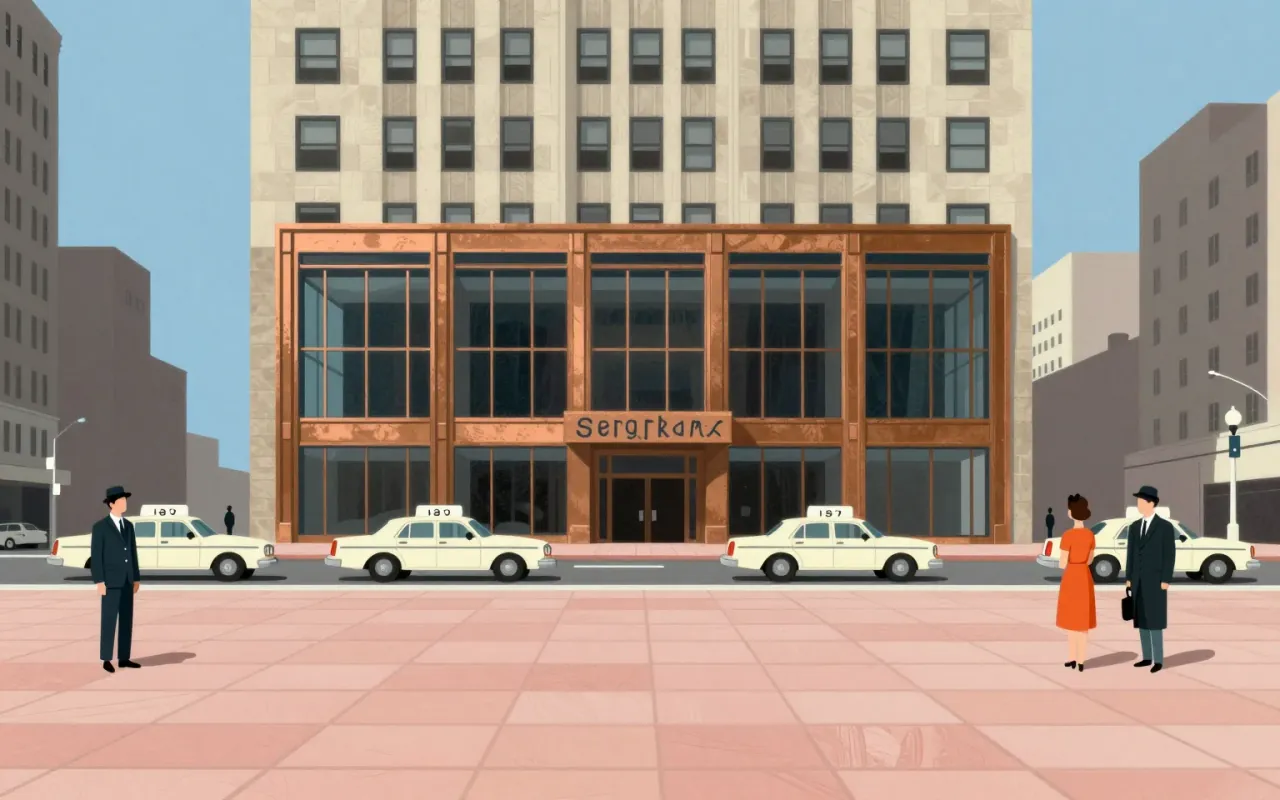
The Seagram Building is a methodologically rigorous application of International Style principles — sited, tested, and materialised with explicit constraints and innovations. Its influence is unverified. Its success lies in its documented departures: from structural facade integration, from NYC window conventions, and from untested corporate monumentality.