What the work is
A body of landscape architecture practice defined by four design concepts: native tropical vegetation as structure, rupture of symmetry, colourful pavements, and free-form water features.
How it was made
He studied plants in situ at Guaratiba, building a garden, nursery and tropical plant collection. He transferred graphic design, tapestry and folk art into landscape form. He used native tropical vegetation structurally, broke symmetry, coloured pavements vividly, and shaped water freely. He grounded design in ecological observation—including plant-animal interactions and phenology.
What works
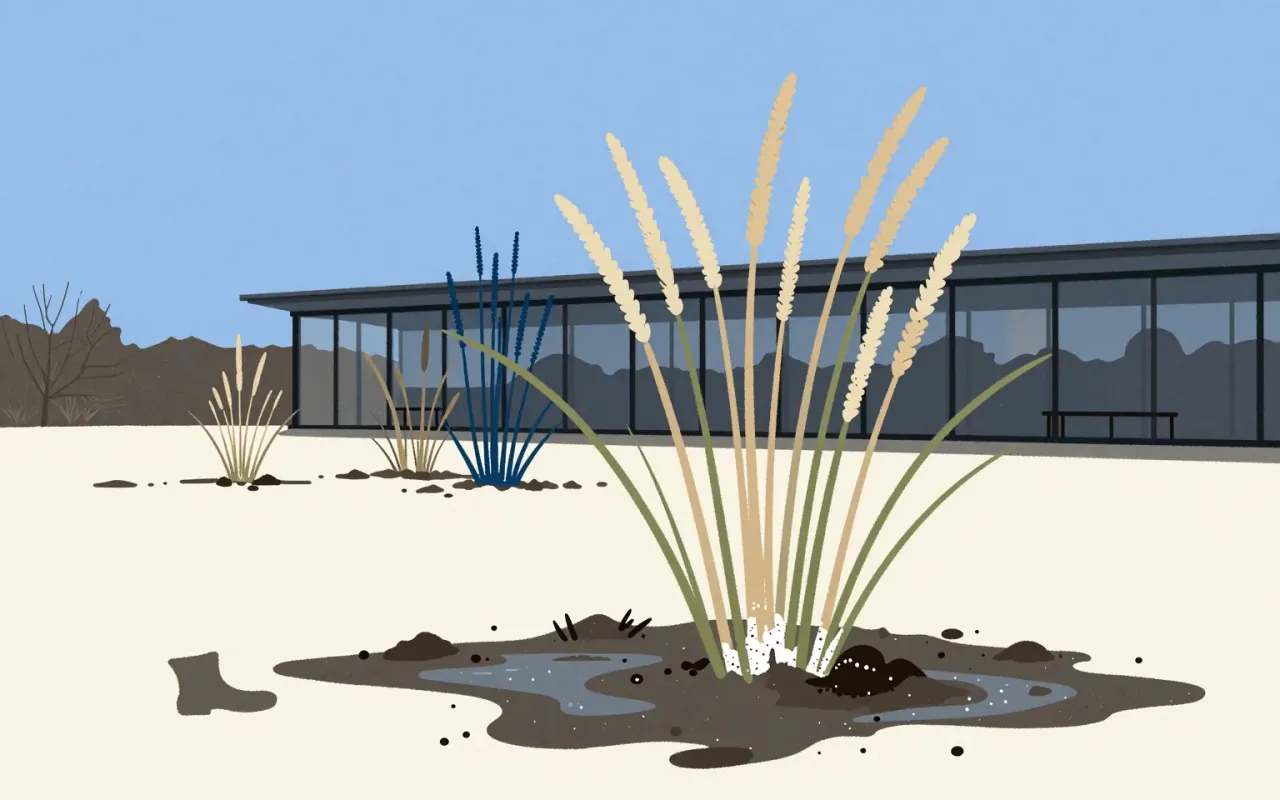
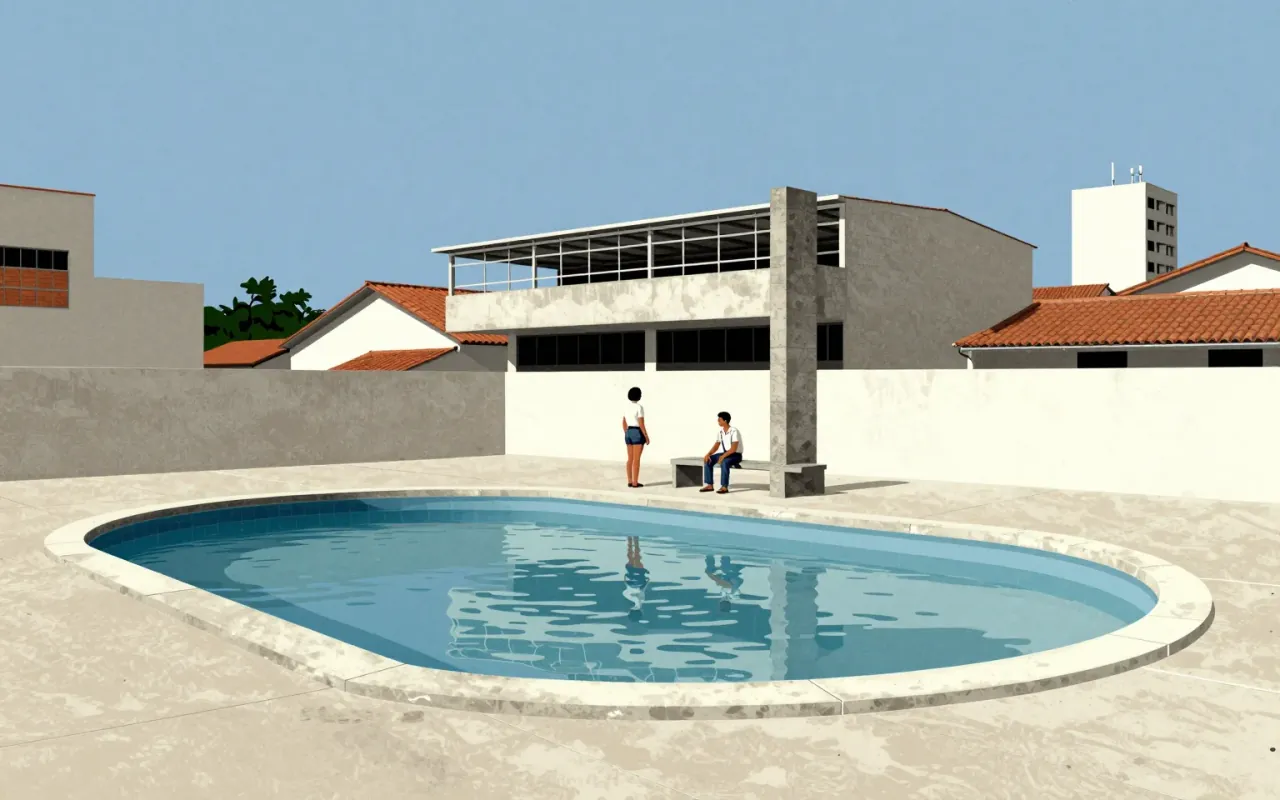
Using native plants as structural elements works because it grounds design in observed ecology—not just aesthetics. Breaking symmetry and freeing water forms works because it rejects colonial formalism without abandoning order. Transferring graphic and folk motifs into land works because it treats landscape as a medium for cultural expression, not just horticulture.
What does not
The sources do not establish any built project, client, date, site name, material specification, budget, scale, or construction technique. No individual commission is named. No critique of specific works is given. No failure, limitation or controversy is documented.
What it influenced
His work influenced tropical garden design across the 20th century. It established modernist landscape architecture in Brazil. It advanced early rainforest conservation advocacy.
Is it worth your time
Yes—if you are designing in or for the tropics, or rethinking how ecology informs spatial form. His methods remain actionable; his reputation does not substitute for reading his constraints.