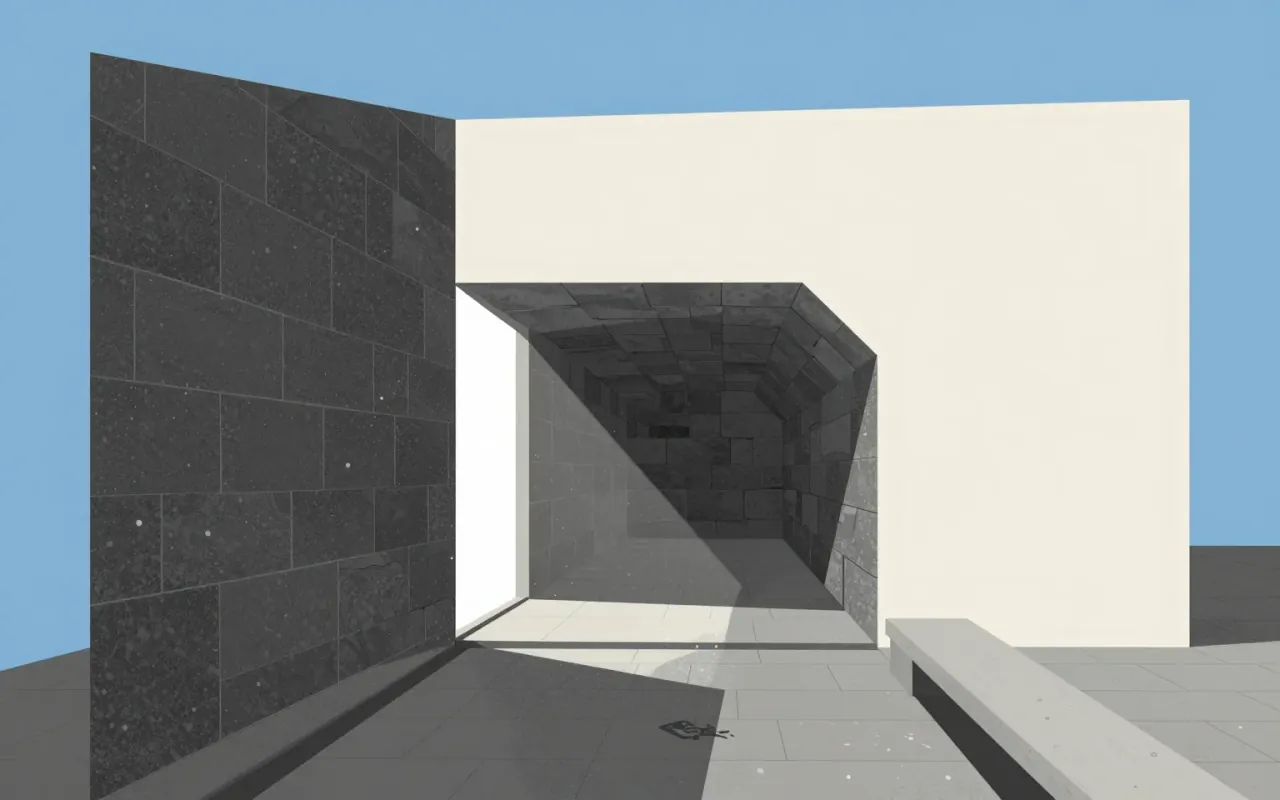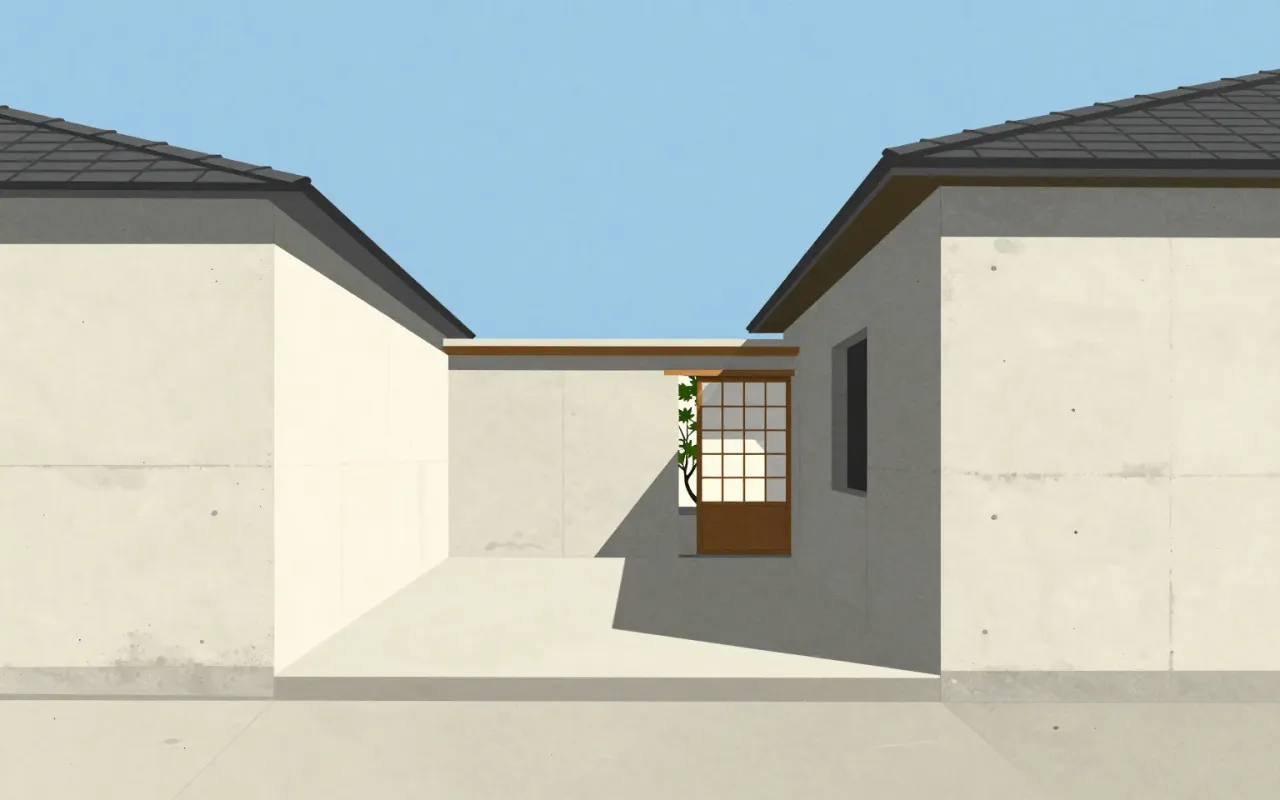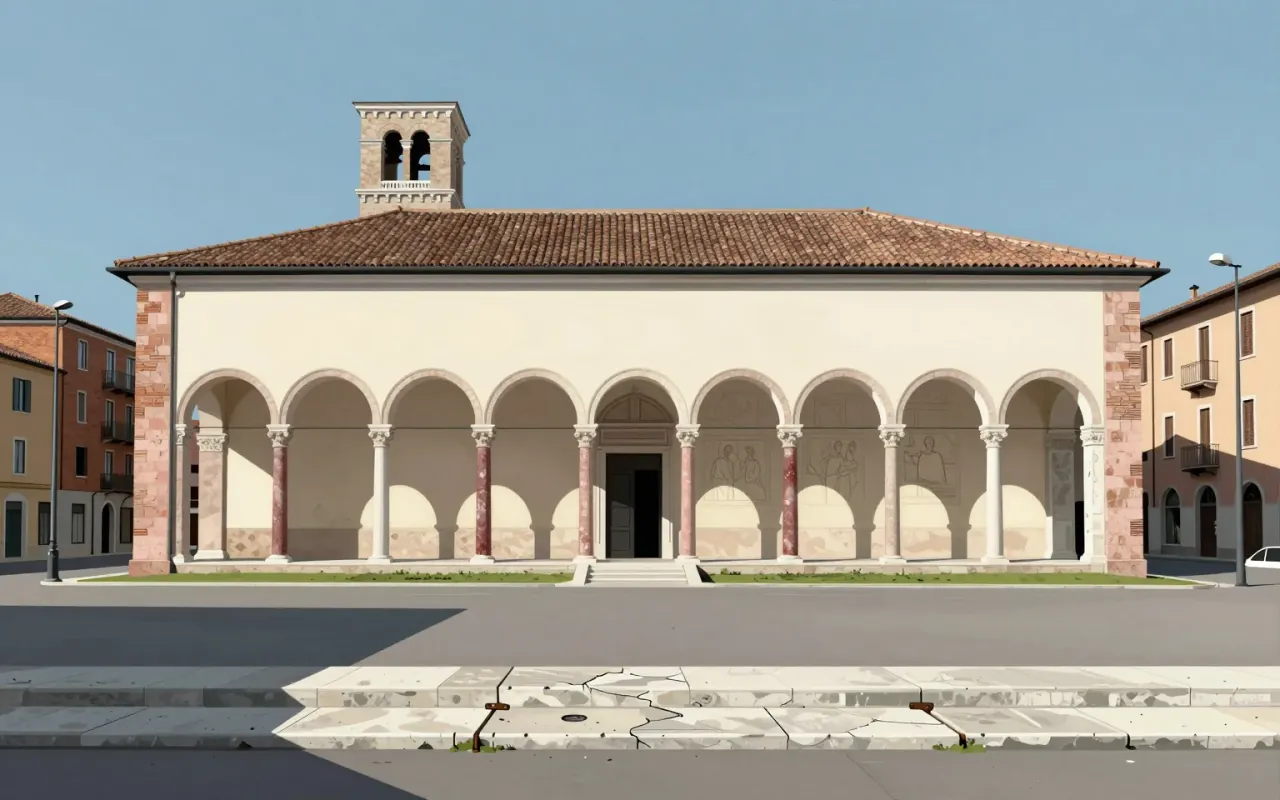
Afra and Tobia Scarpa
Material obsession over style: their work answers 'what can this do?' before 'what should it look like?'
Every era is named after one, which should be a clue.


The Moka Express is a functional industrial object defined by constraint: it delivers espresso-style coffee without electricity, pumps, or bar pressure. Its success lies in aluminium’s lightness and manufacturability, its vertical stack’s thermodynamic inevitability, and its tolerance for user inconsistency. Its flaw — the strombolian phase — is inseparable from its mechanism. It is influential not because it is perfect, but because it is sufficient.

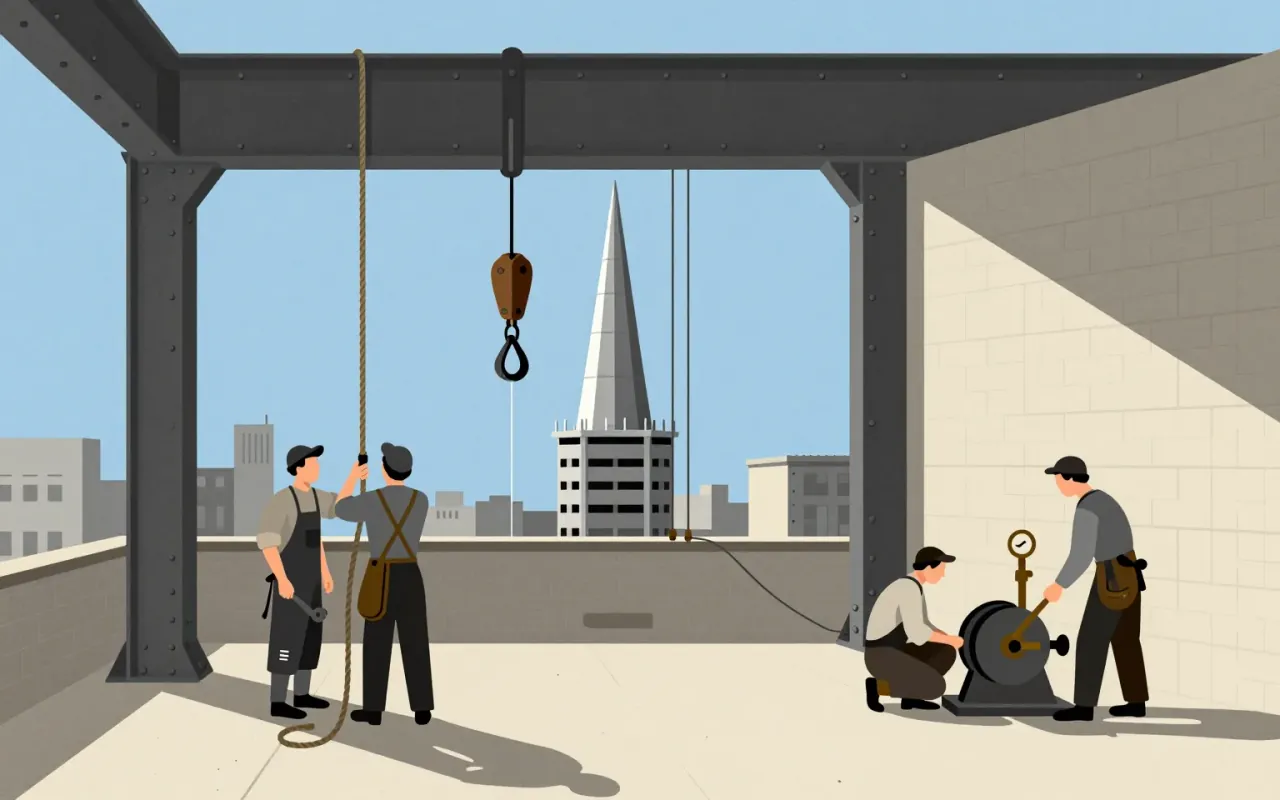
The Chrysler Building is a 1,046-foot-tall steel-framed brick skyscraper in New York City, designed by William Van Alen in the Art Deco style and completed in 1930. Van Alen used Nirosta stainless steel—the first such use in an American project—as an integral design element. He secretly built a 125-foot spire inside the frame and assembled it in 90 minutes on October 23, 1929. The building served as a real-world test site for stainless steel durability, with formal inspections every five years from 1929 to 1960. It became the world’s tallest building for 11 months and remains the tallest steel-framed brick building in the world. Critics responded with mixed reactions—including praise for Van Alen personally and criticism of the building as superficial and lacking serious design significance.
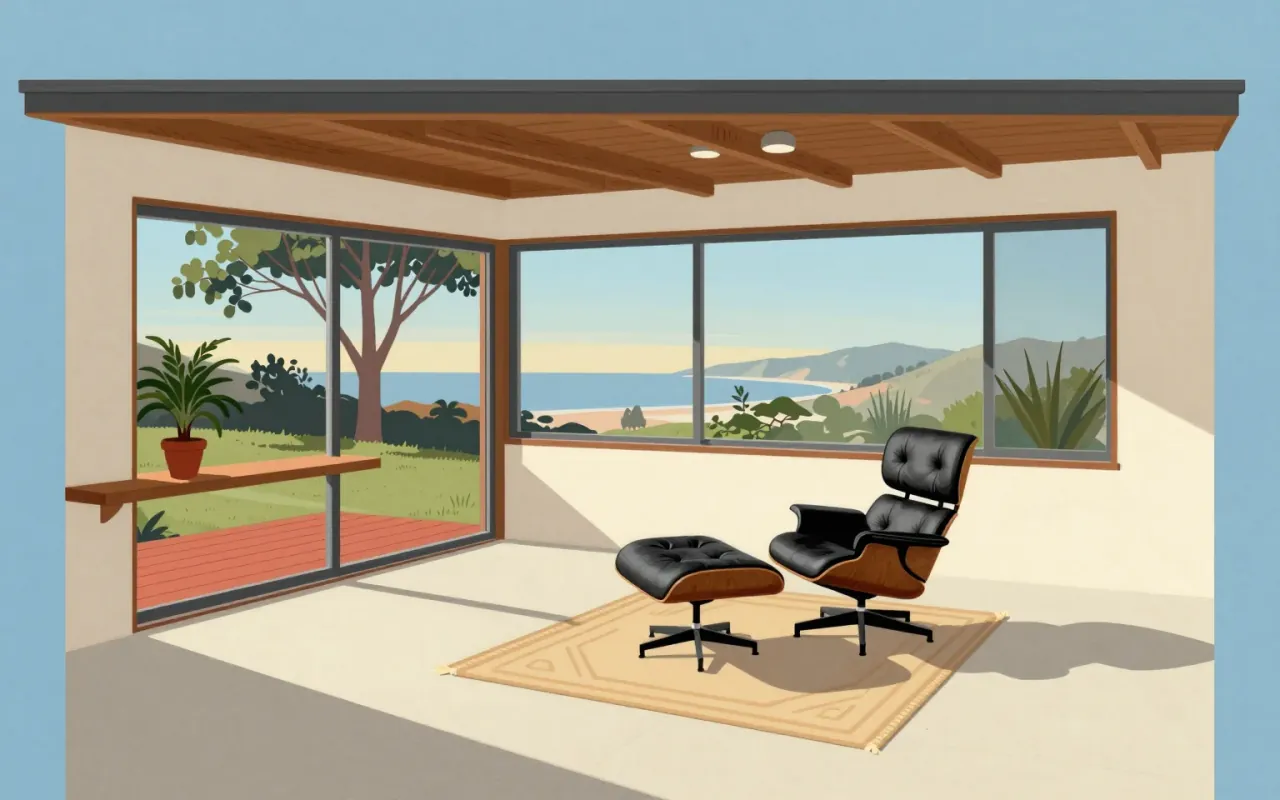
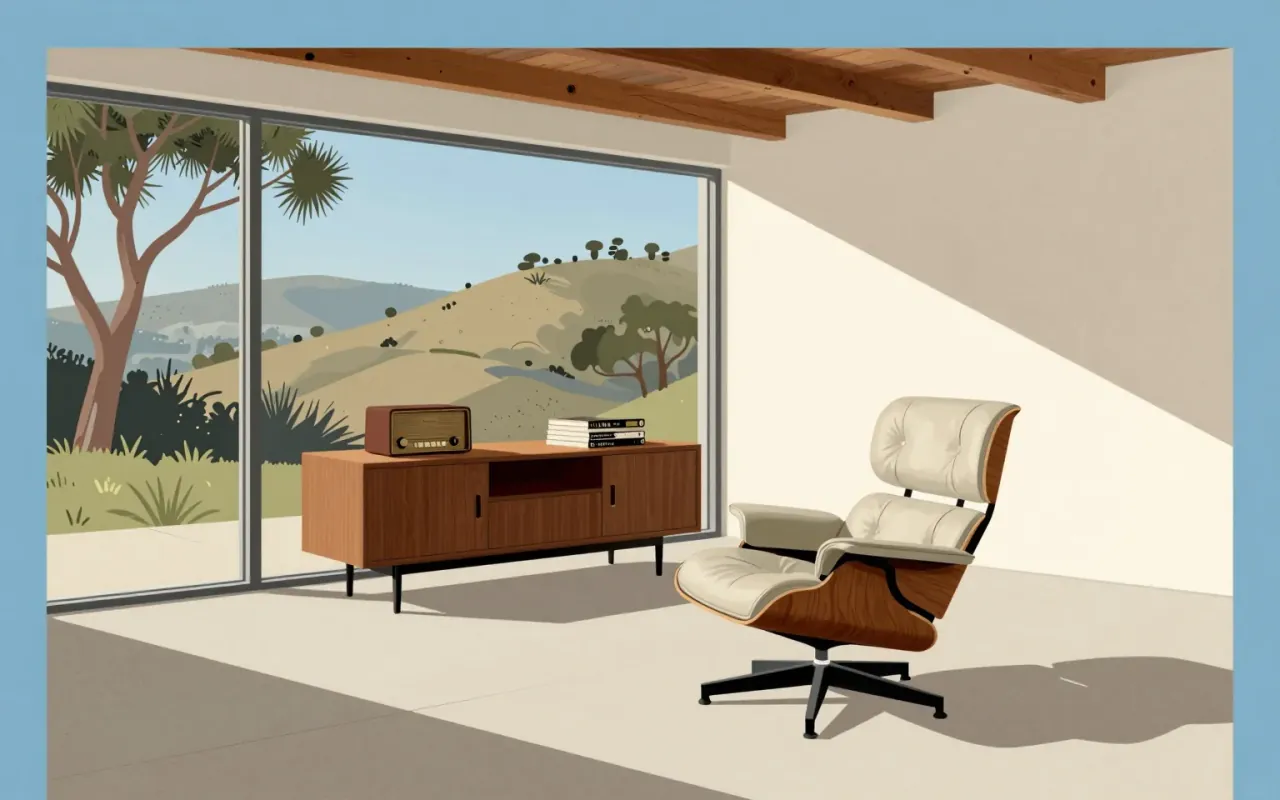
A high-end lounge chair and ottoman introduced in 1956 by Herman Miller, designed by Charles and Ray Eames, composed of three veneered molded plywood shells and leather-upholstered cushioning.


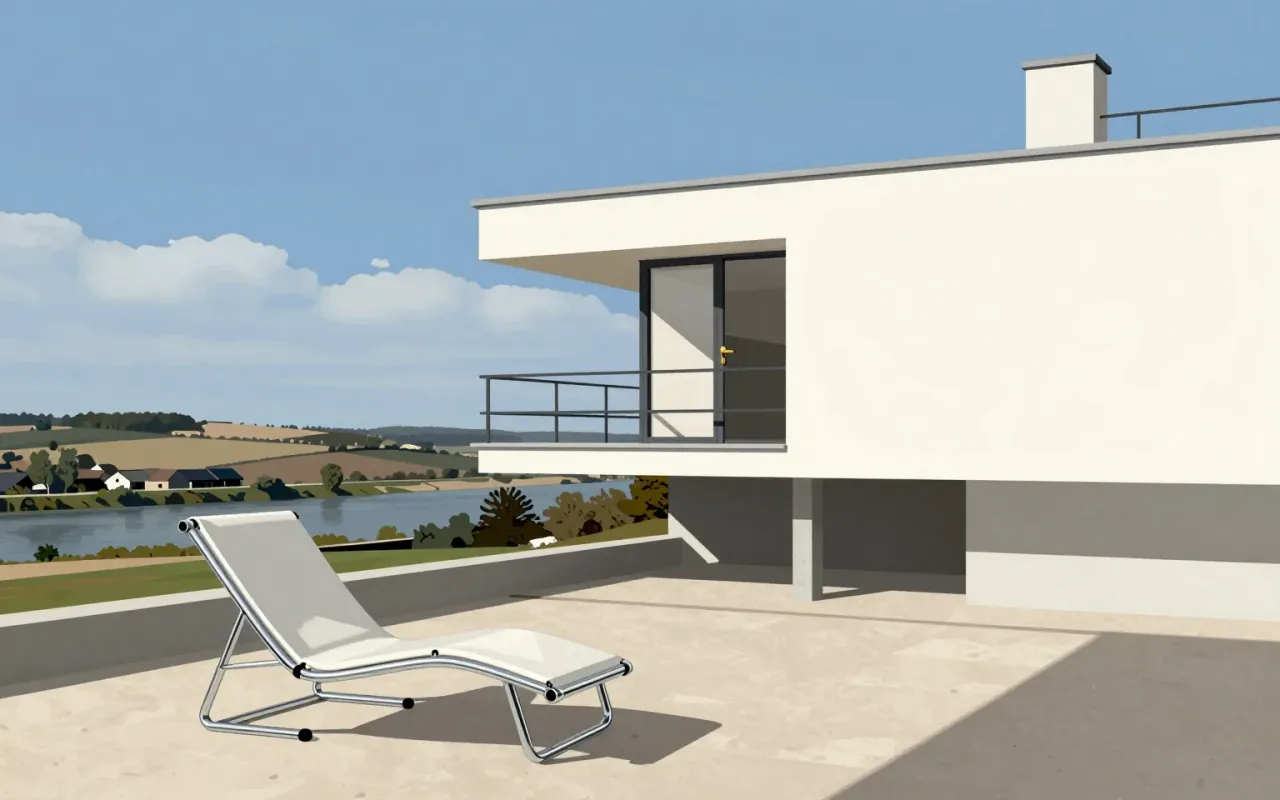
Fallingwater is a weekend retreat built over a 20-foot waterfall on Bear Run in Stewart Township, southwestern Pennsylvania. Designed by Frank Lloyd Wright for Edgar J. Kaufmann Sr. and Liliane Kaufmann, it uses exposed cantilevers, sandstone verticals, and concrete horizontals. Its 30° counterclockwise orientation ensures natural light in all rooms. Wright insisted occupants live *with* the waterfall — not look at it — using identical materials inside and out to dissolve boundaries. Trees were preserved via adaptive detailing. The design was judged unsound by Kaufmann’s engineers; the contractor secretly reinforced concrete elements. Structural vulnerabilities confirmed in 1994 led to steel supports and post-tensioning by 2002. At $155,000, it was one of Wright’s most expensive commissions.



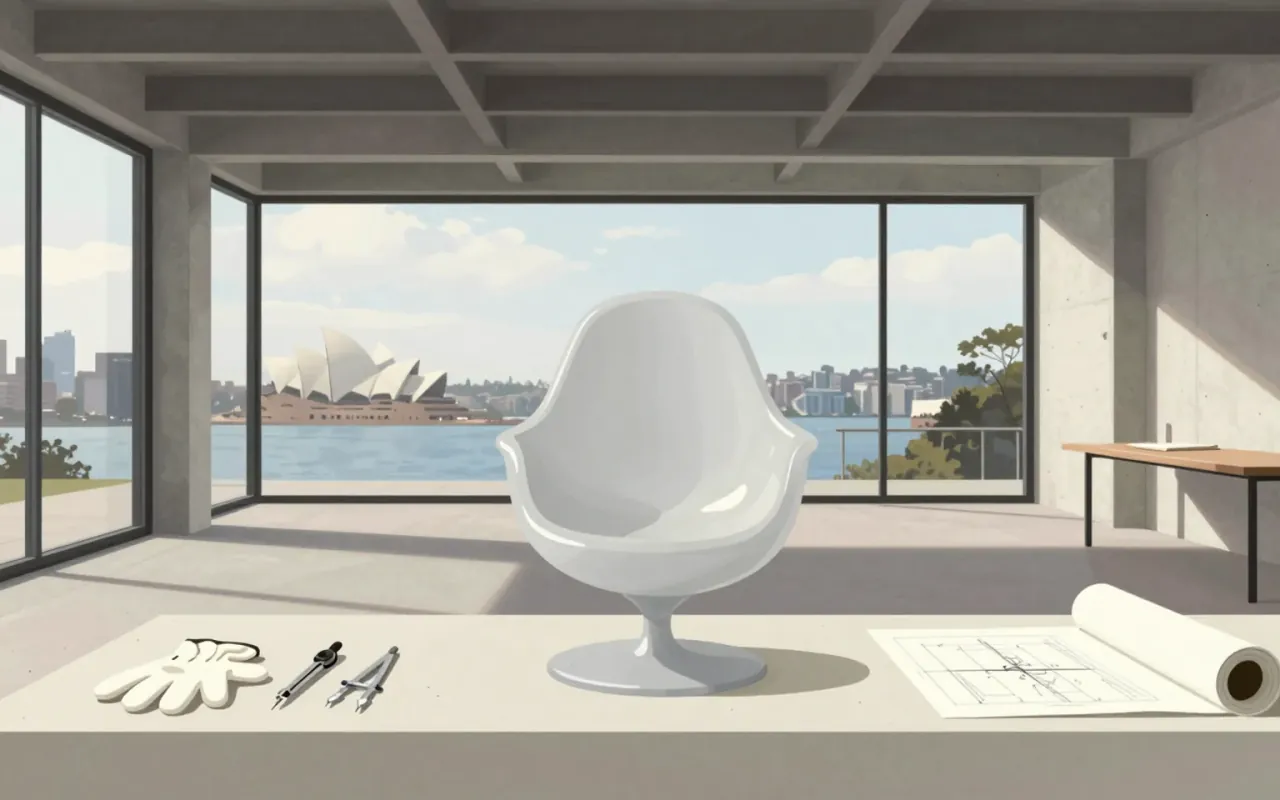

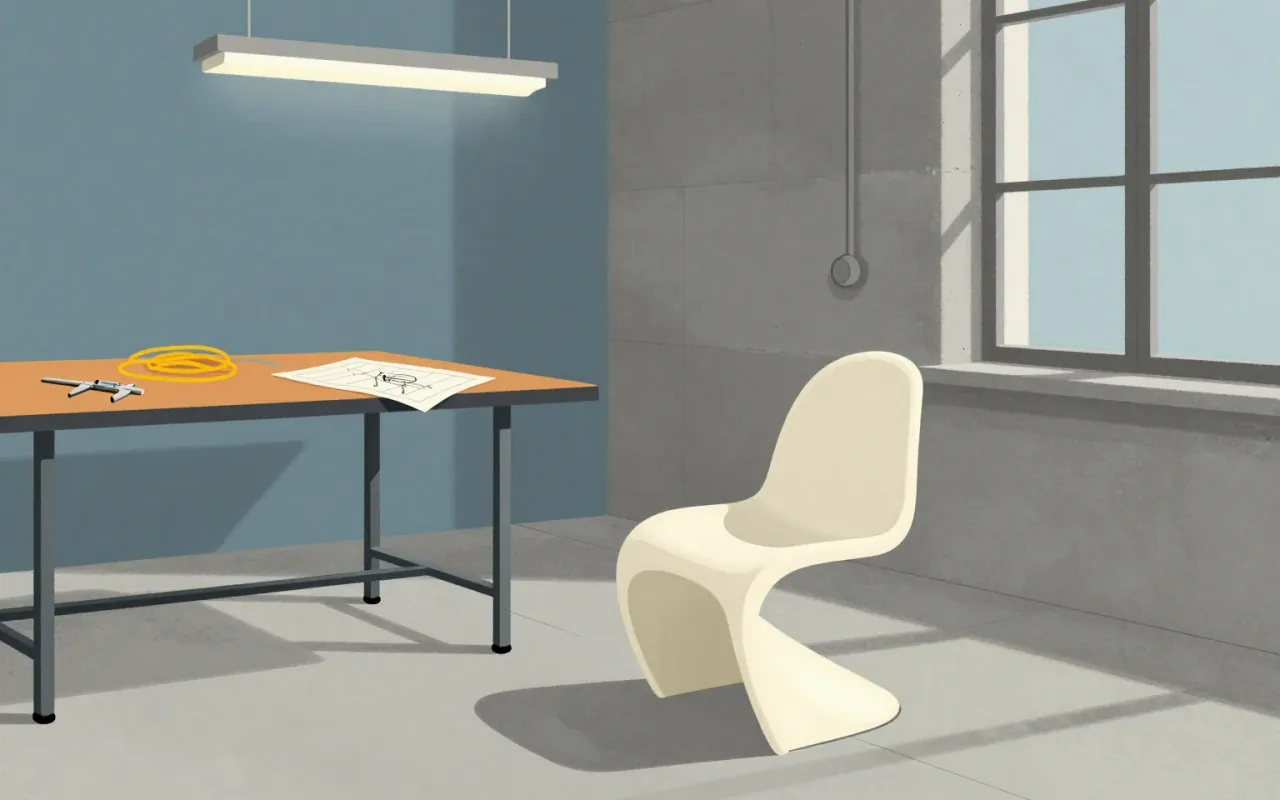
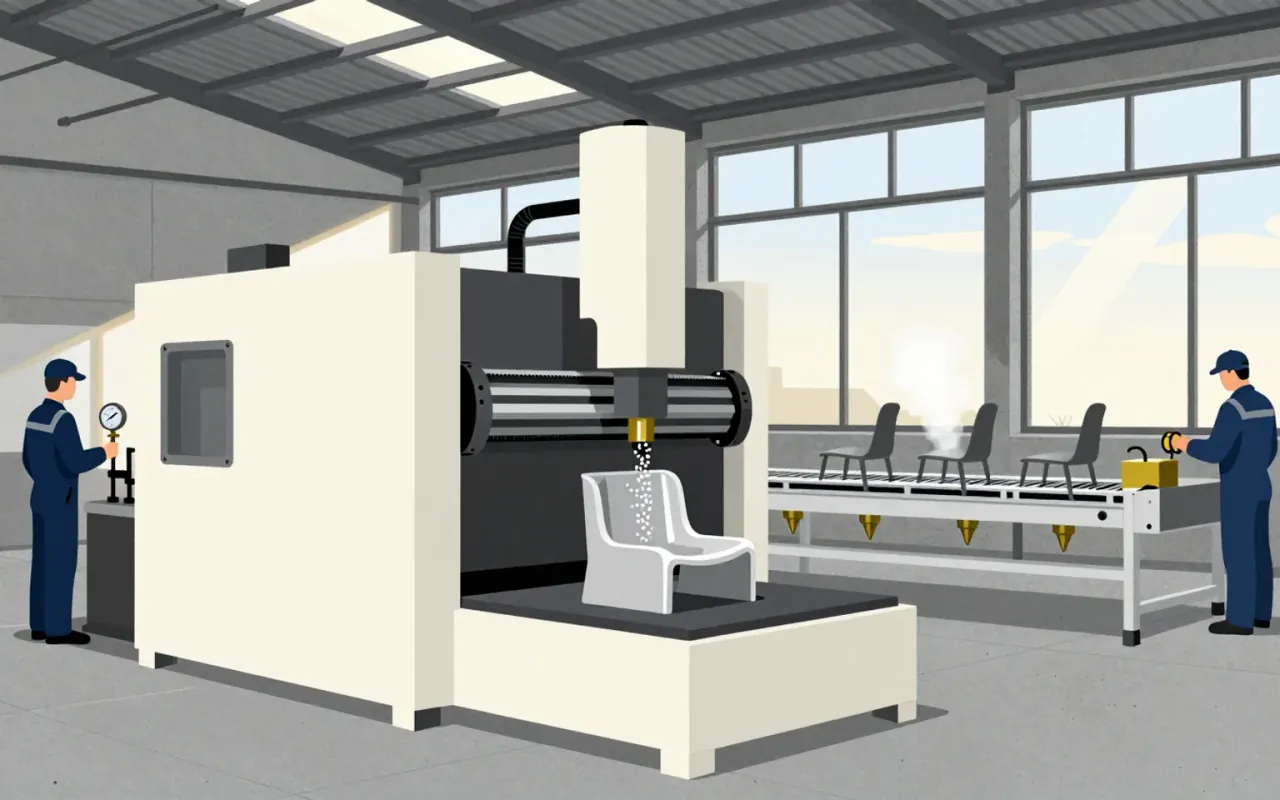
The Panton Chair is the world’s first single-piece moulded plastic chair — a continuous S-shaped shell with no legs, no joints, no assembly. Designed by Verner Panton in the 1960s, it emerged from iterative prototyping in plaster and fibreglass-reinforced polyester, then scaled via thermoplastic polystyrene injection moulding. Its success lies in resolving stackability, cantilever, and monolithic form — but its fixed geometry sacrifices adaptability and long-term durability. It proved plastic could carry structure and identity at scale, influencing decades of industrial seating. It is worth your time: not as a relic, but as a decisive answer to a tight set of material and manufacturing constraints.