designbriefs
Industrial · Furniture

Anna Castelli Ferrieri

Plastic wasn’t just new material—it was a new grammar for furniture, and she wrote the first sentences.

Anna Castelli Ferrieri’s work redefined furniture through plastic’s logic—not as a substitute for traditional materials but as a system of production, form, and finish. Her designs answered the constraint of industrial repeatability with clarity, consistency, and colour. They gave up joinery, grain, texture, and craft narrative to gain scalability, hygiene, and visual cohesion. The Componibili endures because it solves stacking, storage, and mobility in one gesture—not because it is ‘iconic’.

Subject
Designer
Worth your time?

Yes. Study the whole thing.

4.5/ 5
What works
  • Componibili’s functional longevity
  • single-mould chair’s formal resolution
  • plastic’s elevation from utilitarian to aesthetic medium
What does not
  • ergonomics
  • environmental impact
  • manufacturing cost
  • user criticism
Study it if
  • industrial designers
  • product historians
  • material researchers
Skip it if
  • graphic designers
  • architects
  • digital interaction designers
The design analysis1 min read

What the work is

A body of industrial furniture design defined by injection-moulded plastic objects—including the first single-mould chair (1968), the Componibili modular storage system (1969), the first fully injection-moulded plastic table (1982), and a marbleized plastic arm lounge chair (1988).

How it was made

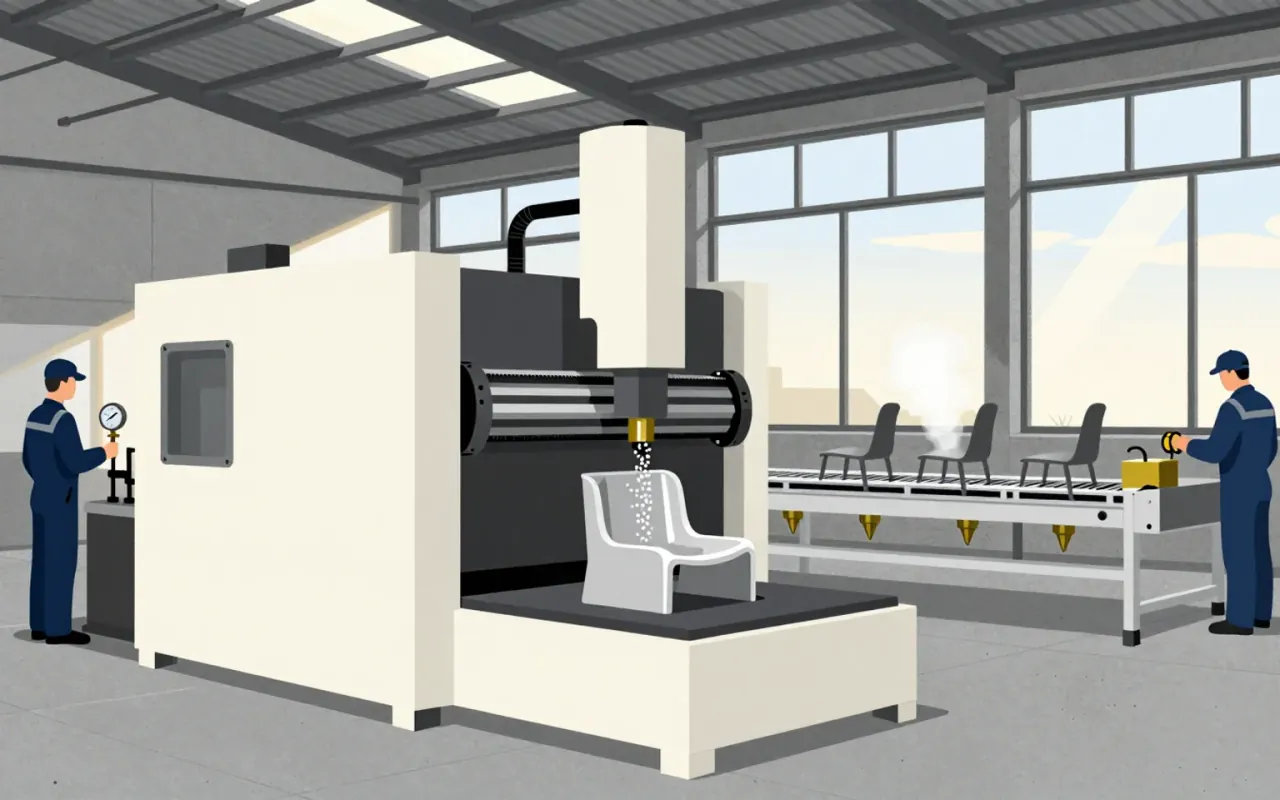
Anna Castelli Ferrieri used injection moulding to produce furniture in single, seamless pieces—first with a chair in 1968, then Componibili units in 1969, a fully plastic table in 1982, and a marbleized plastic arm lounge chair in 1988.

What works

Componibili units are flexible, functional, and practical—and remain among Kartell’s best-selling items decades after launch.

What does not

The sources do not establish any failure, limitation, or criticism of her work. No claims are made about ergonomics, durability, cost, scale limits, user reception beyond sales, or environmental impact.

What it influenced

She influenced the adoption of plastics as a mainstream design material and established Kartell’s foundational aesthetic: geometric shapes, bold colour, and highly polished finishes.

Is it worth your time

Yes. Her work demonstrates how material constraint—plastic’s fluidity and repeatability—can generate enduring functional forms without ornament or compromise.
Same discipline · Industrial4 of 65
Up next in Design

Arco (lamp)

Achille & Pier Giacomo Castiglioni · 1962 · 1:44

A marble base, a steel arch and a suspended reflector make the Arco's structure the subject.

1:44