What the work is
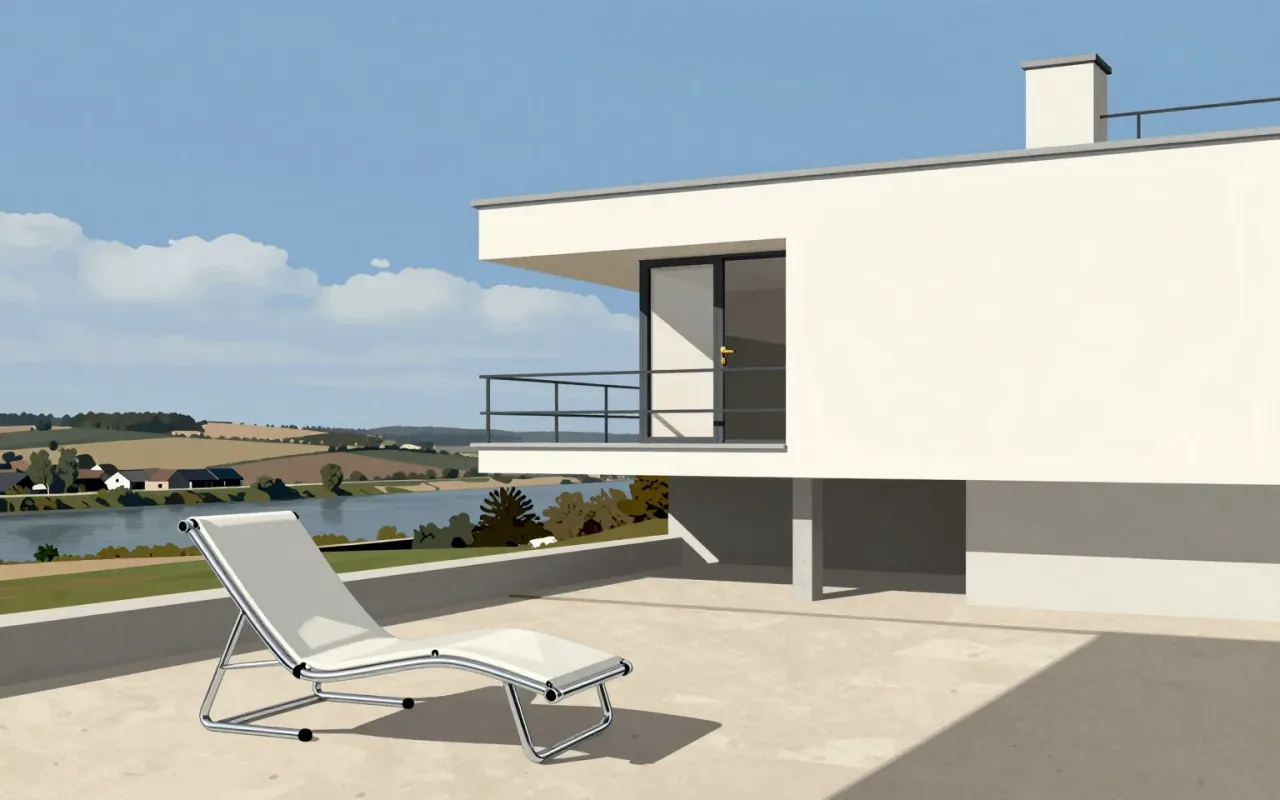
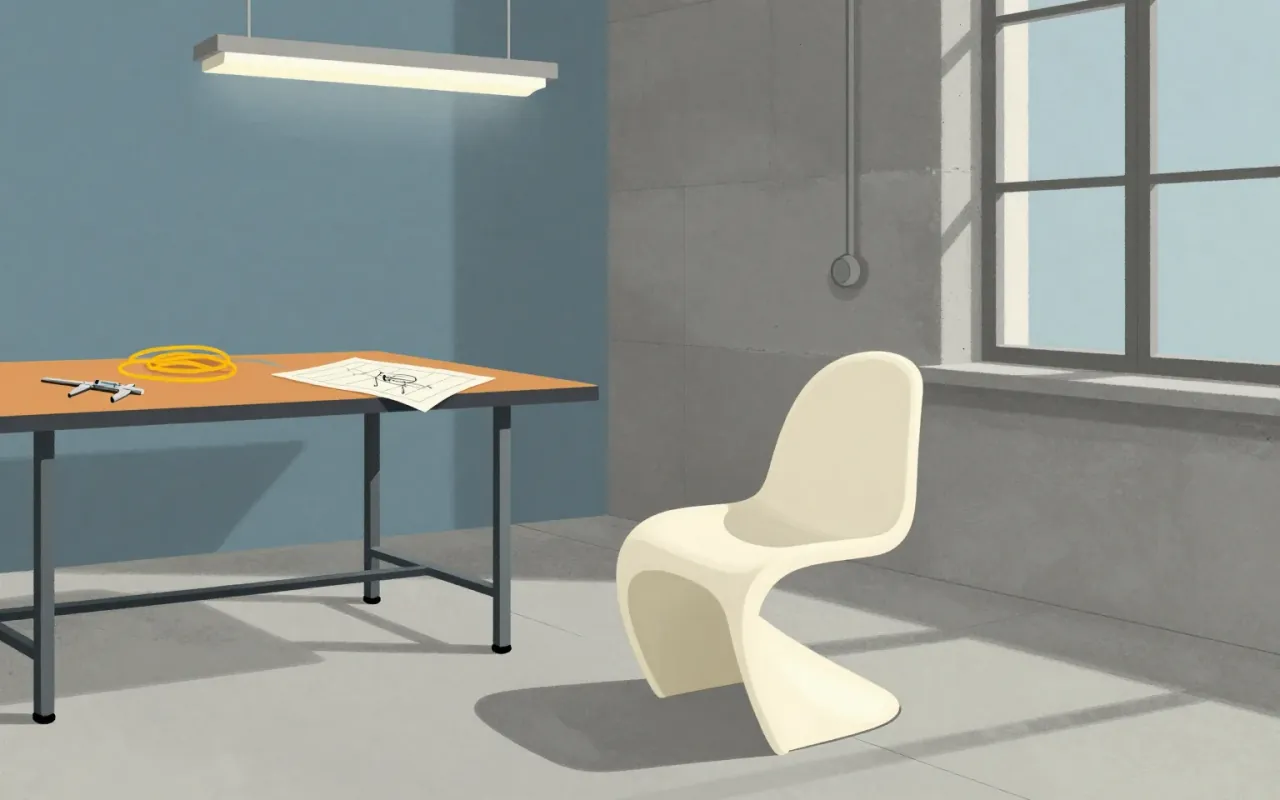
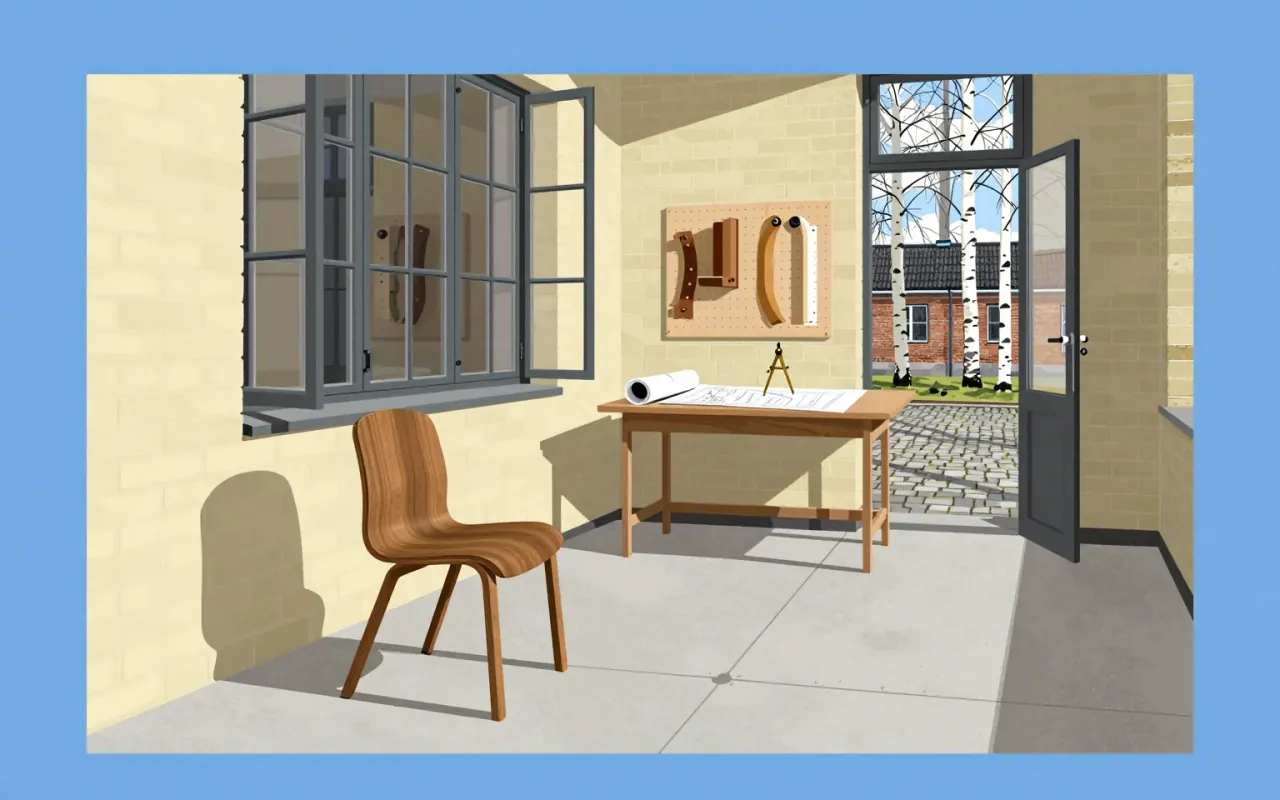
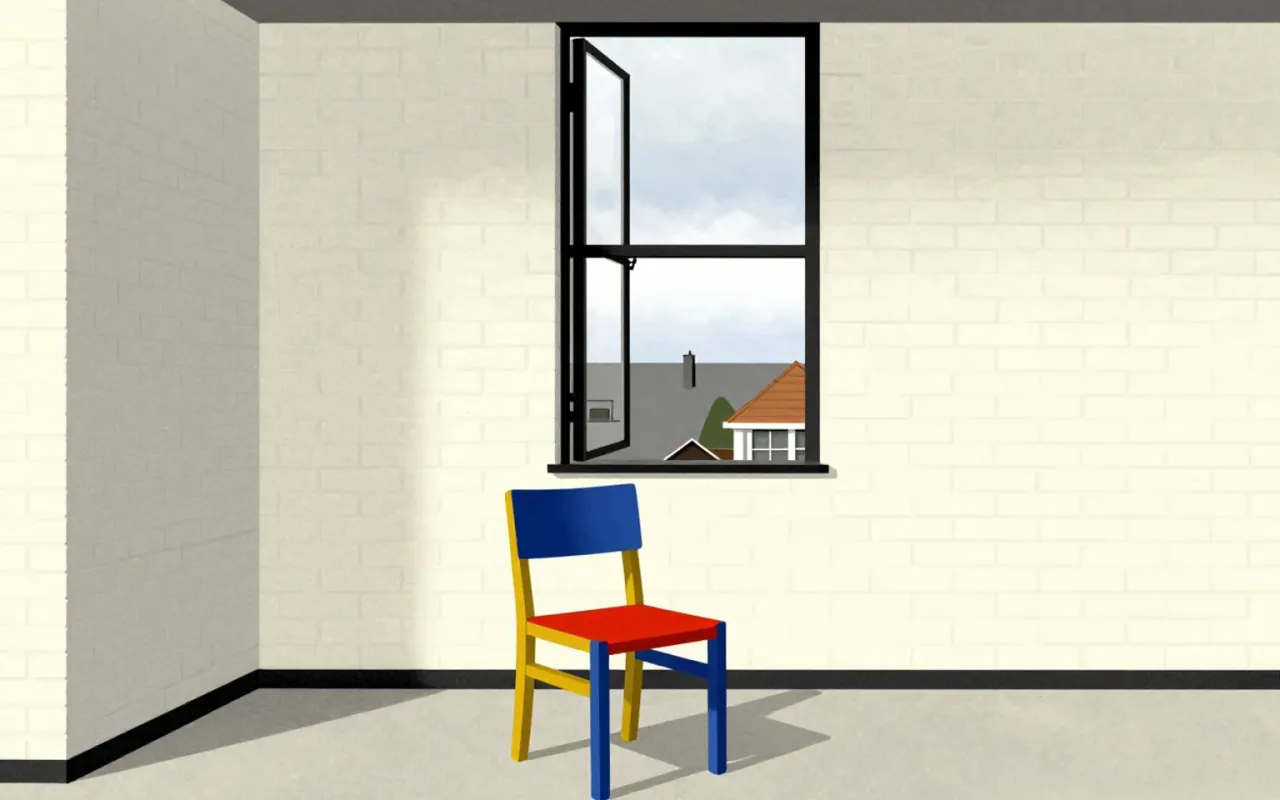
Poul Kjærholm is a body of furniture designed from the early 1950s onward, including the PKO plywood series (1952), PK61 coffee table (1955), PK22 chair (1958), and PK24 Chaise Longue (1965).
How it was made
He chose steel as his primary material but always combined it with wood, leather, cane or marble. He treated light refraction on steel’s surface as integral to the work. His method involved functional modeling and material experimentation.
What works
His furniture establishes steel as an artistic medium equal to wood or leather. The PK61 makes structural logic visible through glass. The PK24 combines steel and woven cane in simple flowing lines. The PKO series demonstrates minimalist form at the start of his career.
What does not
The material does not establish any single piece as definitive, nor does it attribute authorship beyond Kjærholm himself or the studio relationship with Ejvind Kold Christiansen. It does not claim mass production, affordability, ergonomics, or domestic usability.
What it influenced
The material does not state what Kjærholm influenced. No successors, movements, institutions or later works are named or implied.
Is it worth your time
Yes — if you need to understand how minimalism in furniture can be structurally rigorous, materially specific, and optically deliberate. It is not a broad survey of Danish design; it is a precise study of one designer’s constraint-driven logic.