Jasper Morrison
Ordinariness is not neutral—it’s a design decision with teeth.
Removing until only the argument is left.
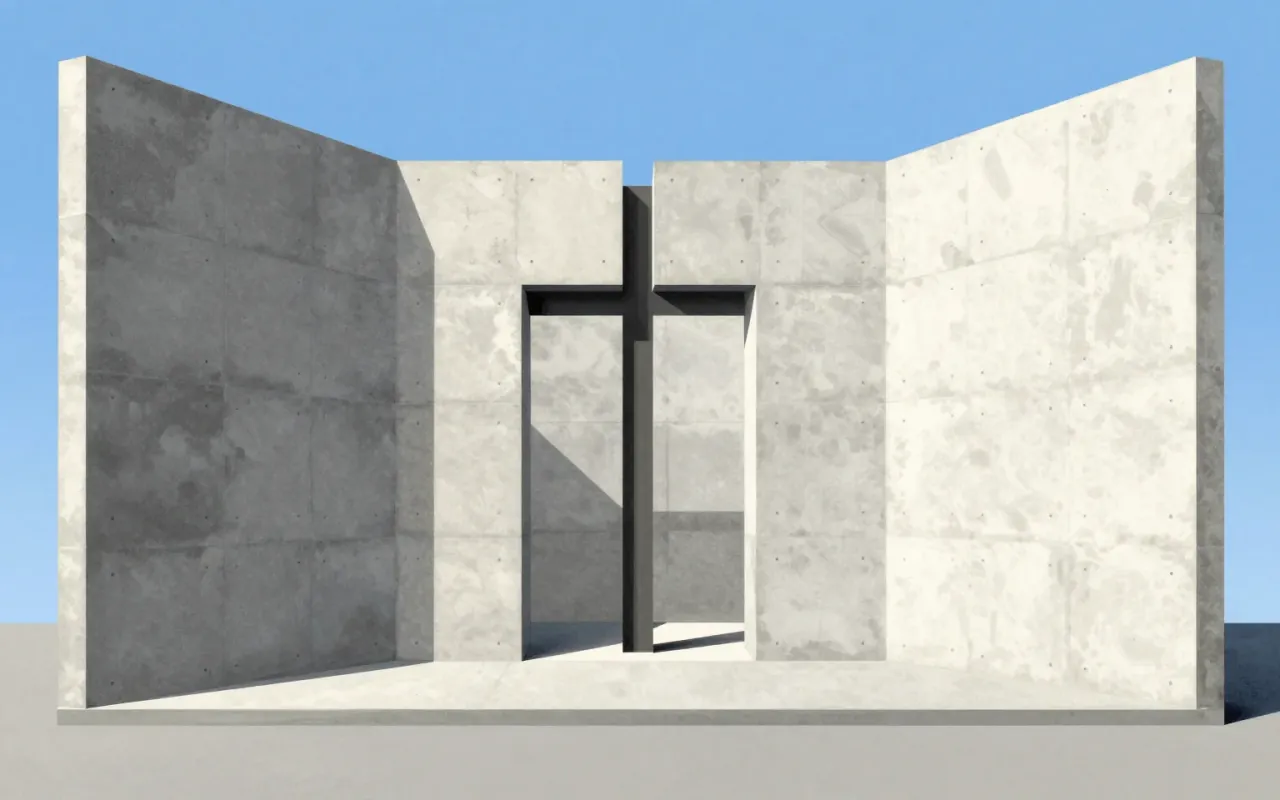

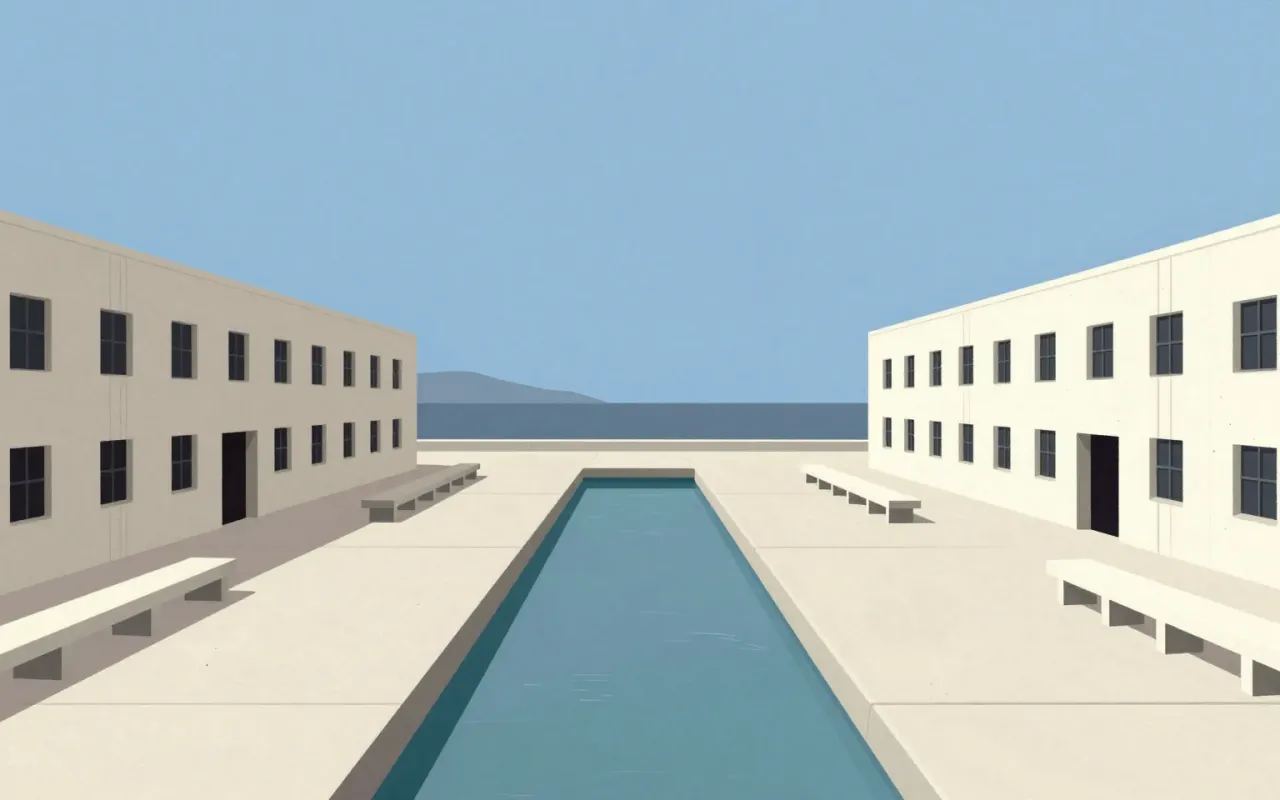
The Salk Institute is the laboratory cluster of Louis Kahn’s unrealised three-part campus. Built 1959–1965 in La Jolla, California, it uses column-free floors, integrated service floors supported by Komendant’s pre-stressed concrete Vierendeel trusses, and a Barragan-advised water court to focus attention on the Pacific Ocean. Only the lab cluster was realised. No source states what it influenced.

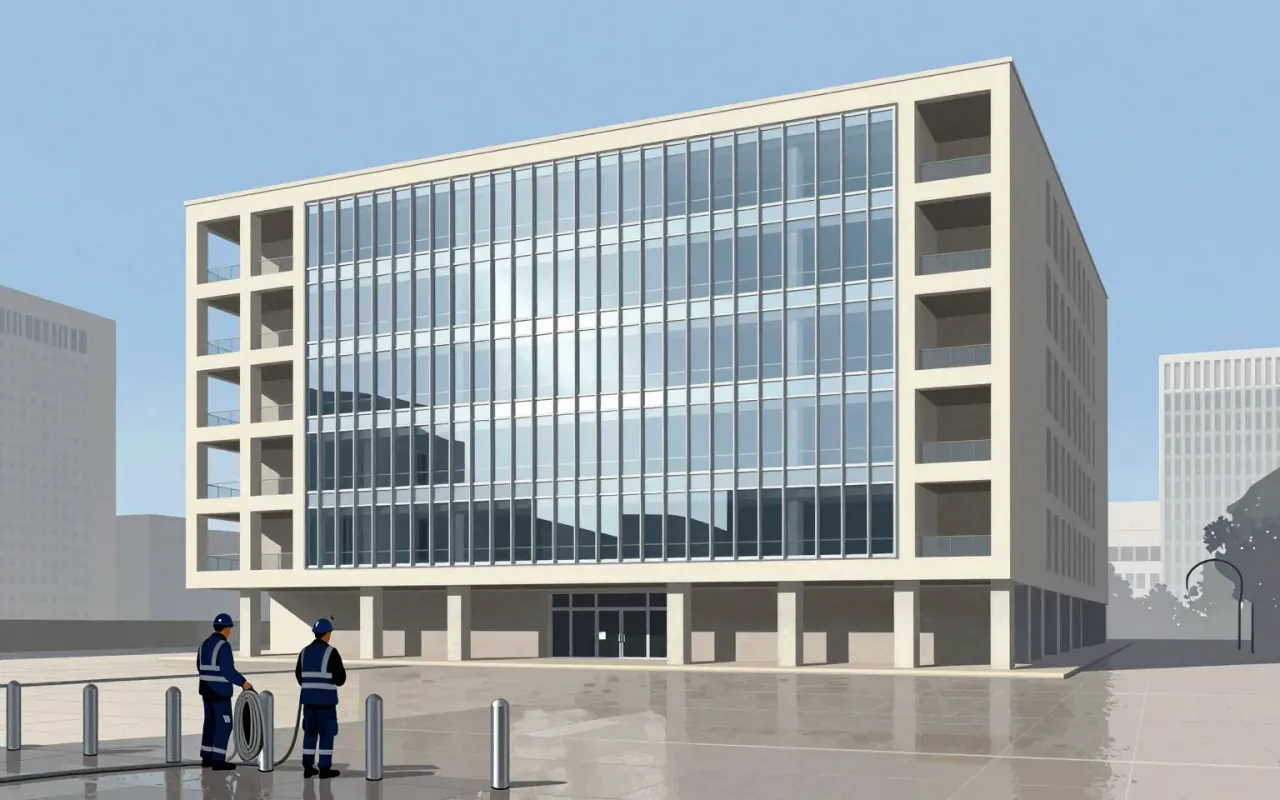
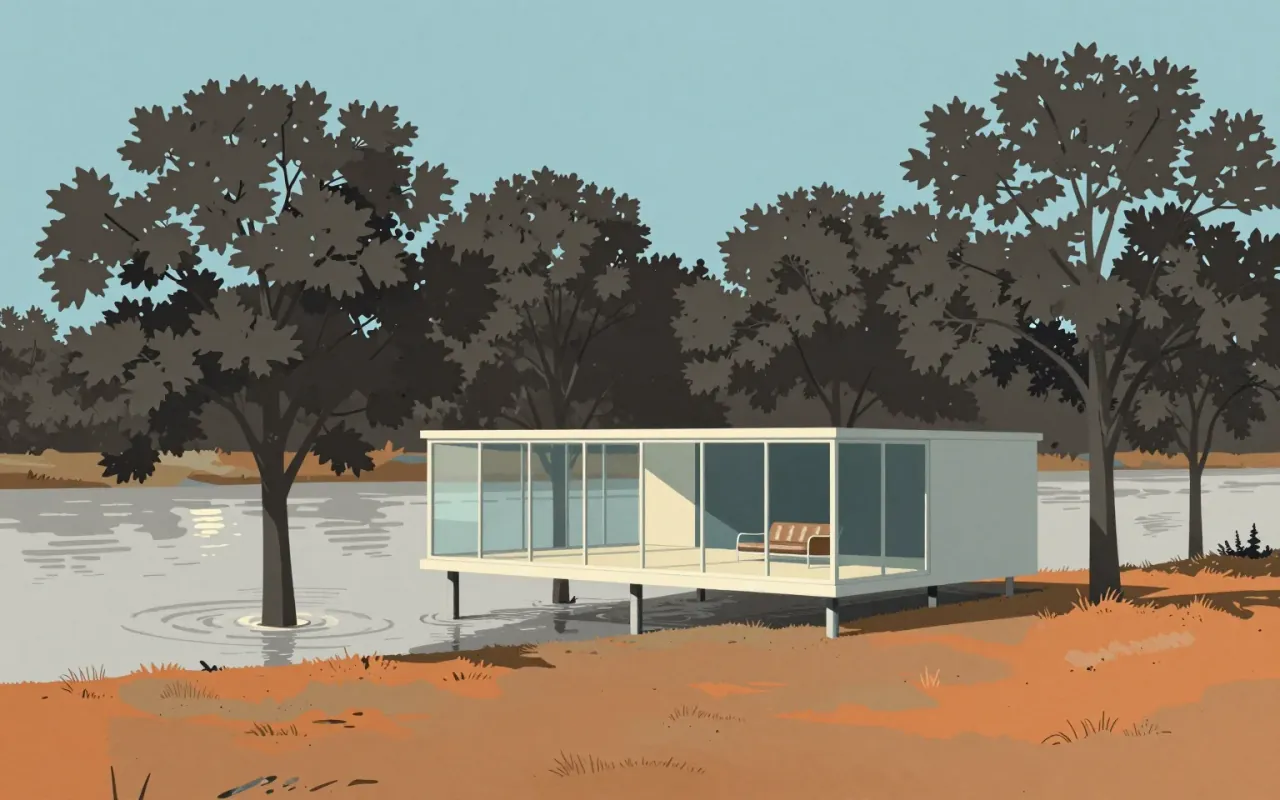
The Farnsworth House is a radical distillation of architectural intent: a frame, a slab, and glass — nothing more. It answers a site constraint (flooding) with elevation, then uses that elevation to advance a philosophy: shelter as transparency, not enclosure. It works as an idea. It fails as a home. Its influence is structural and rhetorical — not technical, not ergonomic, not climatic.
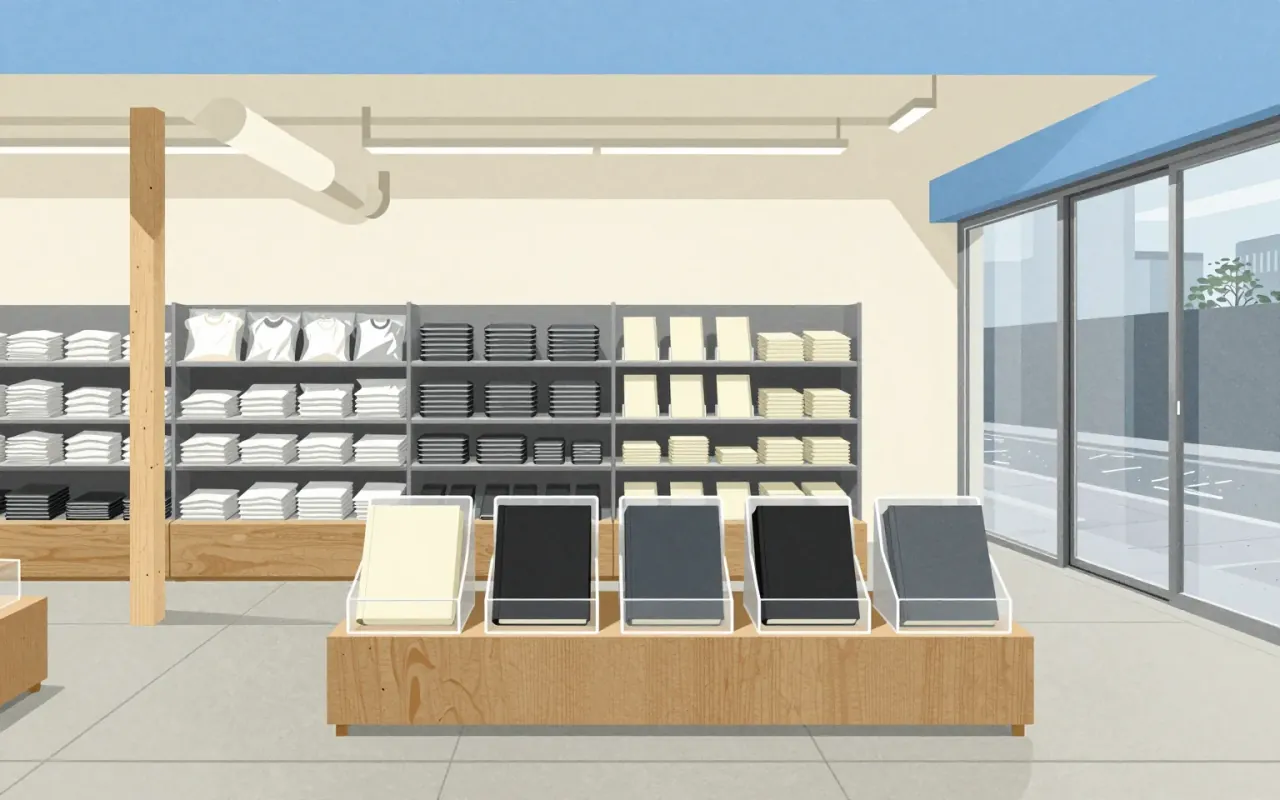
The work is Kenya Hara’s 2001 appointment as Muji’s art director — a strategic, graphic-led recalibration of a brand adrift from its 'No design' principle. He treated every object as designed, not neutral; replaced myth with method; and tightened coherence across 5,000 products and 250 stores. His posters — 'Horizon' (2003) and 'Natsure, Naturally, MUJI.' (2018) — are artefacts of that stance. Nothing in the sources supports claims about product design, architecture, or influence beyond Muji itself.