What the work is
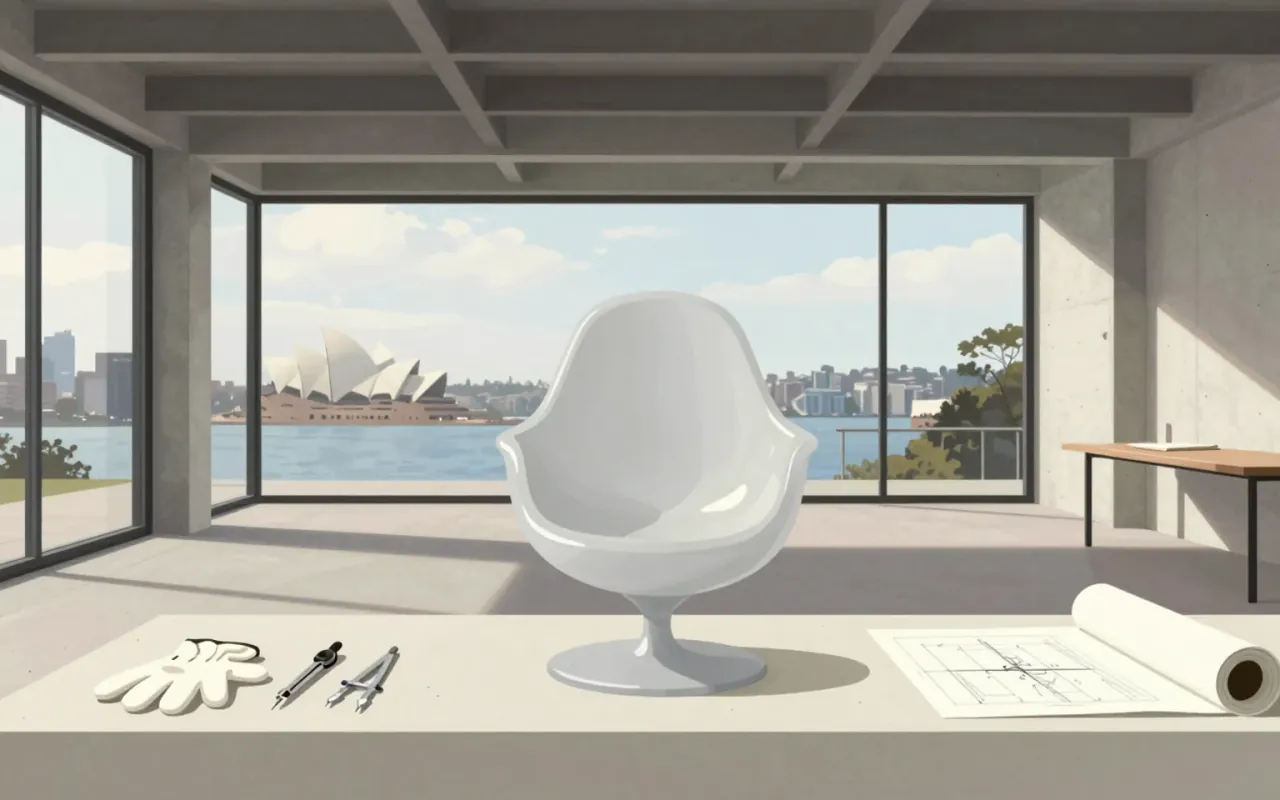
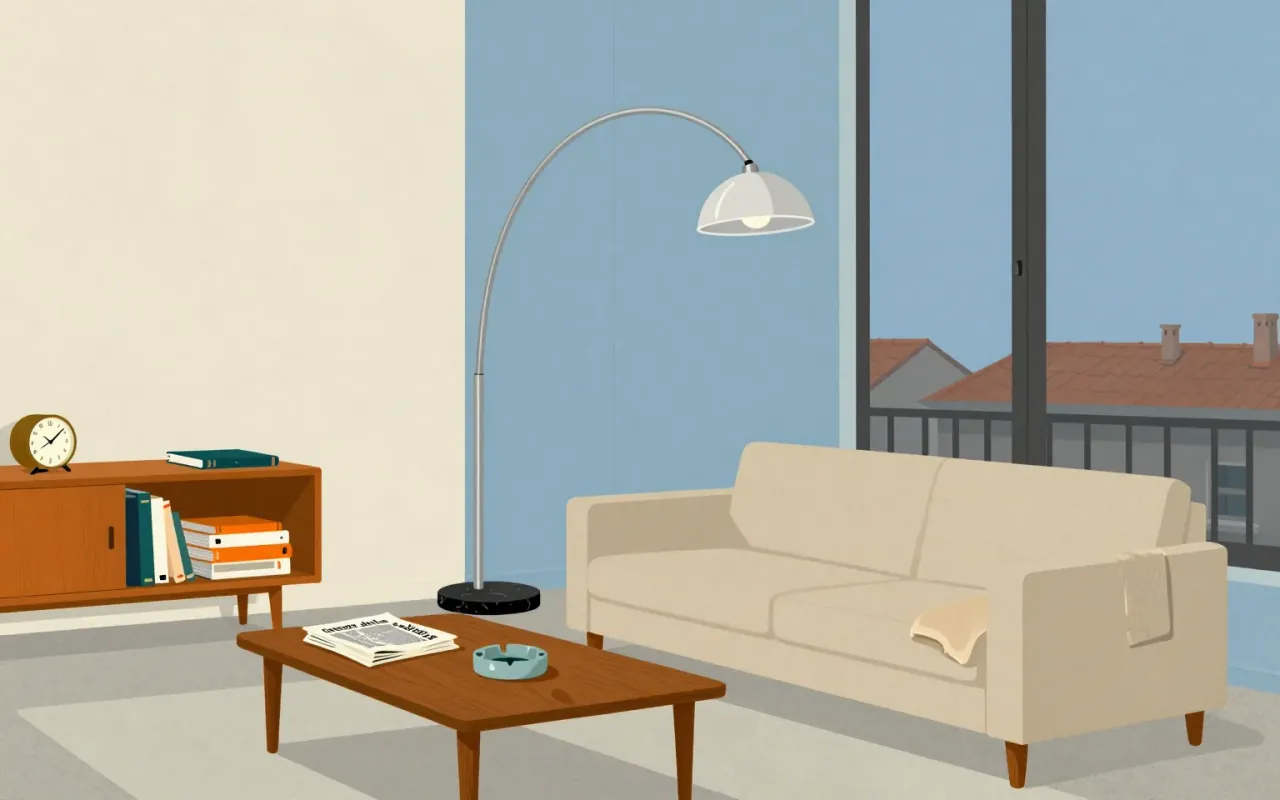
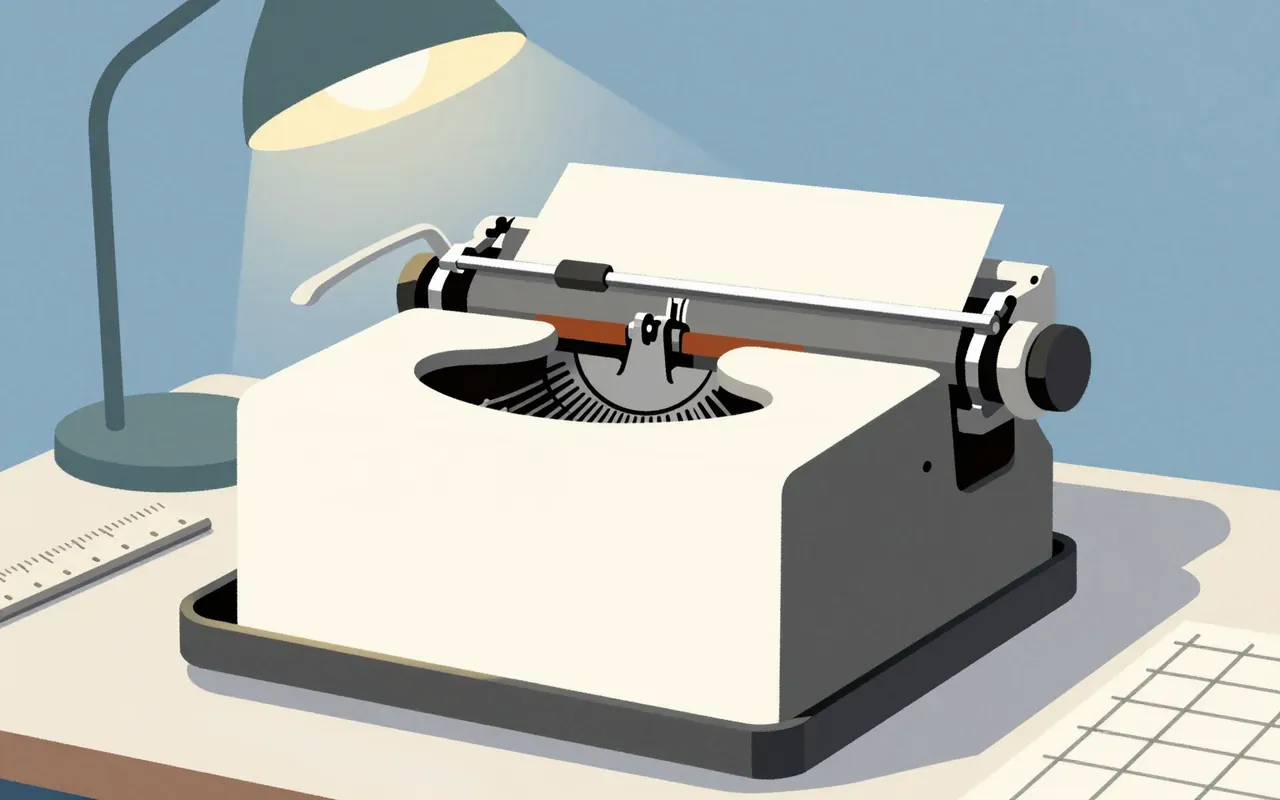
A body of industrial design work defined by refinement and apparent simplicity, focused on the essential and the ordinary.
How it was made
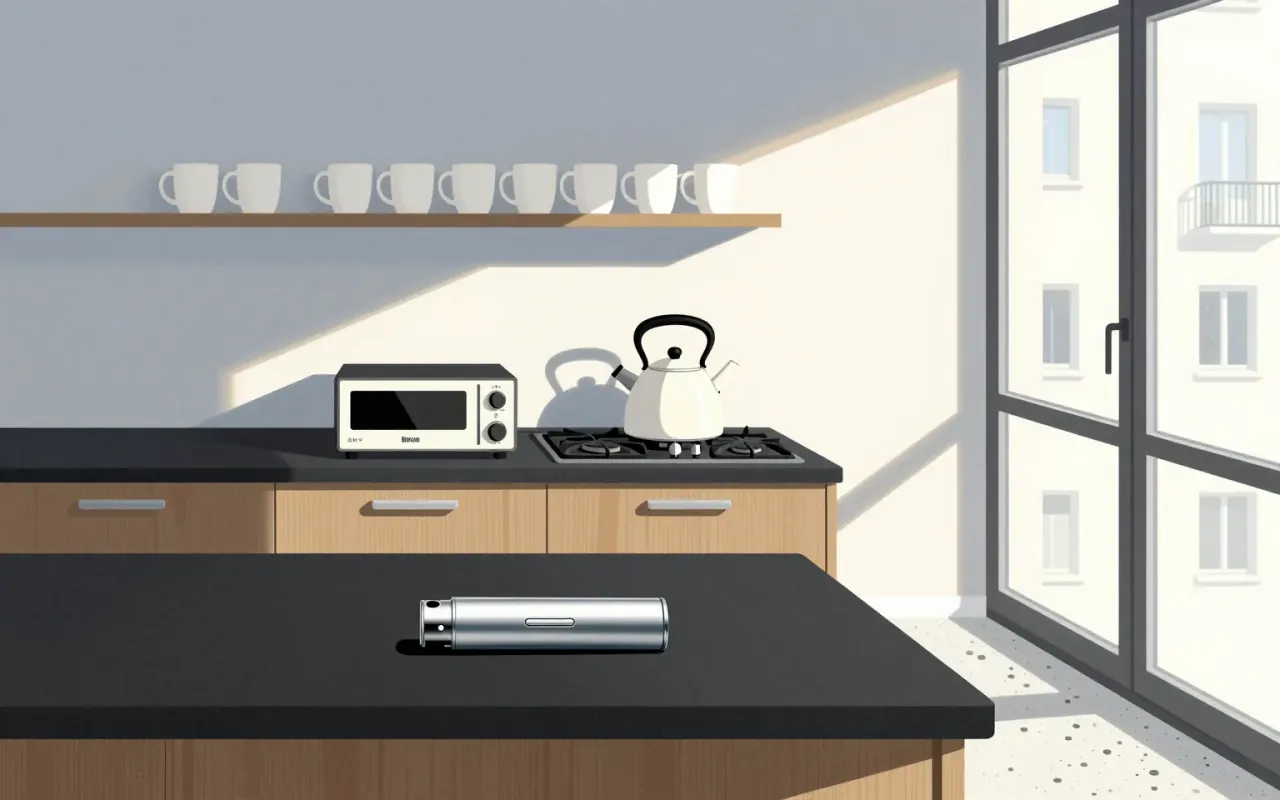
Morrison made work through restraint, avoiding ego, spectacle and dazzle. He curated the Super Normal exhibition in 2006 with Naoto Fukasawa, selecting 200 ordinary or anonymously designed products devoid of gimmicks and branding.
What works
Objects that do not shout succeed as functional, unobtrusive, and museum-collected artefacts. The Super Normal exhibition succeeded as a coherent argument about anonymity, utility, and quiet authority in design.
What does not
It does not shout. It does not seek spectacle. It does not aim to dazzle. It avoids design ego.
What it influenced
It influenced curatorial practice—Super Normal established a framework for evaluating everyday objects outside authorship and branding—and reinforced museum acquisition criteria centred on essentialism over novelty.
Is it worth your time
Yes—if you need to understand how quiet design operates as a deliberate counterforce to noise, not as absence but as active editing.