What the work is
A body of industrial and furniture design characterised by smooth geometric lines, organic shapes, absence of sharp edges, and use of transparency and translucency.
Marc Andrew Newson was born in Sydney on 20 October 1963 and studied jewellery design and sculpture at the Sydney College of the Arts, graduating in 1984. His work spans furniture, product and transportation design, luxury goods, fashion and fine art. Objects in the record range from the Dish Doctor for Magis (1997) and the Ford 021C concept car (1999) to Qantas Skybed seats, the bar and sixth floor of the Hotel Puerta America in Madrid (2005), and the Apple Watch (2015).
In 1986 an Australian Crafts Council grant led to his first exhibition, at Roslyn Oxley9 gallery, which showed the LC1, the first version of an idea he developed into the Lockheed Lounge in 1988. He then moved to Tokyo, working mostly with the design company Idée, where he made the Super Guppy lamp (1987) and the Embryo Chair (1988). A studio in Paris followed in 1991, and in 1997 he moved to London and set up Marc Newson Ltd with Benjamin de Haan. He joined Apple as senior vice president of design in September 2014 and joined LoveFrom, the consultancy founded by Jony Ive, in June 2019.
How it was made
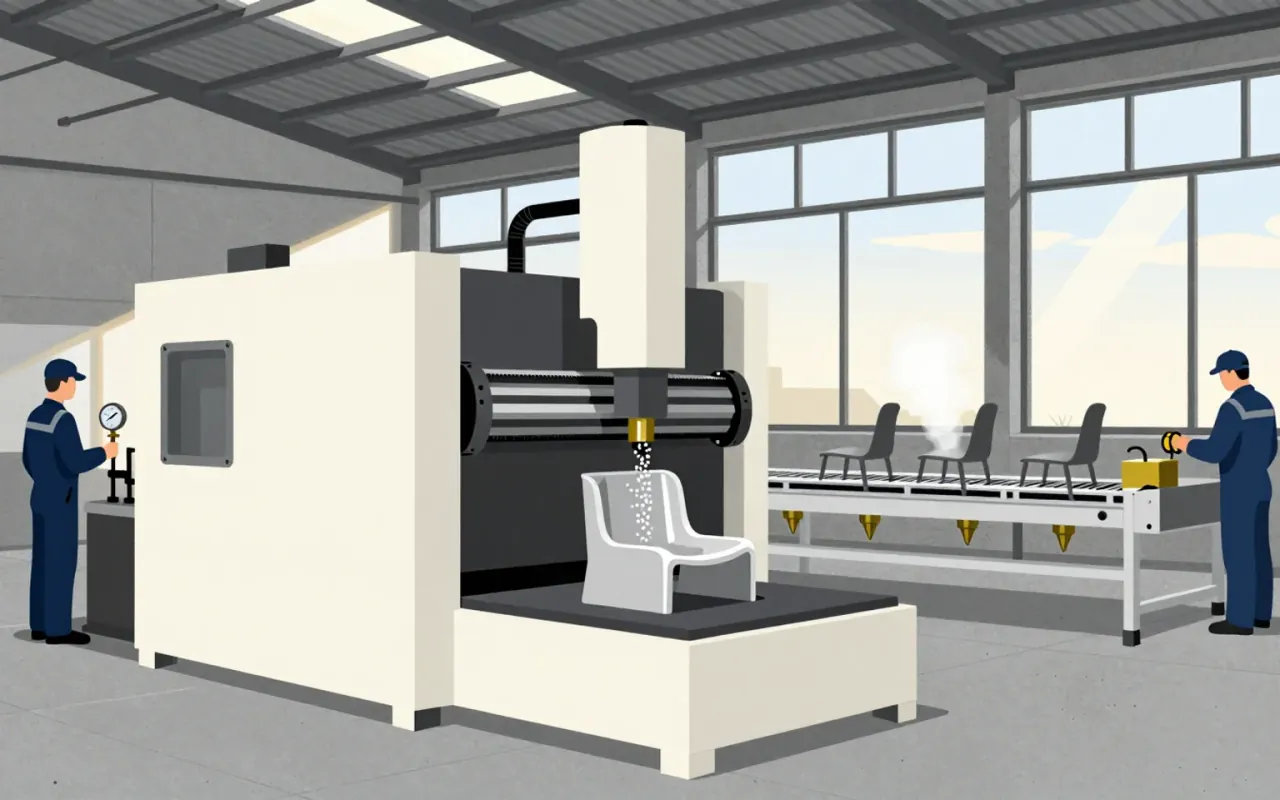
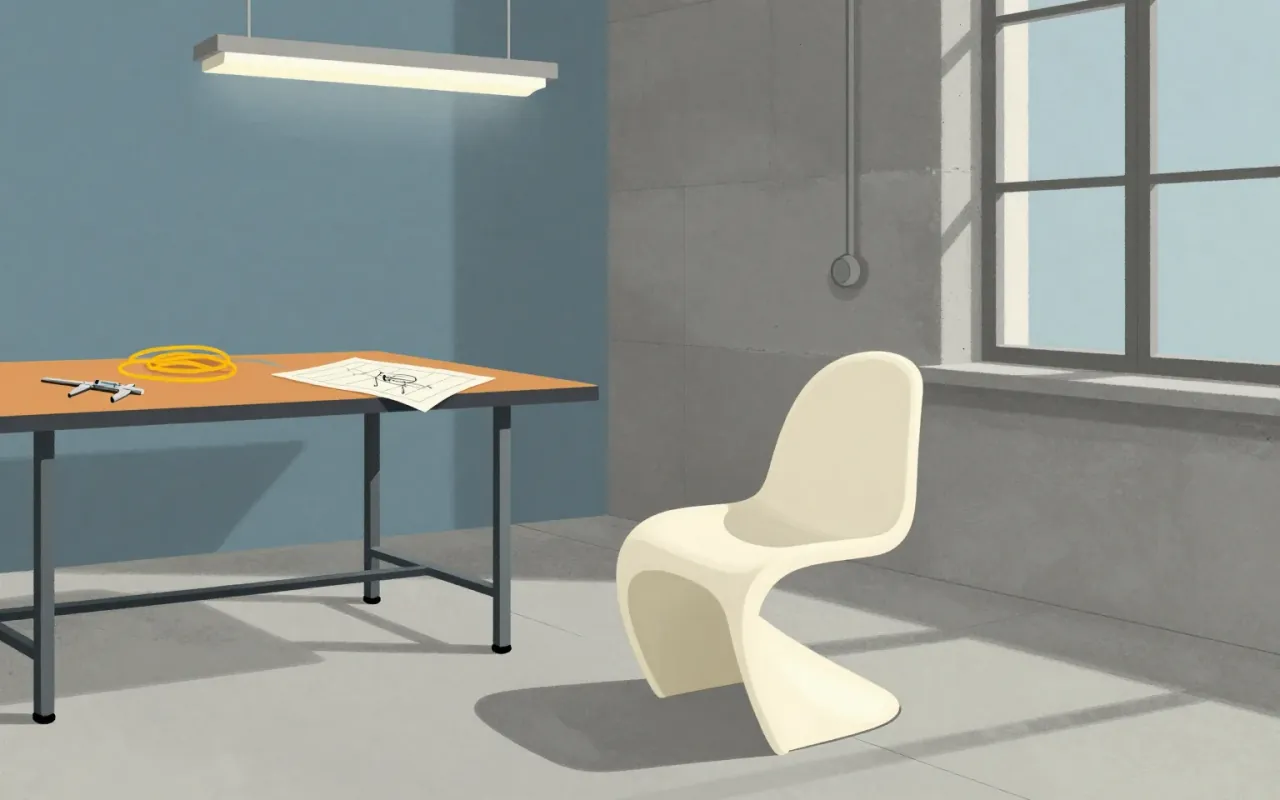
Newson draws curves freehand, trusting intuition over digital tools. His innovation begins with deep material knowledge and develops new applications for materials.
What works
The combination of freehand drawing, material-led development, and organic-translucent aesthetic creates a coherent, instantly legible authorial signature.
What does not
The sources do not establish any functional critique, ergonomic claim, manufacturing limitation, or market reception of specific works.
What it influenced
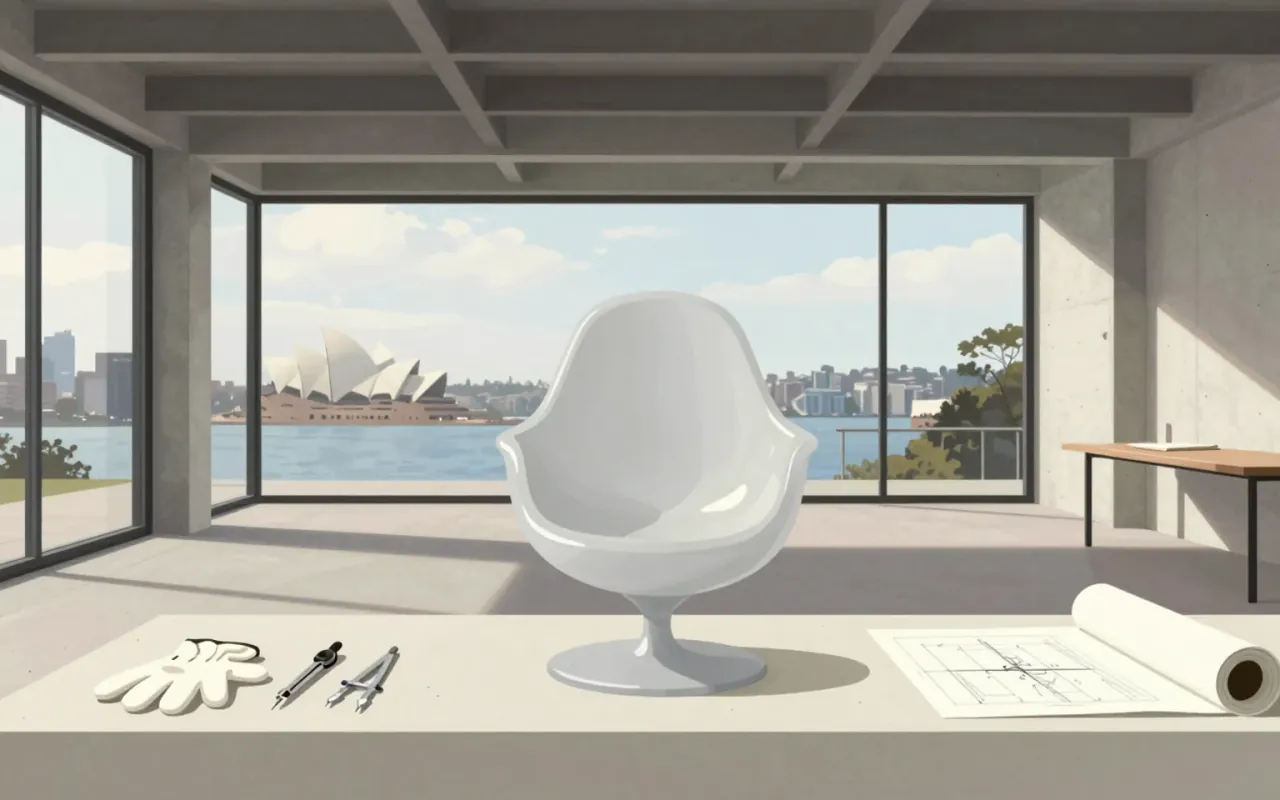
The Embryo Chair (1988) marked the emergence of a discernible style that defined Newson’s influence—particularly in form language imitated but rarely matched in material preoccupation.
Auction results are on record. A Lockheed Lounge sold for $968,000 at Sotheby’s in 2006 and for £1,100,000 at Phillips de Pury in 2009. In April 2015 one sold for £2.4 million, described as the most expensive object ever sold by a living designer. Design critic Alice Rawsthorn called Newson one of the most influential designers of his generation, and he was appointed CBE in 2012 for services to design.
Is it worth your time
Yes—if you want to understand how organic geometry, translucency, and material-led process cohere into a distinct design language.