Minimalism succeeded commercially only after surviving public indifference — then failed under its own scale.
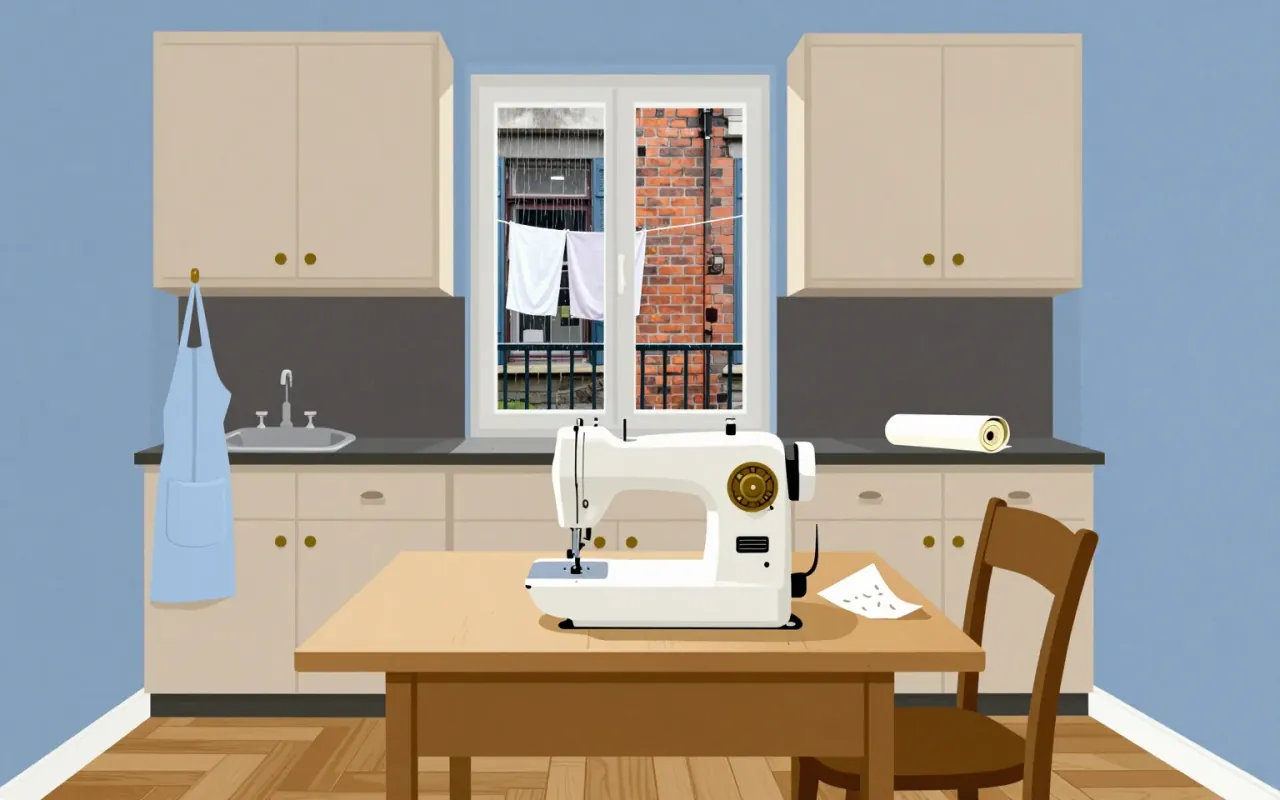
Jil Sander is a fashion house founded in 1968 using her mother's sewing machine. Her first collection was for Hoechst using their trevira fabric. In 1973, she launched a collection under her own brand name. Her debut at Paris Fashion Week in 1975 was unsuccessful: the public, accustomed to bright and shocking images, coldly greeted her restrained minimalism. She overcame a poorly received first Jil Sander Paris collection shown at the Plaza Athénée in 1975 and listed her company on the Frankfurt Stock Exchange at the end of the 1980s. In 1995, the Jil Sander group reported $114 million in sales. In 1999, Prada Group bought a 75% share in her company. For 2001, the Jil Sander Group reported a net loss of $9.4 million, its first ever.
as evidence of early industrial-textile collaboration
What does not
influence
technical innovation
global cultural diffusion
Study it if
brand strategists
fashion historians
corporate design teams
Skip it if
material scientists
architects
industrial designers
The design analysis1 min read
What the work is
Jil Sander is a fashion house founded in 1968, defined by restrained minimalism, built from a domestic sewing machine into a publicly listed company, then acquired and financially destabilised by Prada Group.
How it was made
Jil Sander founded her fashion house in 1968 using her mother’s sewing machine. Her first collection was made for Hoechst using their trevira fabric. She launched her own-brand collection in 1973.
What works
The brand established a durable identity around restraint. It overcame public rejection in 1975 to achieve $114 million in sales by 1995 and listing on the Frankfurt Stock Exchange by the late 1980s.
What does not
The work does not establish that Jil Sander designed for other houses, collaborated with artists, used specific tailoring techniques, or operated outside Hamburg before Paris 1975. It does not confirm any aesthetic evolution beyond the 1975 rejection of restraint.
What it influenced
The work does not establish influence on other designers, movements, or disciplines. No downstream impact is verified in the source material.
Is it worth your time
Yes — as a case study in minimalism’s commercial resistance, market endurance, and the cost of corporate acquisition.