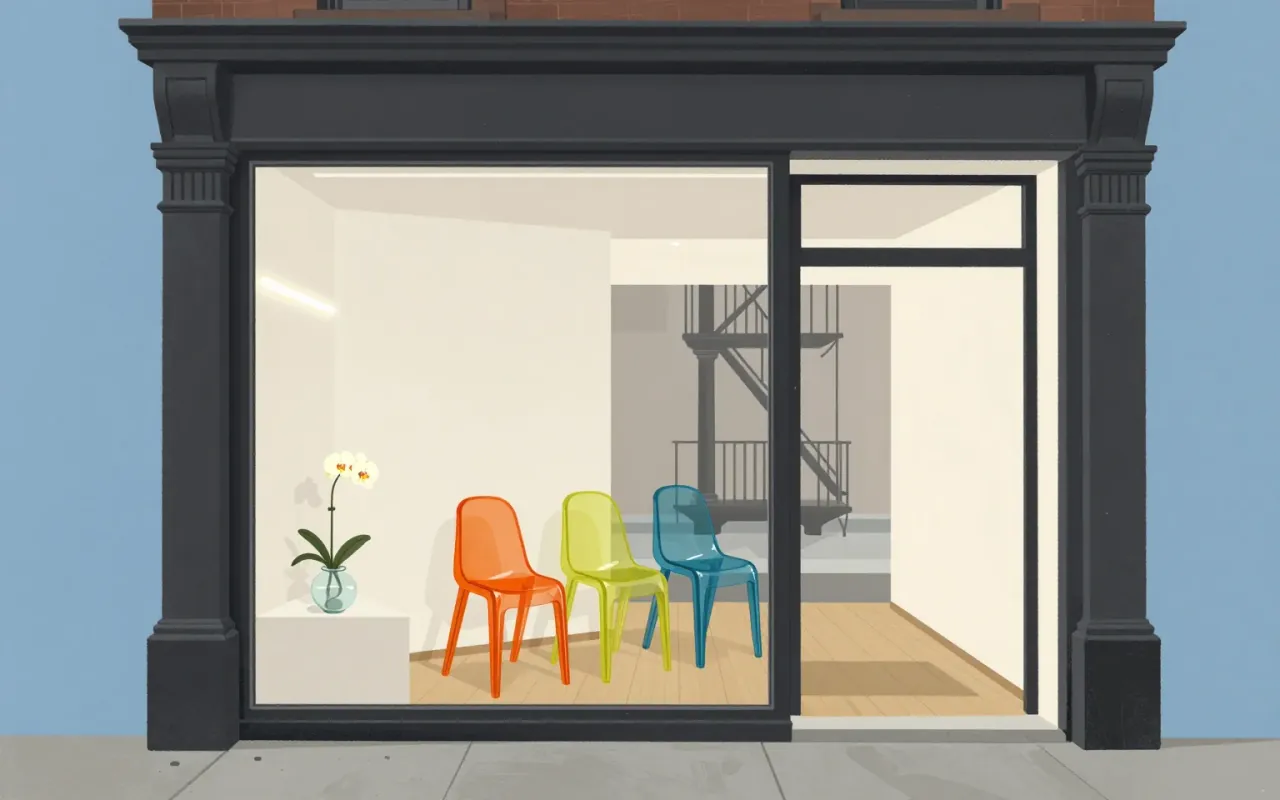
Kartell
Kartell is an Italian company, headquartered in the Metropolitan City of Milan, that makes and sells contemporary plastic furniture.
Things you can sit on or stand inside: buildings, streets, rooms, vehicles, and the objects made a million at a time.

























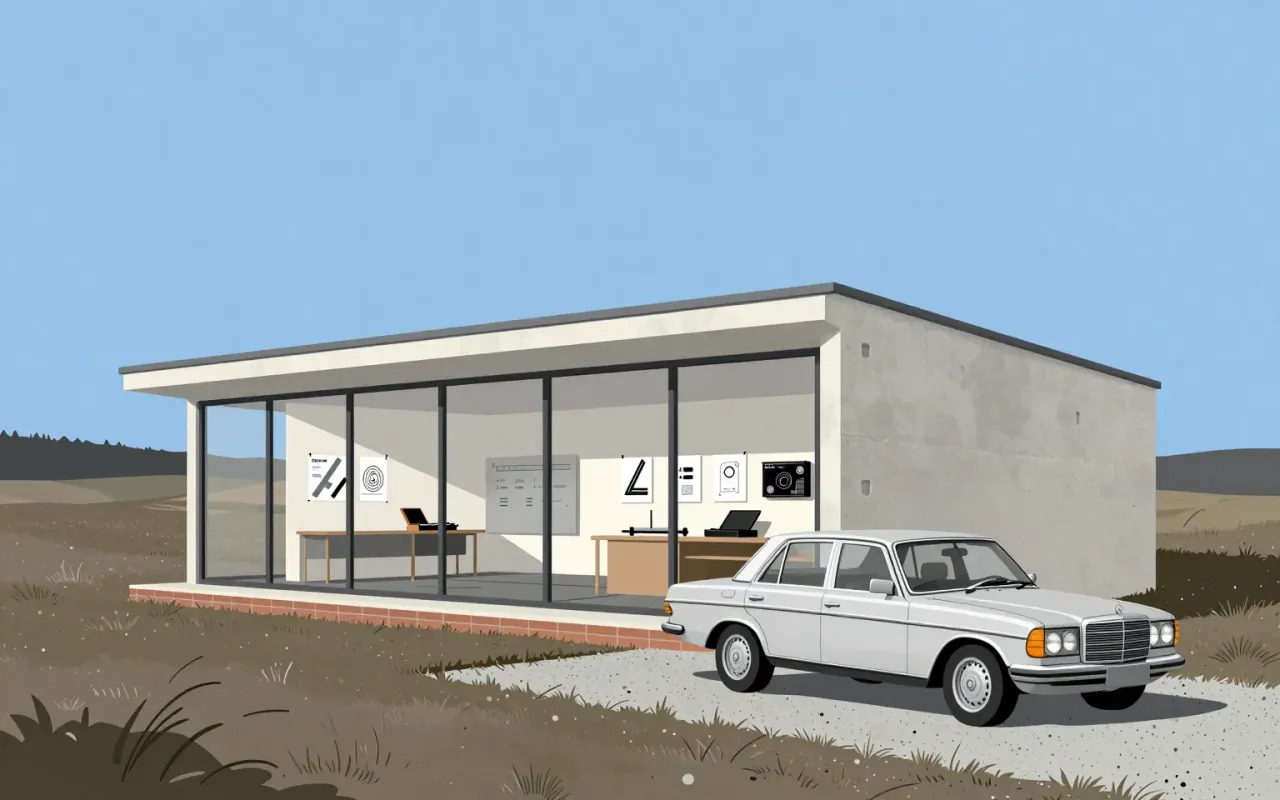

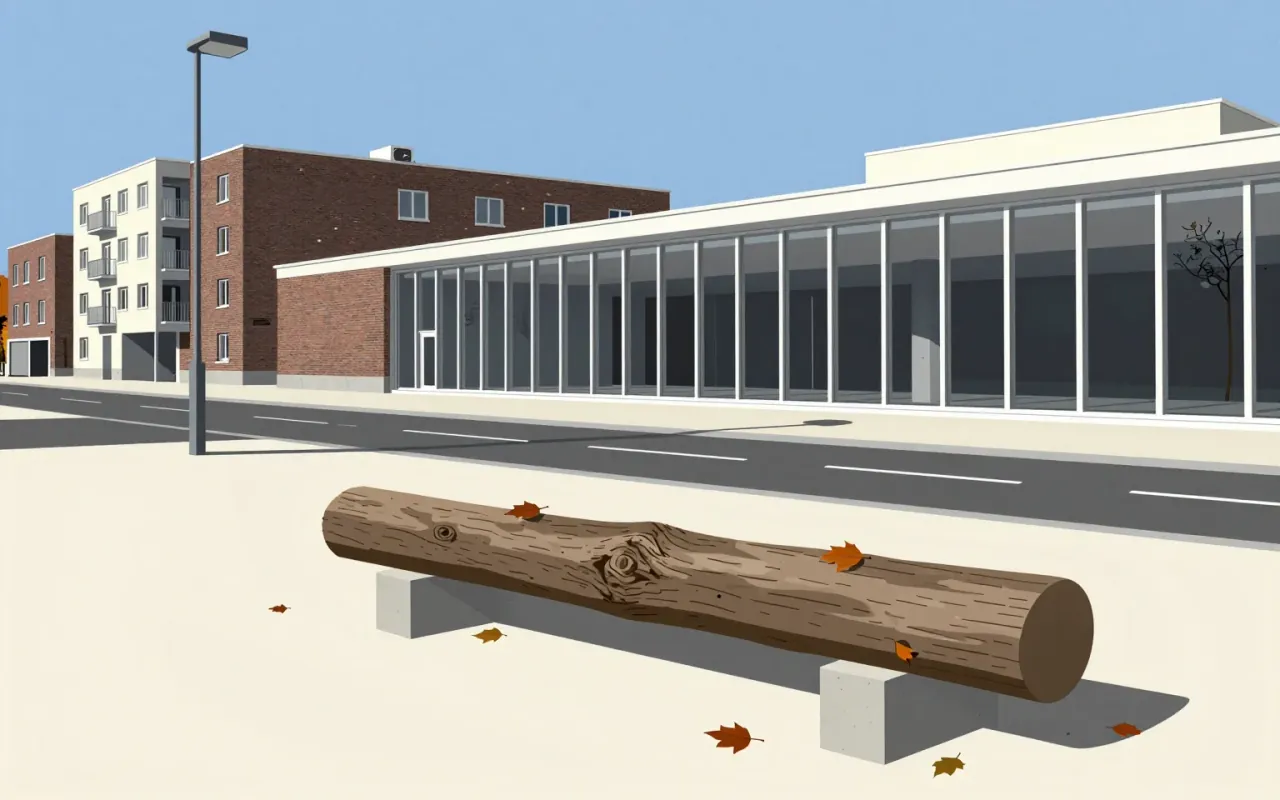

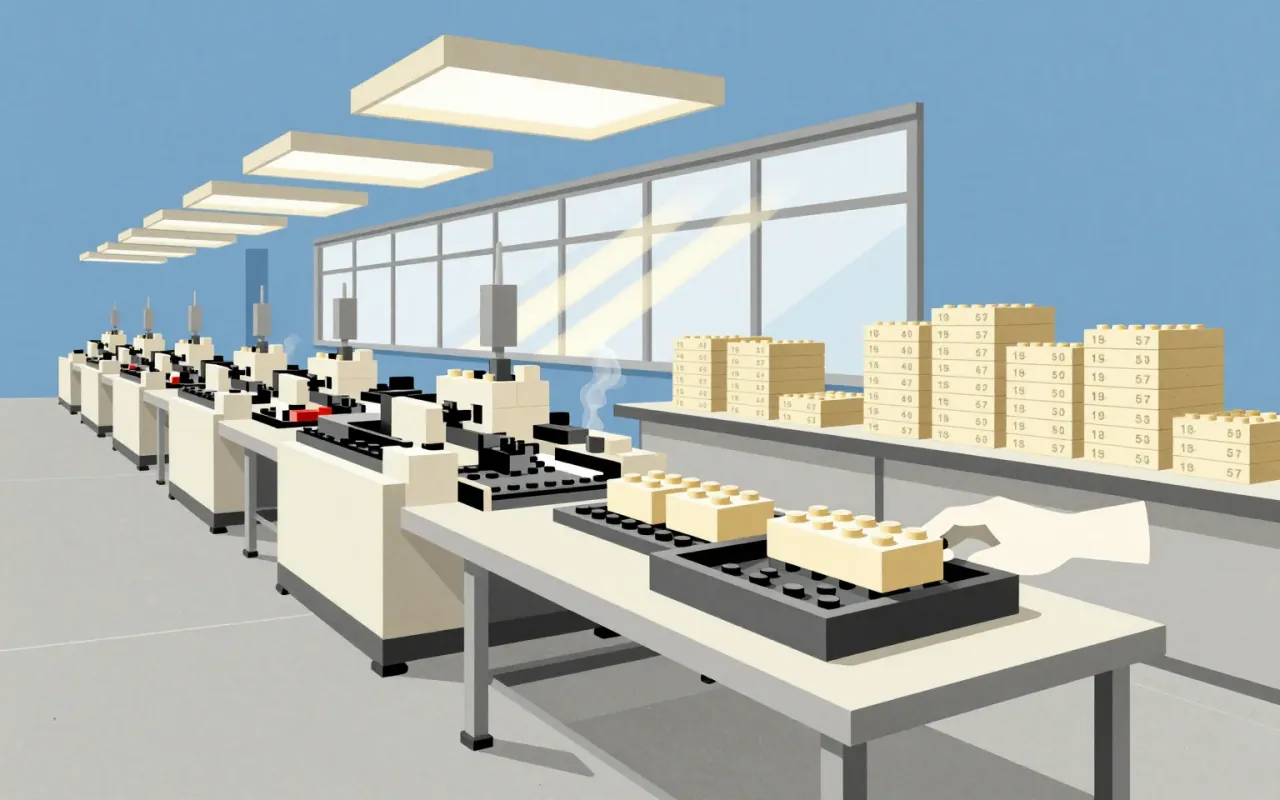





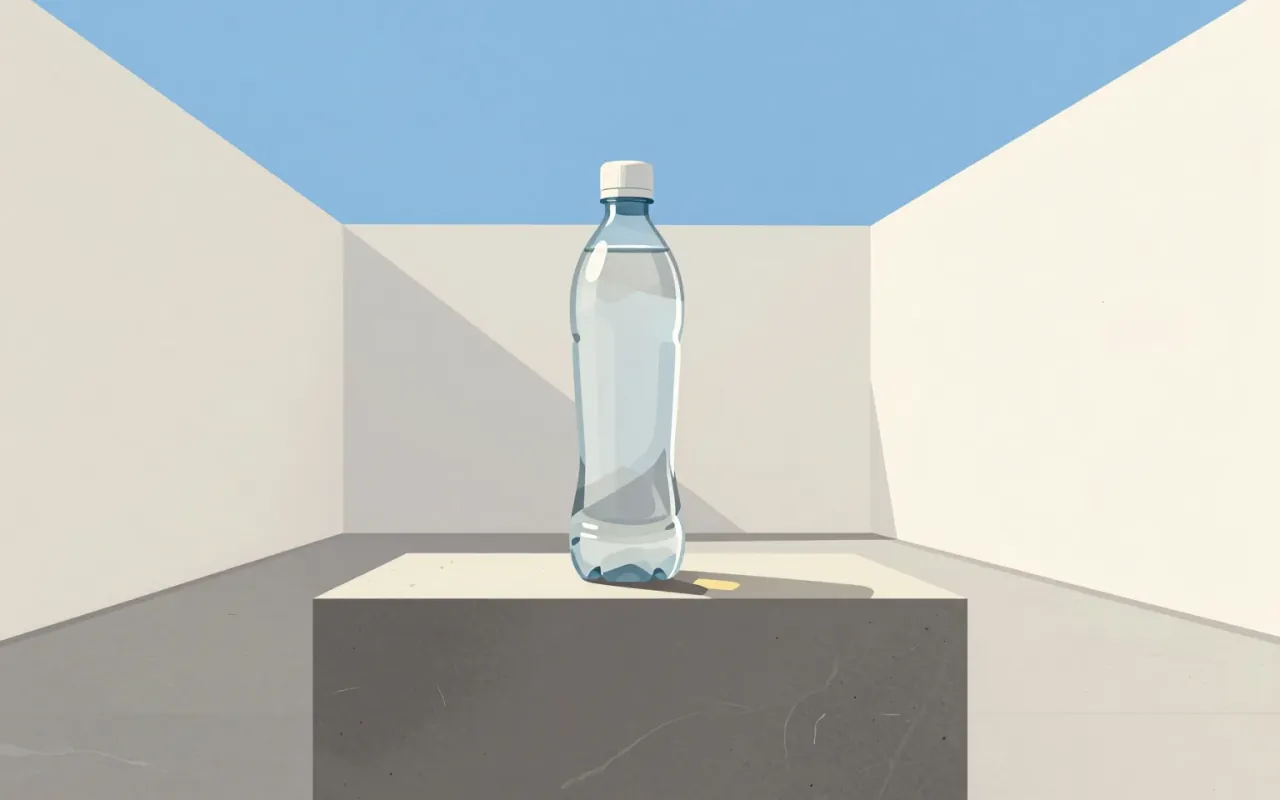












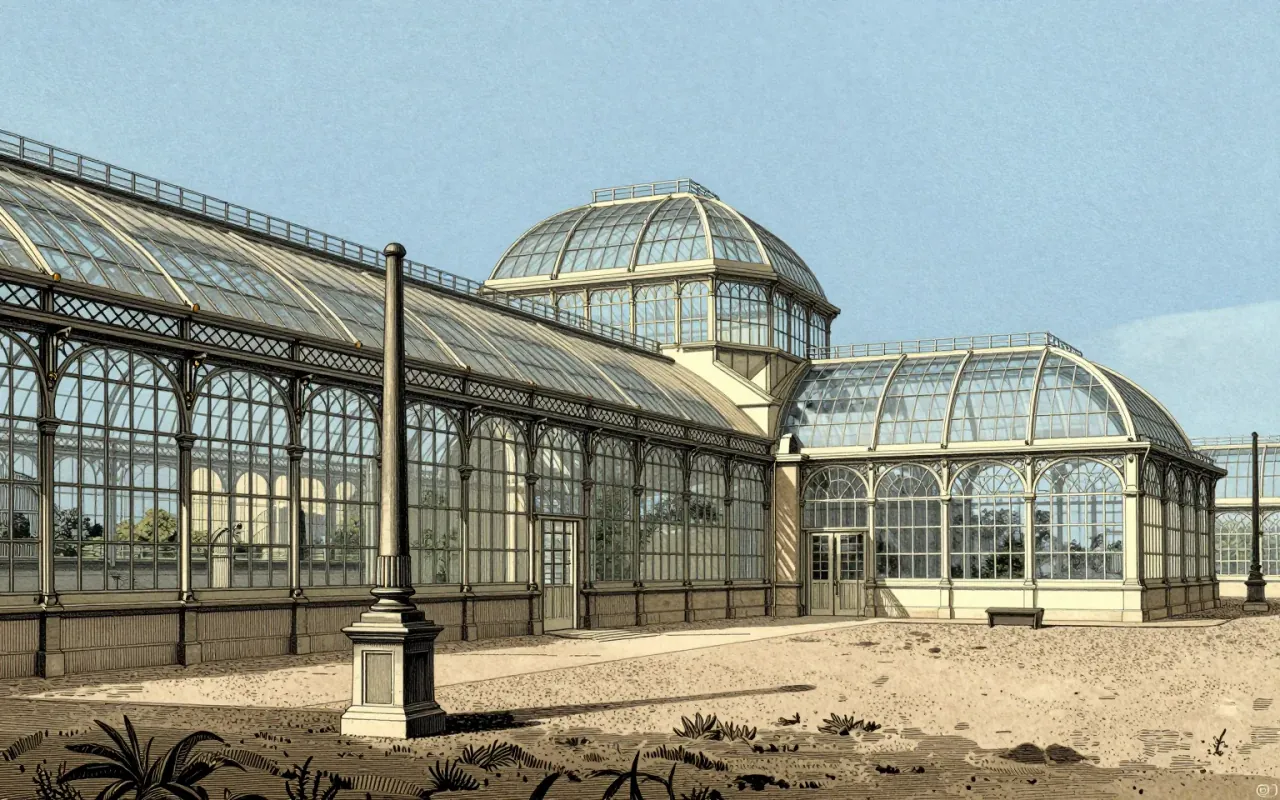
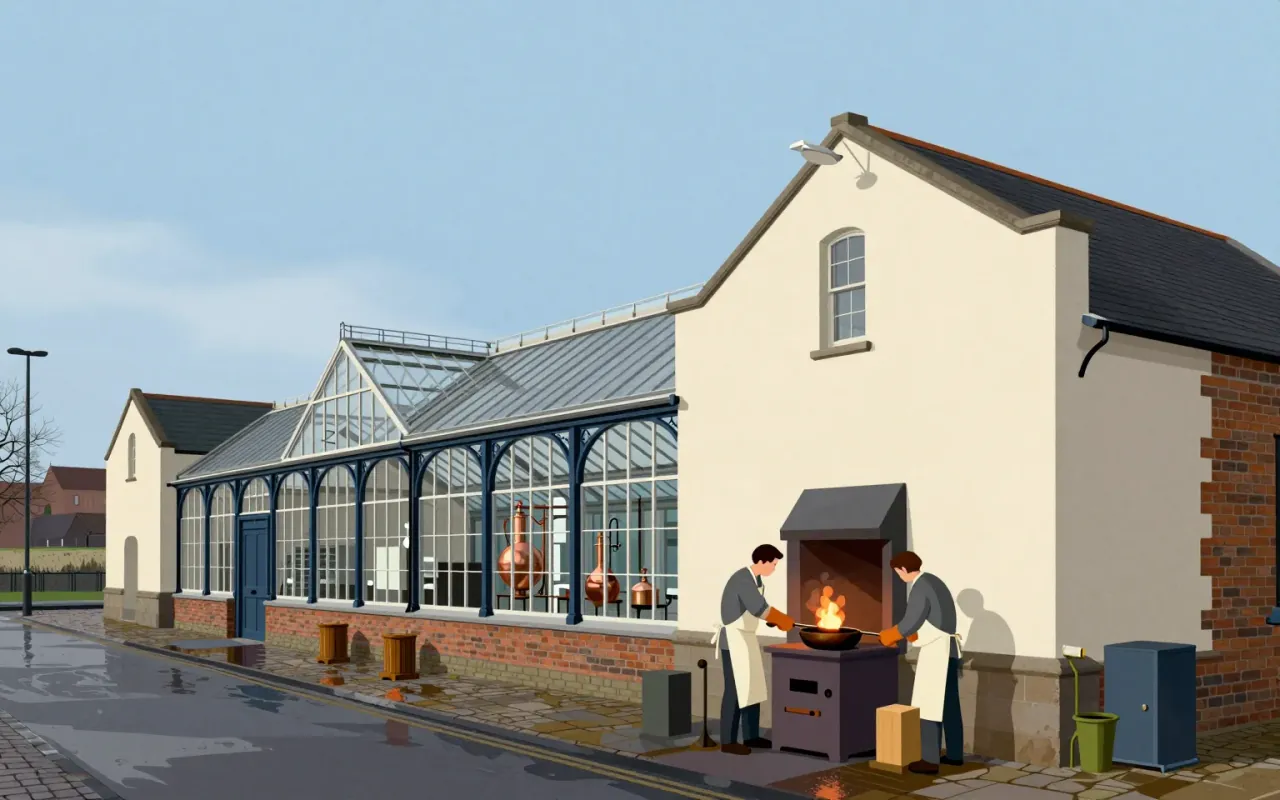
The Crystal Palace was a cast iron and plate glass exhibition hall built for the Great Exhibition of 1851. It measured 1,851 feet long and 128 feet high internally. Its modular design followed the dimensions of glass panes supplied by Chance Brothers. It was completed in thirty-nine weeks by 2,000 men at a cost of £79,800. It used 293,000 panes of glass—the greatest area ever seen in a building—and astonished visitors with clear walls and ceilings that required no interior lighting. Its construction relied on recent advances in glass and cast iron manufacturing and the abolition of the glass tax. It demonstrated British industrial capability in iron and glass.

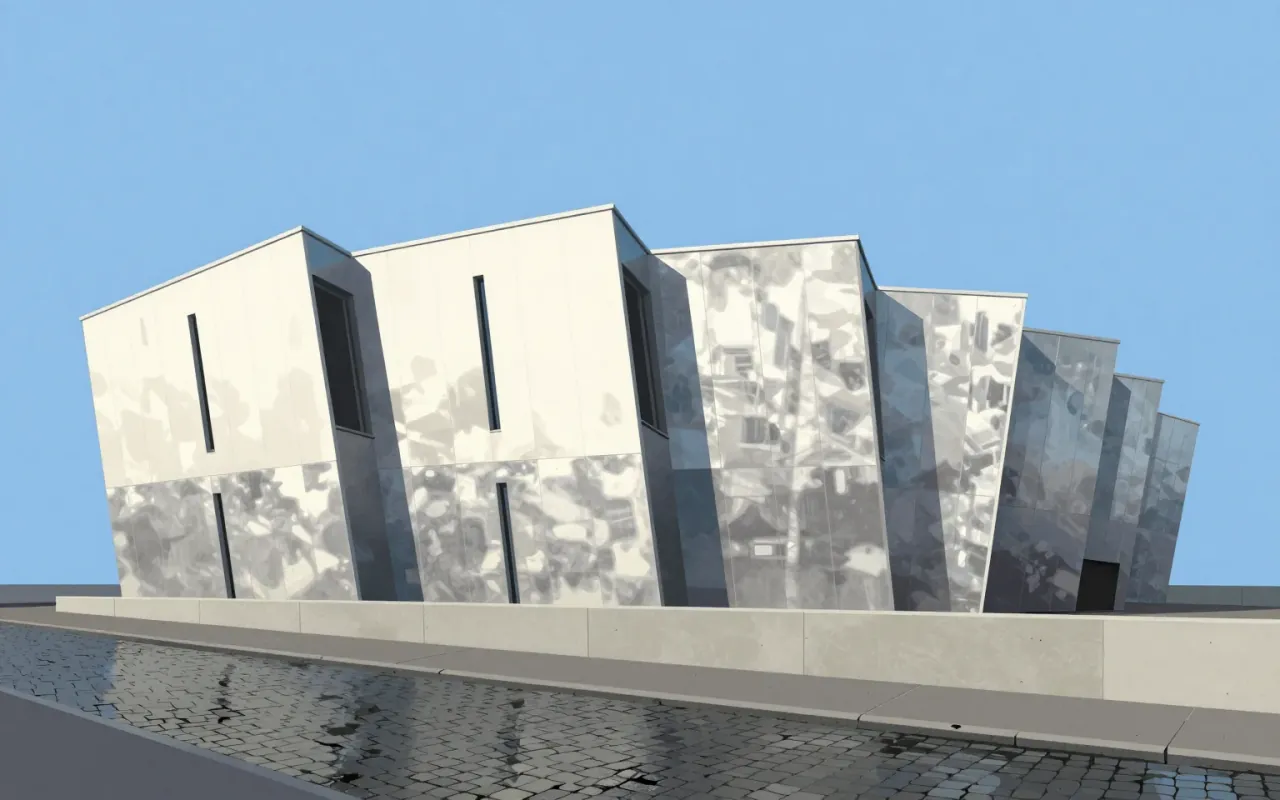
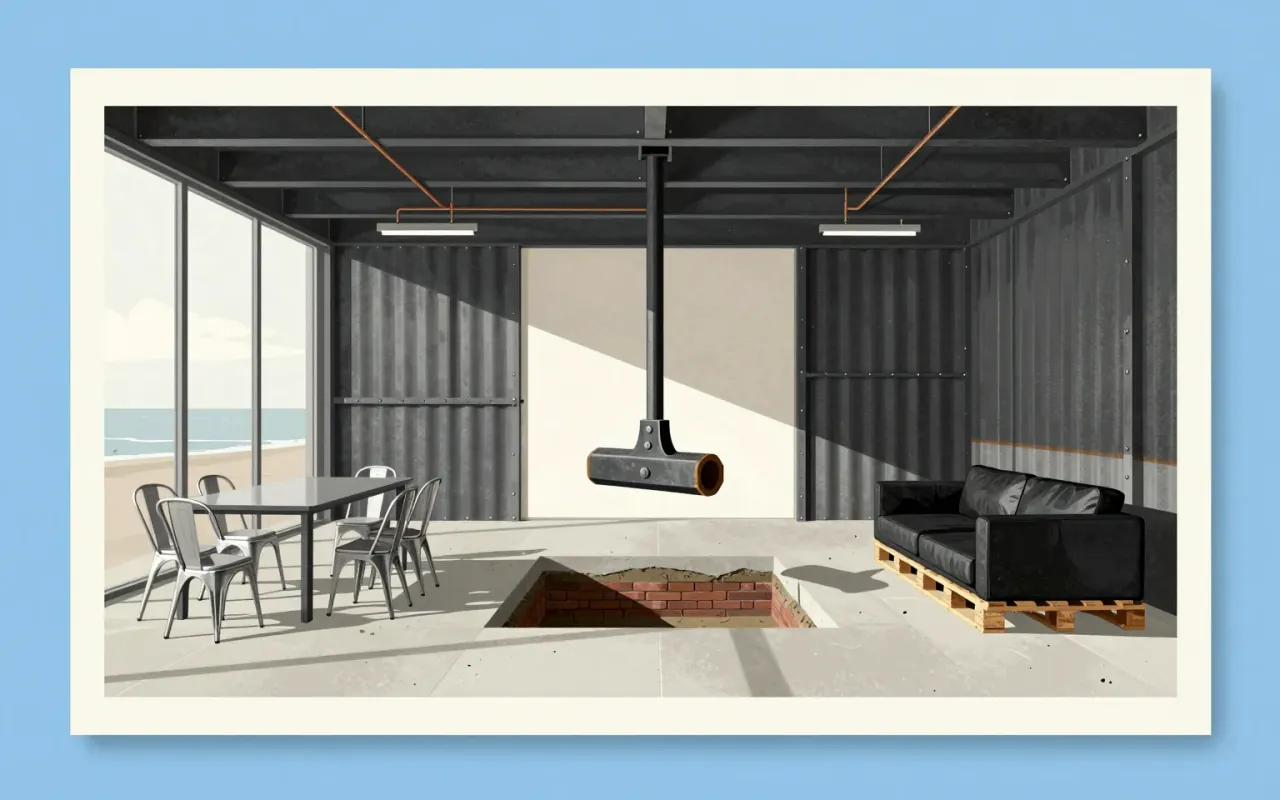


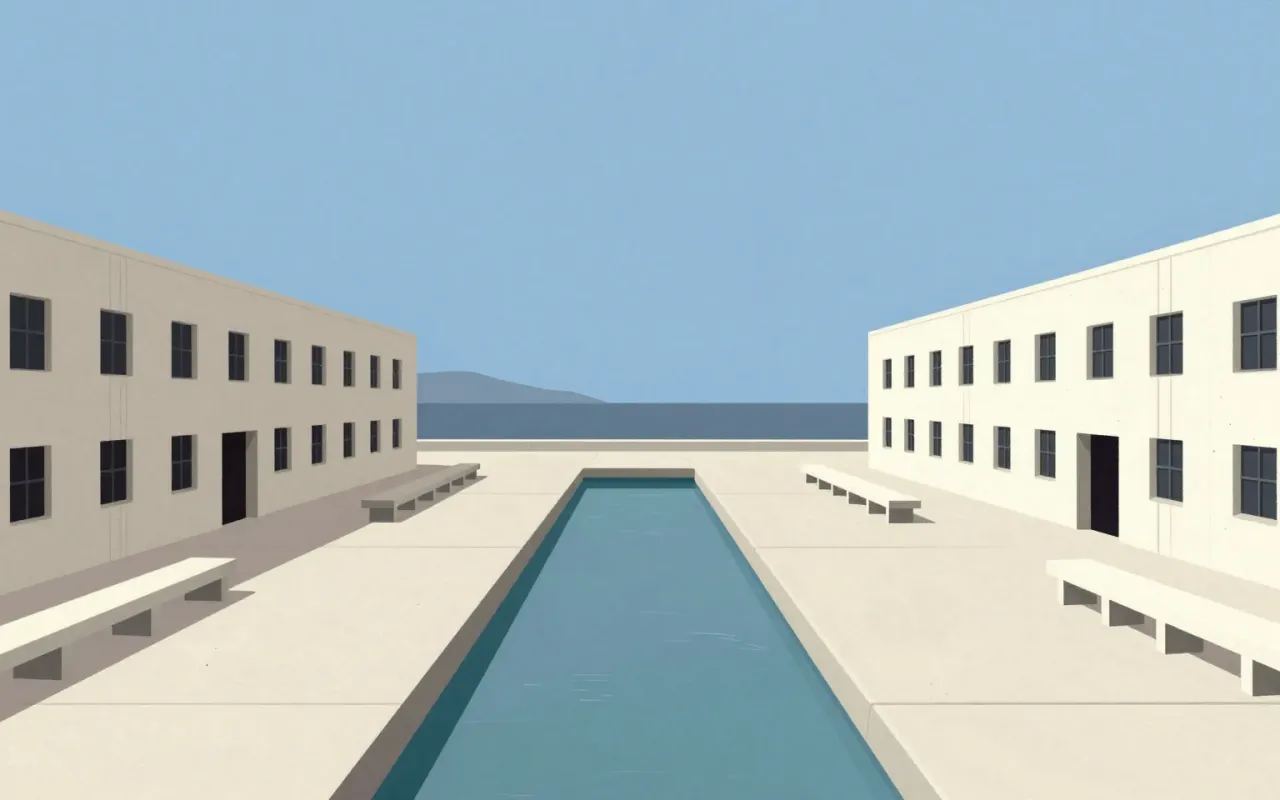
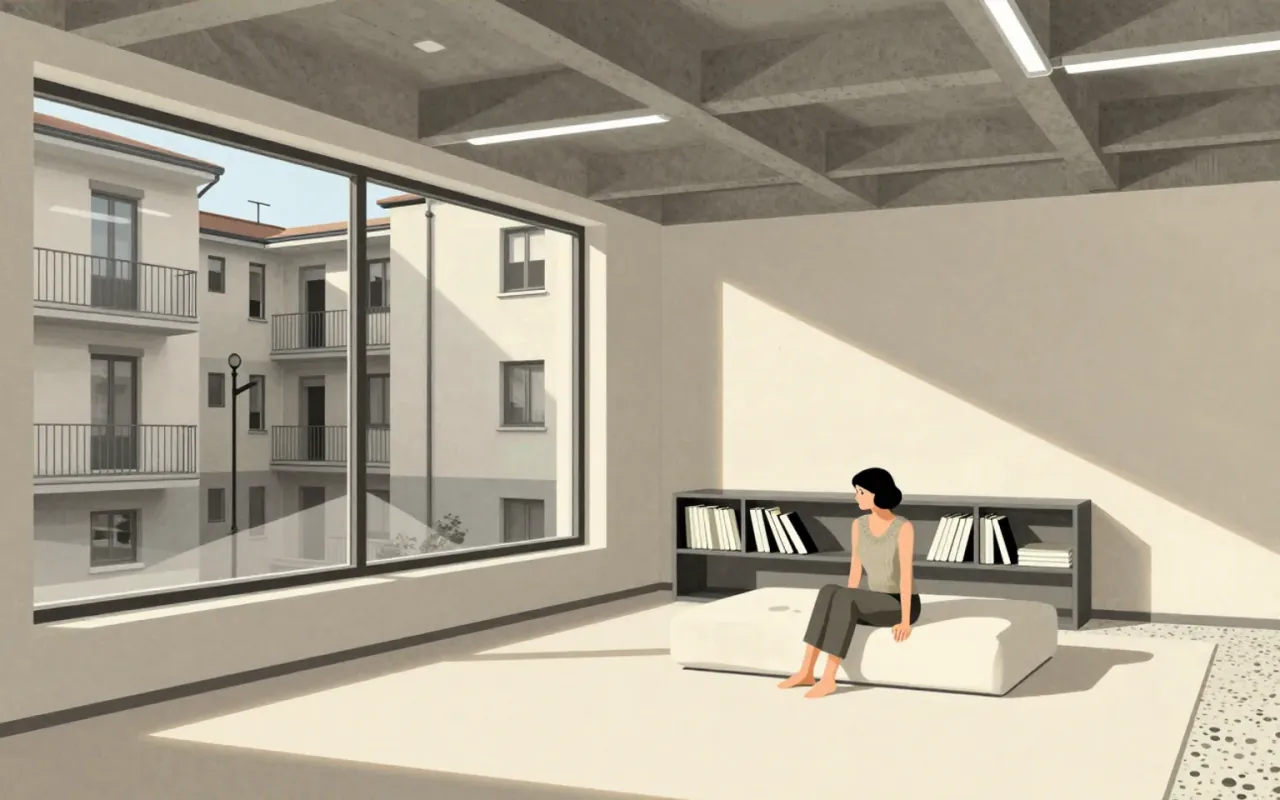
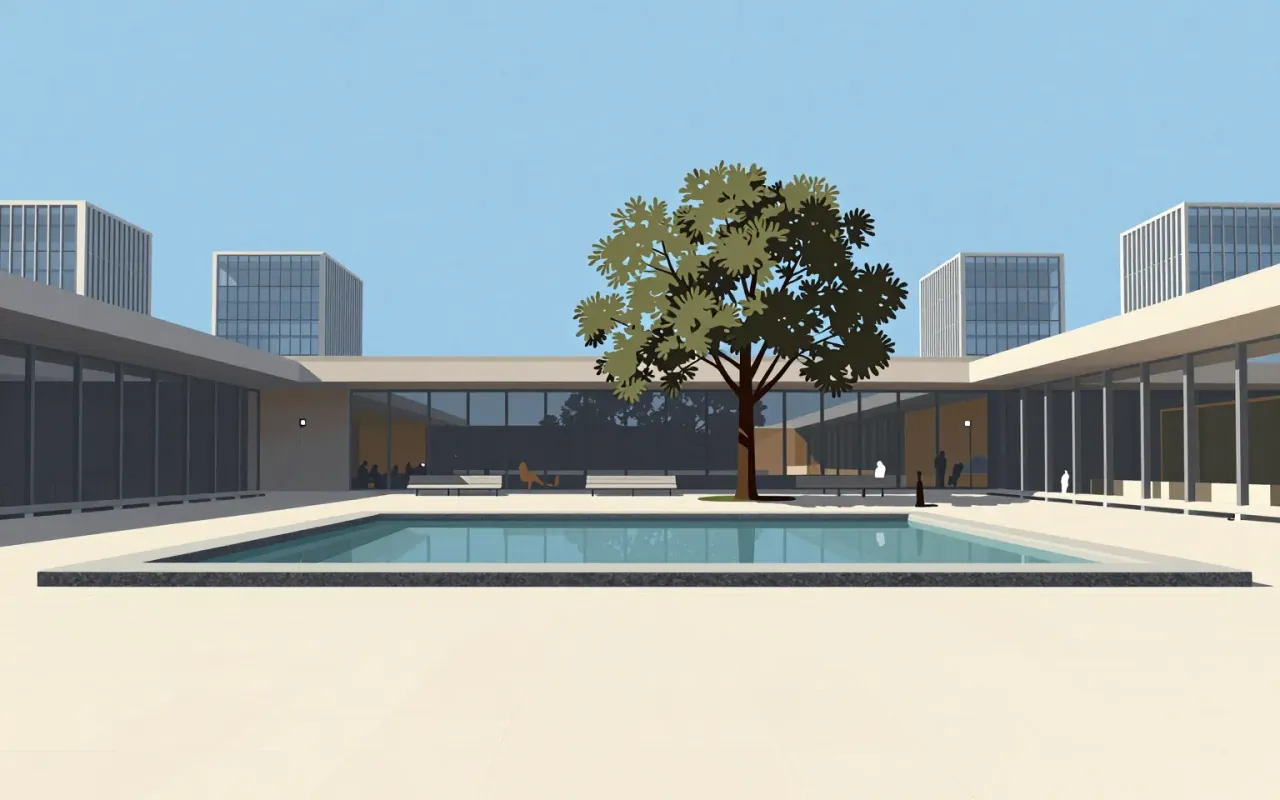
The Salk Institute is the laboratory cluster of Louis Kahn’s unrealised three-part campus. Built 1959–1965 in La Jolla, California, it uses column-free floors, integrated service floors supported by Komendant’s pre-stressed concrete Vierendeel trusses, and a Barragan-advised water court to focus attention on the Pacific Ocean. Only the lab cluster was realised. No source states what it influenced.

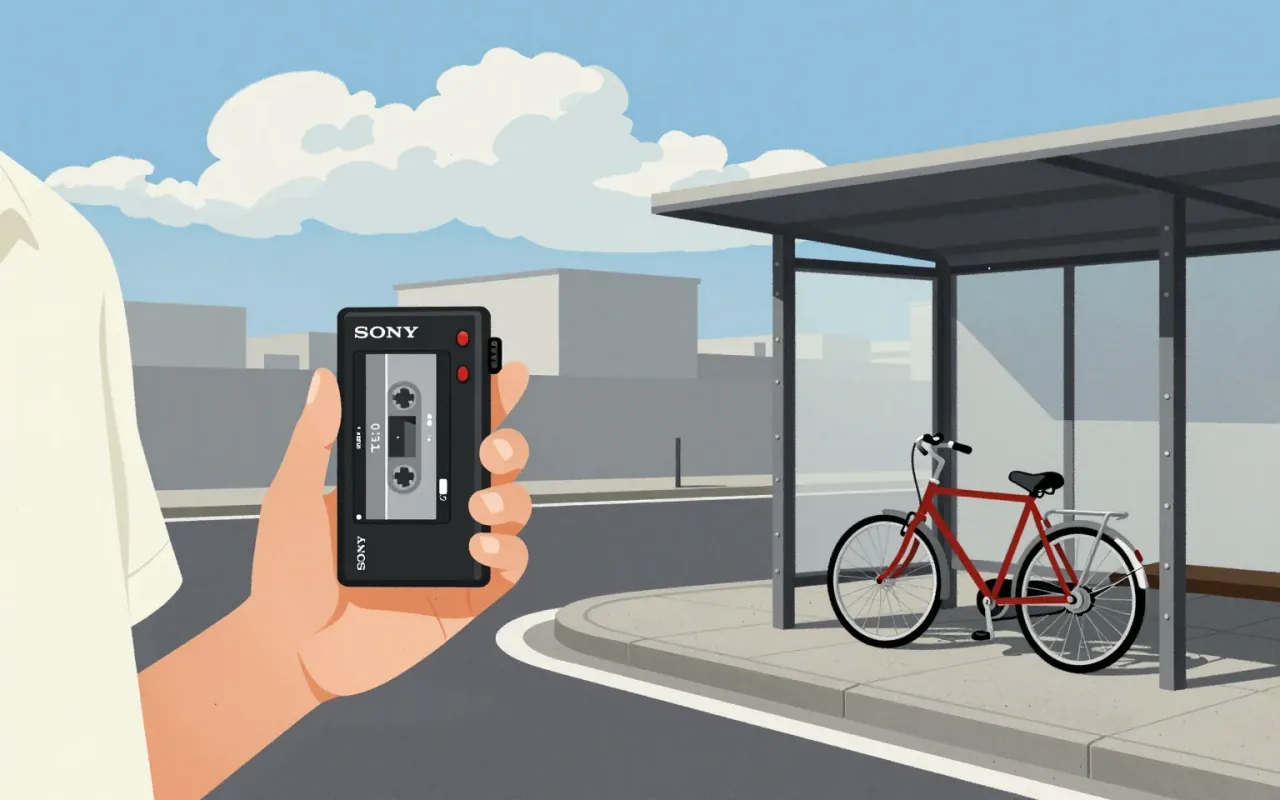
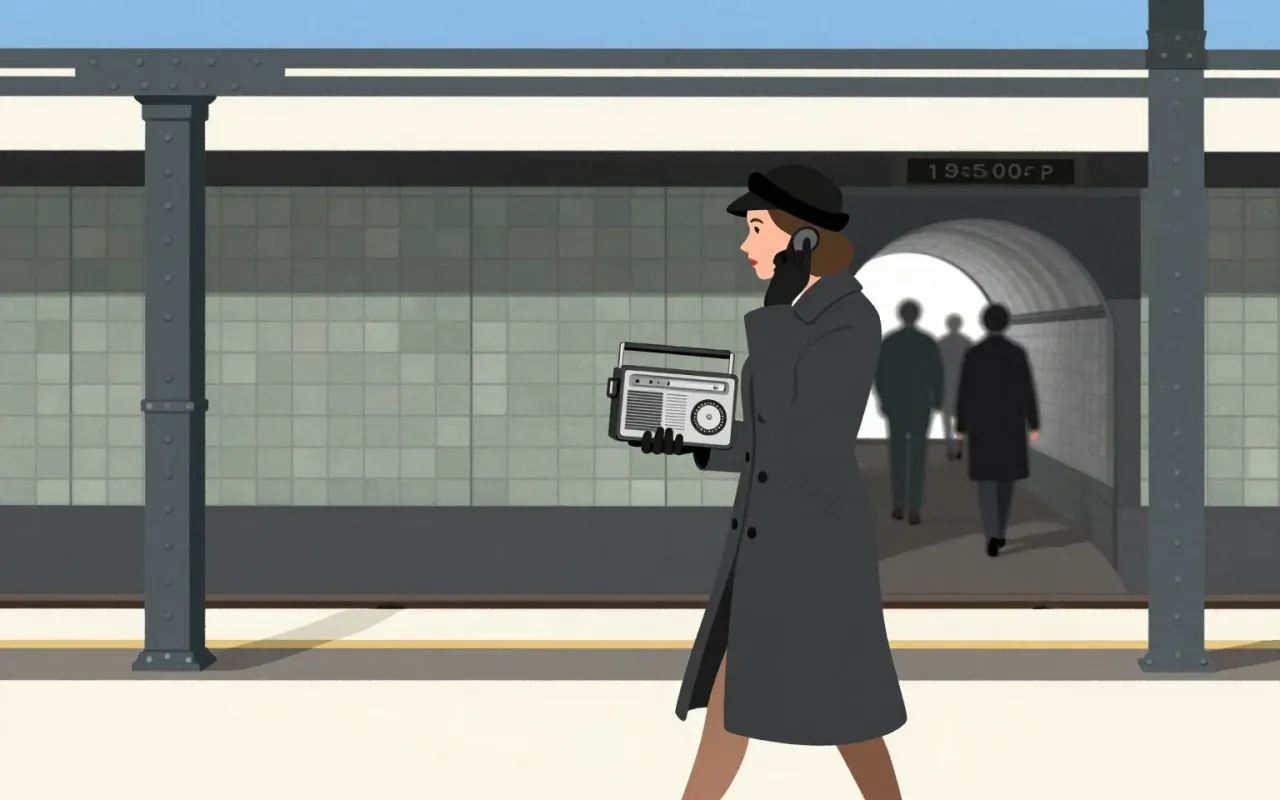
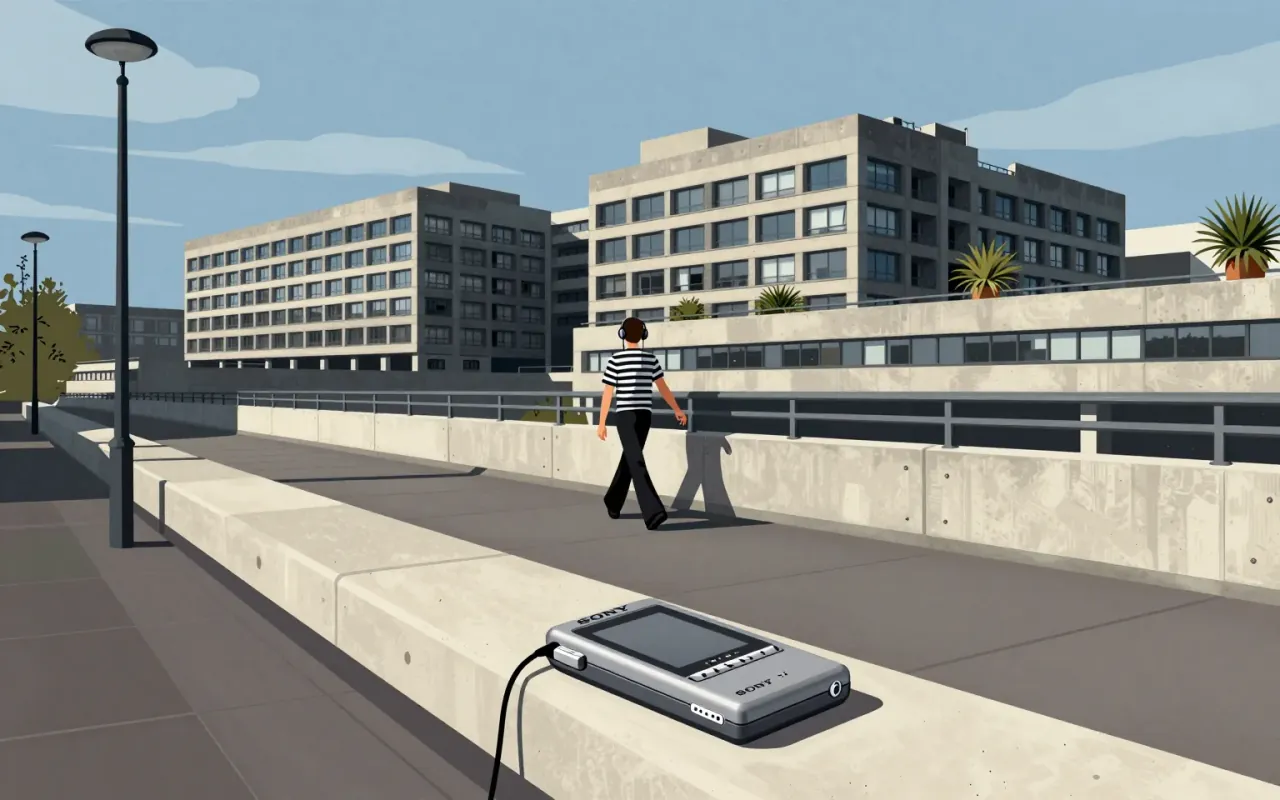
The Walkman is industrial design as behavioural intervention — minimal, specific, and consequential.


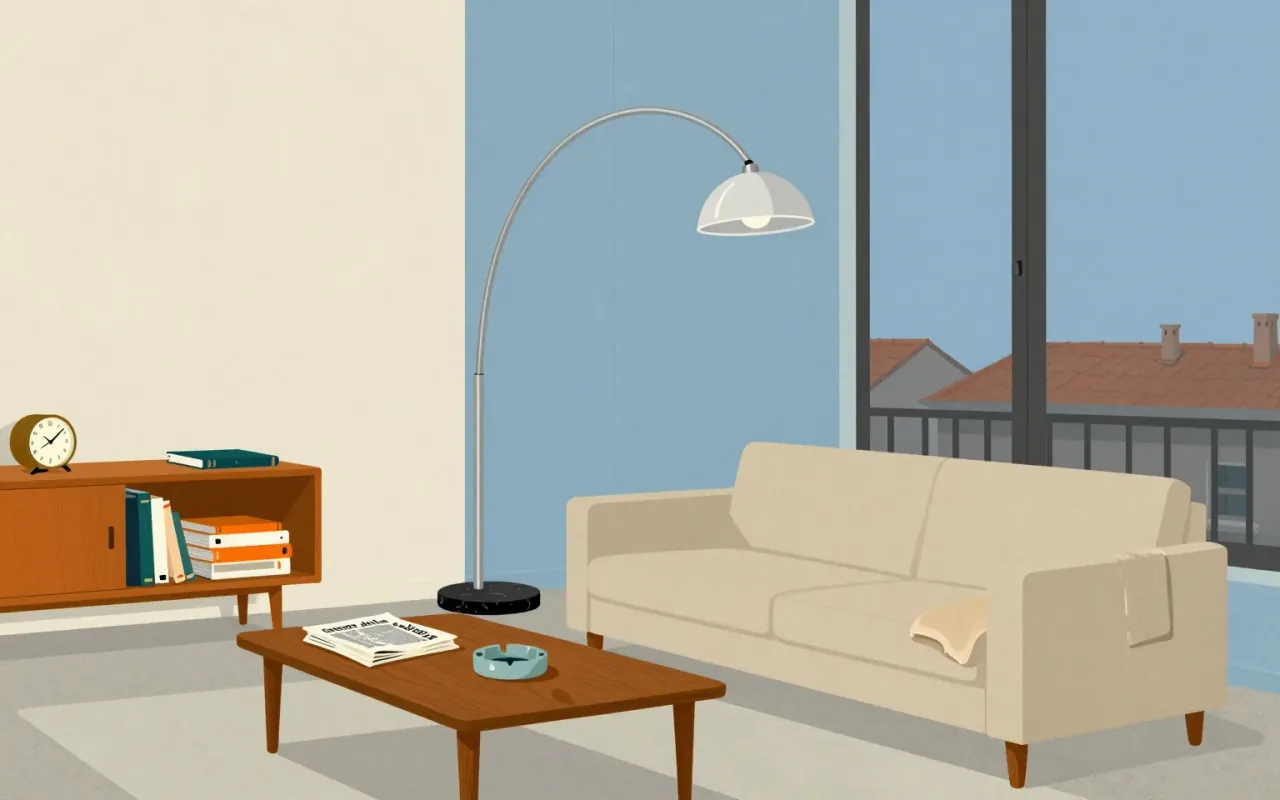
Achille and Pier Giacomo Castiglioni designed the Arco floor lamp for Flos in 1962. It connects a suspended spun-aluminium pendant to a Carrara marble base through an arching stainless-steel arm.










The Moka Express is a functional industrial object defined by constraint: it delivers espresso-style coffee without electricity, pumps, or bar pressure. Its success lies in aluminium’s lightness and manufacturability, its vertical stack’s thermodynamic inevitability, and its tolerance for user inconsistency. Its flaw — the strombolian phase — is inseparable from its mechanism. It is influential not because it is perfect, but because it is sufficient.

The Nintendo Entertainment System is an 8-bit home video game console. It began as the Family Computer (Famicom), released in Japan in July 1983. It was later redesigned and rebranded for Western markets as the NES.




Trinitron is a CRT display technology defined by its single-gun three-cathode electron gun and vertically aligned steel aperture grille. It improved image sharpness by reducing beam obstruction and simplifying focus. Its patent ran until 1996. It launched as a branded line in 1968, powered televisions and monitors until 2005–2007, and marked the end of Sony’s analog display era.


The Zippo lighter is a tightly constrained industrial object defined by wind resistance, guaranteed longevity, and procedural repeatability — not novelty, aesthetics, or scale.
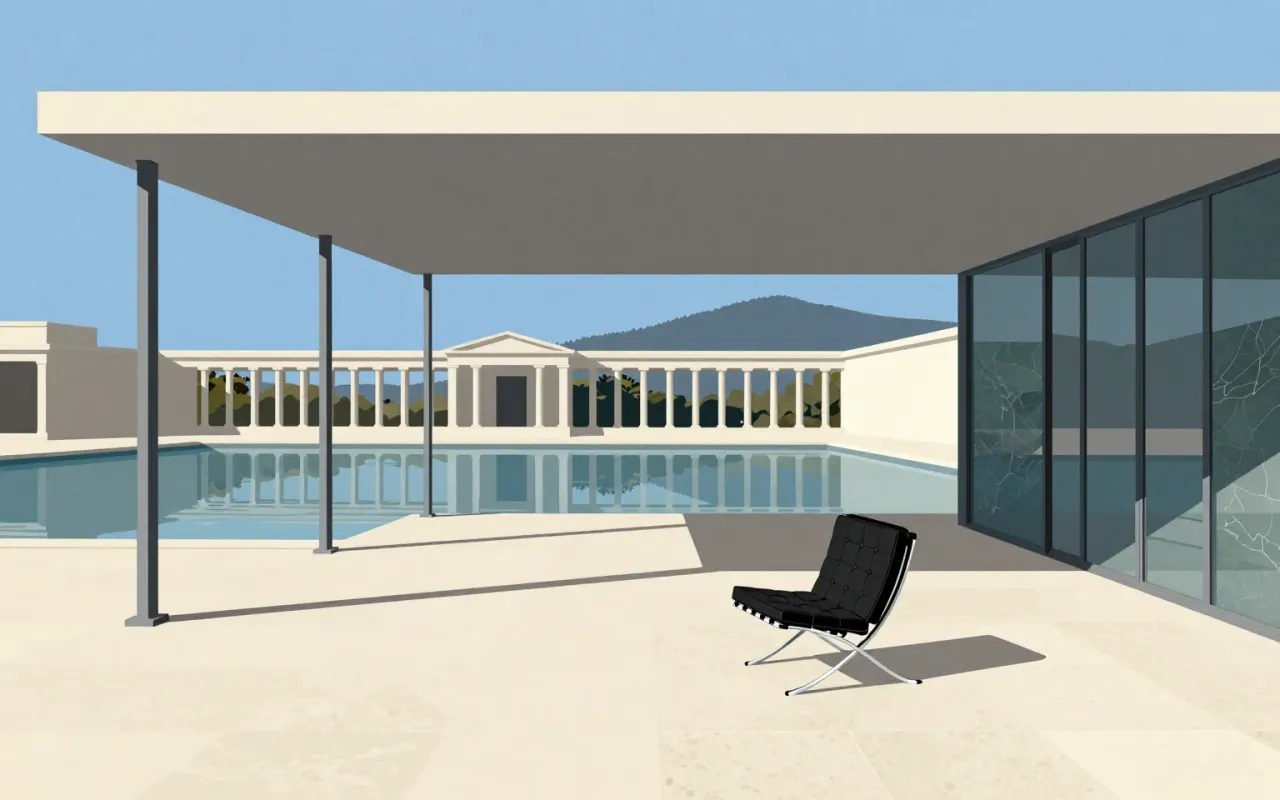
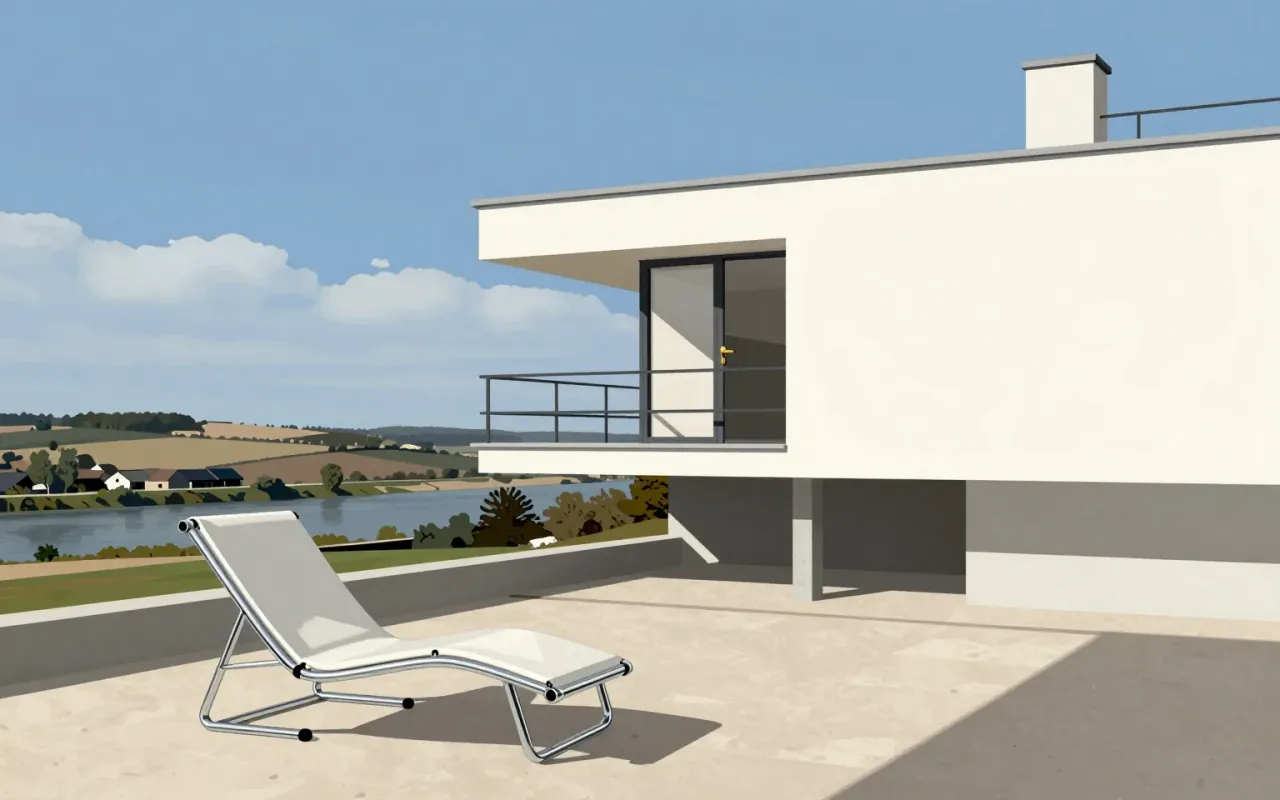
Associated with Ludwig Mies van der Rohe and Lilly Reich's work for the German Pavilion in Barcelona in 1929, the Barcelona chair combines a metal frame with leather upholstery. Its construction changed after the original design.

The Egg chair is a tightly constrained response to the SAS Royal Hotel commission: a sculptural, isolating seat made possible by new materials. Its couch variant reveals the cost of scaling that logic — a visible seam, limited production, and unresolved tension between form and upholstery. It belongs to design/furniture and design/interiors. Topics include furniture, industrial-design, and interiors.
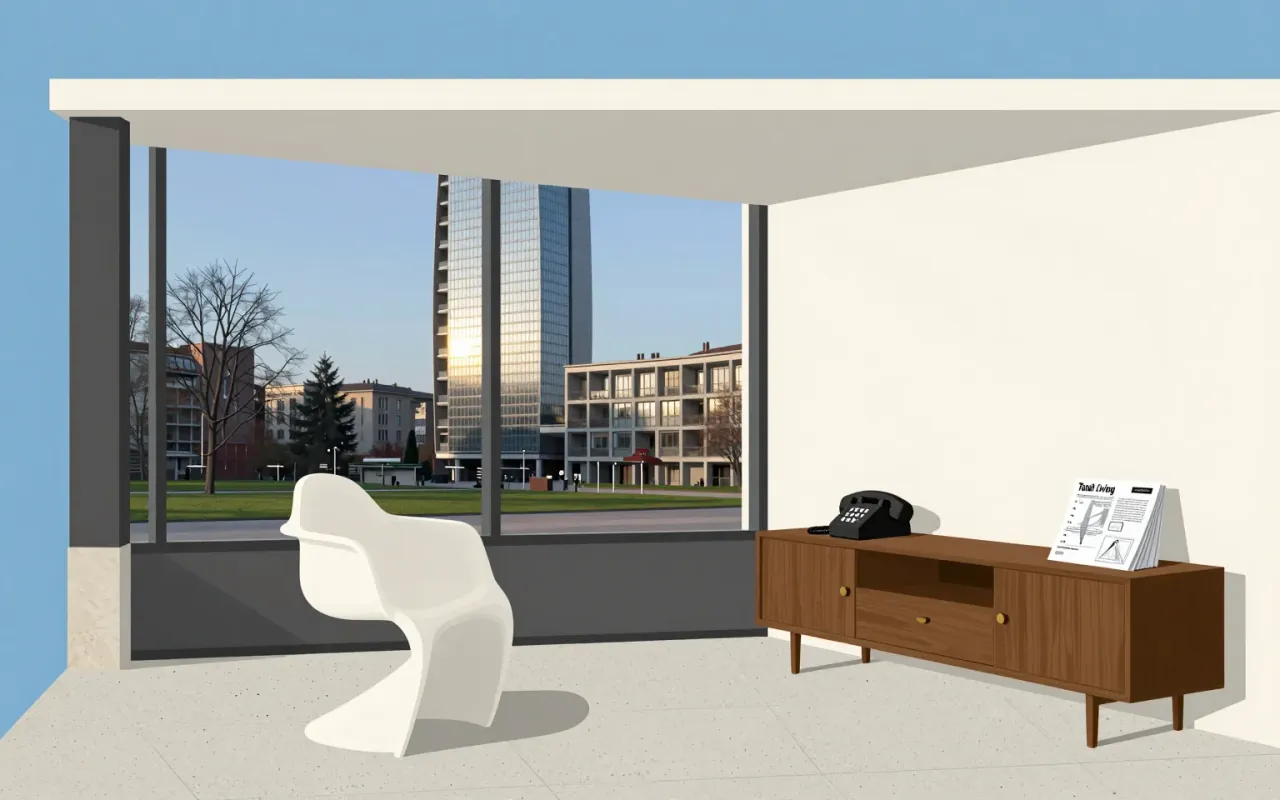
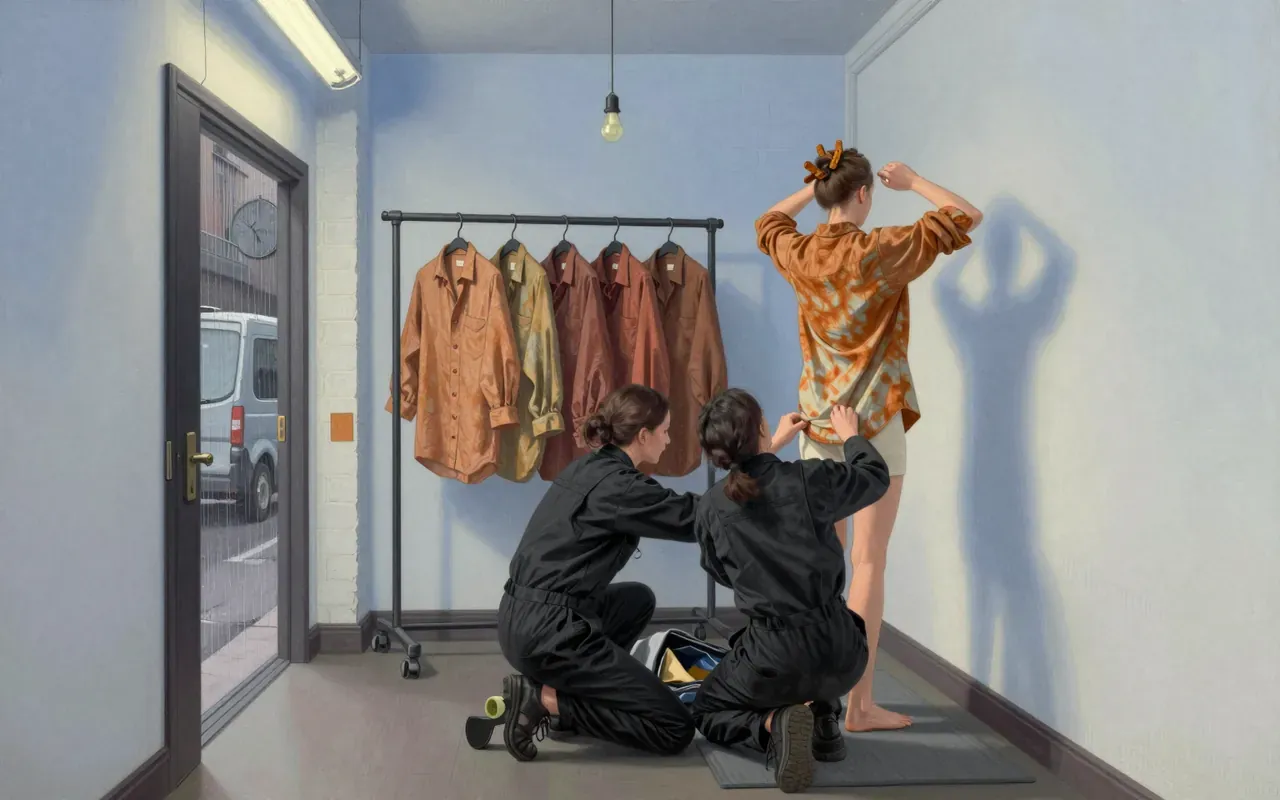
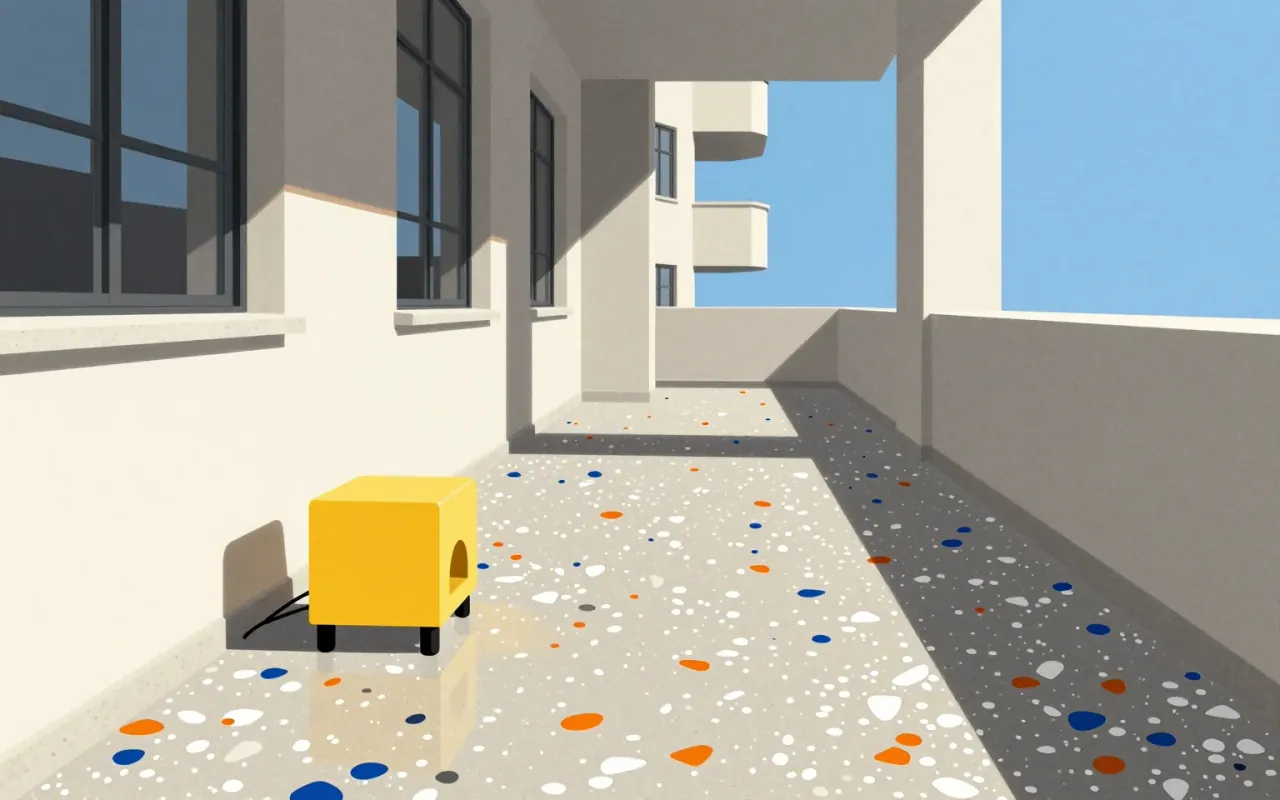
The Memphis Group was a short-lived but decisive intervention: a collective rejection of Modernist austerity, built on accessible materials, shared drawing, and irreverent references. Its durability lies not in longevity but in how precisely it named the limits of ‘good taste’ — then stepped past them.

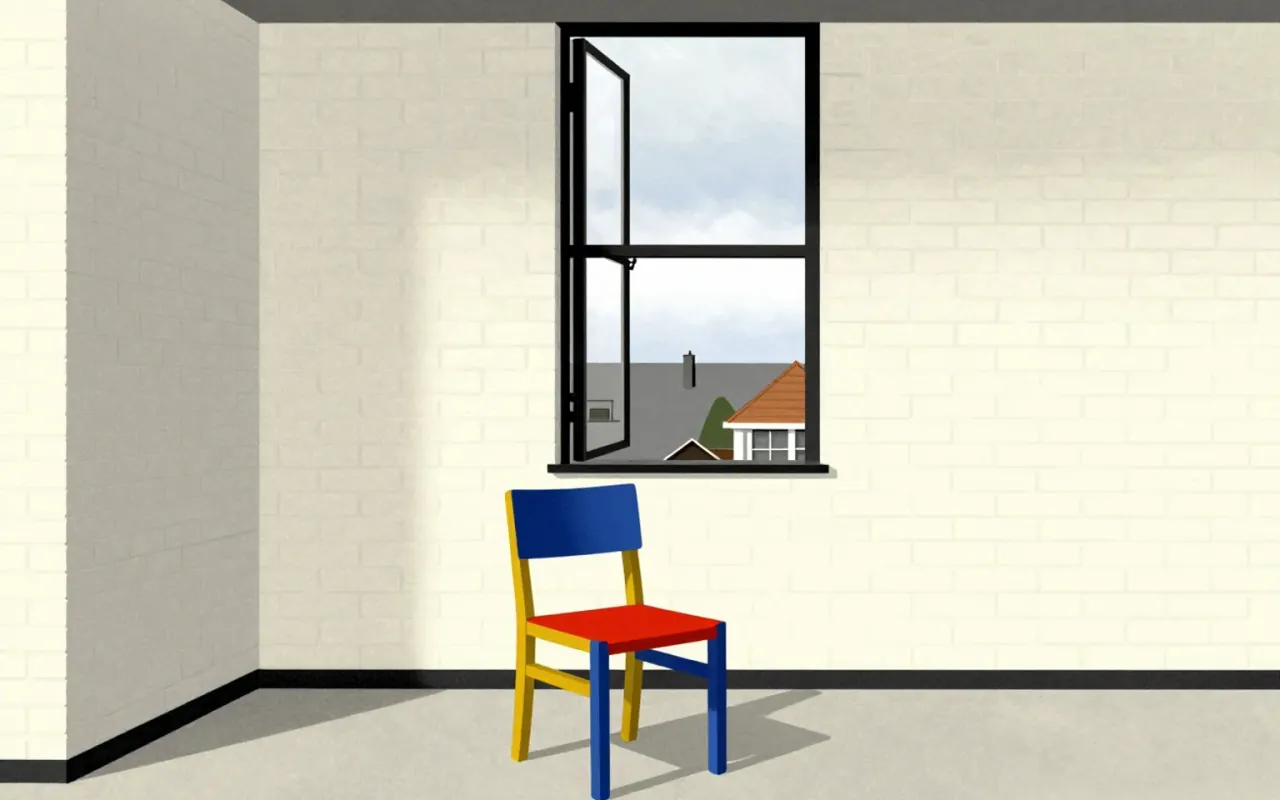

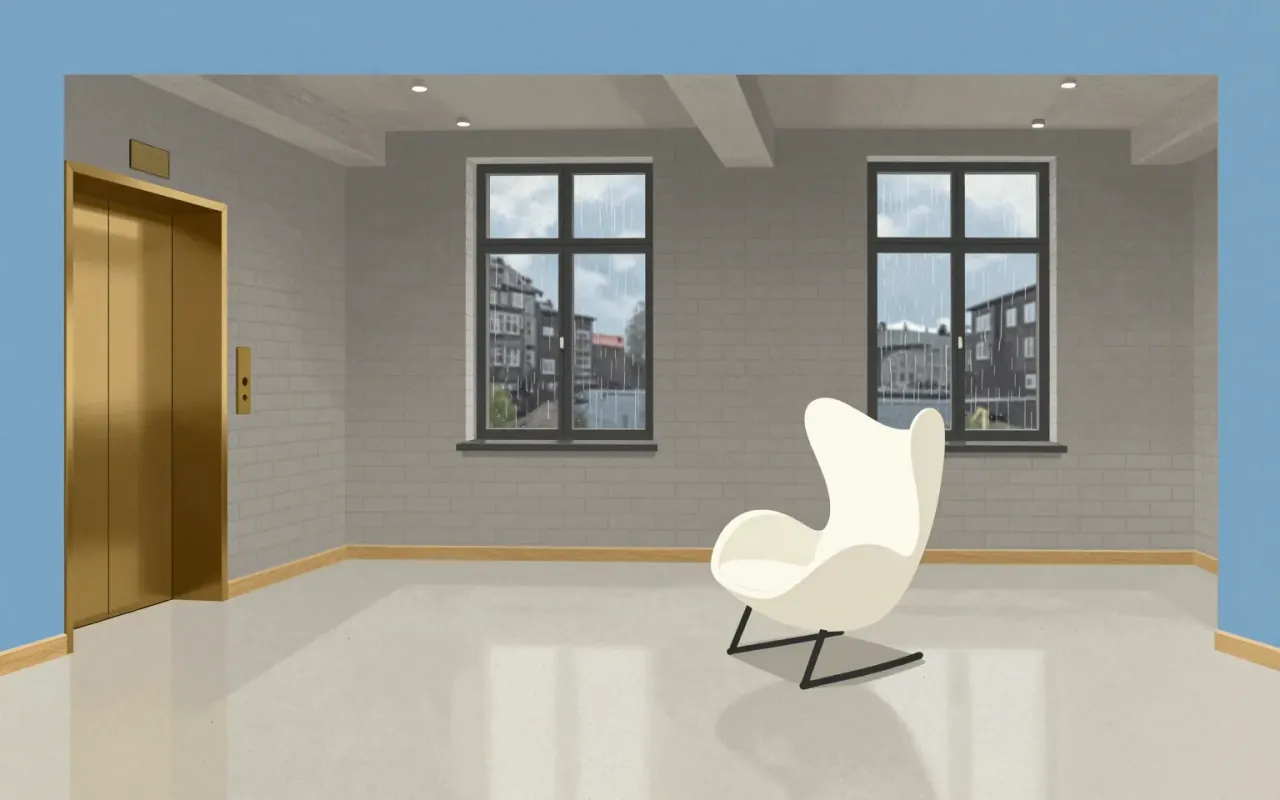
Arne Jacobsen designed the Swan lounge chair and sofa for Copenhagen's SAS Royal Hotel in 1958. The chair combines an upholstered body with a star-shaped satin-polished aluminium base.

Michele De Lucchi and Giancarlo Fassina designed the Tolomeo desk lamp for Artemide in 1986. Its articulated aluminium arms, tension cables and swivelling reflector make it a useful study in adjustable task lighting.
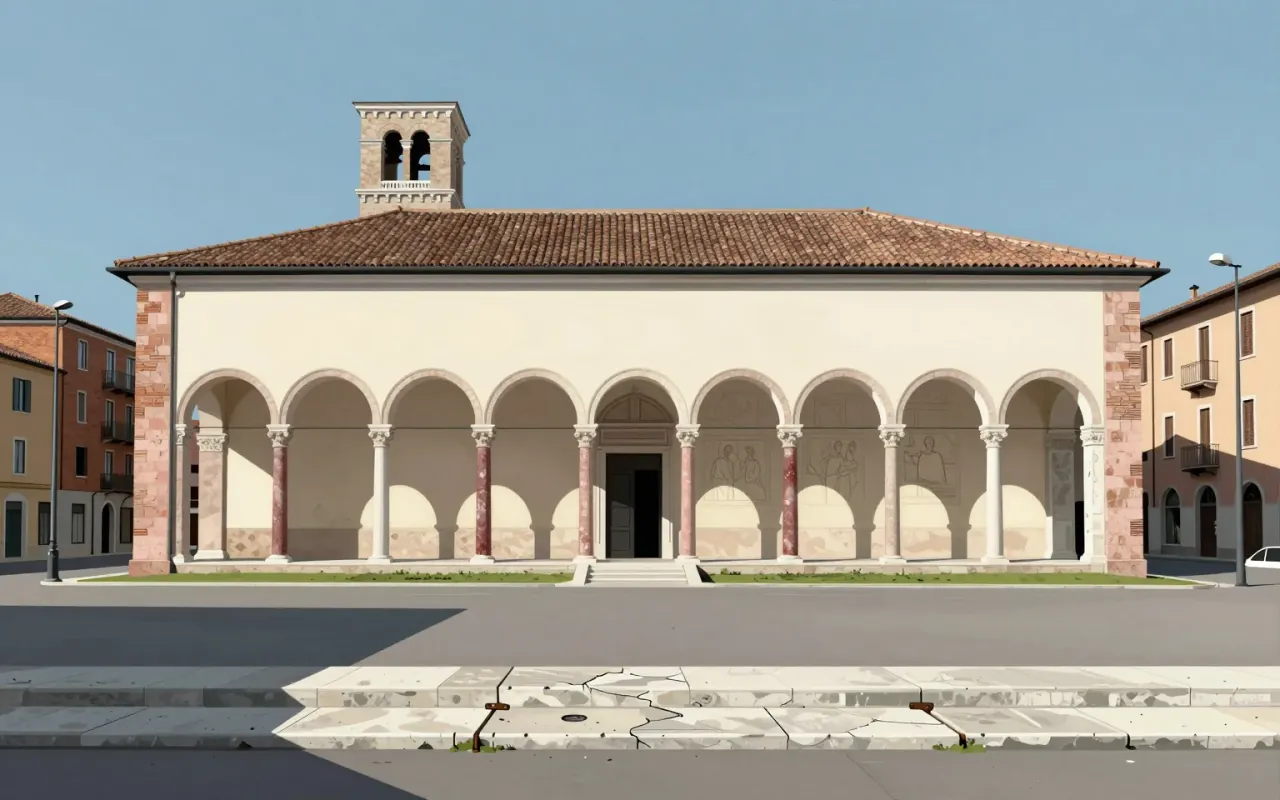

550 Madison Avenue is a postmodern skyscraper completed in 1982 by Philip Johnson and John Burgee. It uses pink Stony Creek granite cladding and features an eight-story arched entry and split pediment. It challenged modernist functionalism, complied with NYC zoning via an atrium, and reduced energy use versus glass towers. Though not the first postmodern building, its scale and location made it the movement’s most famous example. It was designated a NYC landmark in 2018.
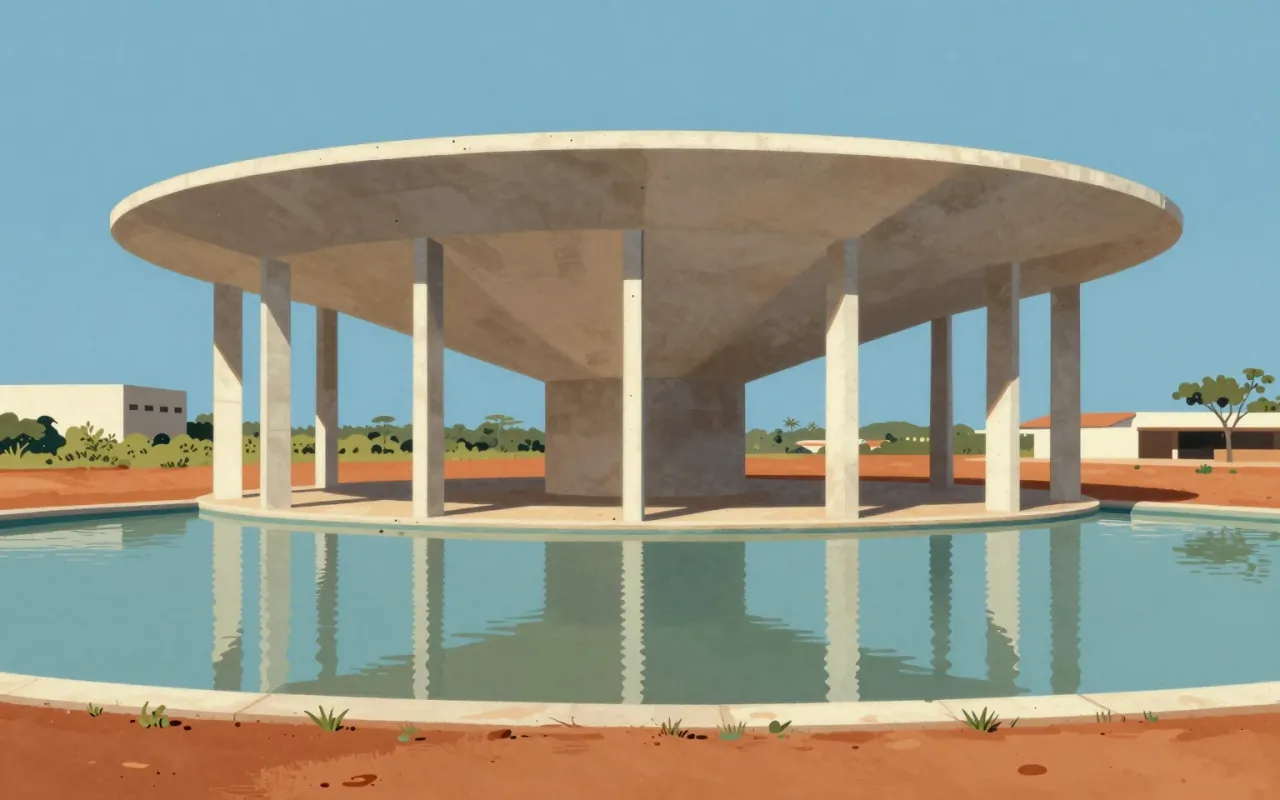
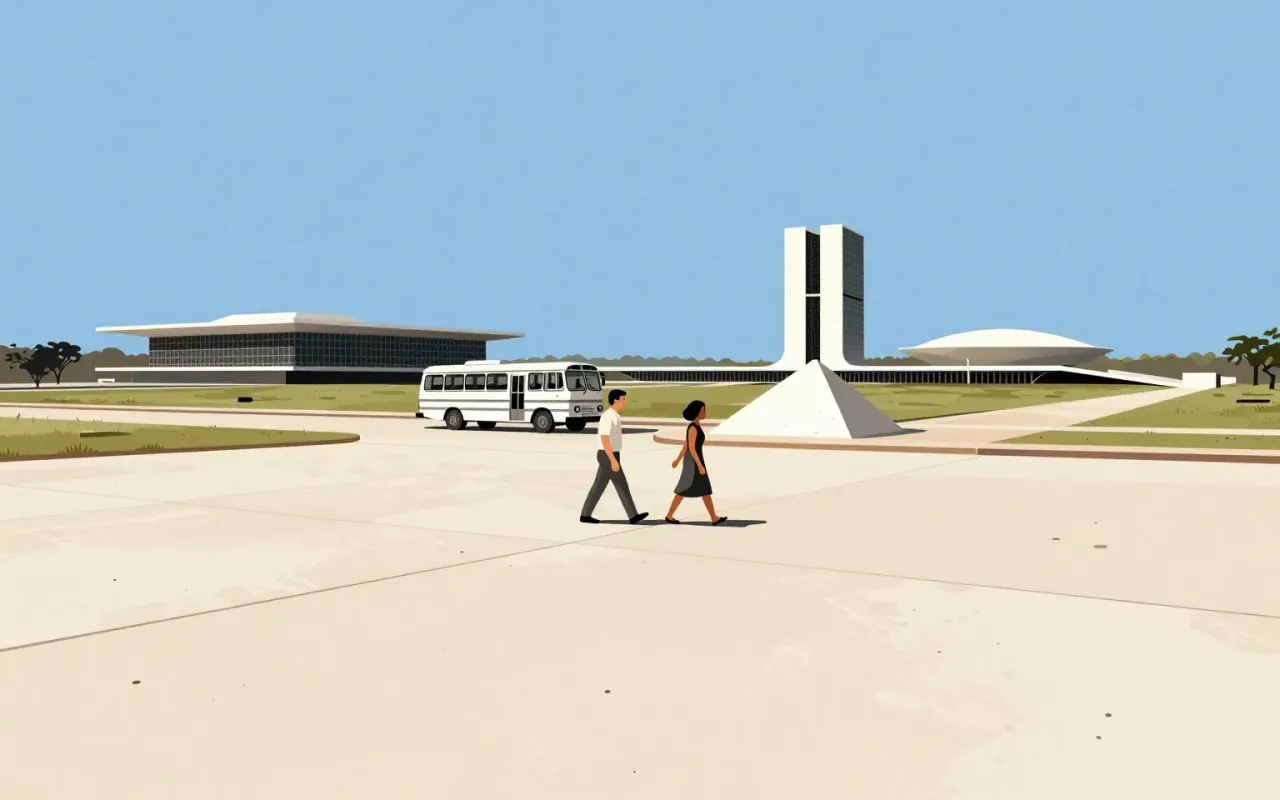
The Cathedral of Brasília is a hyperboloid concrete-framed structure designed by Oscar Niemeyer and engineered by Joaquim Cardozo, featuring subterranean massing, symbolic column geometry, passive thermal design via a reflecting pool, a fiberglass outer roof, and a large suspended stained-glass composition. It specifies construction methods, dimensional and material properties, spatial sequencing (tunnel entry), and symbolic intent tied directly to structural form.
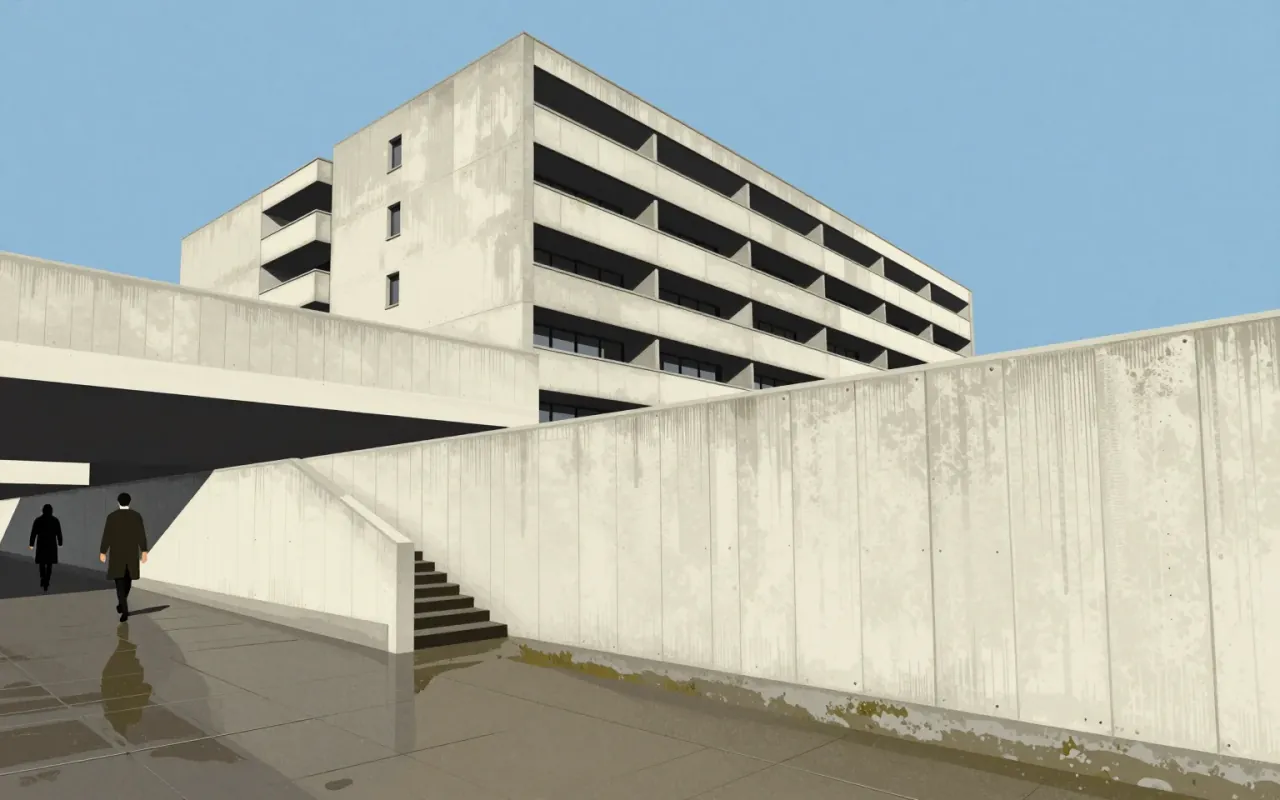


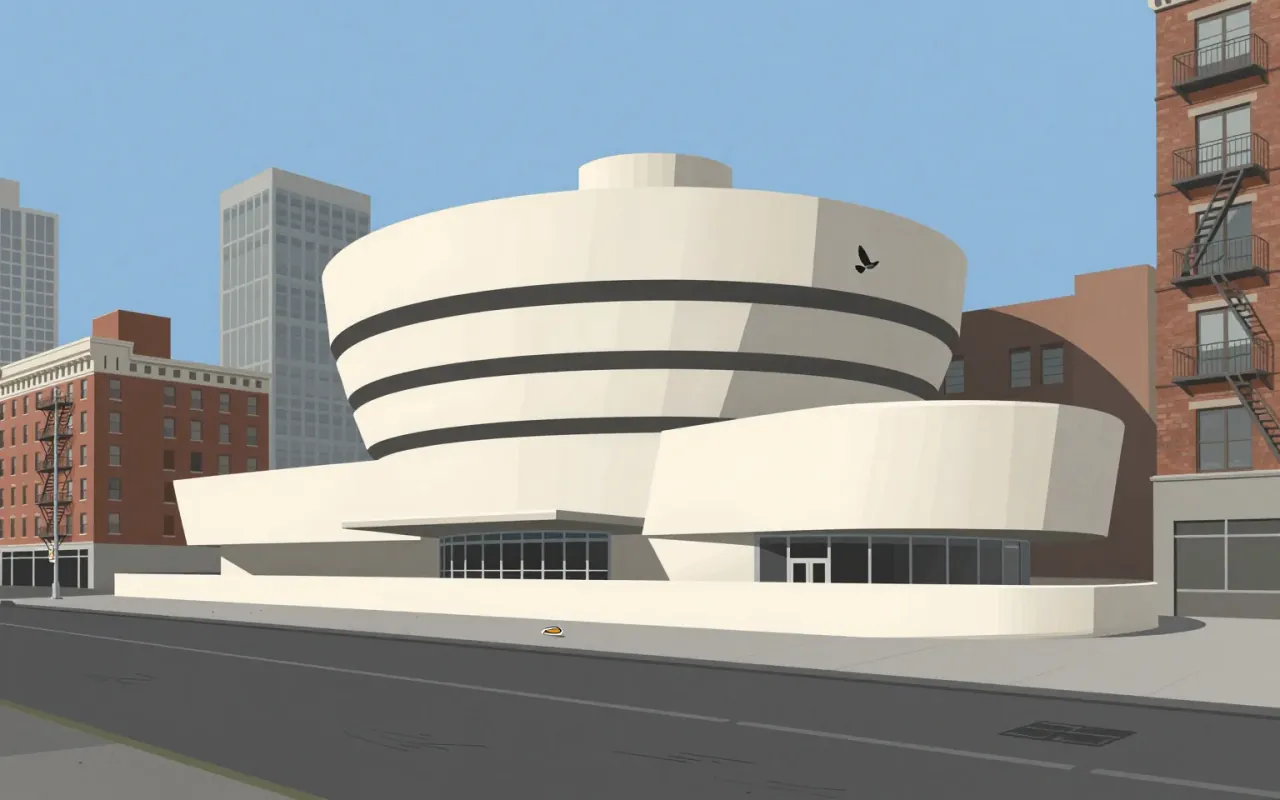
The Solomon R. Guggenheim Museum is Frank Lloyd Wright’s most recognized masterpiece. Built in New York City and completed in 1959, it features a helical ramp surrounding an open-air atrium. Wright designed it over 15 years, using more than 700 sketches and six sets of working drawings. The commission came from Hilla von Rebay, who envisioned a 'temple of spirit' enabling a new way of seeing modern art. Wright incorporated geometric motifs — squares, circles, rectangles, triangles, lozenges — each assigned symbolic meaning. Visitors ride an elevator to the top and descend the ramp, experiencing the gallery itself as a work of art. The building drew controversy for its unusual display spaces and remains a landmark of 20th-century architecture.

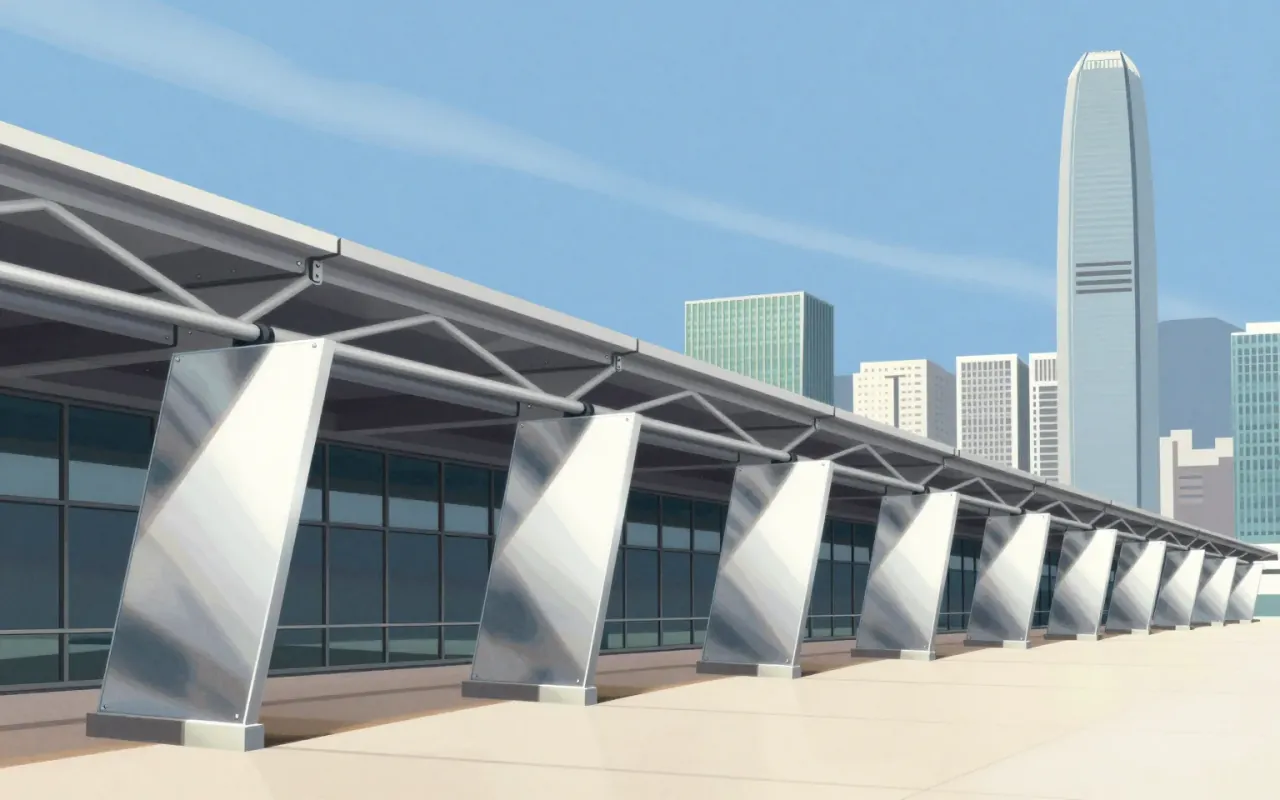
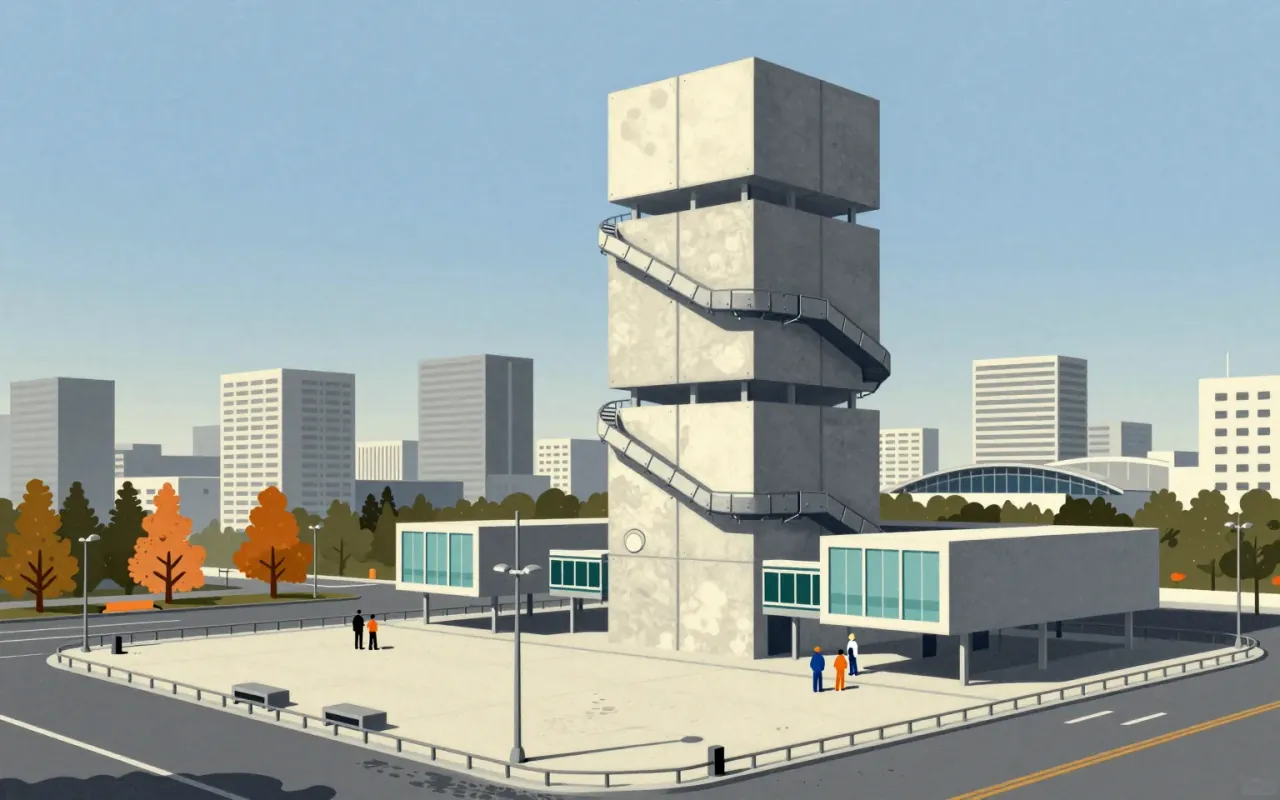
A suspended steel tower that replaced internal columns with external masts, prefabricated modules, and escalators—built at record cost to save a firm.










A diagrammatic map of London's rapid transit network, designed in 1931 by Harry Beck. It is not a geographic map. It is a navigational tool that reduces the network to connections, sequence, and interchange points.





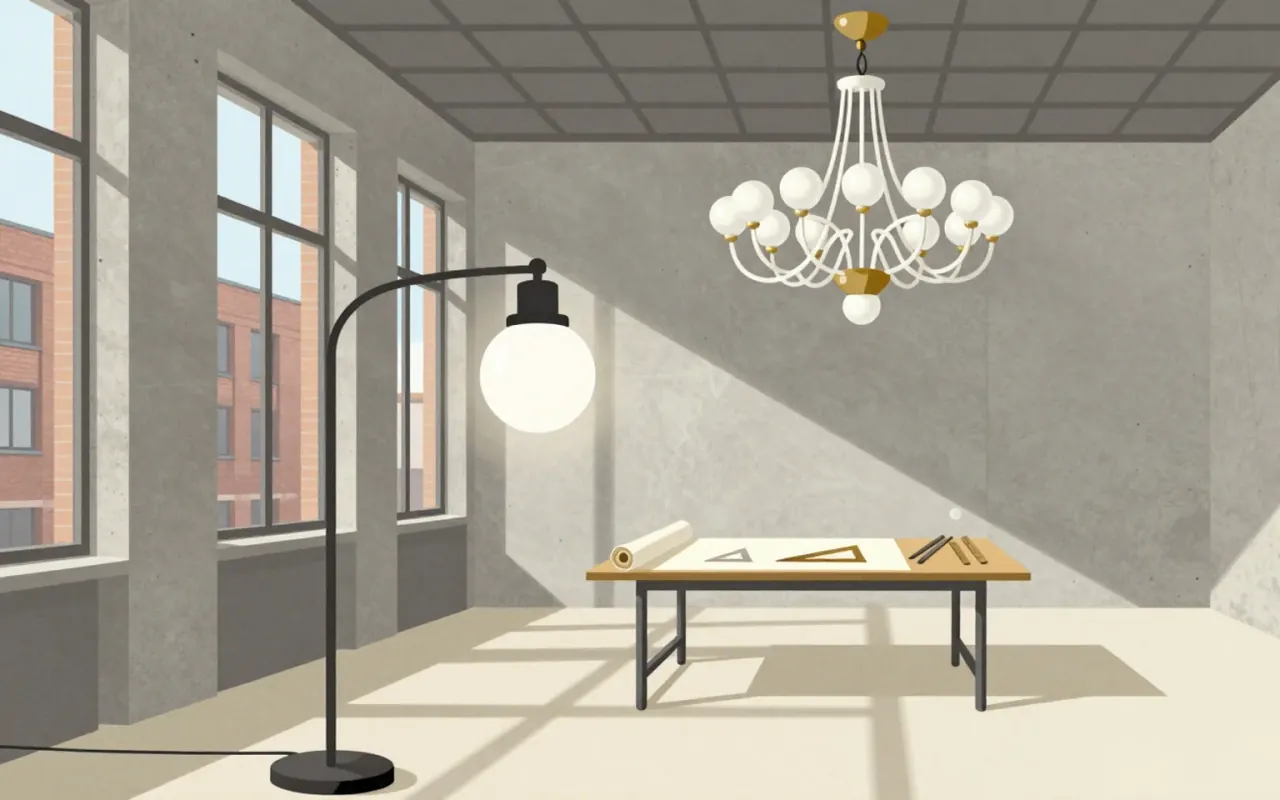

The Anglepoise lamp is a balanced-arm lamp designed in 1932 by George Carwardine, a vehicle suspension specialist. Its defining feature is the placement of all springs near the base — a direct transfer of suspension mechanics to lighting. It requires no clamps to hold position. Carwardine patented it, built it himself in Bath, then licensed it to Herbert Terry and Sons in 1934. Two versions exist: four-spring for professional use, three-spring for domestic use — both sharing the same spring-placement principle.
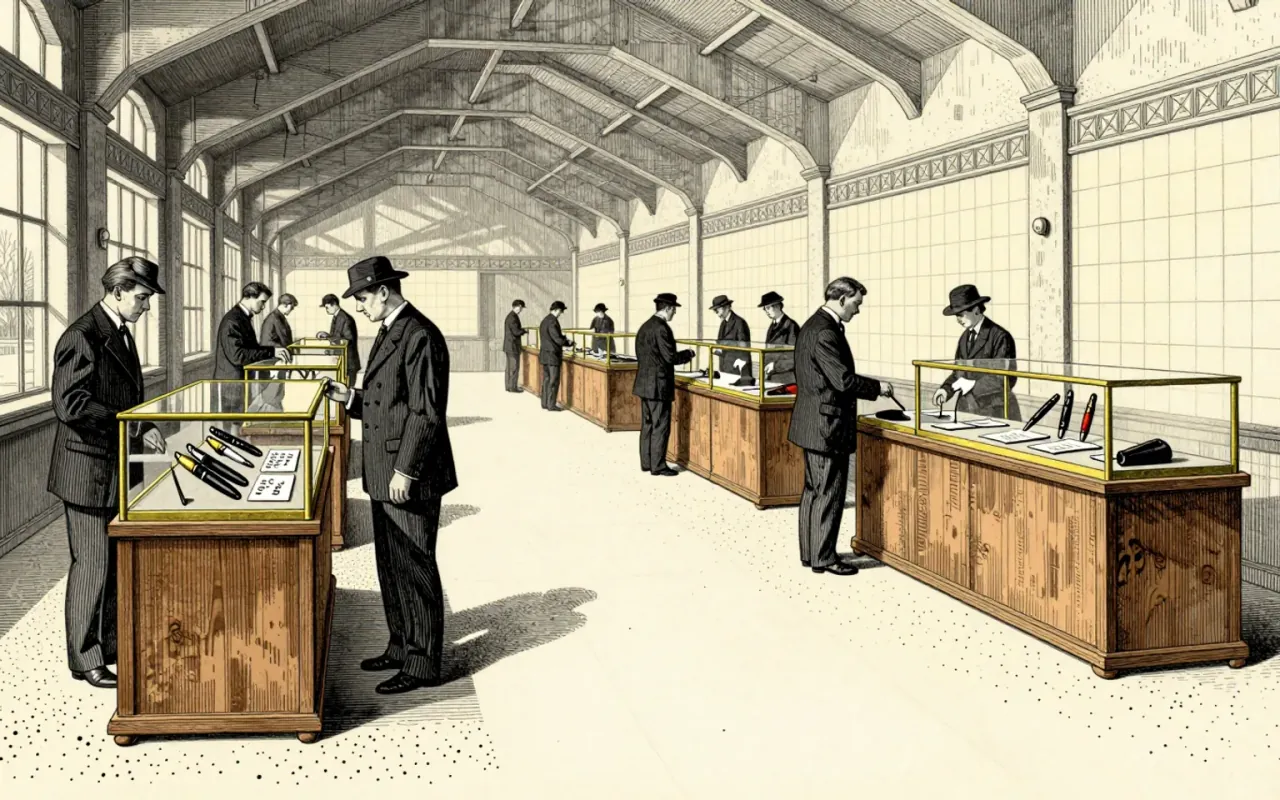
The ballpoint pen is a mechanical solution to ink viscosity. It replaces fountain-pen capillary action with a rotating ball that meters viscous, fast-drying newspaper ink. Bíró’s 1931 prototype and subsequent patents formalised this logic — not as refinement, but as substitution. It works where fountain pens fail: on absorbent paper, without blotting, with minimal maintenance. It does not solve line consistency or pressure sensitivity. Its influence is structural: it defined the cartridge-fed, disposable, low-tolerance writing tool that dominated global manufacturing after 1945.

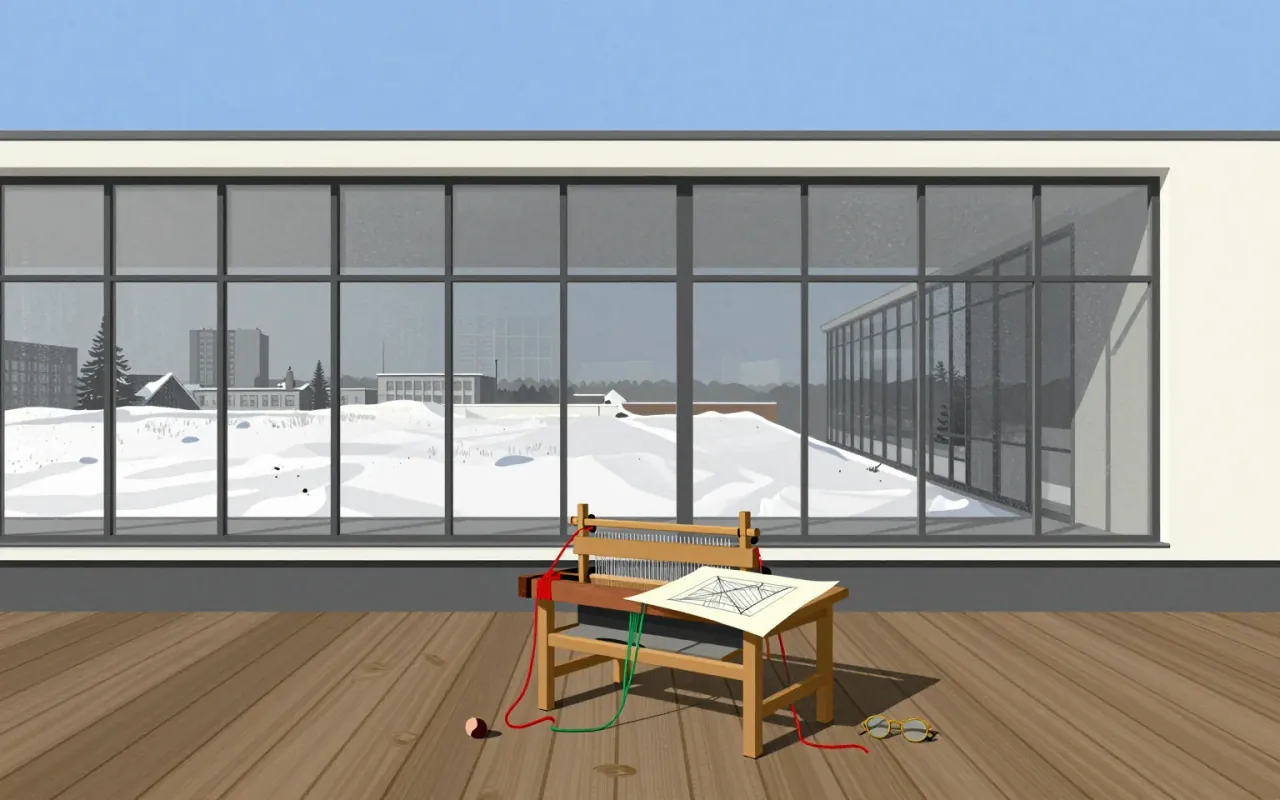
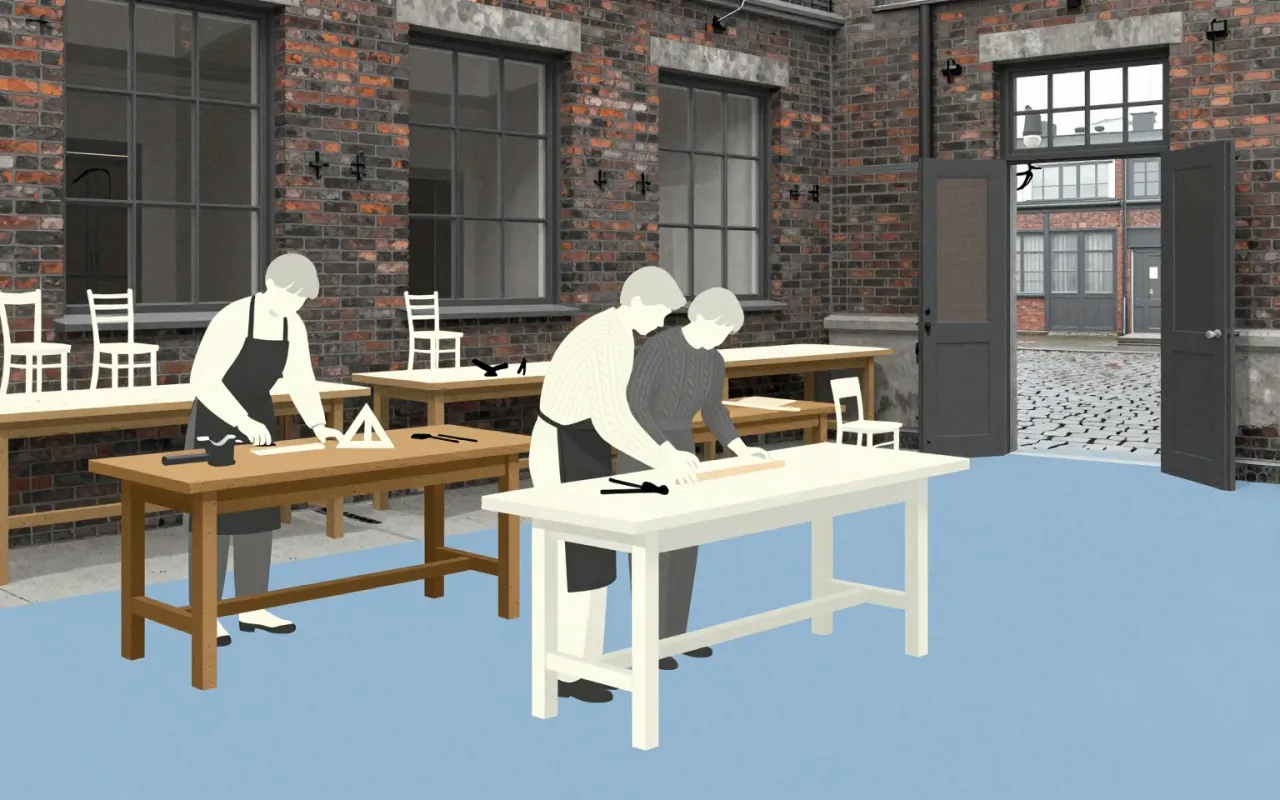
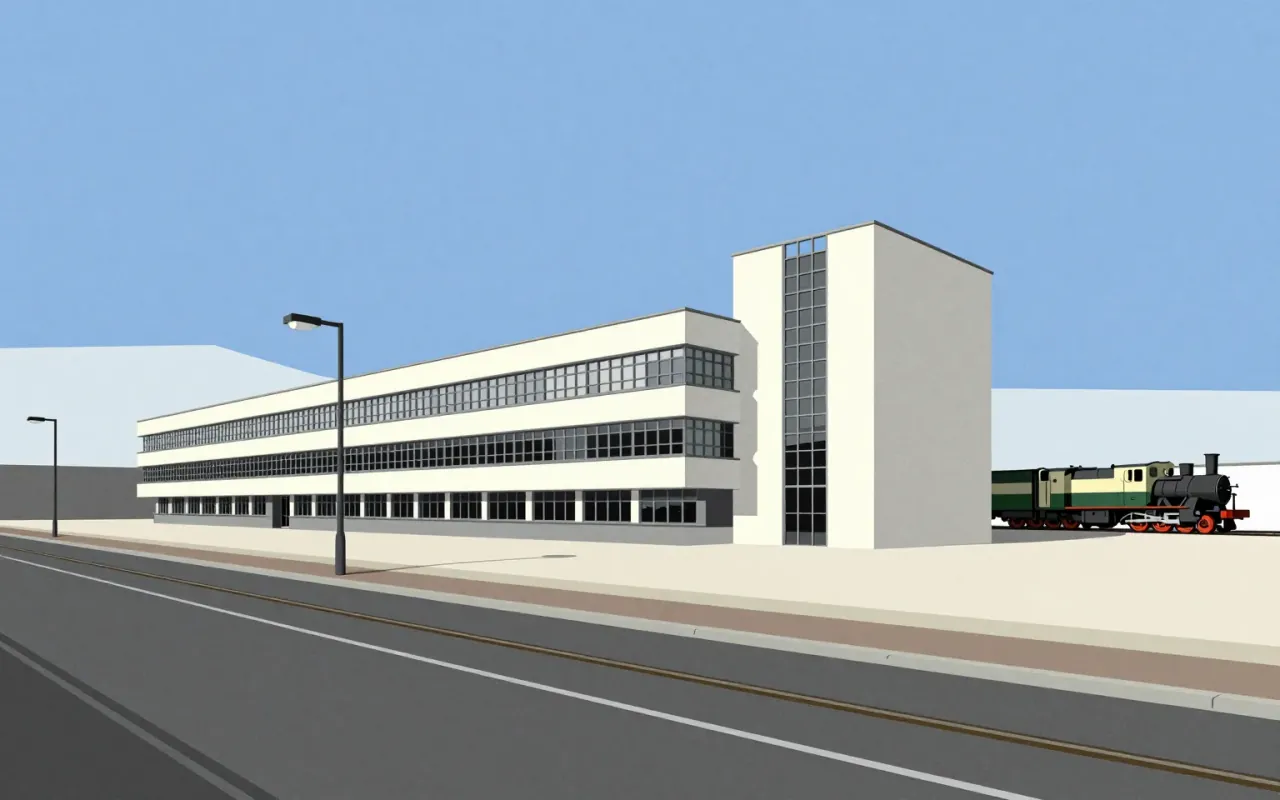
The Bauhaus was a German art school (1919–1933) founded by Walter Gropius in Weimar. It combined crafts and fine arts through an experimental, theory-led pedagogy centred on the Vorkurs. Its aim was to unify artistic vision with mass production, functionality, and industrial collaboration — producing functional, cheap, industrially viable objects like the F51 armchair (1920), Sommerfeld House (1920), and Gropius’s 1923 door handles. Its internal tensions — between expressionism and New Objectivity, craft and industry — were structural, not resolved. It established the principle that aesthetic quality must extend to every home via well-designed, industrially produced objects.

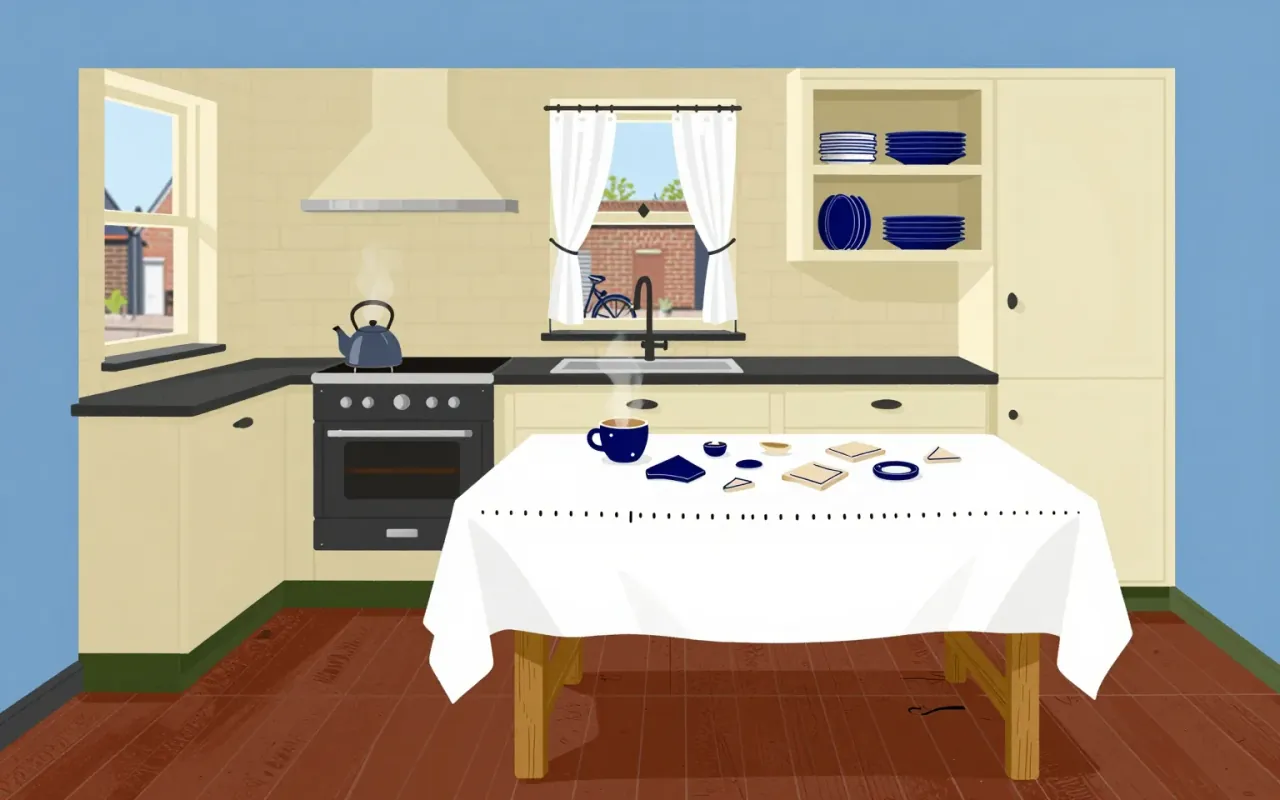

The iMac G3 is not a nostalgic icon — it is a tightly constrained industrial design response to market irrelevance, manufacturing pressure, and strategic reset. Its decisions were specific, costly, and reversible. Its influence is factual, not mythical.

The SX-70 and model 95 Land Camera are industrial design decisions that replaced photographic process with photographic moment. They achieved seamlessness by embedding chemistry, timing, and ejection into hardware — not software, not service, not instruction. No claim is made about aesthetics, mass production, or longevity. Only this: they moved development from darkroom to device, and from ritual to reflex.
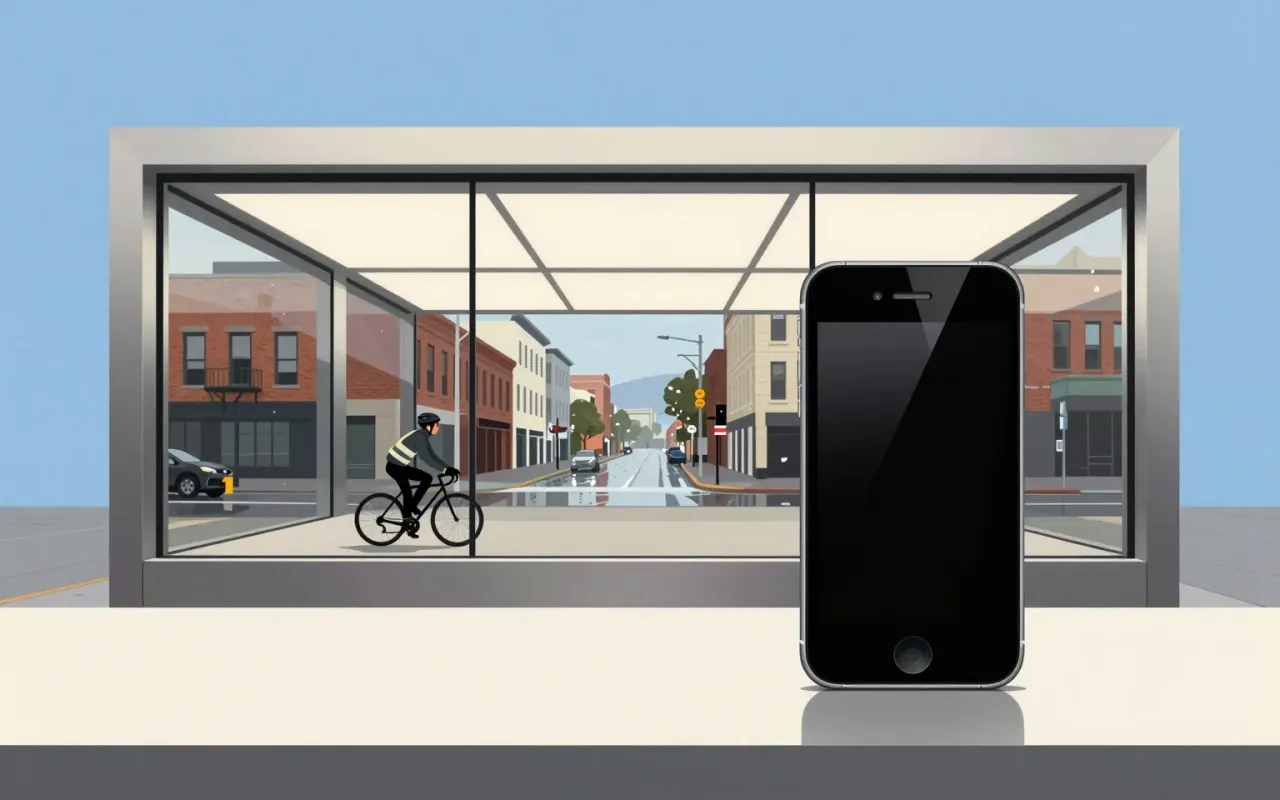
The iPhone is a pivotal industrial design and interface product defined by its introduction of multi-touch, its establishment of iOS as a global platform, and its role in standardising the slate form factor and launching the app economy. Jony Ive played a vital role in its design. No material, dimension, year of release, manufacturing method, or functional limitation is stated in the sources beyond those verified claims.

The iPod is a landmark industrial design object whose longevity and scale emerged from disciplined constraint-handling — not originality of form or interaction. Its lineage, licensing, and timing are better documented than its materials or mechanics. It belongs in industrial design history not as a breakthrough, but as a benchmark for execution under real-world limits.

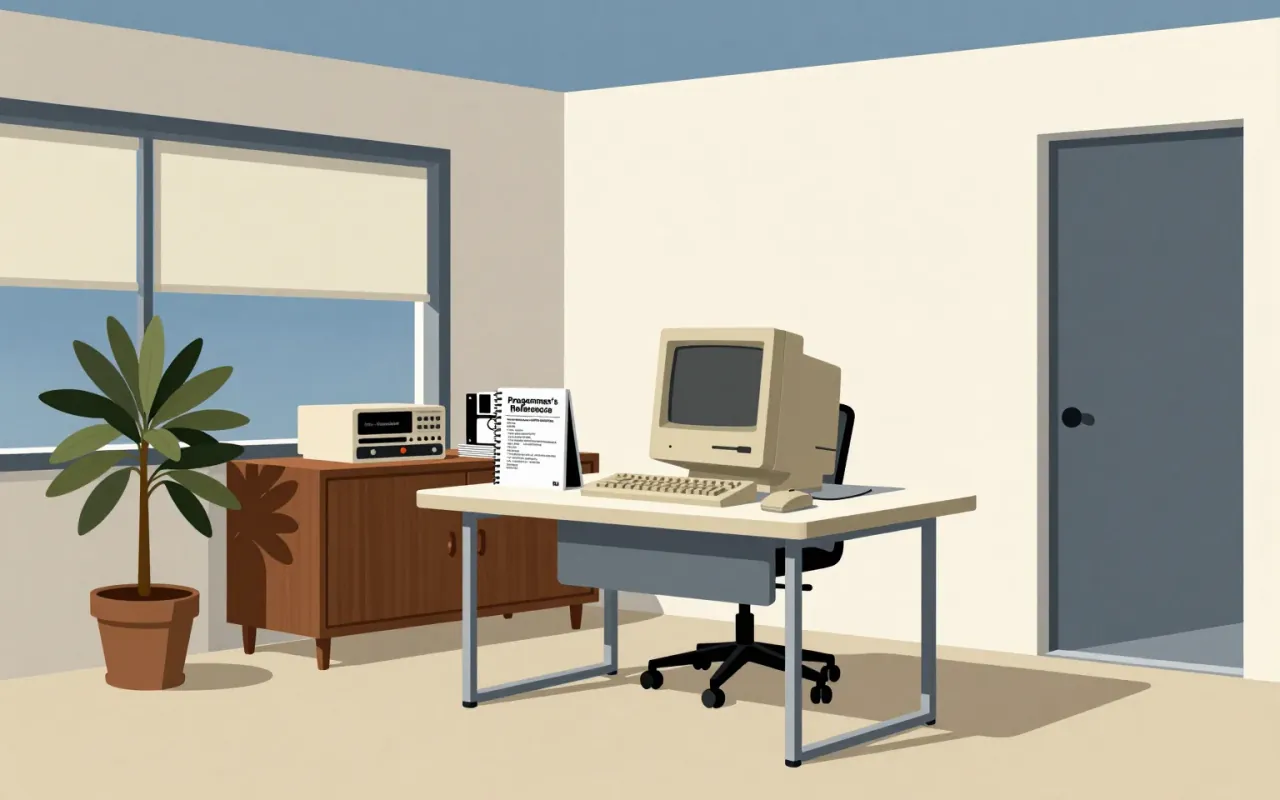
The Macintosh 128K is the original Macintosh personal computer from Apple. It is the first successful mass-market all-in-one desktop personal computer with a graphical user interface, built-in screen and mouse. It was pivotal in establishing desktop publishing as a general office function. Its hardware includes a 9-inch, 512×342 pixel monochrome CRT display, a Motorola 68000 microprocessor running at 7.8336 MHz, 128 KB RAM shared by the processor and display controller, and 64 KB ROM containing the boot procedure, OS routines, and the complete QuickDraw picture language and interpreter. The RAM consists of sixteen 64-kilobit modules soldered to the logic board. It ships with MacPaint and MacWrite to showcase its GUI and mouse-driven workflow.
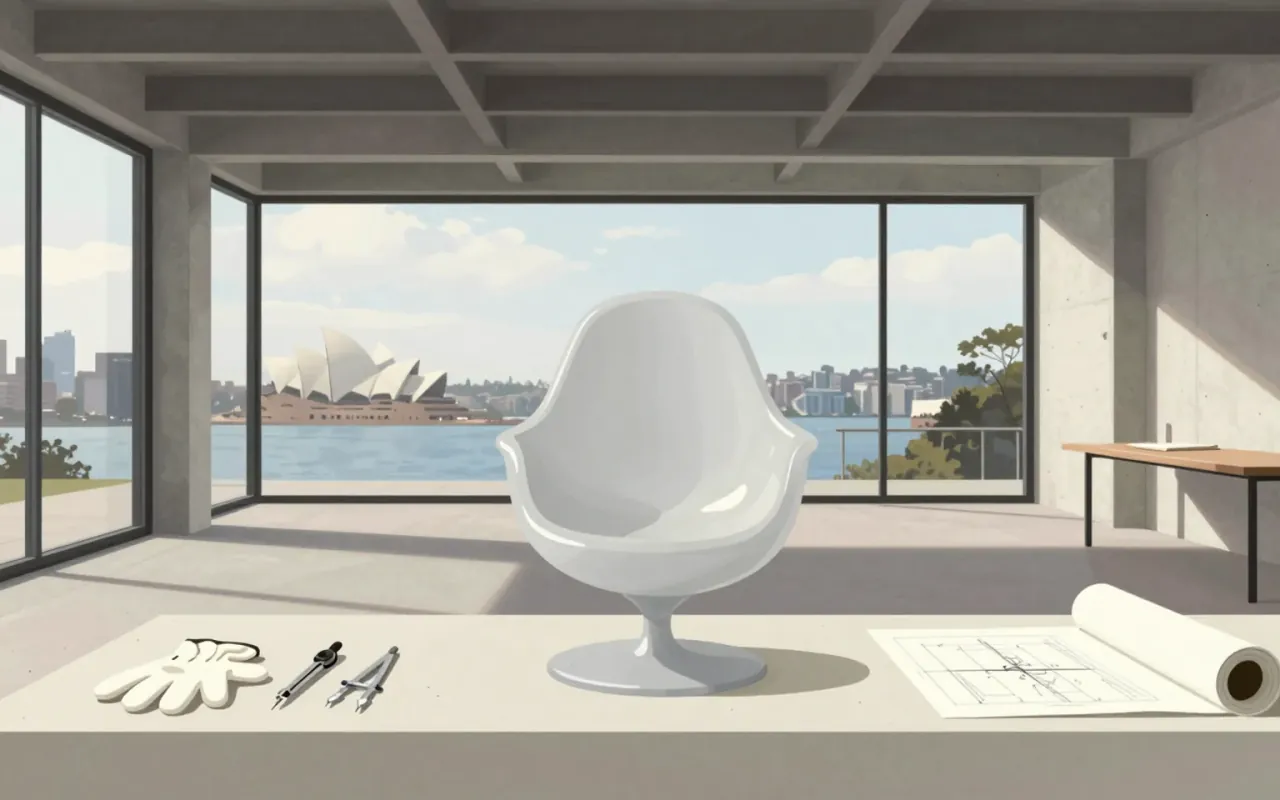
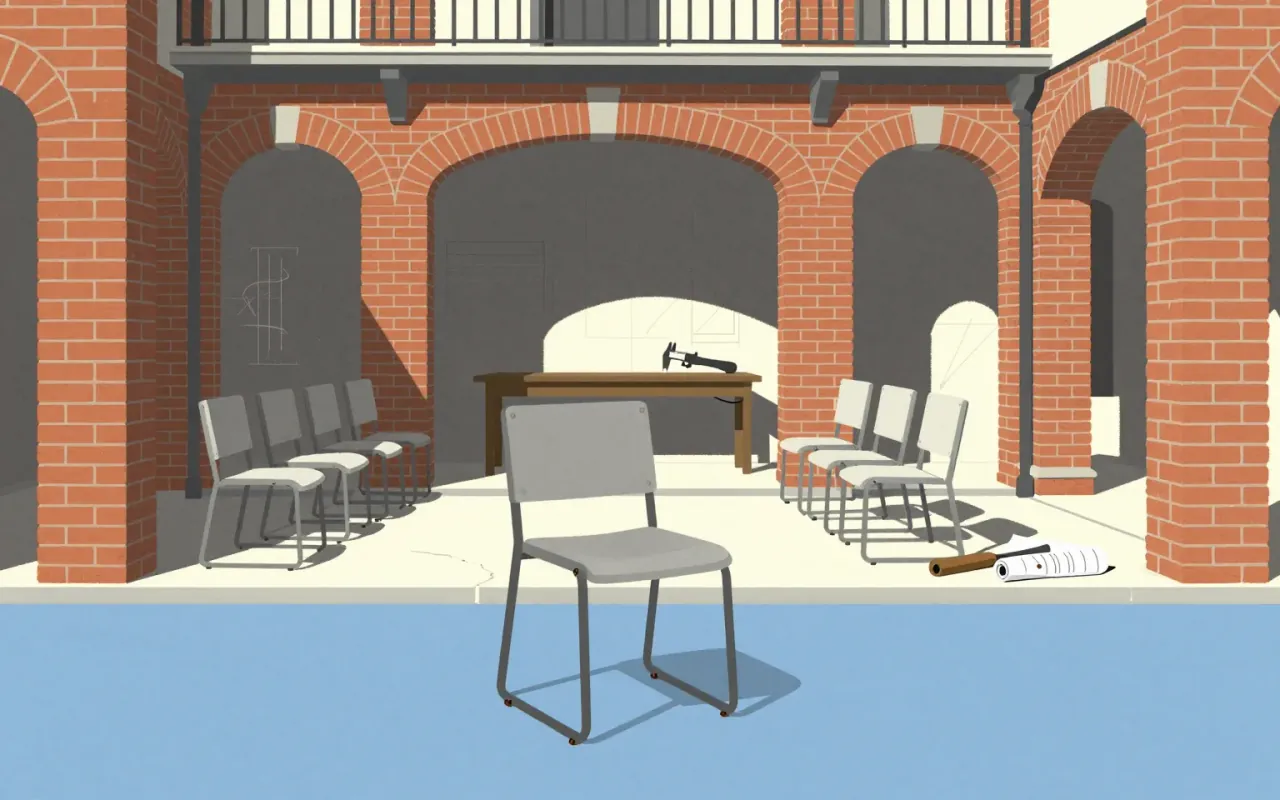
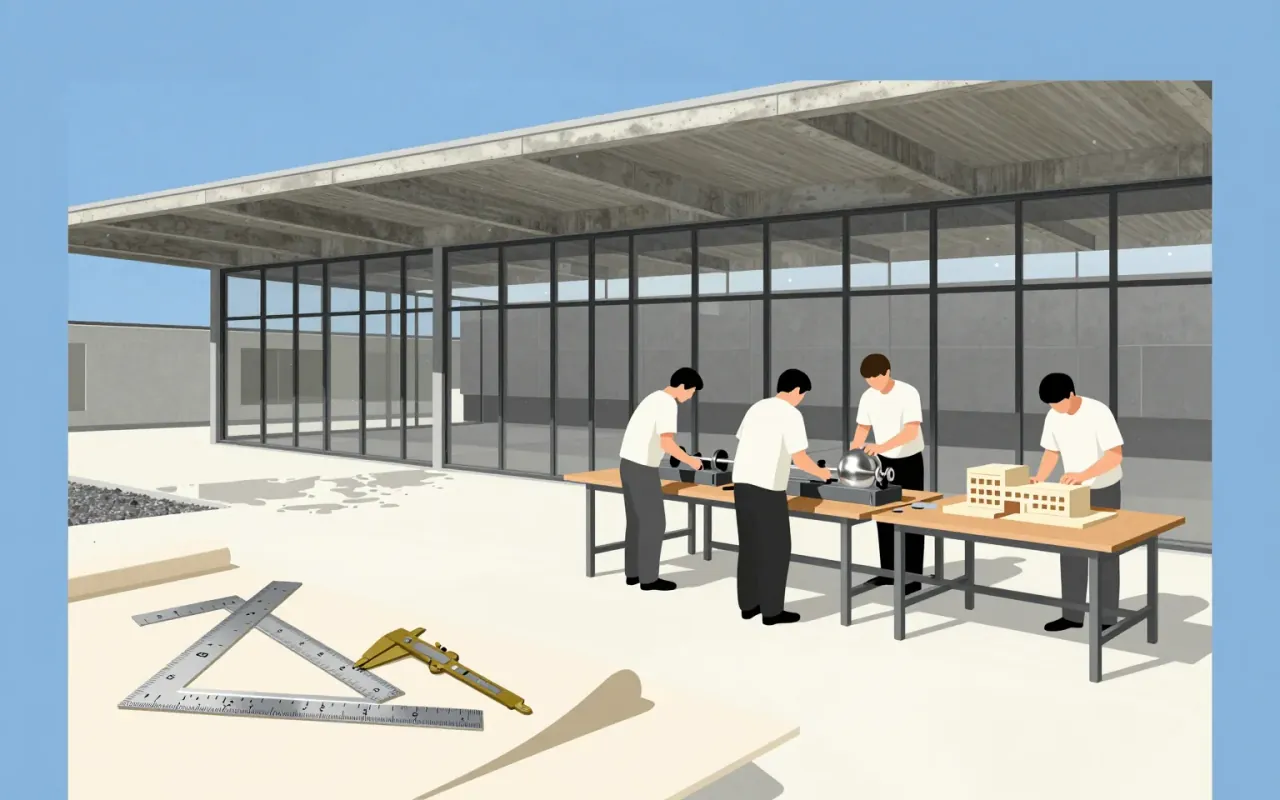

Adriano Olivetti’s work is a coherent, documented system of industrial organisation, spatial planning, and political theory — not a collection of iconic objects. Its strength lies in the linkage between departmental structure, worker housing, advertising partnerships, and published doctrine. Its limitation is that none of the celebrated products (Lettera 22, Programma 101, Valentine, Elea 9003) are attributed to him directly in the source material. The influence is structural, not stylistic.
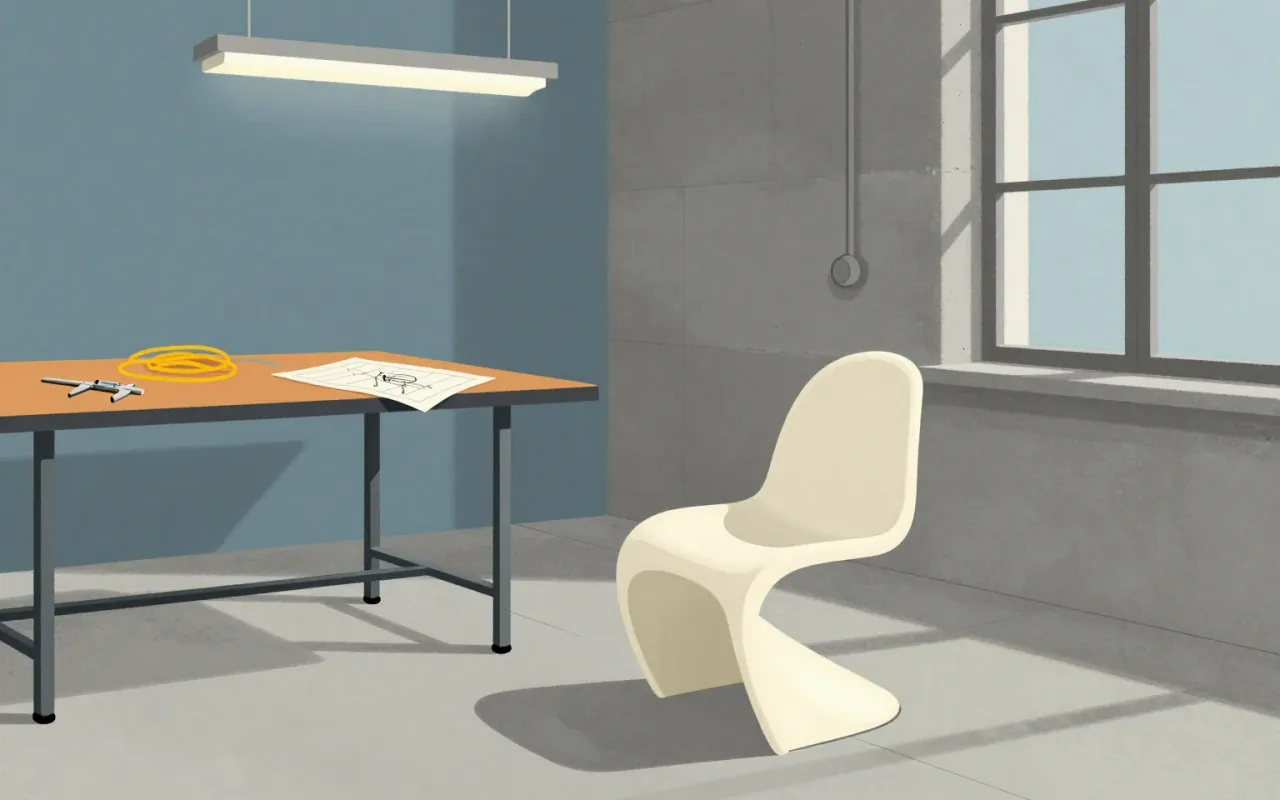
The Panton Chair is the world’s first single-piece moulded plastic chair — a continuous S-shaped shell with no legs, no joints, no assembly. Designed by Verner Panton in the 1960s, it emerged from iterative prototyping in plaster and fibreglass-reinforced polyester, then scaled via thermoplastic polystyrene injection moulding. Its success lies in resolving stackability, cantilever, and monolithic form — but its fixed geometry sacrifices adaptability and long-term durability. It proved plastic could carry structure and identity at scale, influencing decades of industrial seating. It is worth your time: not as a relic, but as a decisive answer to a tight set of material and manufacturing constraints.

The Post-it note is a small sheet of paper with a low-tack, reusable, pressure-sensitive adhesive. It emerged from a failed adhesive experiment (1968), five years of internal neglect, a hymn-book insight (1974), bootleg development, and opportunistic colour selection. Its communicative function was proven through employee message exchange—not market testing. The 1977 'Press 'n Peel' test failed; the 1978 Boise Blitz succeeded only after renaming and free-sample distribution. It is worth attention because it reveals how industrial innovation depends less on intention than on permission, accident, and low-fidelity validation.

The Rubik's Cube is an industrial design solution to a structural problem — not a toy conceived for entertainment. Its puzzle nature was discovered retroactively. Its success rests on a durable, self-contained mechanical system made possible by interlocking plastic — a deliberate departure from earlier magnetic designs. It entered culture via student and enthusiast adoption in Budapest, not marketing or pedagogy. Its influence lies in proving that constraint-driven engineering can generate enduring cultural objects.

The Schweizer Offiziers- und Sportmesser is a pivotal industrial response: a compact, spring-driven, dual-sided tool system developed in Ibach, Switzerland in 1896. It solved production dependency on German suppliers, used cellulose fibre instead of imported materials, and achieved commercial viability without military adoption. Its influence lies not in novelty but in disciplined constraint — one spring, two sides, no commission, global reach.

The Ball Chair is a 1963 domestic solution turned international icon — defined by constraint, not concept. Its value lies in how clearly its making answers a specific question: how to build a large, novel chair that fits through a door. Nothing more.
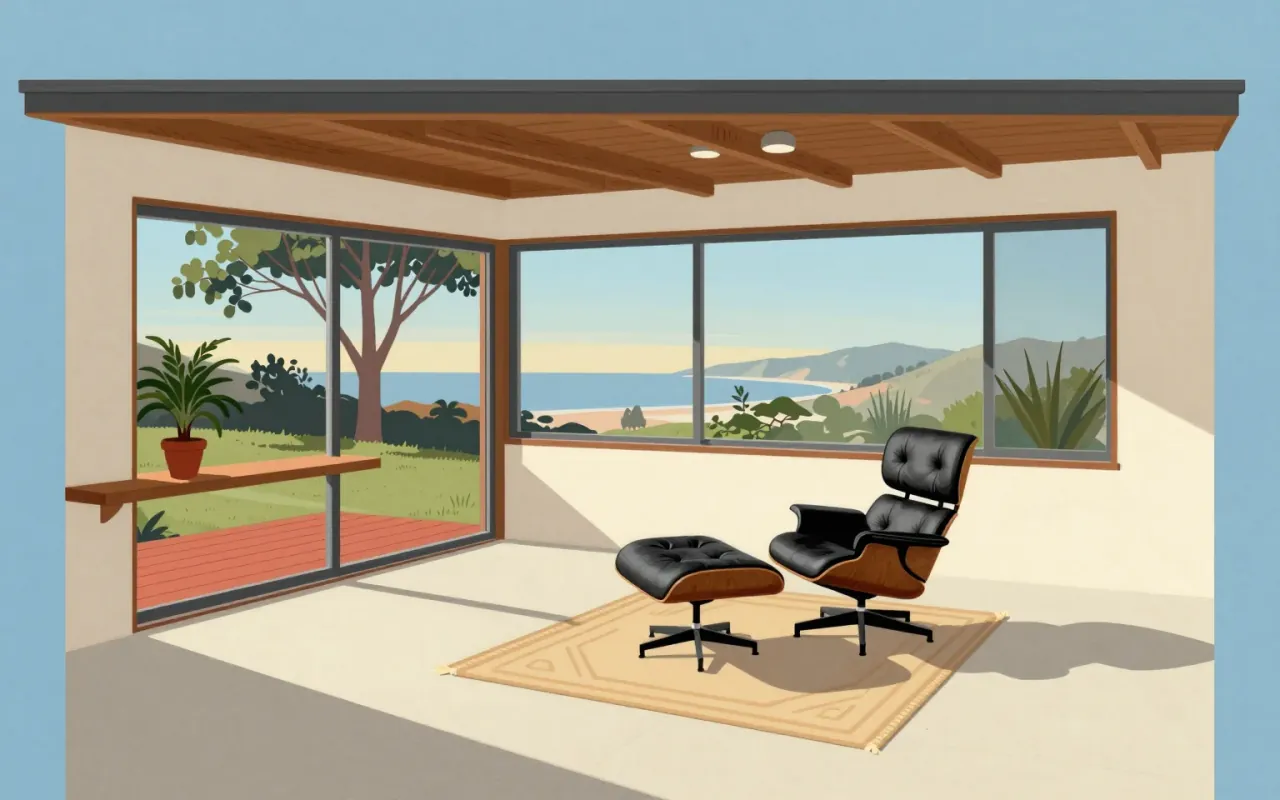
A high-end lounge chair and ottoman introduced in 1956 by Herman Miller, designed by Charles and Ray Eames, composed of three veneered molded plywood shells and leather-upholstered cushioning.

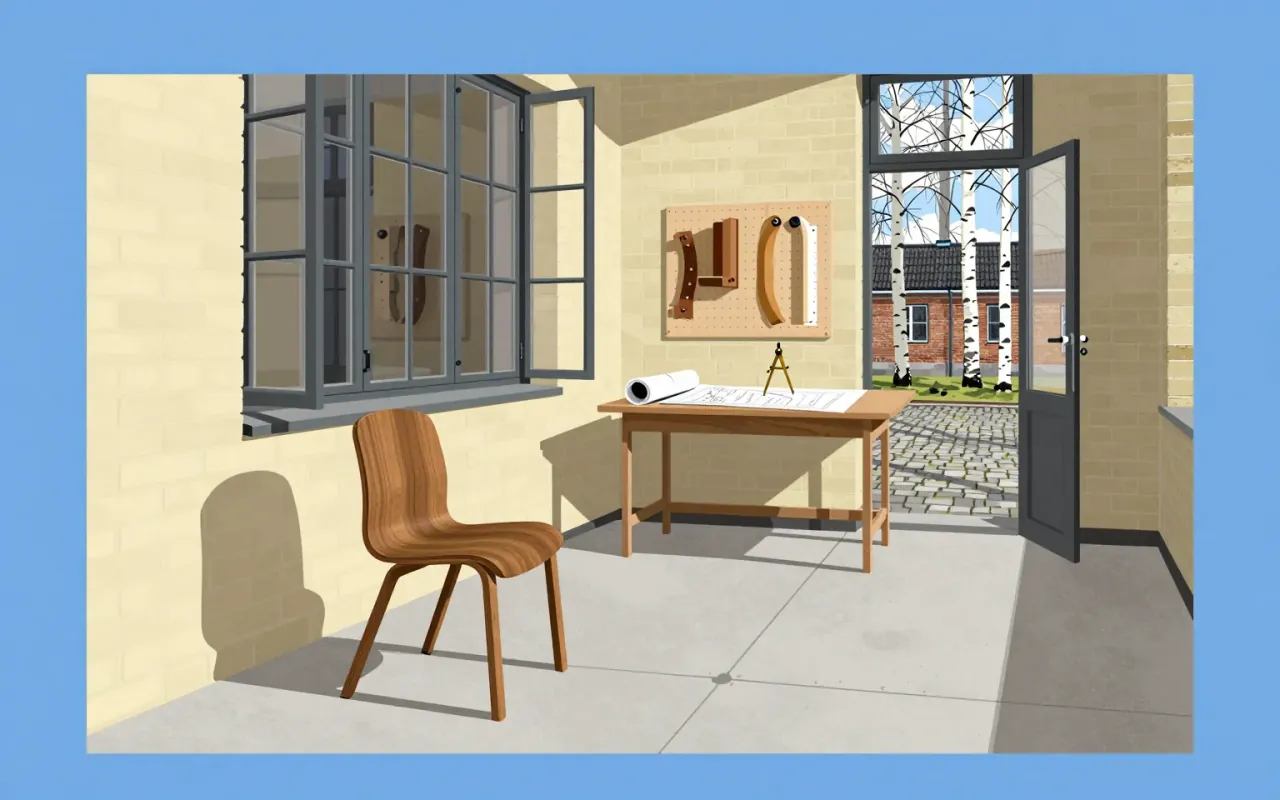
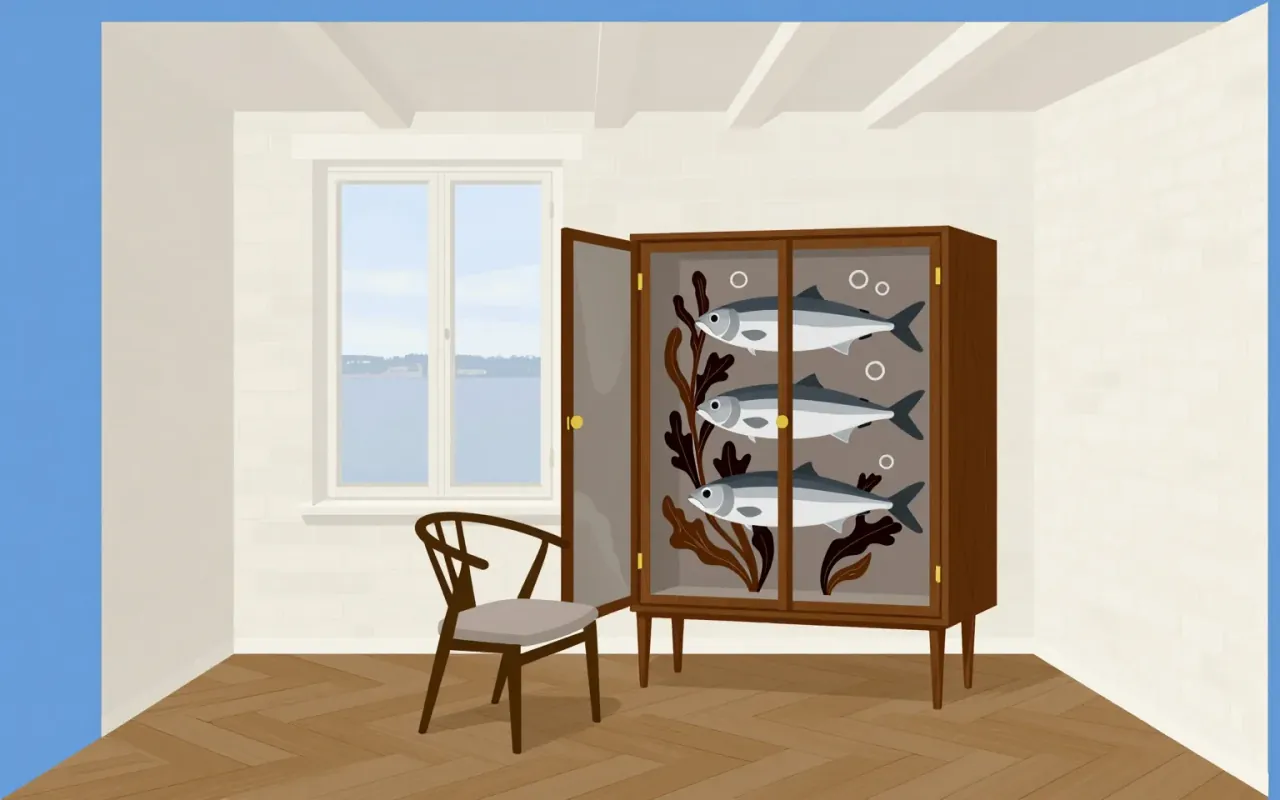

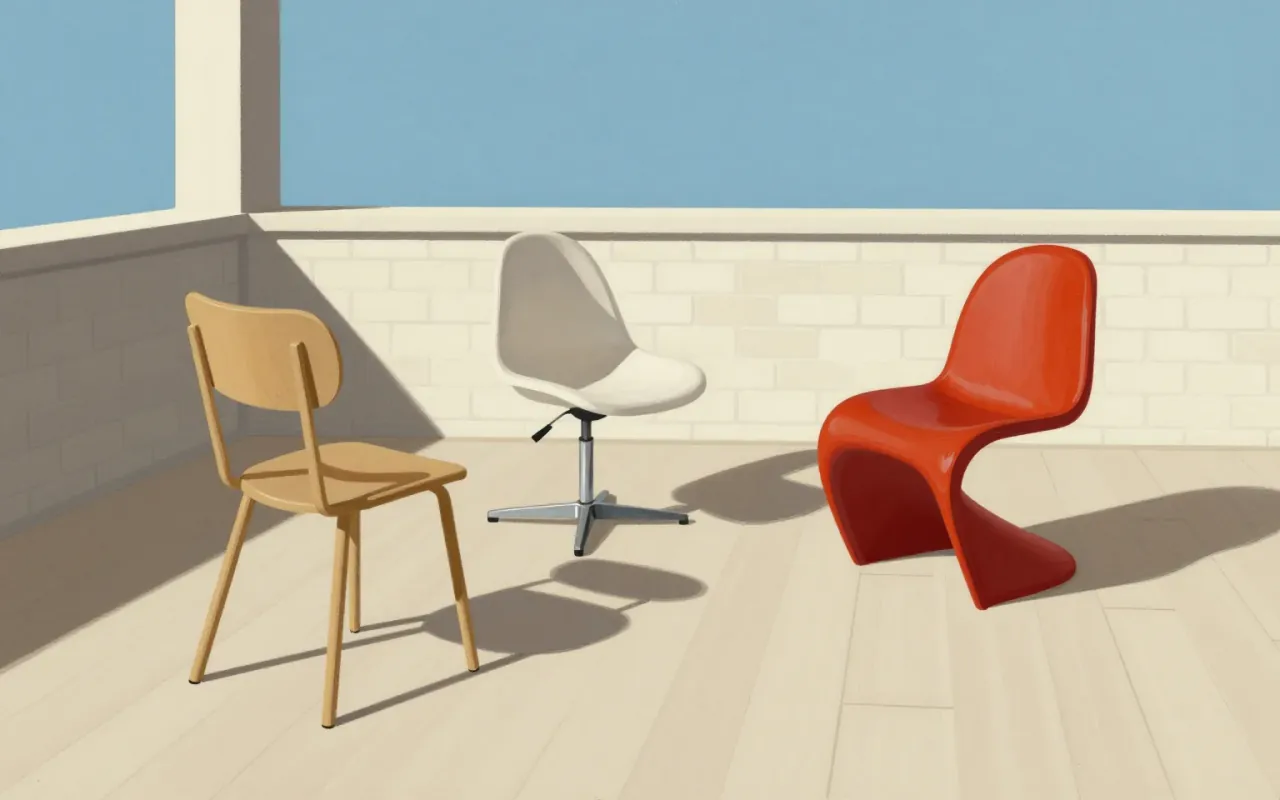



The Wassily chair is the first successful application of bent tubular steel as primary structure in furniture. Its material logic — steel for skeleton, Eisengarn for tensioned skin — replaced joinery with engineering. It was made possible by Mannesmann tubing, Reichardt’s textile work, and Thonet’s manufacturing capacity — not by theory alone. It is not about expression. It is about what happens when you treat furniture as a system of forces.
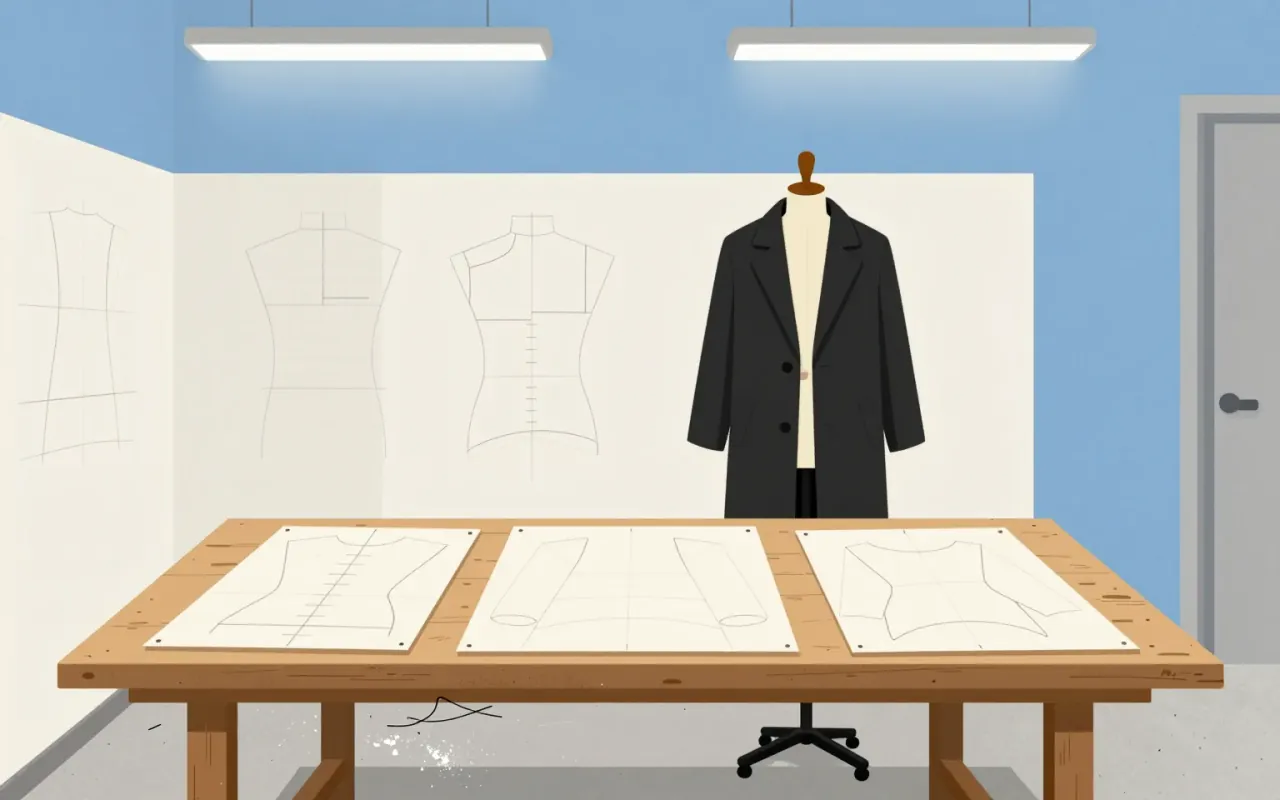



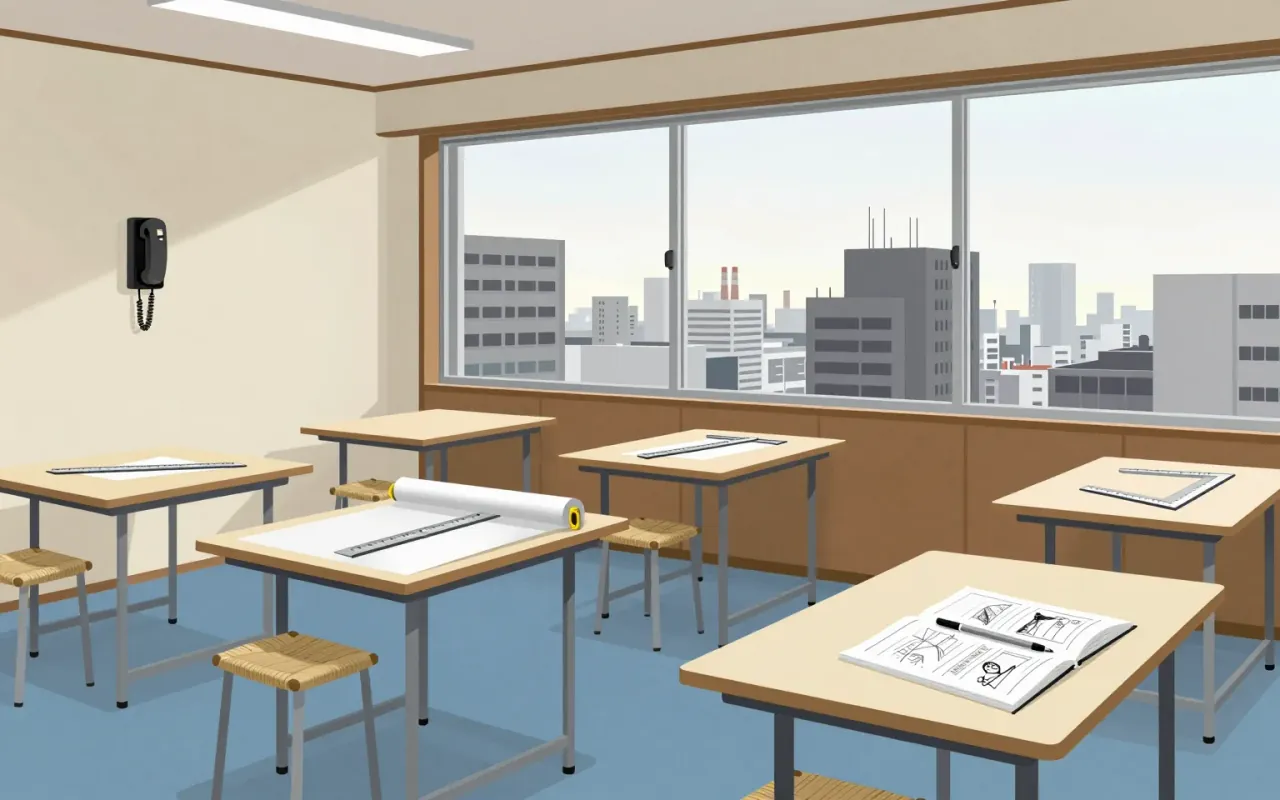
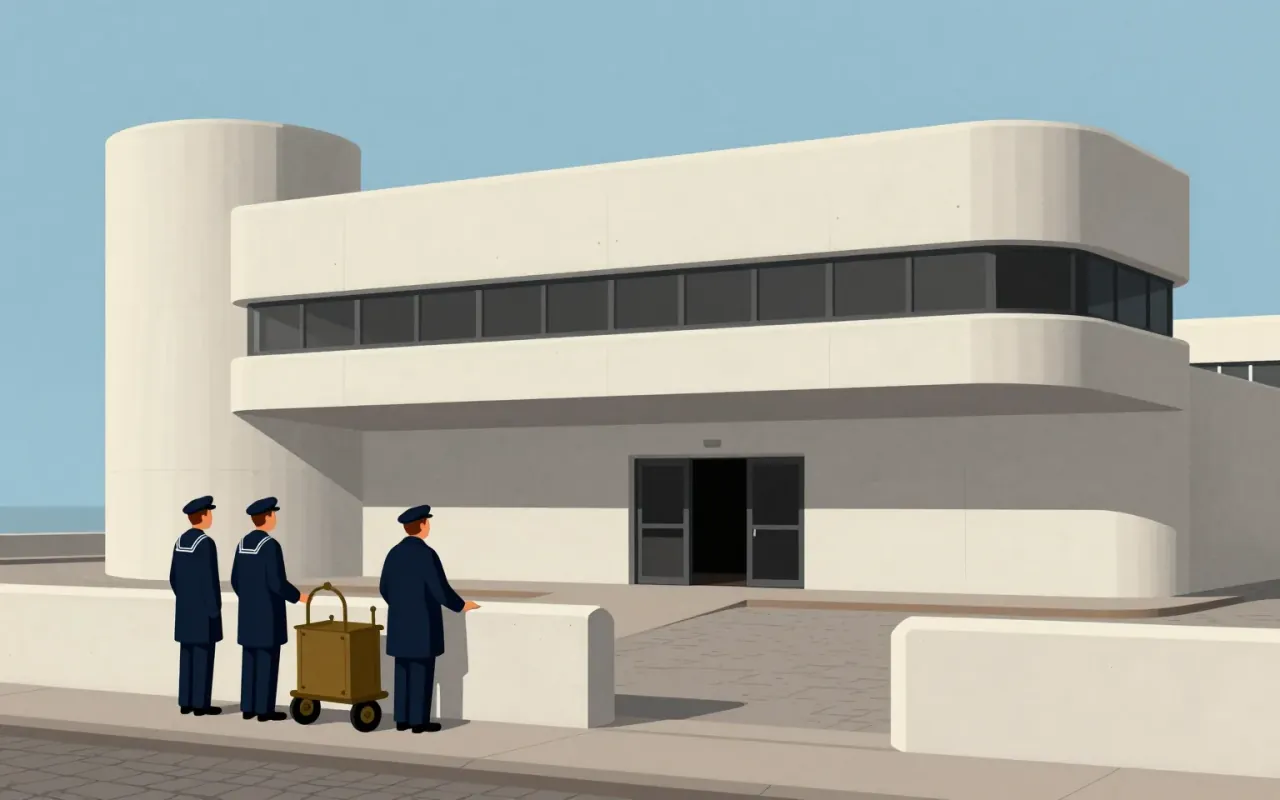
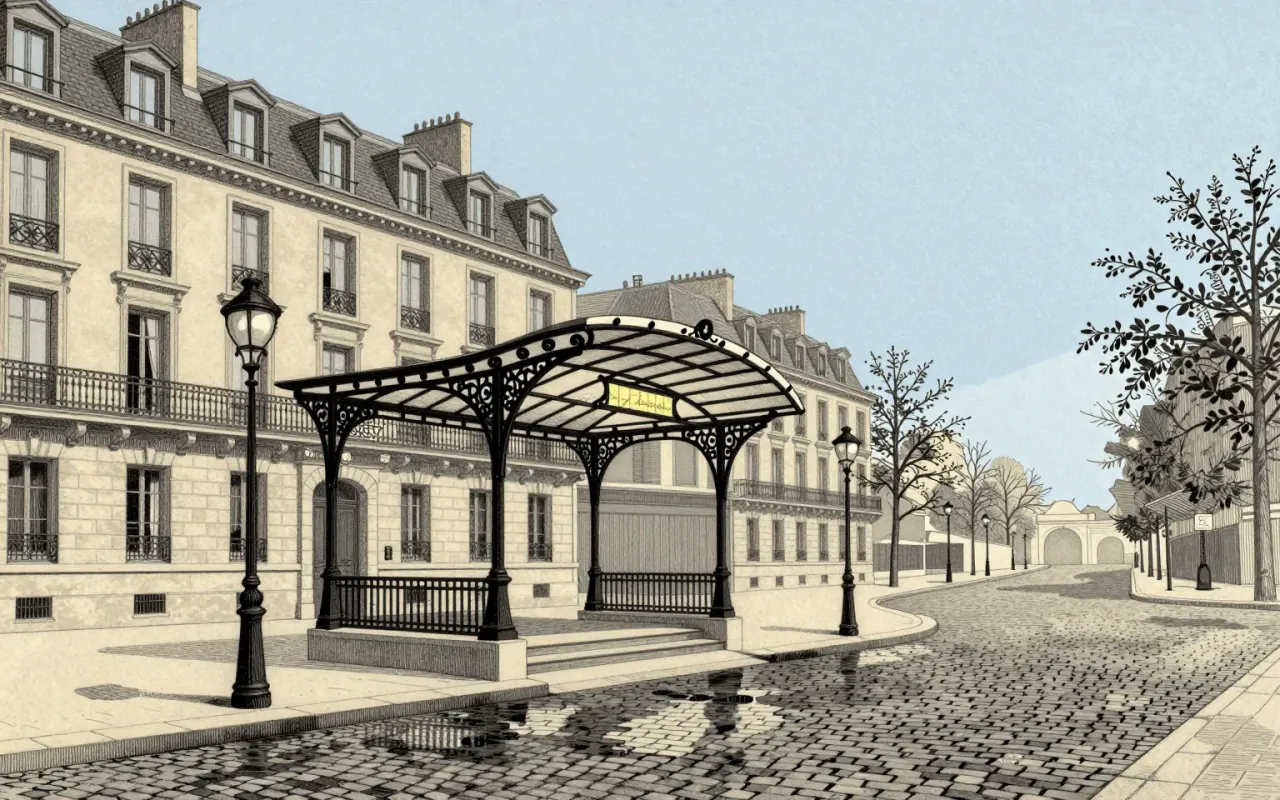
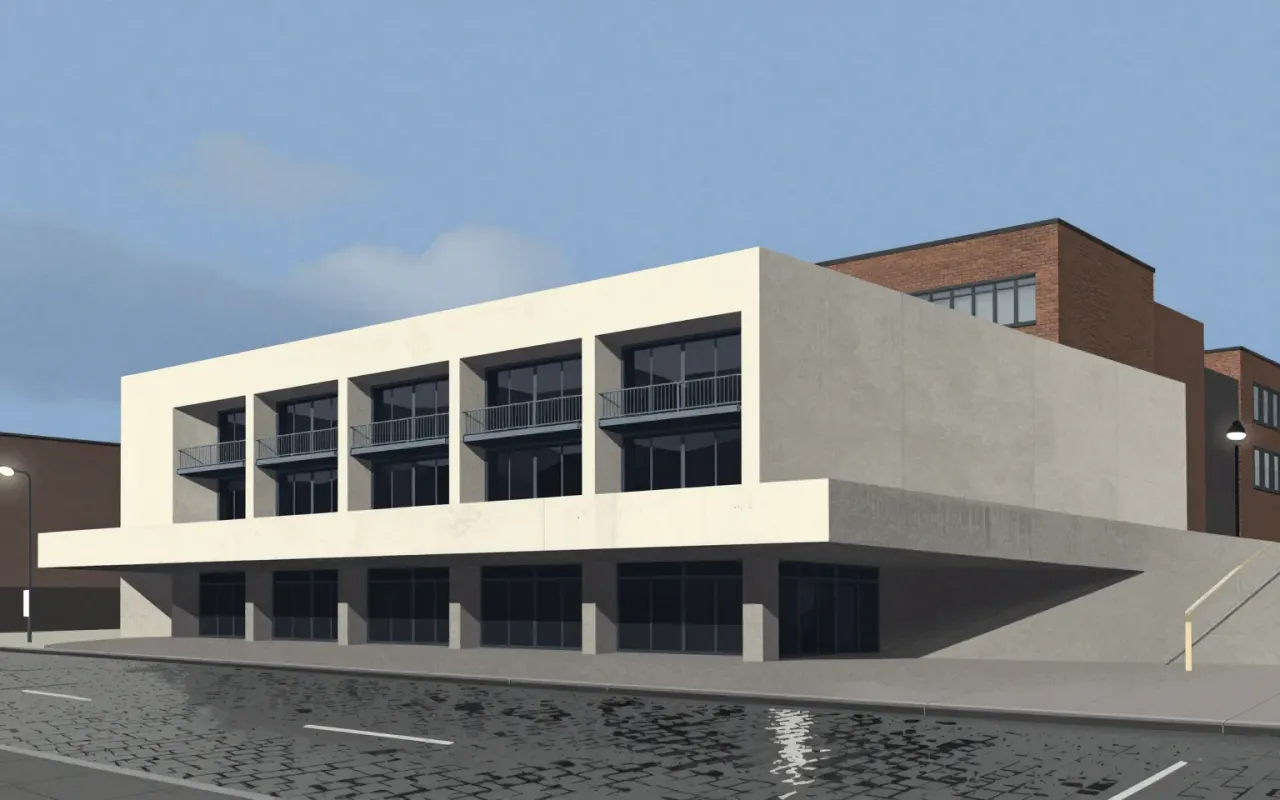
The Barbican Centre is a Brutalist arts complex in London, designed by Chamberlin, Powell & Bon. It features a concrete ziggurat form and complex multi-level layout. It was designated Grade II listed in September 2001 for its scale, cohesion, and ambition. It forms part of an integrated urban development including the Barbican Estate and Golden Lane Estate. Its design remains controversial and divisive.
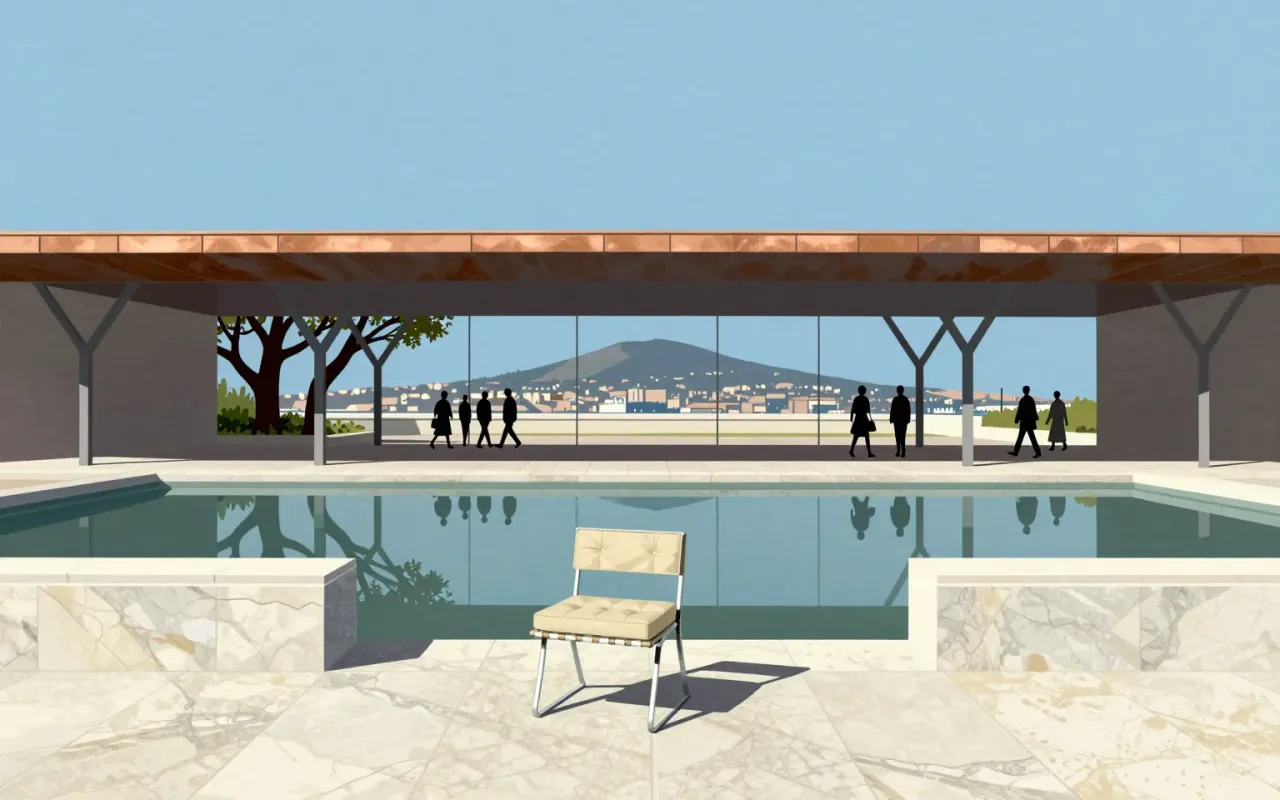
The Barcelona Pavilion is a temporary German Pavilion for the 1929 International Exposition in Barcelona, co-designed by Ludwig Mies van der Rohe and Lilly Reich. It used marble, red onyx, and travertine. It was demolished in 1930. A 1986 reconstruction now stands on the original site. It is one of Mies’s two European masterworks. Its spatial logic, material choices, and role as both exhibit and experiential space remain legible and instructive.

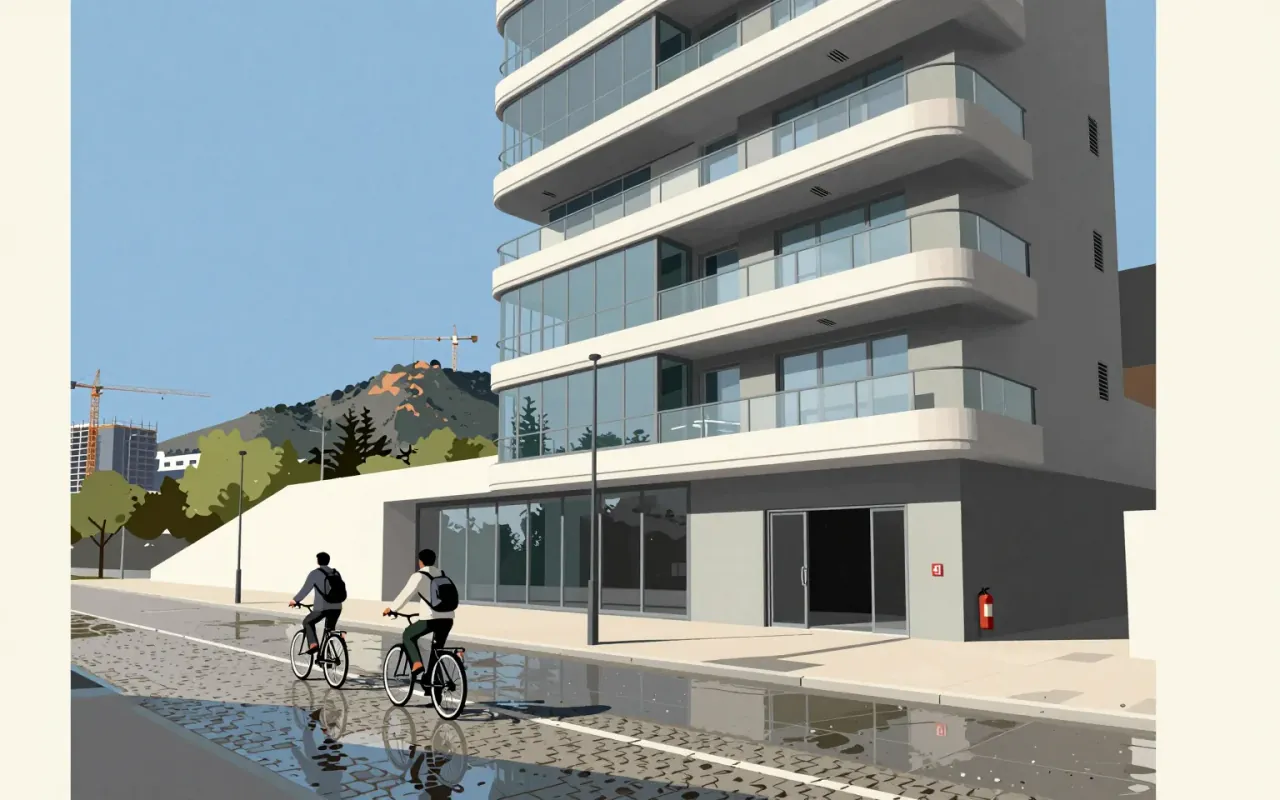

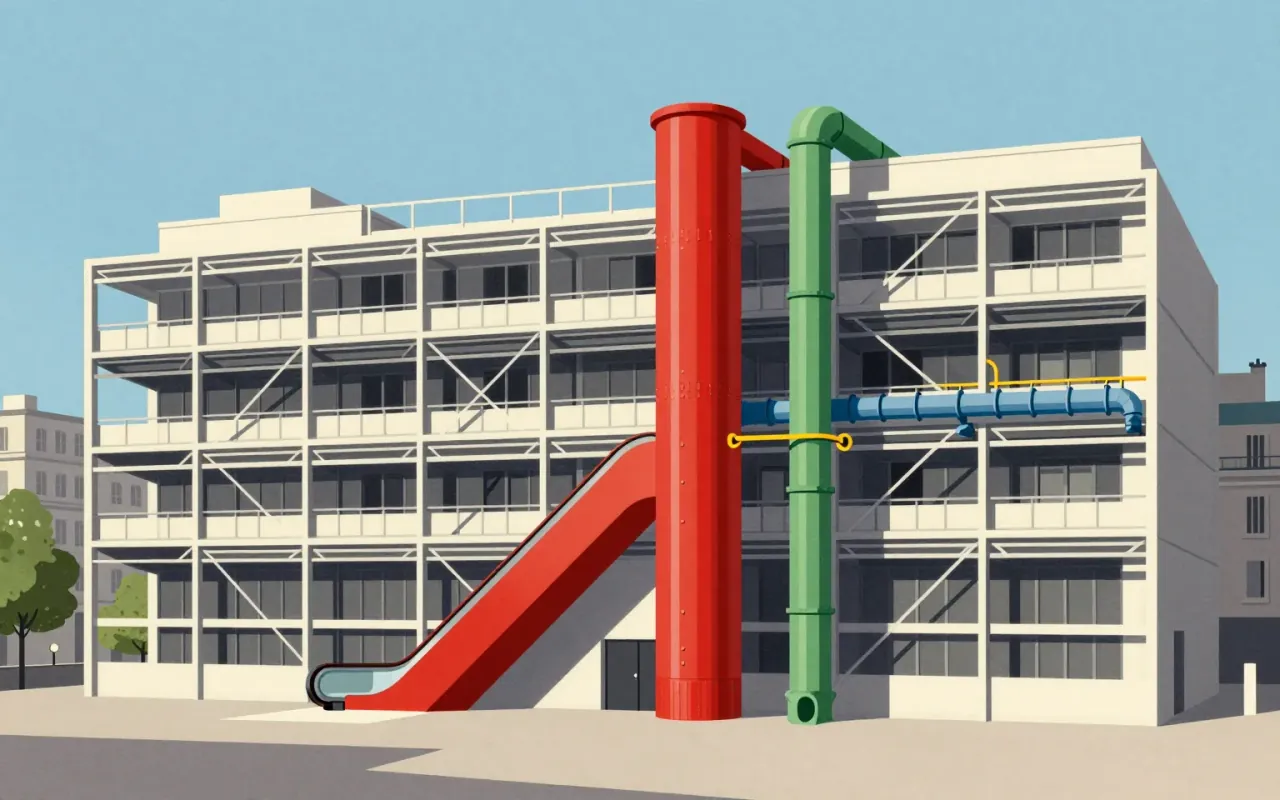
The Centre Pompidou is a 1977 building in Paris designed by Renzo Piano and Richard Rogers as a publicly accessible cultural 'town'. Its 'inside-out' strategy externalises and colour-codes structural, mechanical, and circulation systems. Green pipes carry water. Blue ducts manage climate. Yellow conduits house electricity. Red elements handle movement and safety. The design emerged from France’s first international architectural competition, judged by Niemeyer, Prouvé, and Johnson, and selected from 681 entries. It was intended for 8,000 daily visitors. In its first two decades, it attracted more than 145 million—over five times the projection. Its exposed systems improved interior space efficiency. Its stated aim was inclusivity: 'a place for all people – for the poor and rich, the young and old'.
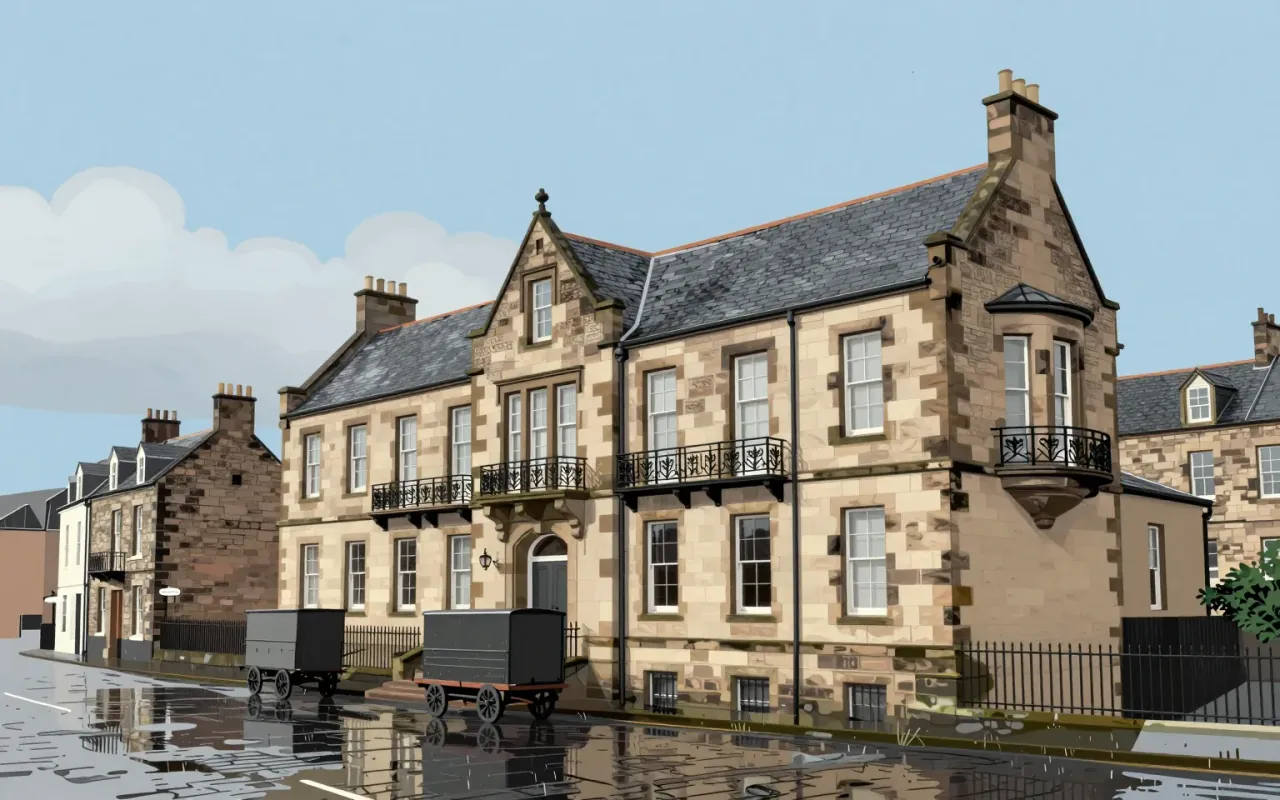
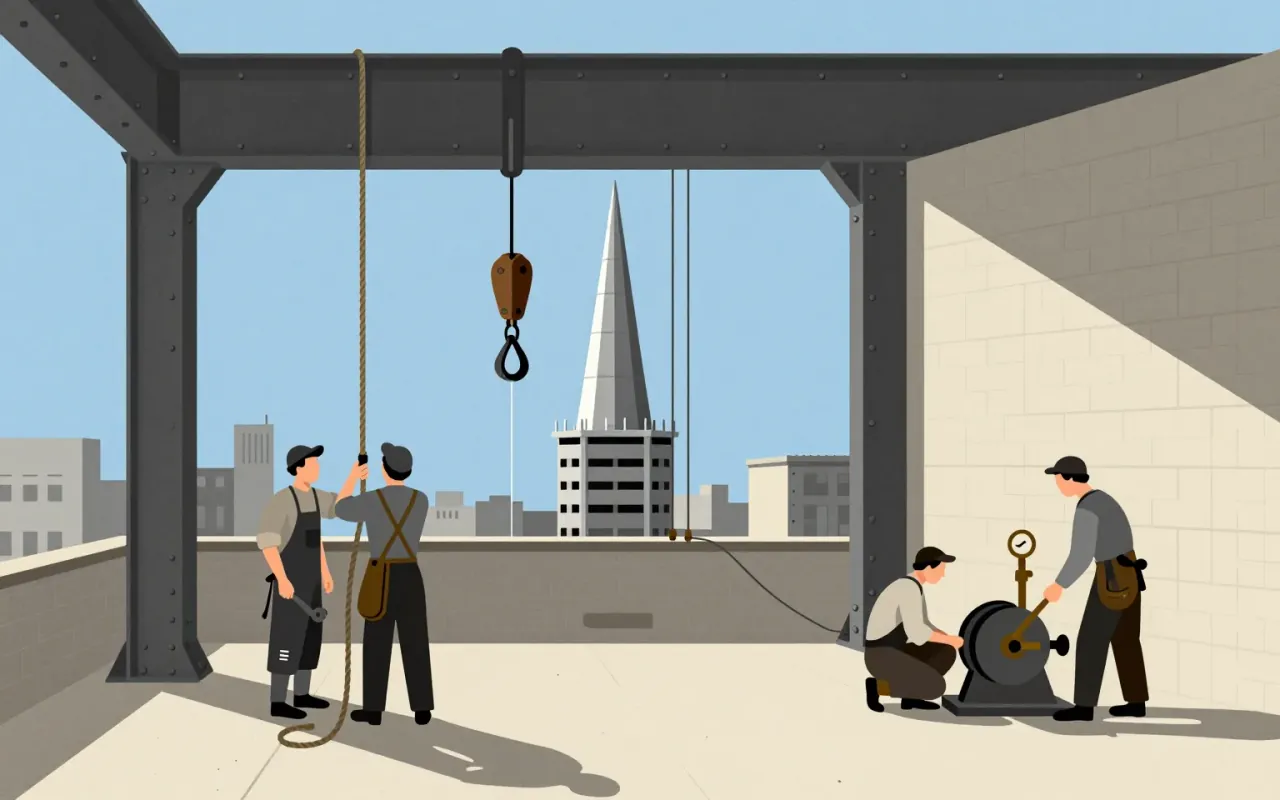
The Chrysler Building is a 1,046-foot-tall steel-framed brick skyscraper in New York City, designed by William Van Alen in the Art Deco style and completed in 1930. Van Alen used Nirosta stainless steel—the first such use in an American project—as an integral design element. He secretly built a 125-foot spire inside the frame and assembled it in 90 minutes on October 23, 1929. The building served as a real-world test site for stainless steel durability, with formal inspections every five years from 1929 to 1960. It became the world’s tallest building for 11 months and remains the tallest steel-framed brick building in the world. Critics responded with mixed reactions—including praise for Van Alen personally and criticism of the building as superficial and lacking serious design significance.



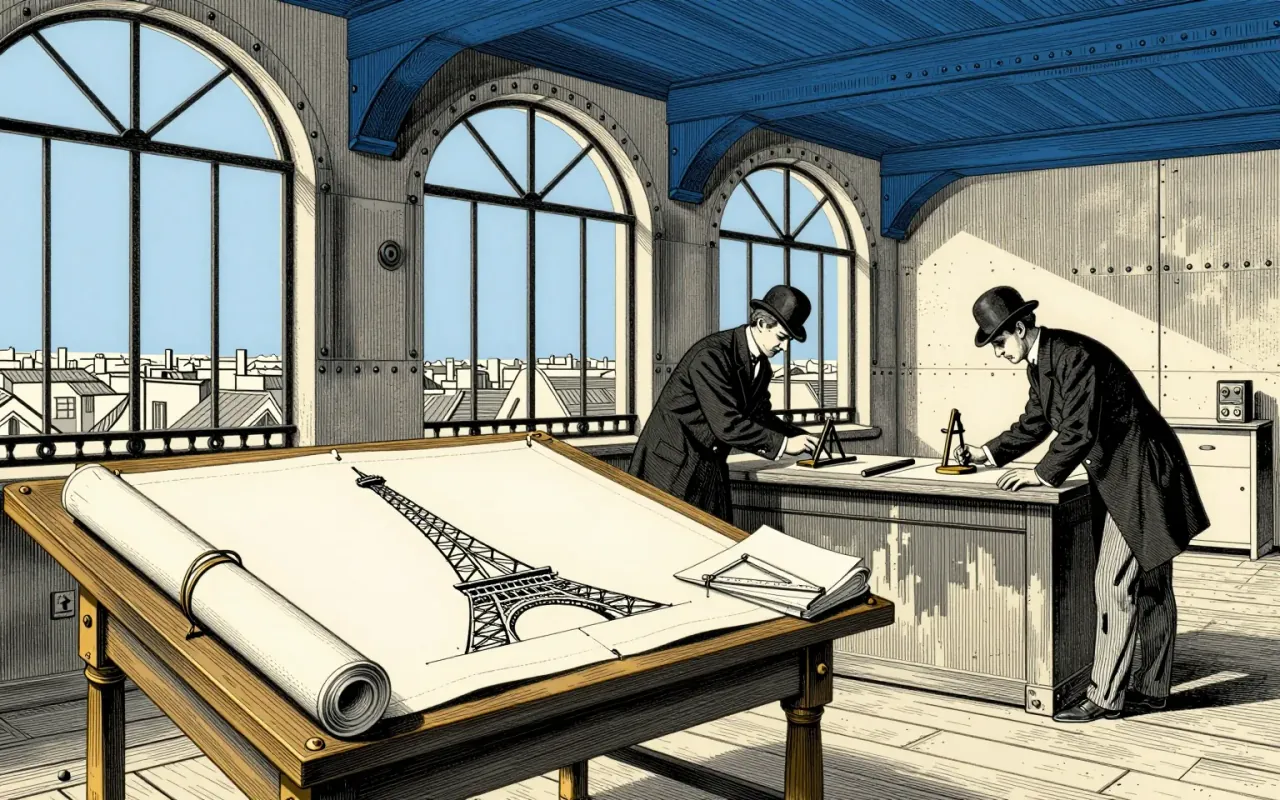
The Eiffel Tower is a feat of delegated authorship, procedural manipulation, and industrial discipline — not solitary genius.

The Empire State Building is a 102-storey Art Deco skyscraper in New York City. It was the first building over 100 stories tall. It held the title of world’s tallest building from 1931 until 1970.

Fallingwater is a weekend retreat built over a 20-foot waterfall on Bear Run in Stewart Township, southwestern Pennsylvania. Designed by Frank Lloyd Wright for Edgar J. Kaufmann Sr. and Liliane Kaufmann, it uses exposed cantilevers, sandstone verticals, and concrete horizontals. Its 30° counterclockwise orientation ensures natural light in all rooms. Wright insisted occupants live *with* the waterfall — not look at it — using identical materials inside and out to dissolve boundaries. Trees were preserved via adaptive detailing. The design was judged unsound by Kaufmann’s engineers; the contractor secretly reinforced concrete elements. Structural vulnerabilities confirmed in 1994 led to steel supports and post-tensioning by 2002. At $155,000, it was one of Wright’s most expensive commissions.

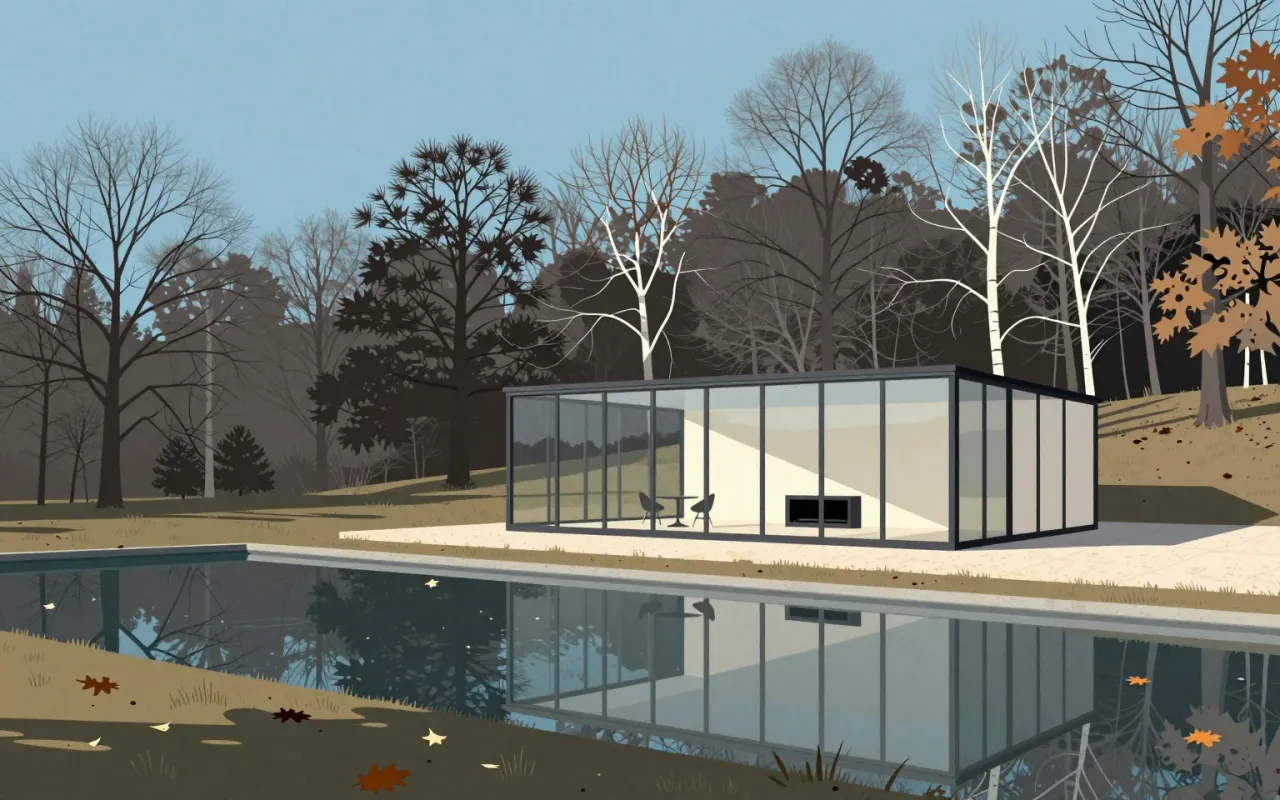
The Farnsworth House is a radical distillation of architectural intent: a frame, a slab, and glass — nothing more. It answers a site constraint (flooding) with elevation, then uses that elevation to advance a philosophy: shelter as transparency, not enclosure. It works as an idea. It fails as a home. Its influence is structural and rhetorical — not technical, not ergonomic, not climatic.
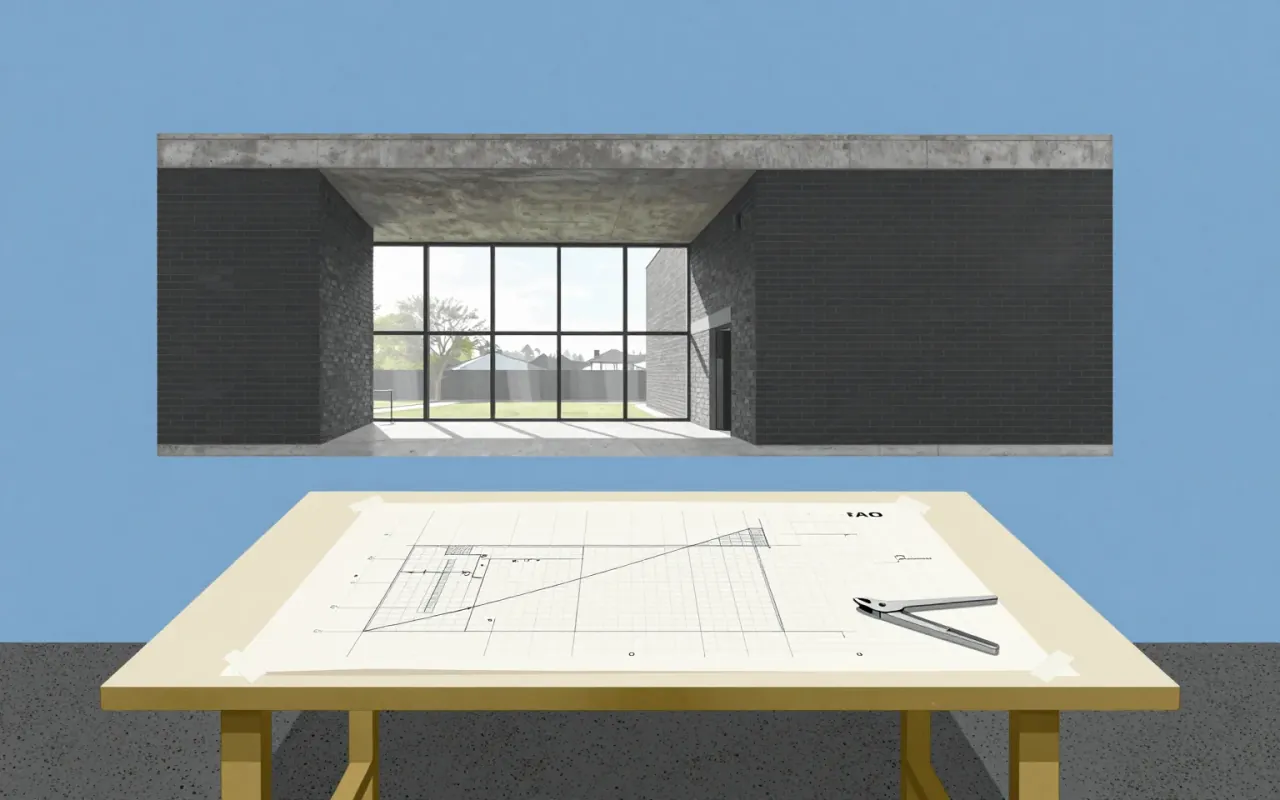
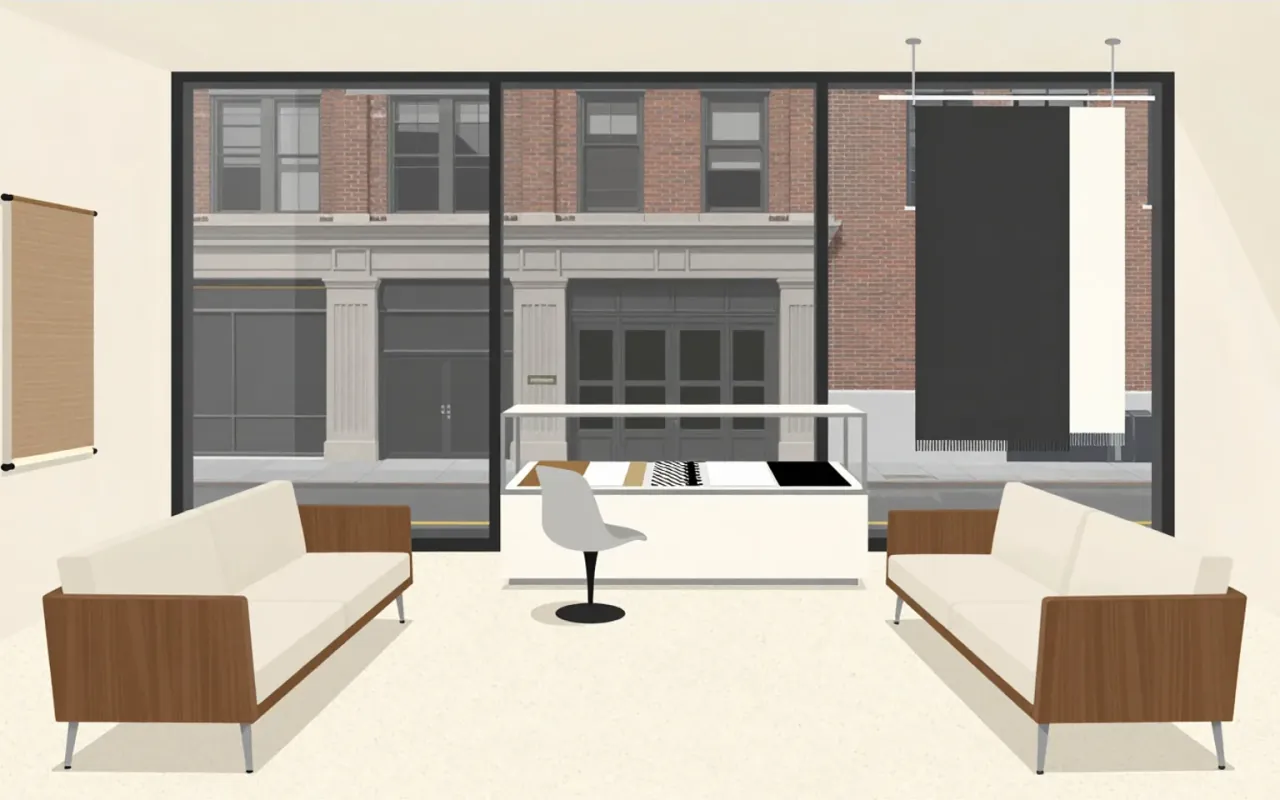


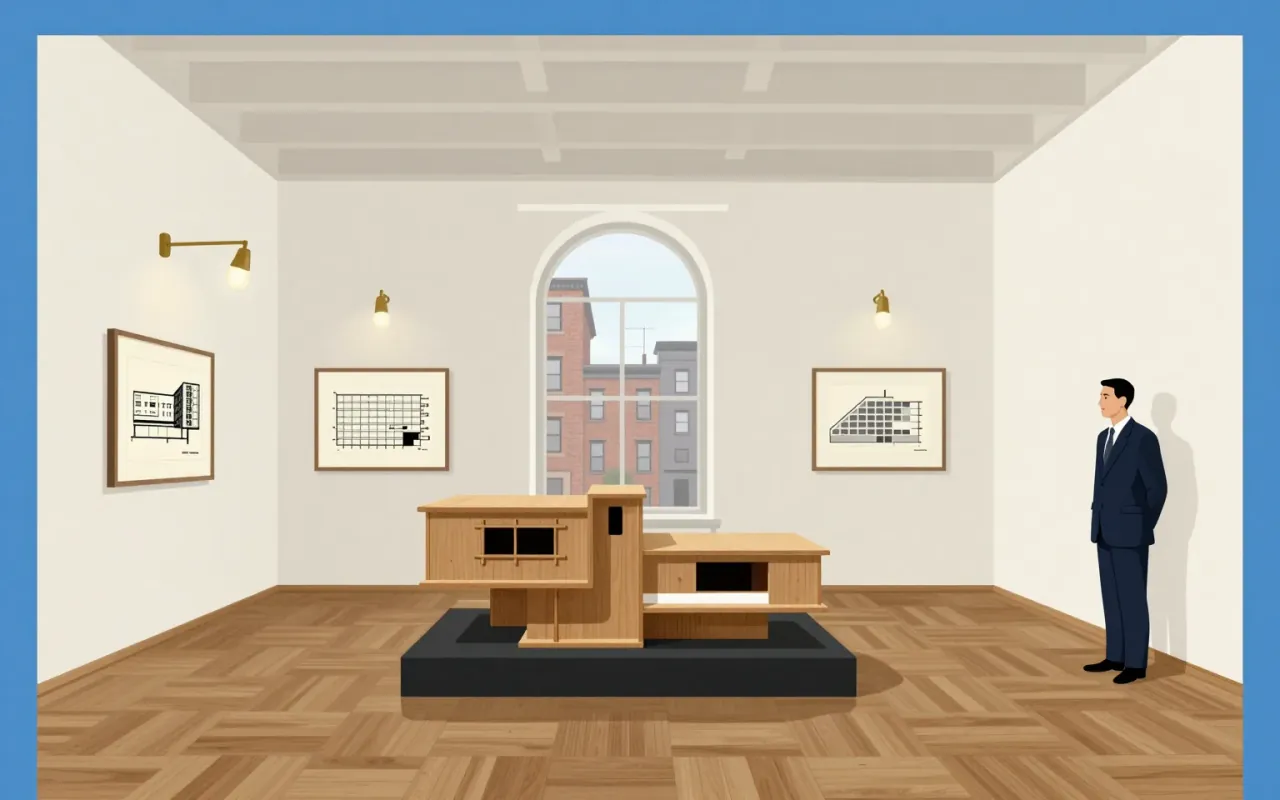


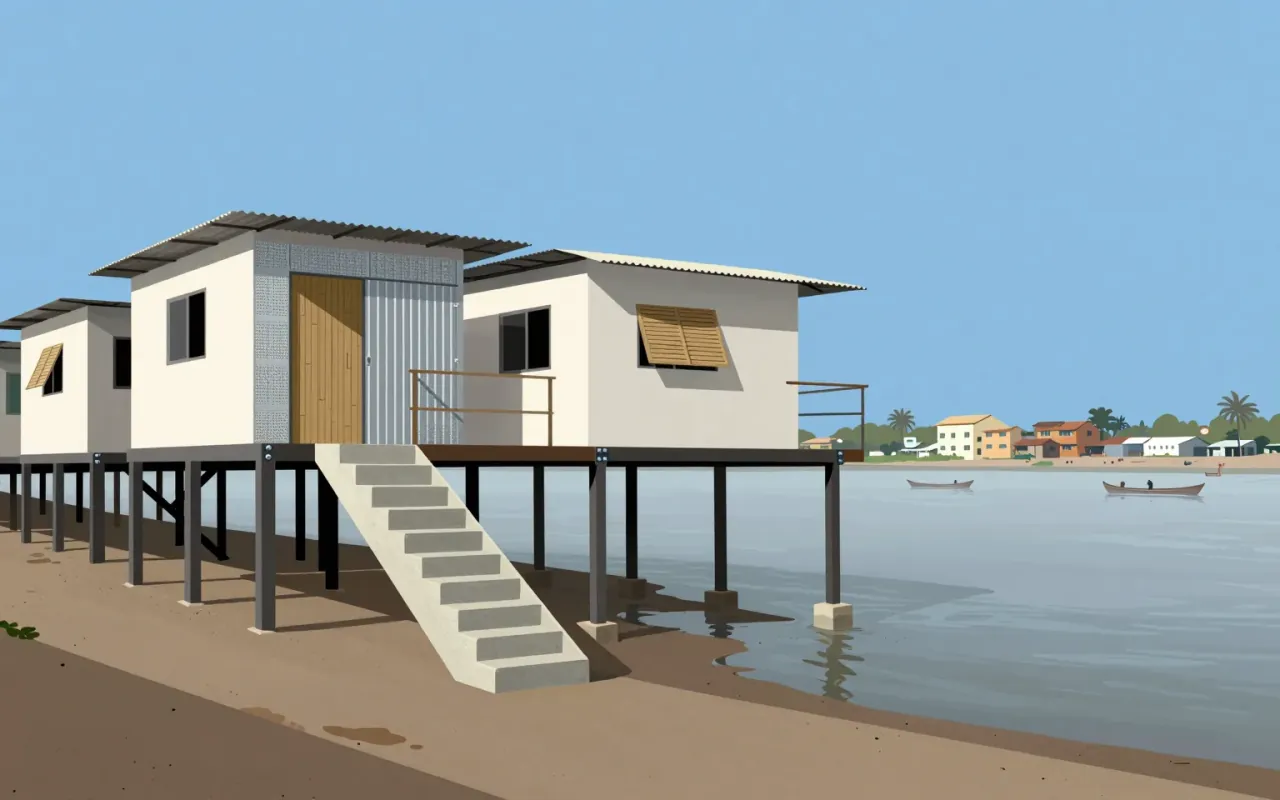
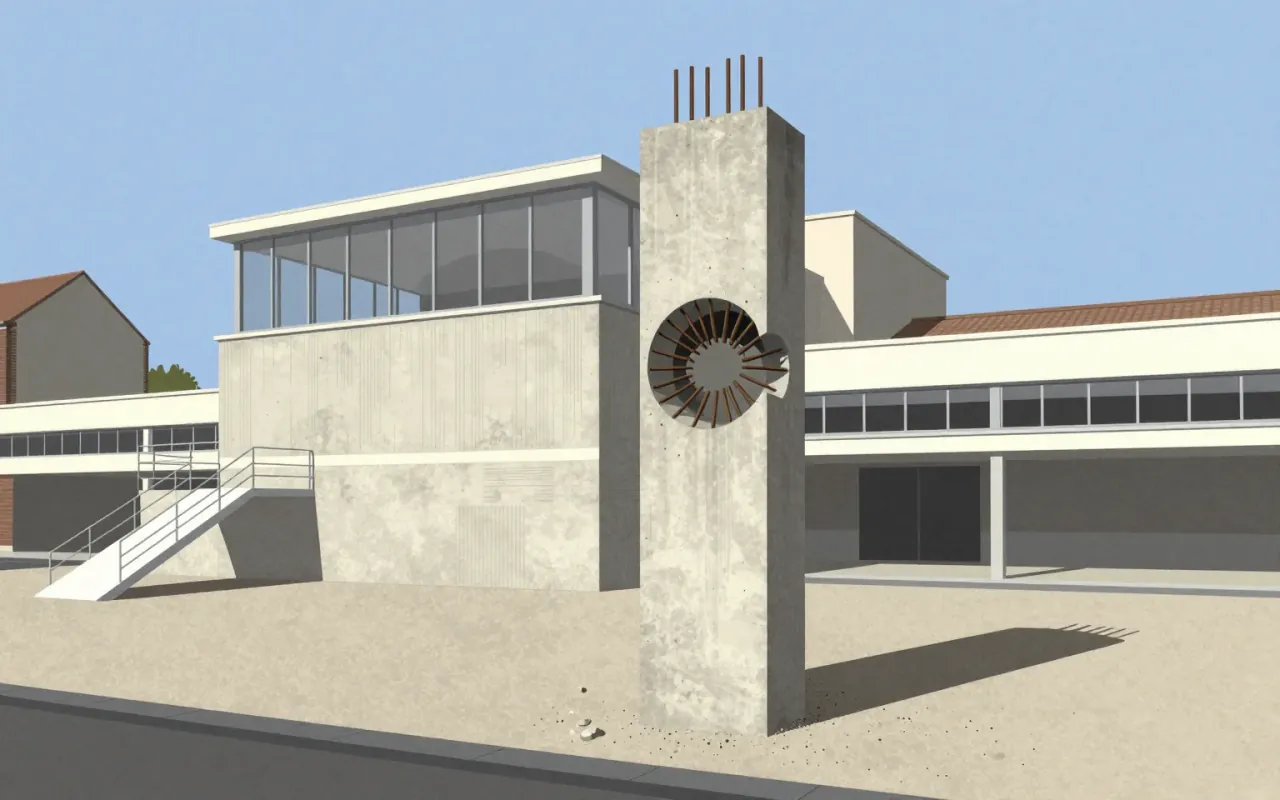
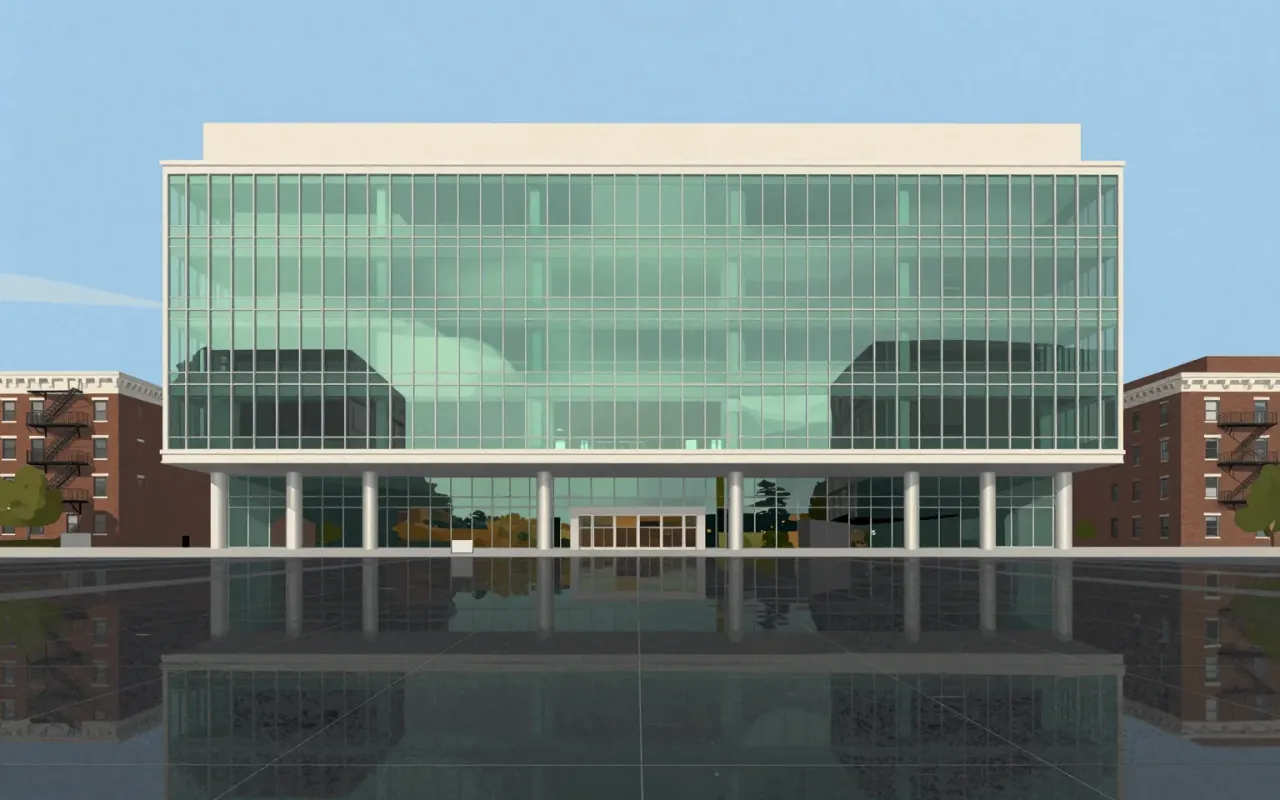
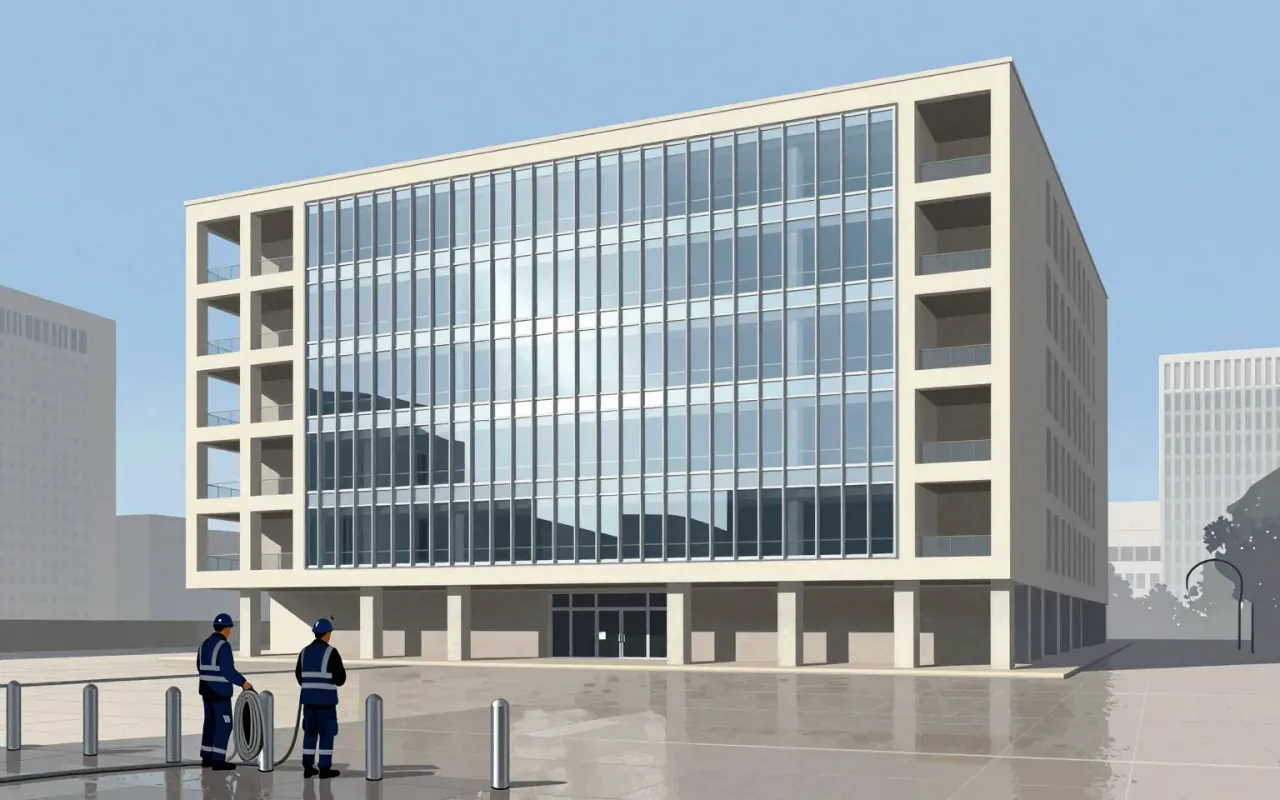
Lever House is a 21-storey New York City office building completed in 1952. It is a glass-clad slab, built for Unilever, that uses fixed glazing, concealed HVAC, and a custom window-cleaning system.



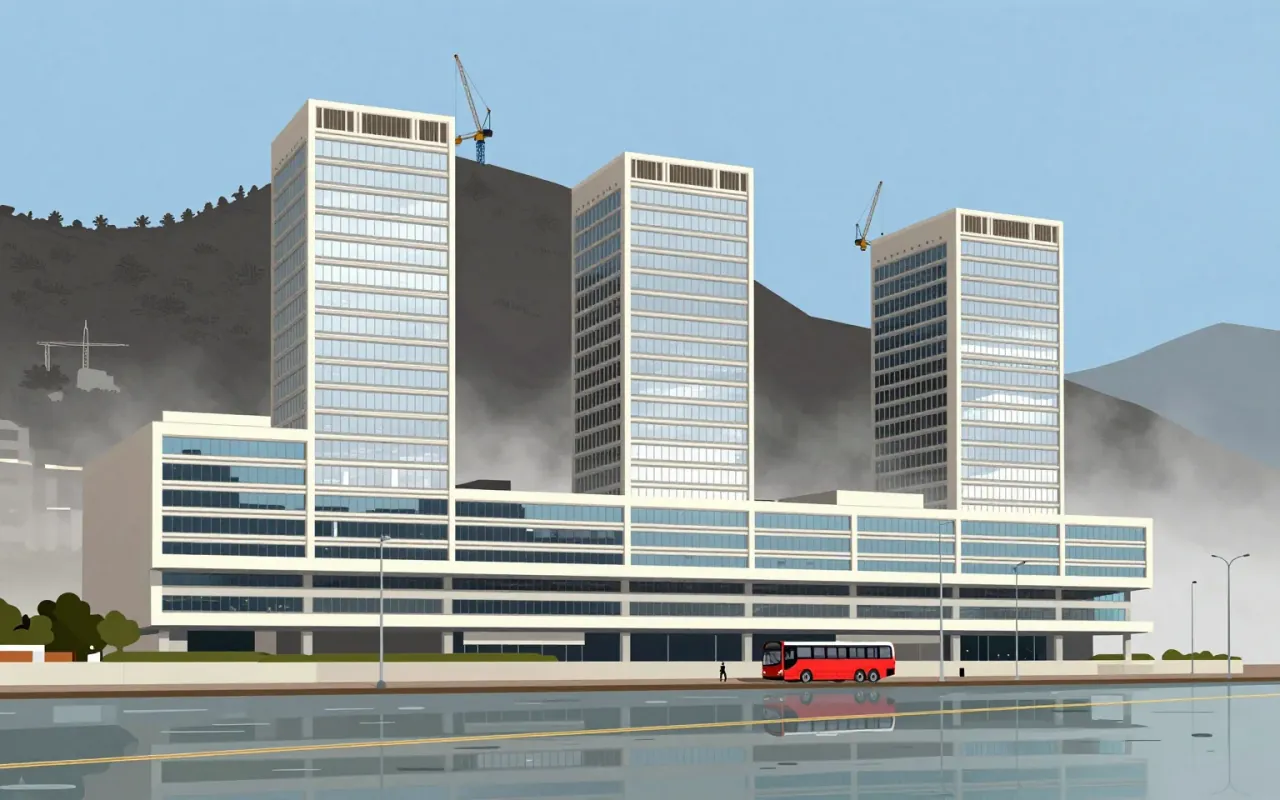
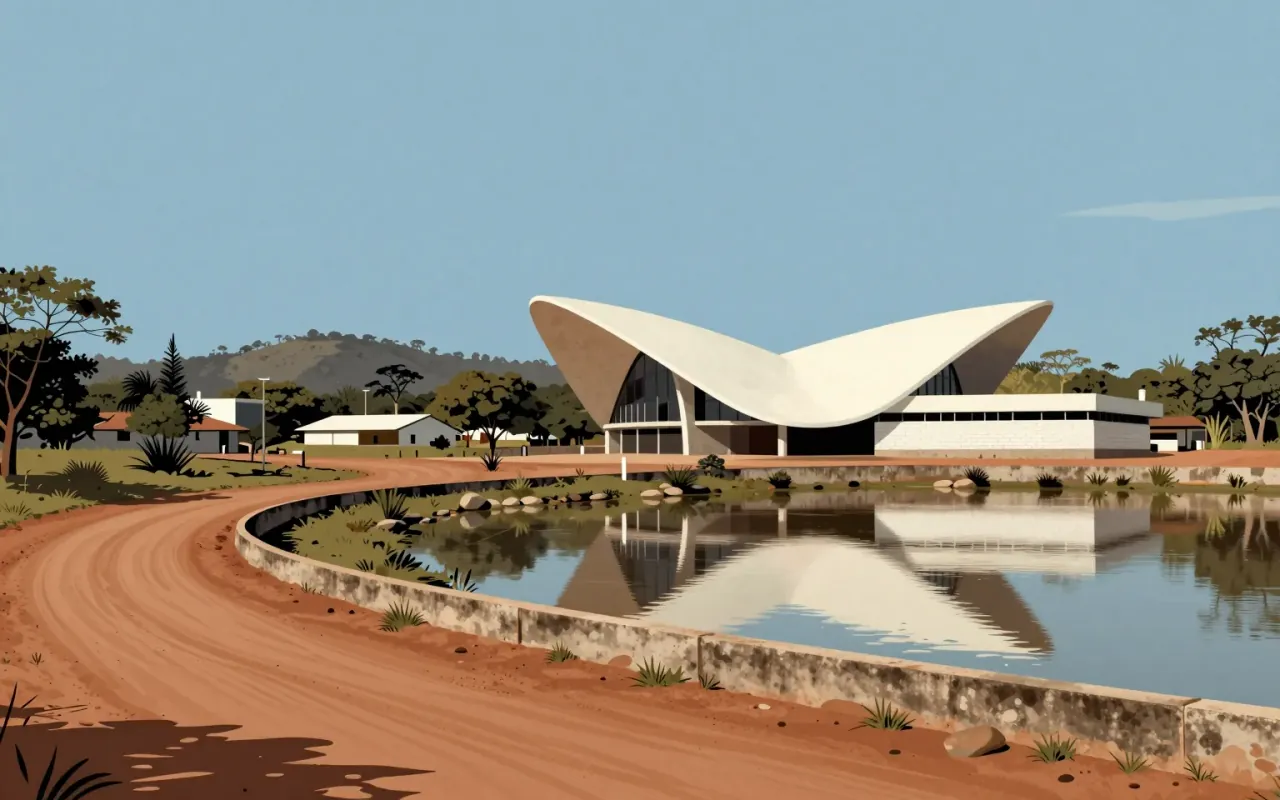
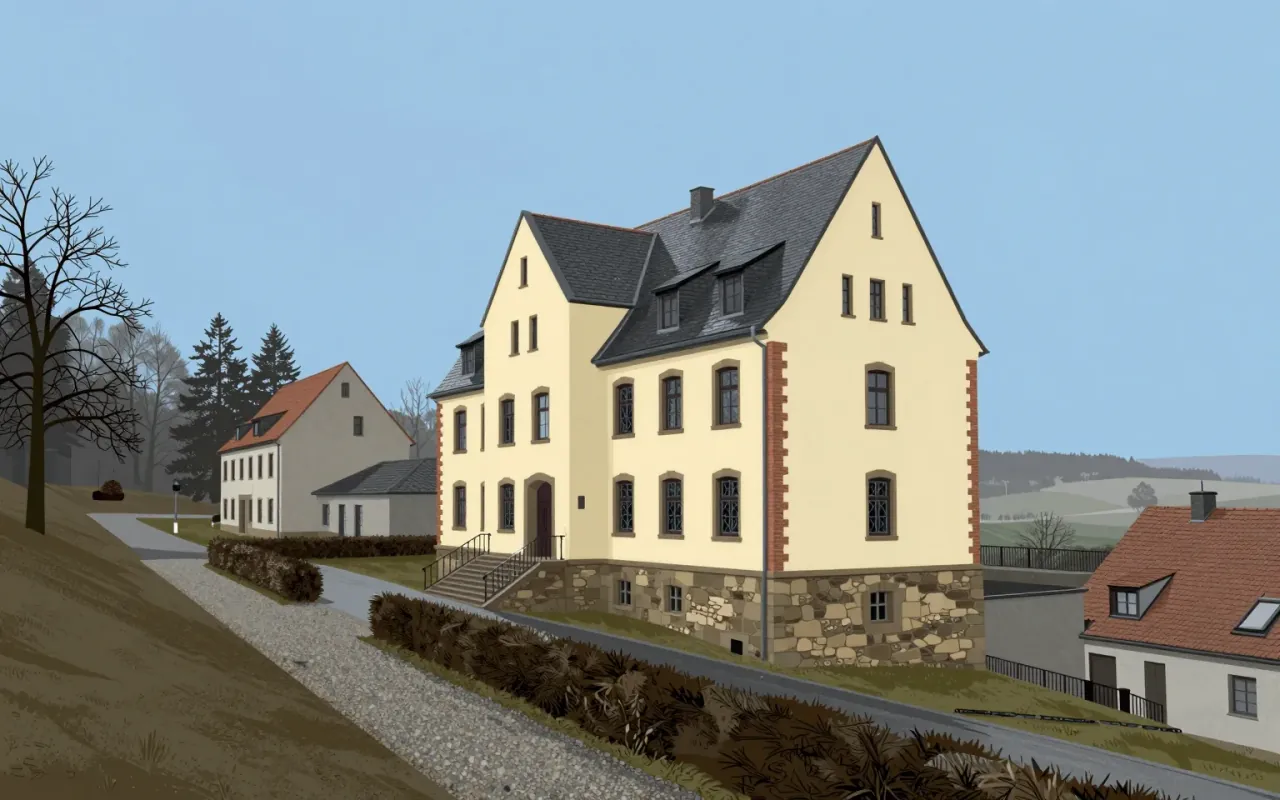
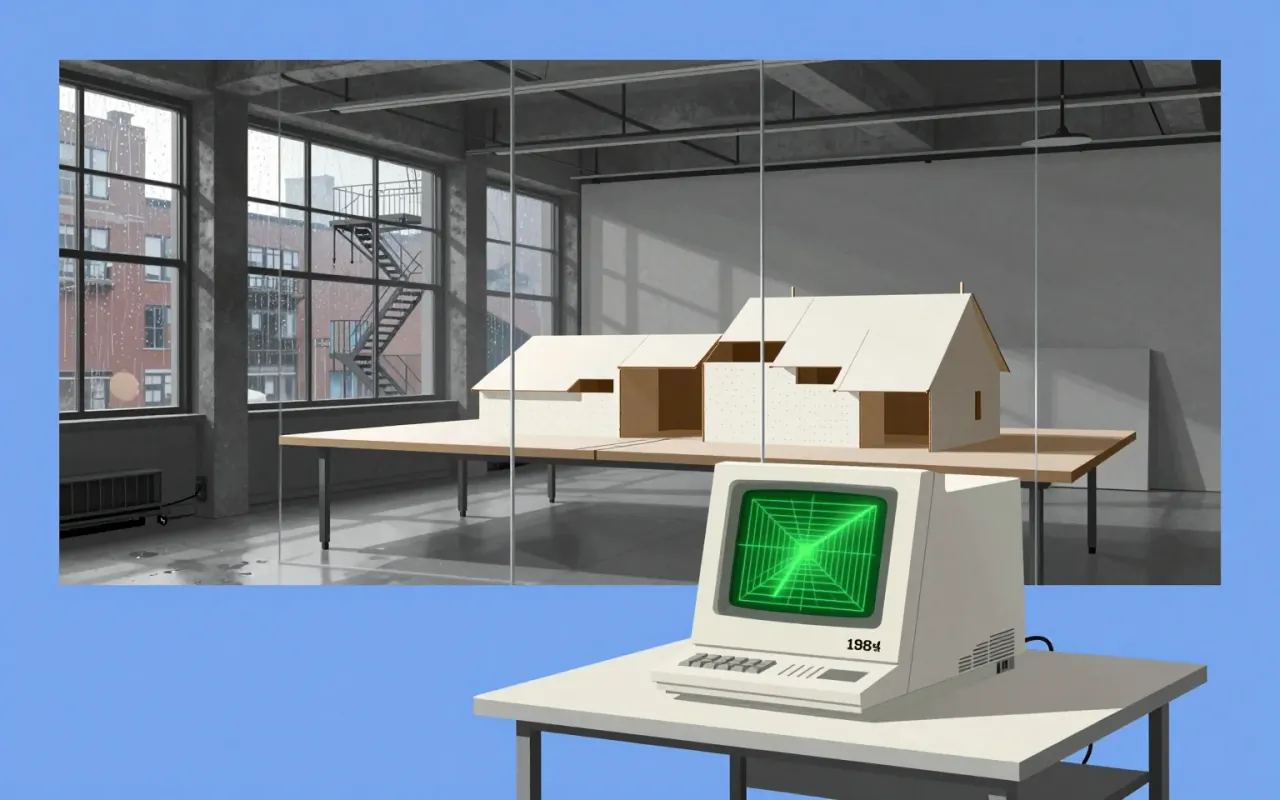
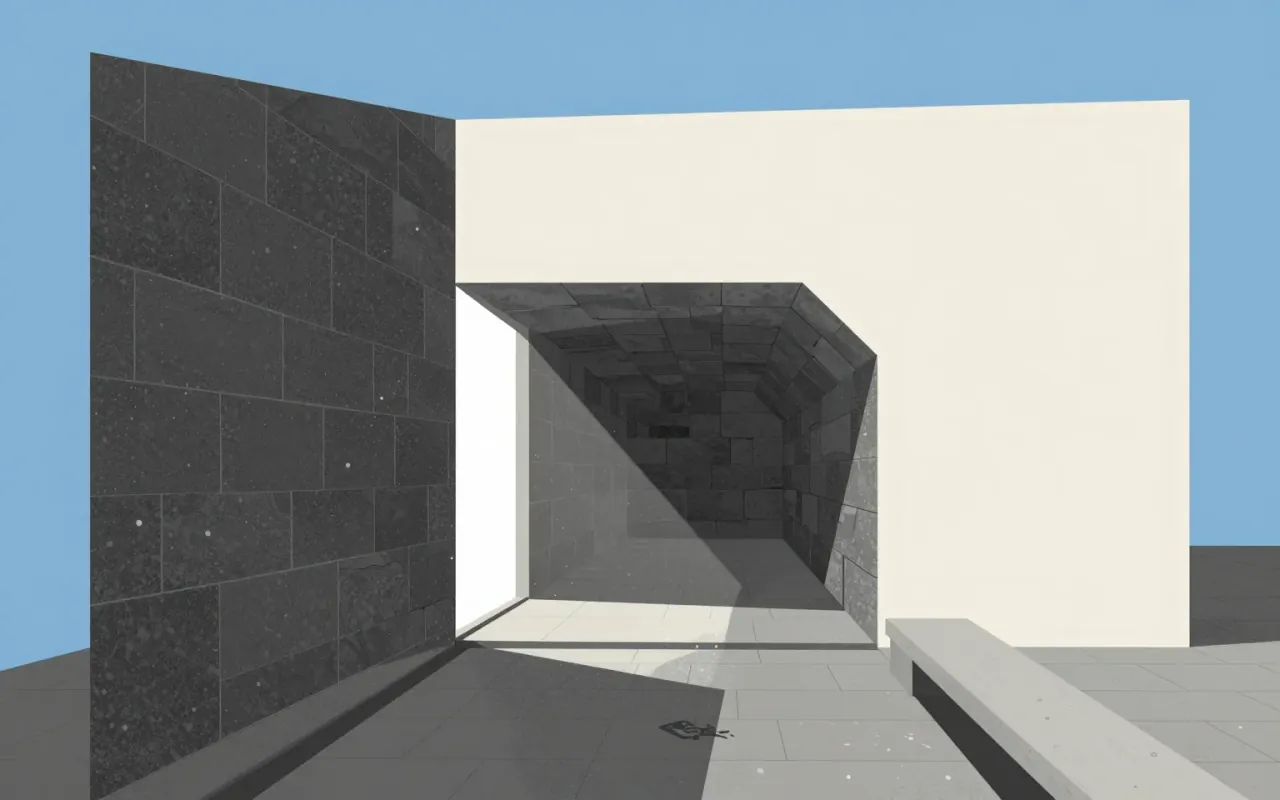

Robert Venturi’s ‘Postmodernism’ is two books — not a style, not a movement, not a building. It is a method for reading complexity into architecture where modernism saw only noise. It trades certainty for interpretation. It trades universality for local meaning. It trades elegance for richness. Its power lies in what it permits, not what it prescribes.
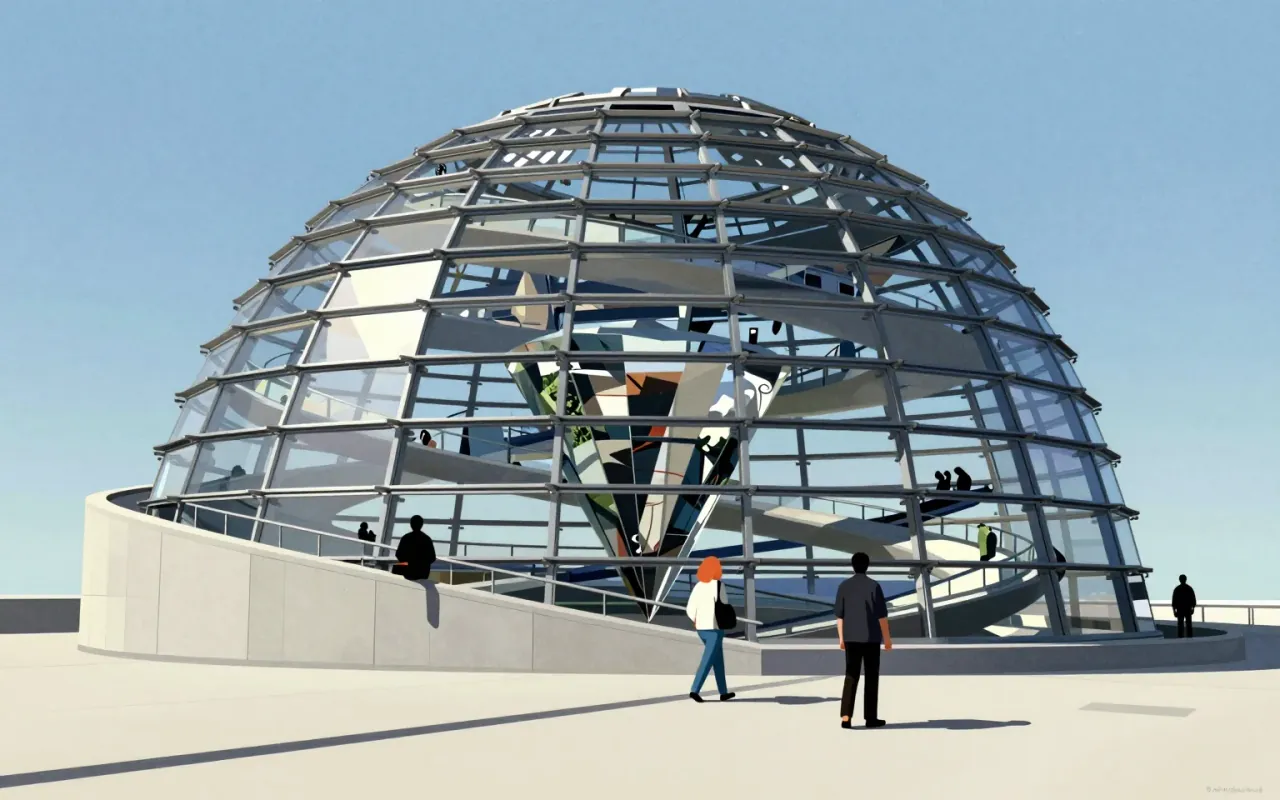
The Reichstag dome is a reconstructed glass structure on the Reichstag building in Berlin. Norman Foster designed it from Gottfried Böhm’s idea. Waagner-Biro built it. It features a mirrored cone, two steel spiral ramps, an electronically tracked sun shield, and daylight-driven energy efficiency. It provides a 360° view of Berlin. It makes the Bundestag chamber visible from above. It symbolises German reunification and democratic transparency.
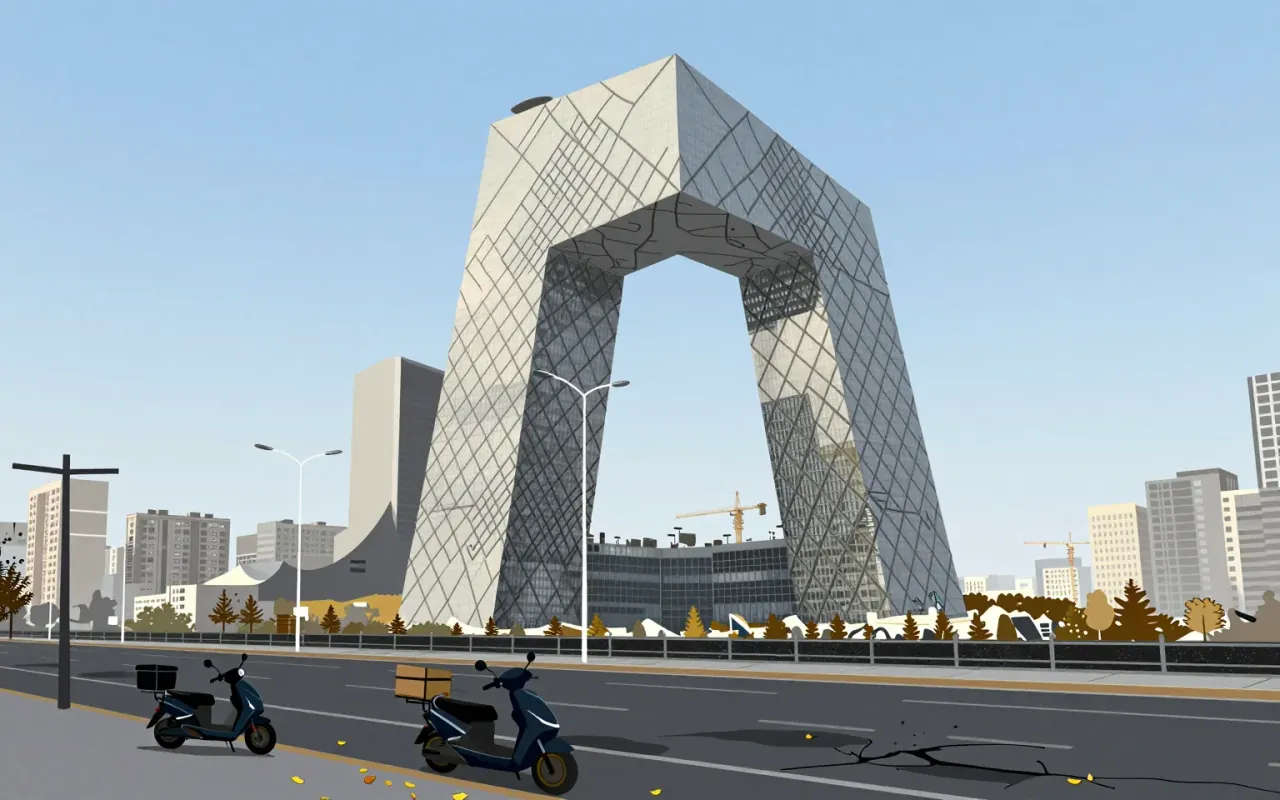
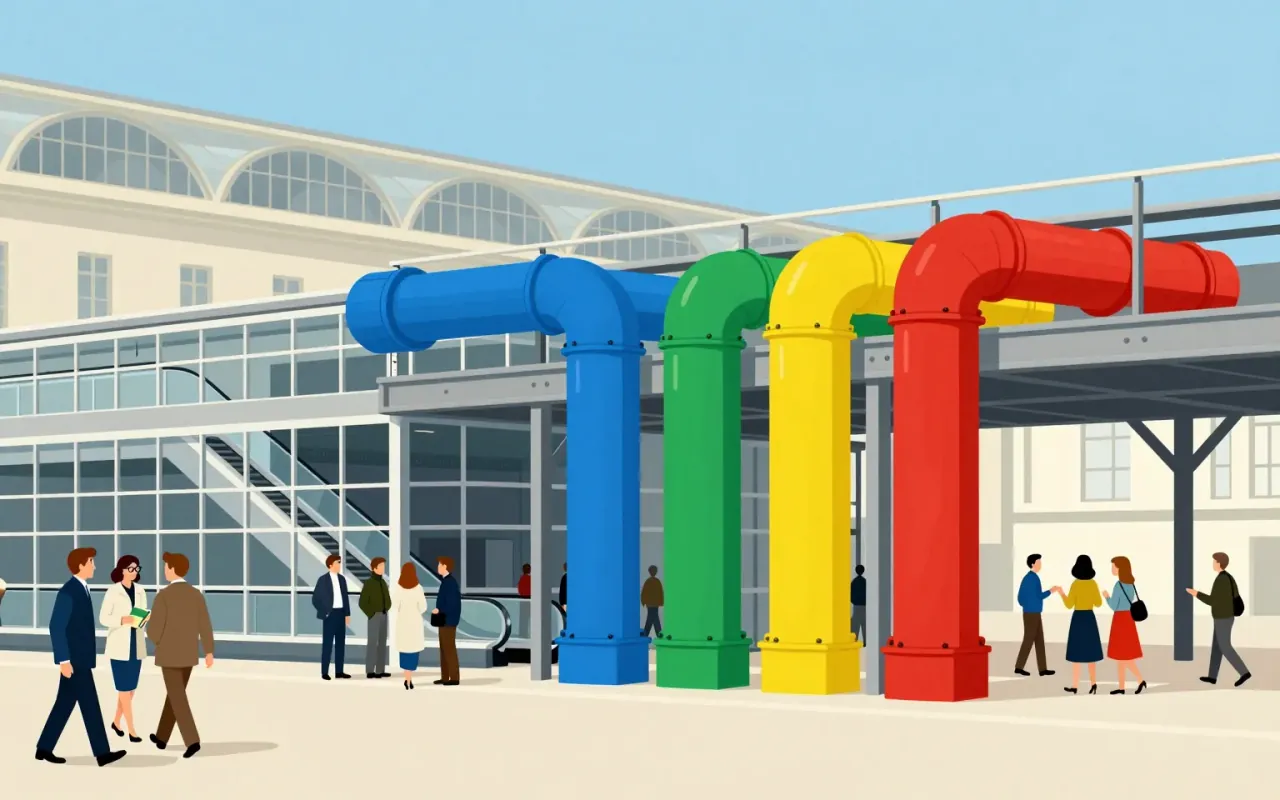

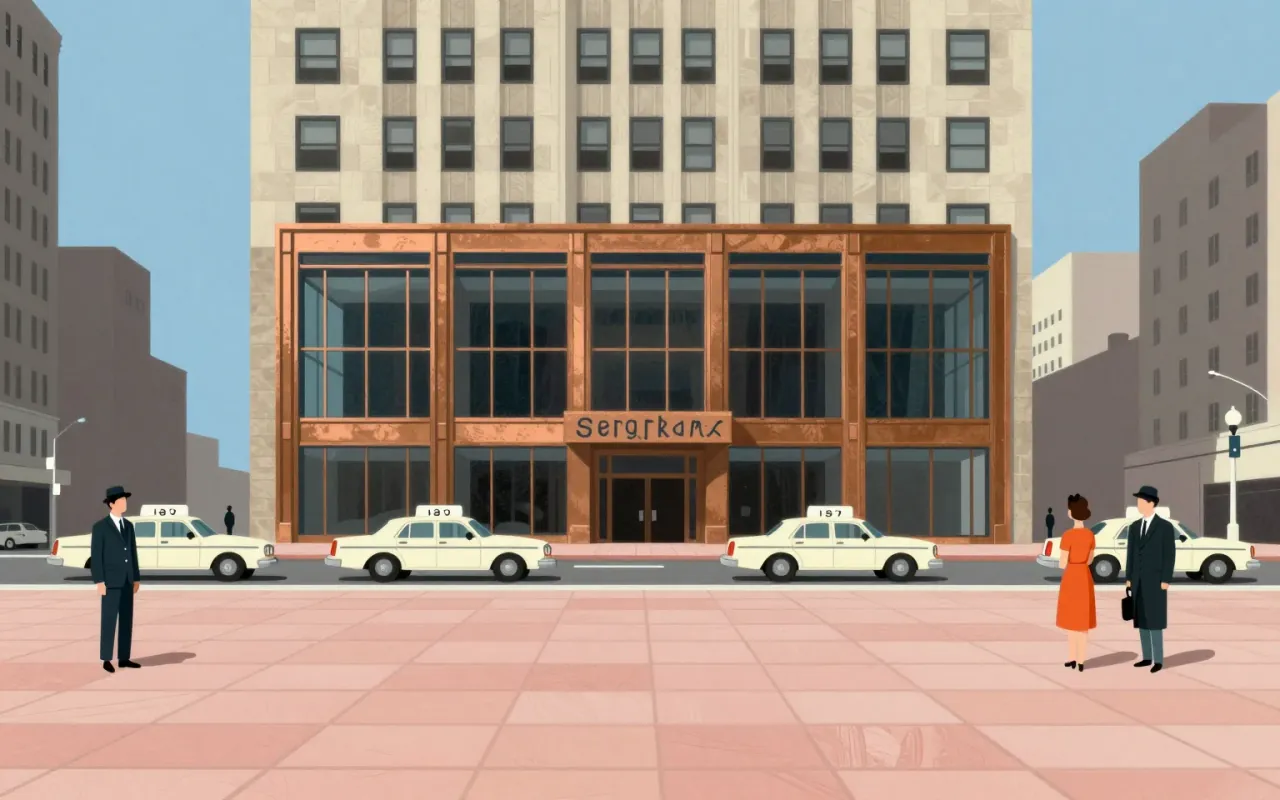
The Seagram Building is a methodologically rigorous application of International Style principles — sited, tested, and materialised with explicit constraints and innovations. Its influence is unverified. Its success lies in its documented departures: from structural facade integration, from NYC window conventions, and from untested corporate monumentality.
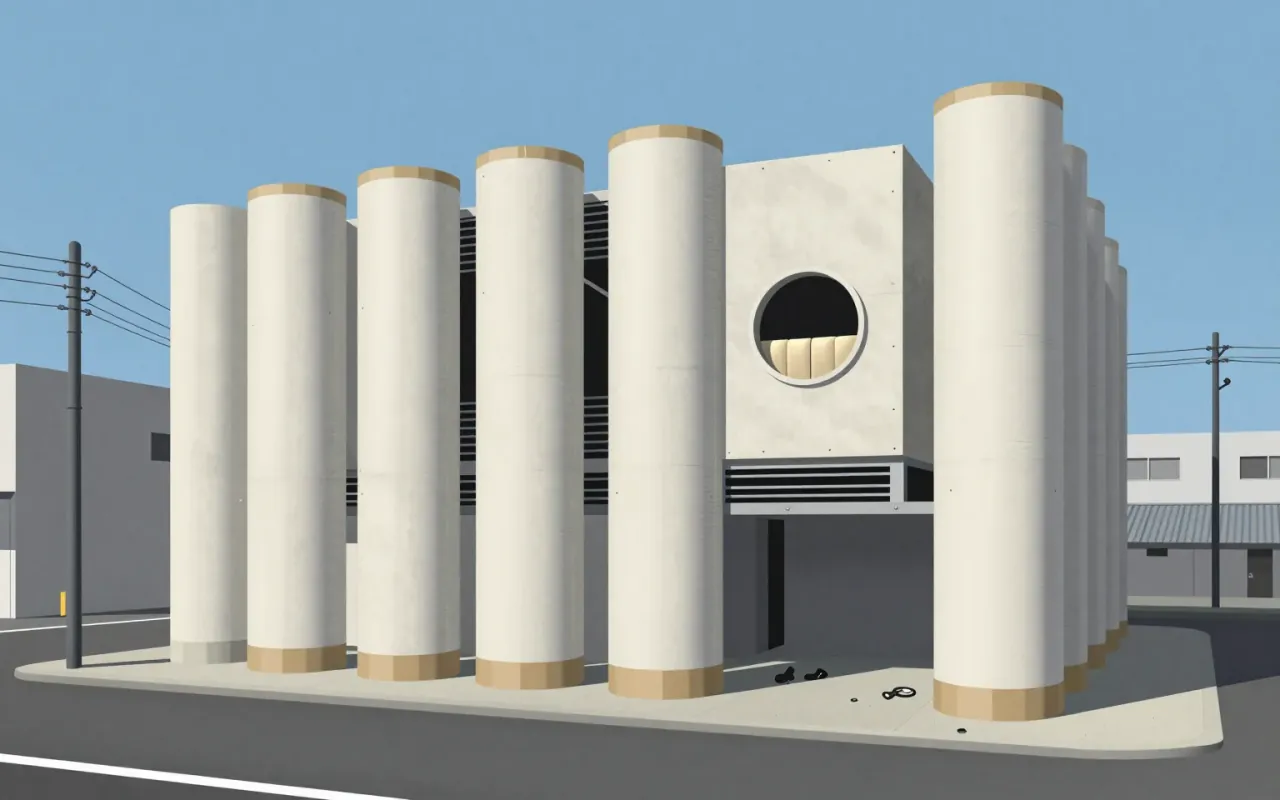
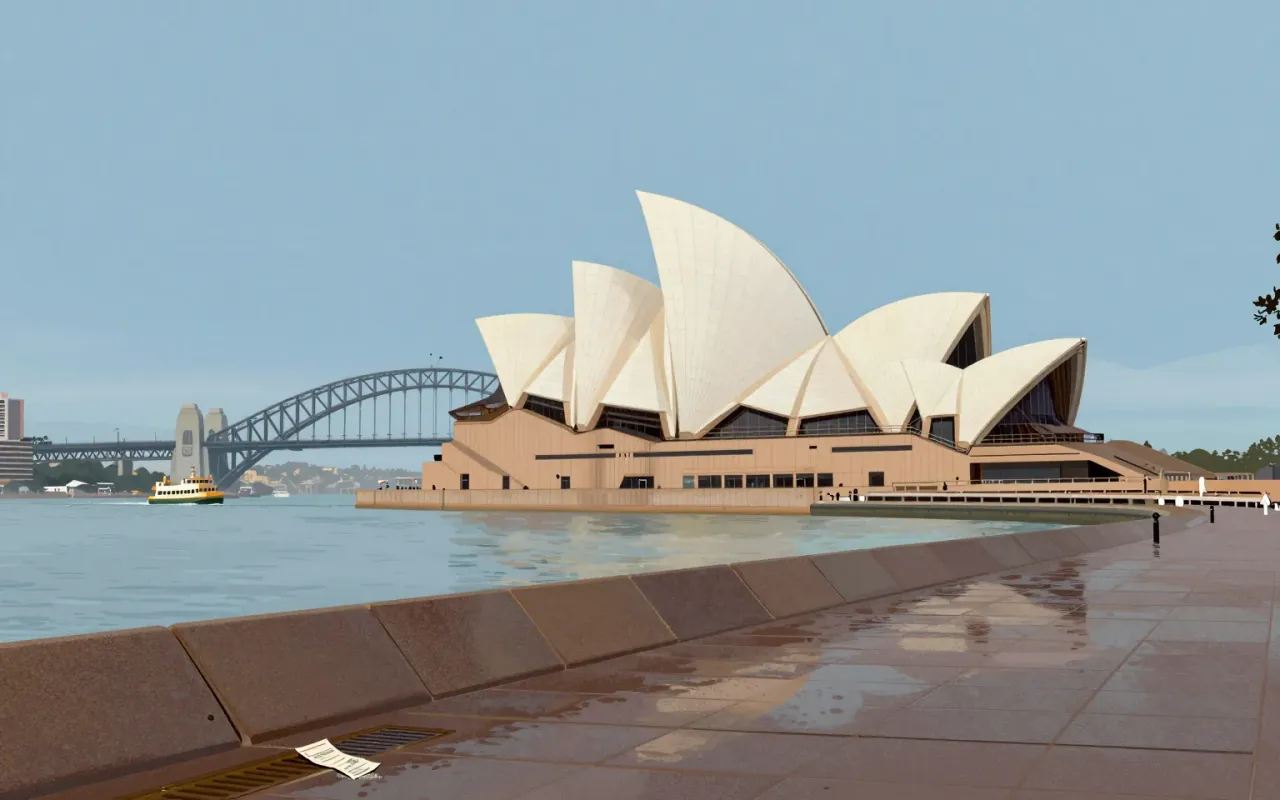
The Sydney Opera House is a landmark where aesthetic conviction collided with structural reality—and where resolution required iteration, computation, material innovation, and shared authorship.
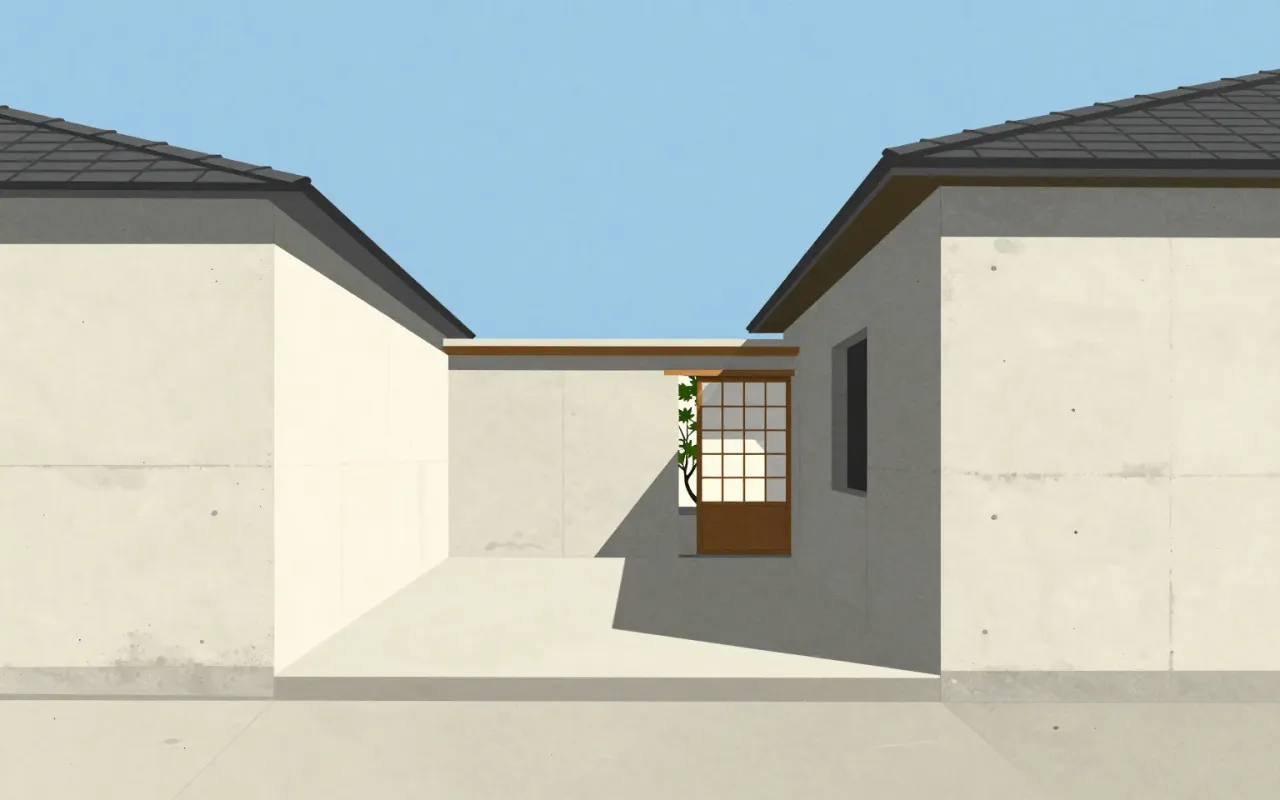
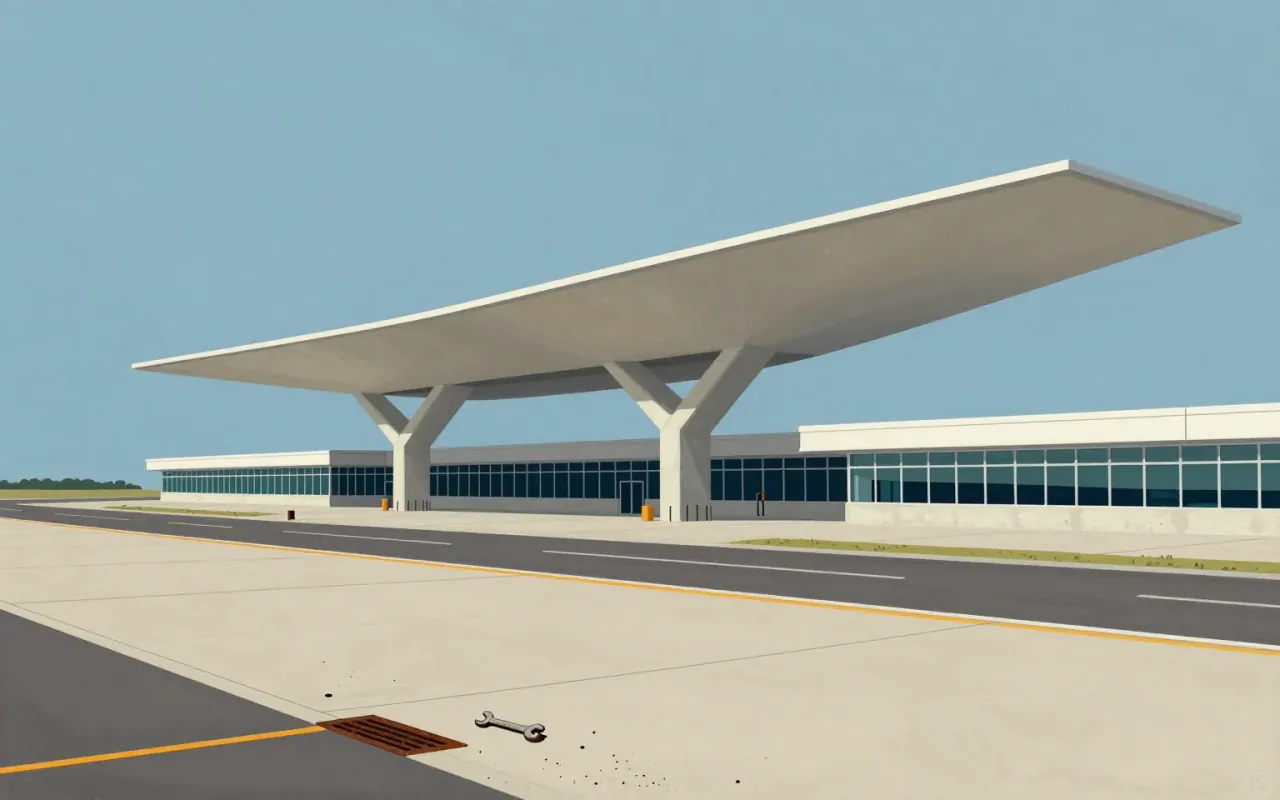
A terminal built for Trans World Airlines at JFK Airport in 1962. Designed by Eero Saarinen and Associates with Charles J. Parise. Its wing-shaped thin-shell concrete roof uses catenary curves and rests on four Y-shaped piers. Developed through physical modelling—not sketching—after empirical study of passenger movement. Adapted into the TWA Hotel in 2019, retaining Saarinen’s furniture.
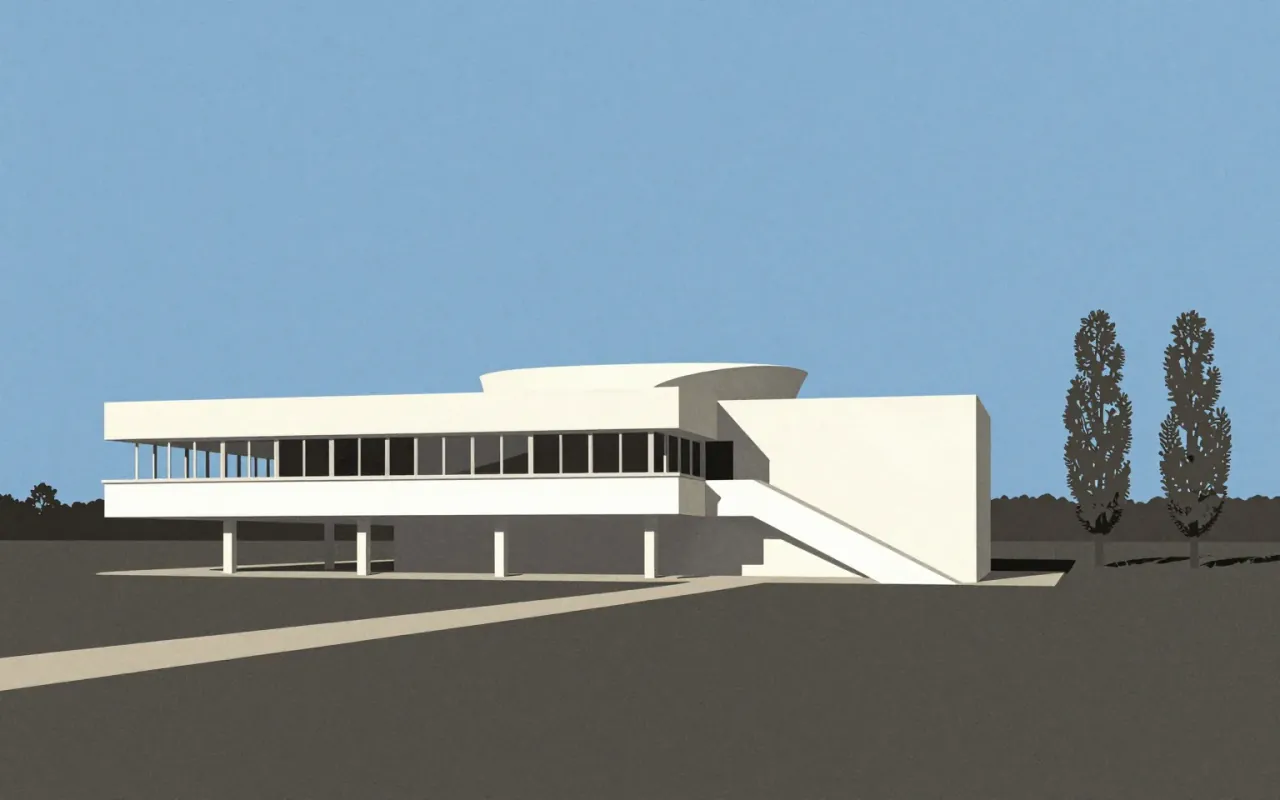
The Villa Savoye is the definitive built statement of Le Corbusier’s Five Points — executed with rare freedom, then adjusted under cost pressure. Its influence is verified; its compromises are documented. It is not timeless. It is specific, material, contested, and consequential.



The Golden Gate Bridge is a suspension bridge completed in 1937. Joseph Strauss served as chief engineer, but the suspension design came from Leon Moisseiff. Charles Ellis resolved site-specific structural conflicts. Strauss introduced movable safety netting. No verified claim attributes aesthetic, metallurgical, or wind-theory innovation to Strauss.
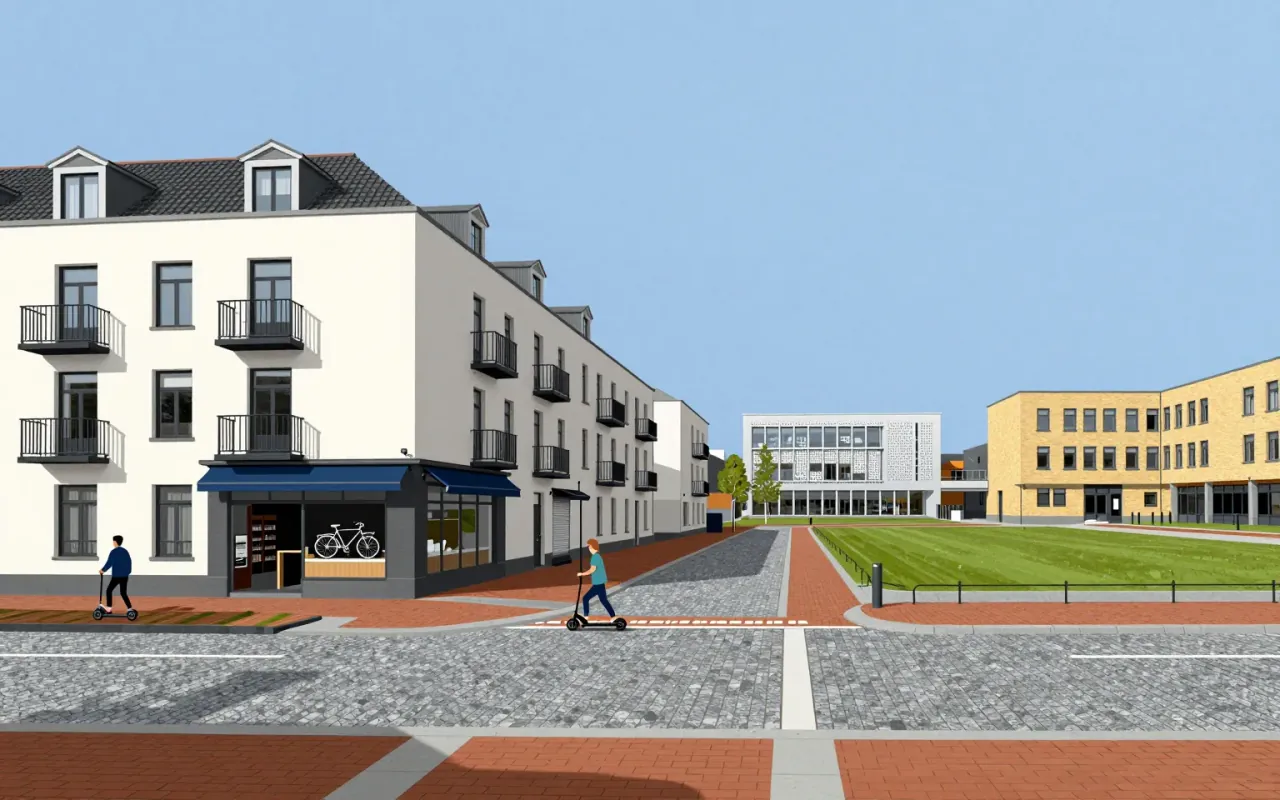
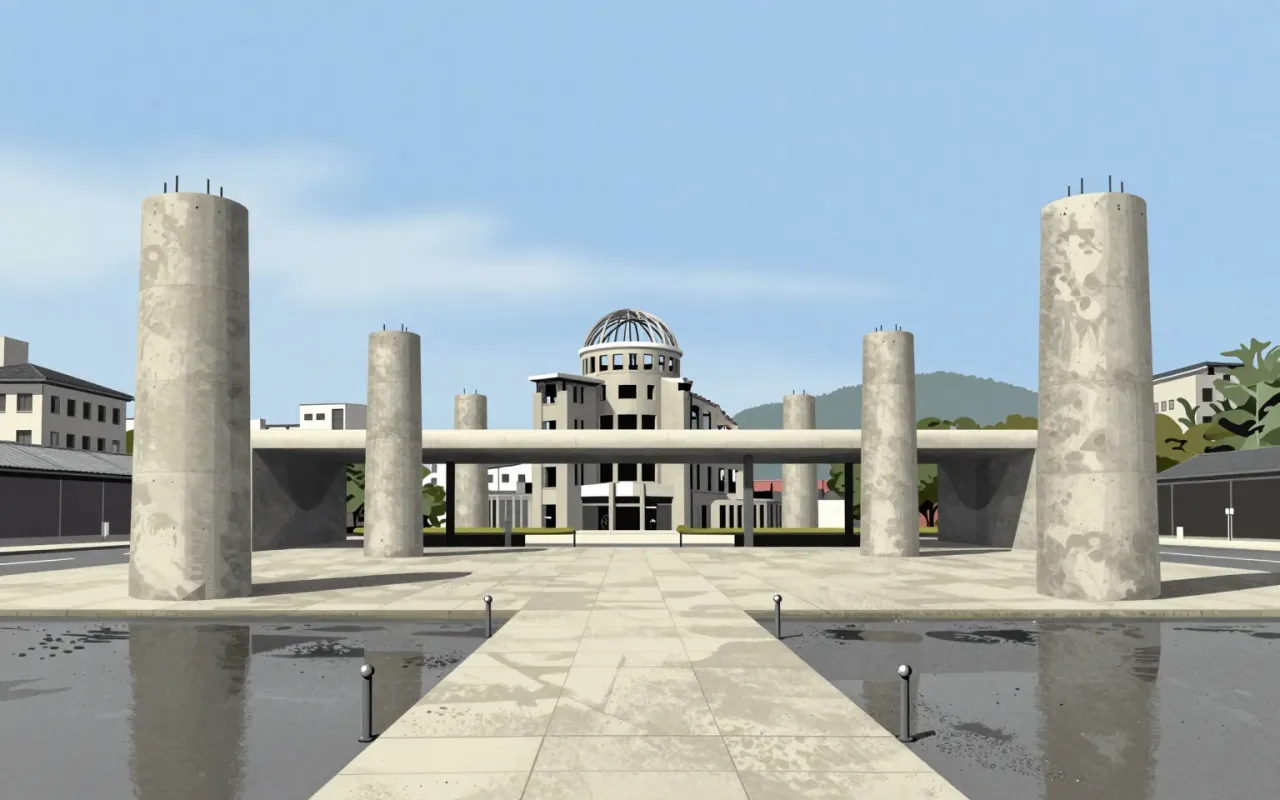


Rockefeller Center is not a building but a coordination protocol disguised as architecture.
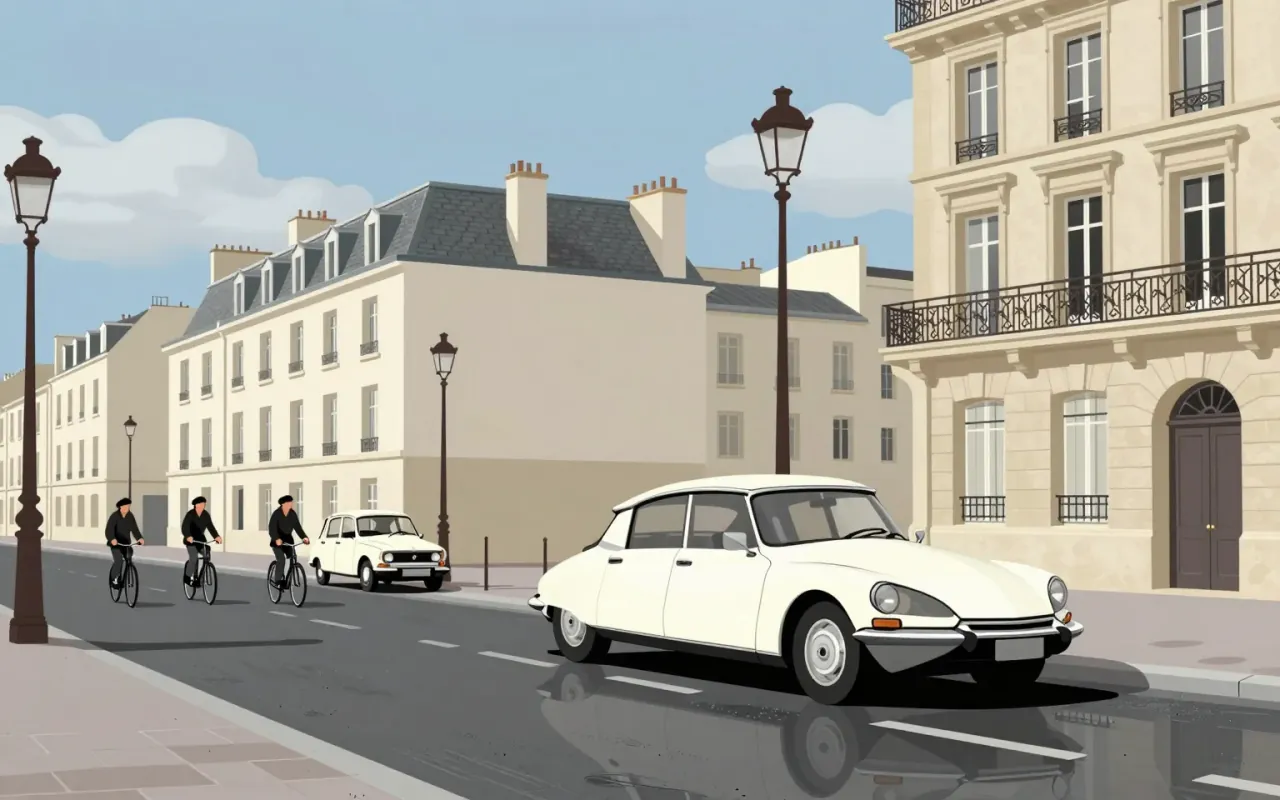
The Citroën DS is an industrial design for a mass-production automobile. Flaminio Bertoni co-styled it with André Lefèbvre. Paul Magès developed its hydropneumatic self-levelling suspension. It used hydropneumatic suspension and disc brakes — the first mass-production car to do so. It set new standards in ride quality, handling, and braking. It pushed the envelope in the ride vs. handling compromise possible in a motor vehicle. Its body design was aerodynamic and futuristic. Roland Barthes described it as looking as if it had 'fallen from the sky'. The DS Series 3 introduced directional headlights to automotive mass-production.