designbriefs
Architecture

Chrysler Building

A stainless-steel stunt that redefined what a skyscraper could do—and what it was allowed to be.

The Chrysler Building is a 1,046-foot-tall steel-framed brick skyscraper in New York City, designed by William Van Alen in the Art Deco style and completed in 1930. Van Alen used Nirosta stainless steel—the first such use in an American project—as an integral design element. He secretly built a 125-foot spire inside the frame and assembled it in 90 minutes on October 23, 1929. The building served as a real-world test site for stainless steel durability, with formal inspections every five years from 1929 to 1960. It became the world’s tallest building for 11 months and remains the tallest steel-framed brick building in the world. Critics responded with mixed reactions—including praise for Van Alen personally and criticism of the building as superficial and lacking serious design significance.

Subject
Building
Architect / practice
William Van Alen
Year
1930
Worth your time?

Yes. Study the whole thing.

4.5/ 5
What works
  • height-as-argument
  • material-testing-as-design
  • concealment-and-deployment
What does not
  • whatItInfluenced
Study it if
  • architects
  • designers
  • historians of materials
Skip it if
  • engineers seeking technical detail
  • critics seeking resolved aesthetic judgment
The design analysis1 min read

What the work is

The Chrysler Building is a 1,046-foot-tall steel-framed brick skyscraper in New York City, designed by William Van Alen in the Art Deco style and completed in 1930.

How it was made

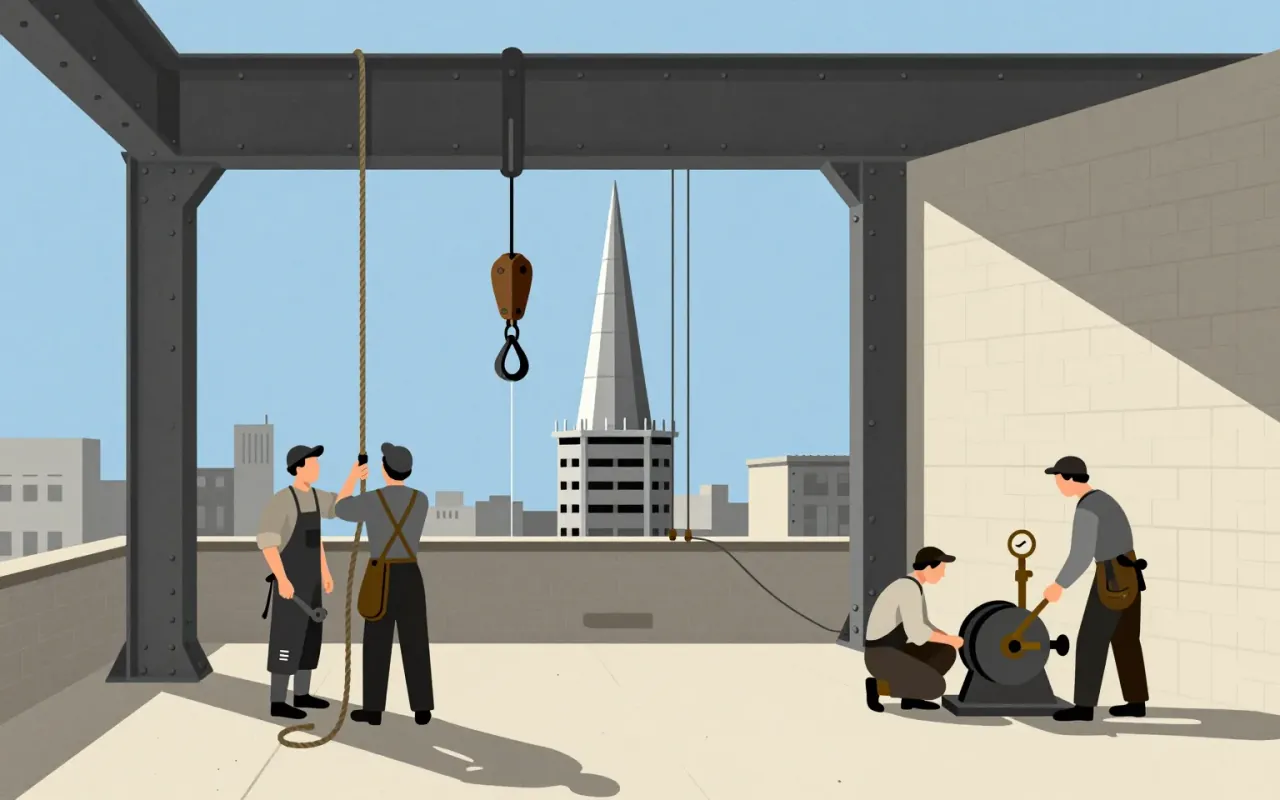
Van Alen designed the building in the Art Deco style between 1928 and 1930. He used Nirosta stainless steel—the first such use in an American project—as an integral design element. He secretly built a 125-foot spire inside the frame and assembled it in 90 minutes on October 23, 1929. The building served as a real-world test site for stainless steel durability, with formal inspections every five years from 1929 to 1960.

What works

It established the viability of Nirosta stainless steel in architecture. It proved that height could be weaponised as a competitive, time-bound act—concealed, then deployed in 90 minutes. It became the world’s tallest building for 11 months and remains the tallest steel-framed brick building in the world.

What does not

It was criticised at completion as ‘just flash which embodies no compelling, organic idea’ and ‘distinctly a stunt design, evolved to make the man in the street look up’ but having ‘no significance as serious design’.

What it influenced

The document does not establish what the Chrysler Building influenced.

Is it worth your time

Yes. It is the first supertall skyscraper, the first man-made structure over 1,000 feet tall, and remains the tallest steel-framed brick building in the world. Its construction decisions—material innovation, concealed assembly, and height-as-argument—are legible and consequential.

Same discipline · Architecture4 of 121
Up next in Design

Citroën DS

Flaminio Bertoni · 10:02

A car that landed from the sky — and changed what mass production could absorb.

10:02