designbriefs
Architecture

Streamline Moderne

1930

Streamline Moderne wasn’t about beauty—it was about selling motion during a depression.

Streamline Moderne is a design language forged in austerity. It answers one constraint: how to project progress without expense. It gives up ornament, historical allusion, and vertical emphasis to gain motion, speed, and mass appeal. Its materials are unmentioned. Its makers are unattributed. Its power lies in what it omits—and what it implies.

Subject
Movement
Year
1930
Worth your time?

Yes. Study the whole thing.

4.5/ 5
What works
  • motion
  • speed
  • sleekness
  • modernity
What does not
  • ornament
  • historical reference
  • vertical emphasis
Study it if
  • designers studying constraint-driven form
  • architects analysing interwar public messaging
  • historians tracing aesthetic responses to economic collapse
Skip it if
  • those seeking craft detail
  • students of pre-1930 decorative arts
  • readers needing attribution or material data
The design analysis1 min read

What the work is

Streamline Moderne is an international style of Art Deco architecture and design that emerged in the 1930s.

How it was made

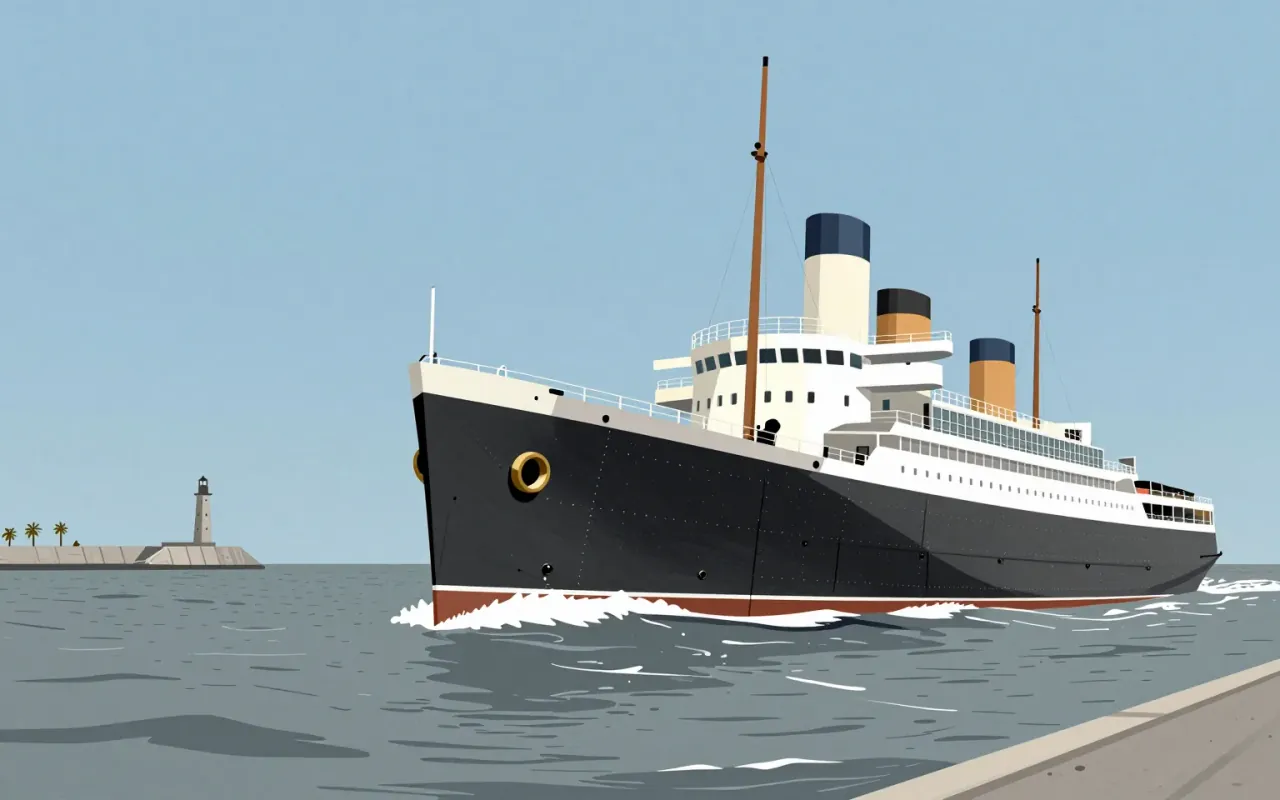
Industrial designers stripped Art Deco of its ornament in favour of an aerodynamically-inspired pure-line concept. It used curving forms, long horizontal lines, and sometimes nautical elements. Its cylindrical forms and long horizontal windowing may have been influenced by New Objectivity and Futurist architecture.

What works

It conveys simplicity, motion, and speed. It projects sleekness and modernity through reduction—curves replacing angles, horizontals replacing verticals, nautical motifs replacing florid detail.

What does not

It does not sustain ornament. It does not evoke historical reference or handcraft. It does not slow down perception: its forms reject stillness.

What it influenced

It influenced advanced forms of modern transportation—and was derived from them. It shaped railroad locomotives, telephones, buses, appliances, and buildings worldwide.

Is it worth your time

Yes—if you need to understand how economic constraint and transport aesthetics reshaped design language across continents in the 1930s.
Same discipline · Architecture4 of 121
Up next in Design

Susan Kare

· 9:48

She didn’t invent the GUI — she gave it a face, a voice, and a sense of humour, all on graph paper.

9:48