What the work is
The Empire State Building is a 102-storey Art Deco skyscraper in New York City. It was the first building over 100 stories tall. It held the title of world’s tallest building from 1931 until 1970.
How it was made
Shreve, Lamb & Harmon designed the Empire State Building in the Art Deco style between March 1930 and May 1931. The design underwent fifteen revisions to secure the title of world’s tallest building. Construction began on 17 March 1930 and concluded thirteen and a half months later, on 1 May 1931.
What works
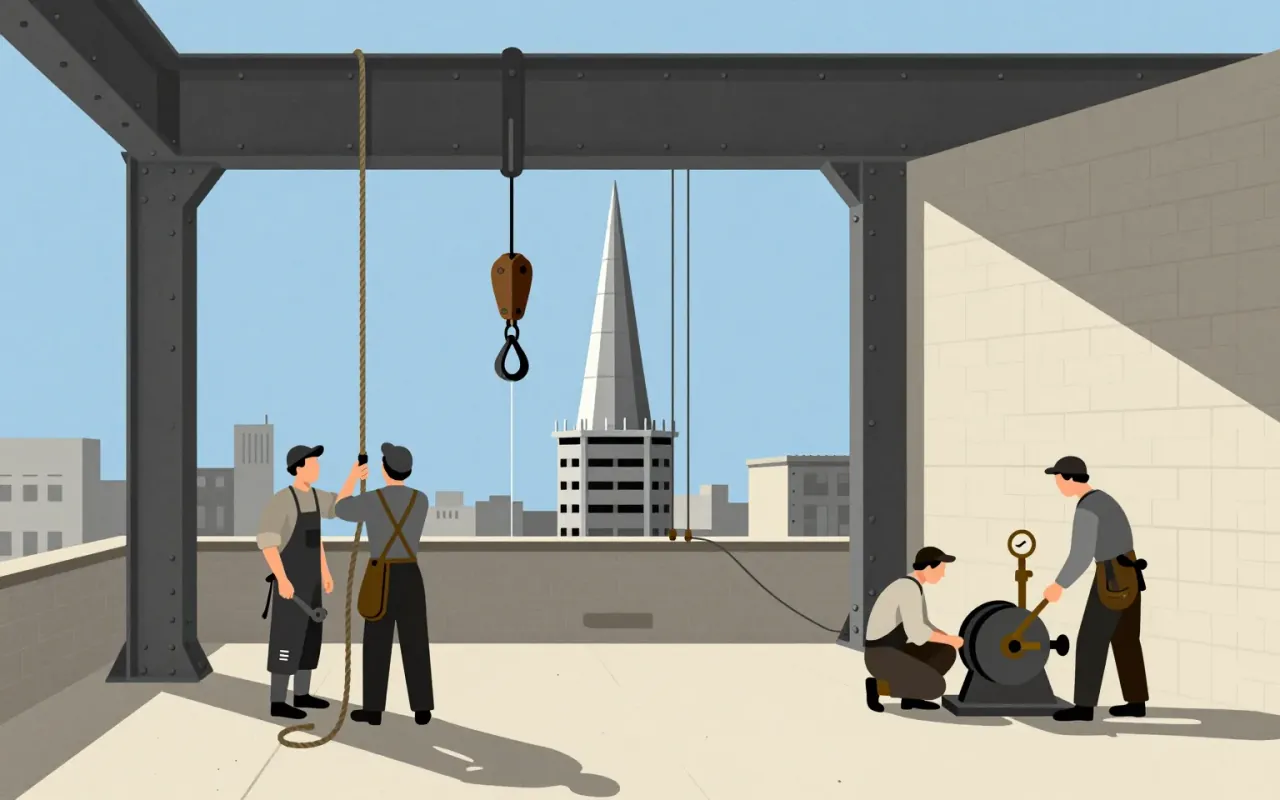
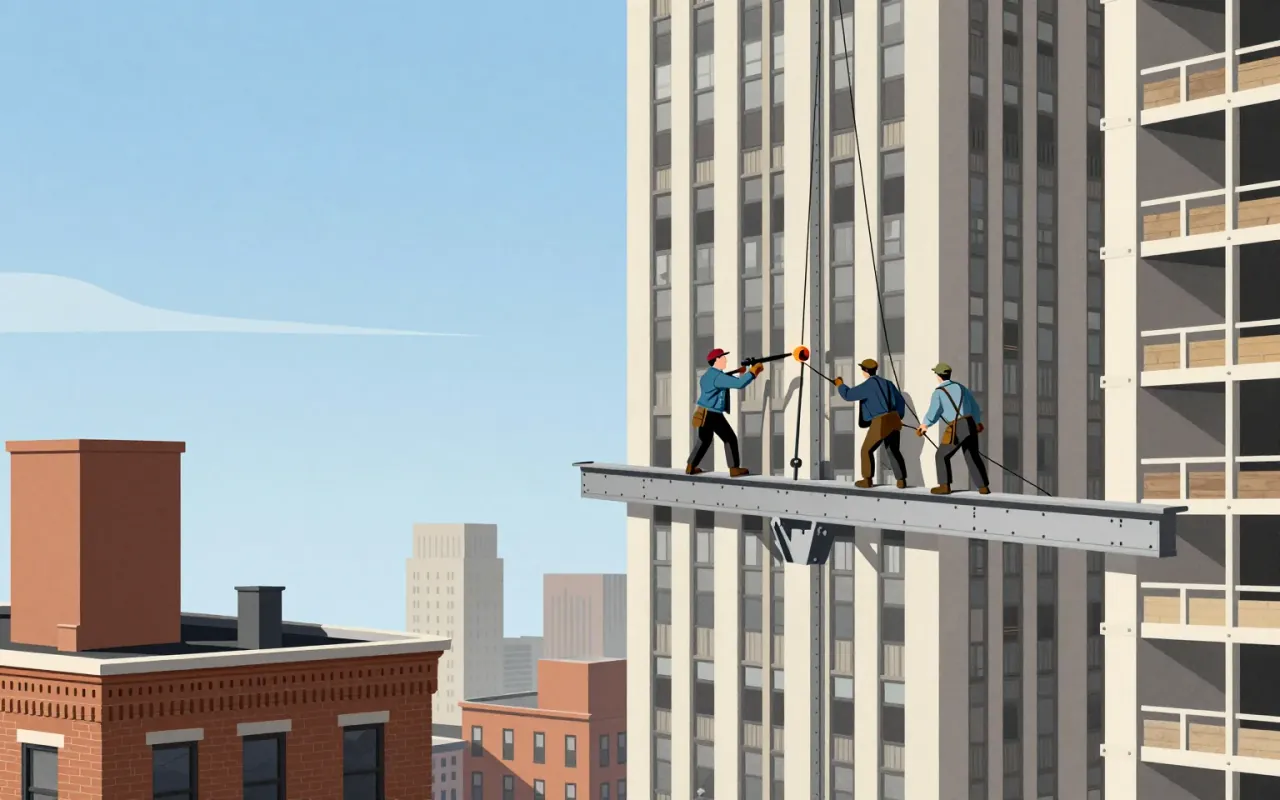
Its riveted steel frame handled gravitational and wind loads. Its structural stiffness — measured at 42 pounds per square foot — exceeded that of the Willis Tower and John Hancock Center. Its Art Deco architecture, height, and observation decks made it a popular attraction.
What does not
The document does not establish any failure mode, functional shortcoming, or design compromise beyond what was necessary to achieve height and stiffness. No aesthetic critique, user complaint, or operational limitation is cited.
What it influenced
The document does not state what the Empire State Building influenced. Claims about influence, precedent, or legacy beyond its own tenure as world’s tallest building (1931–1970) are absent.
Is it worth your time
Yes — its structural stiffness, height-driven design process, and enduring role as an observational attraction make it a decisive case study in constraint-led architecture.