CCTV Headquarters
A skyscraper that refuses to stand up straight — and proves it doesn’t have to.
Making it work with the materials and money available.
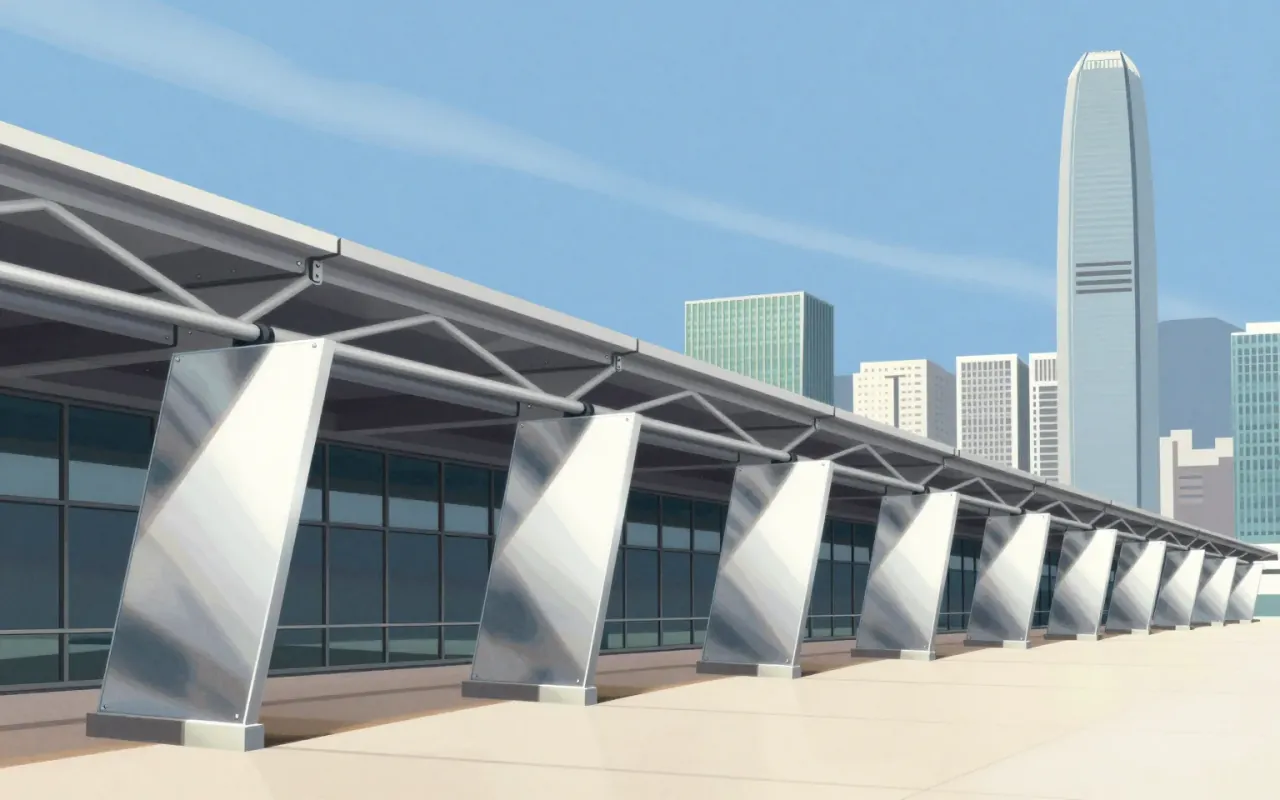
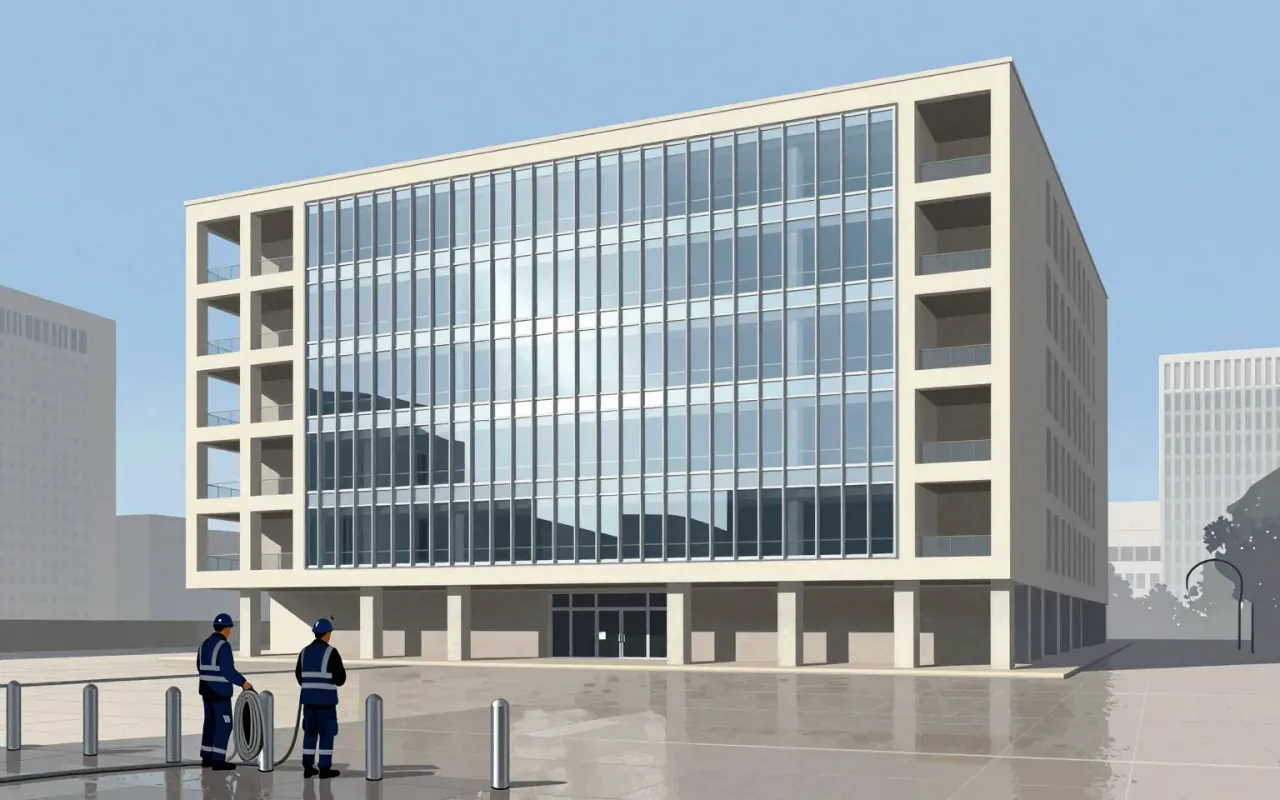
A suspended steel tower that replaced internal columns with external masts, prefabricated modules, and escalators—built at record cost to save a firm.
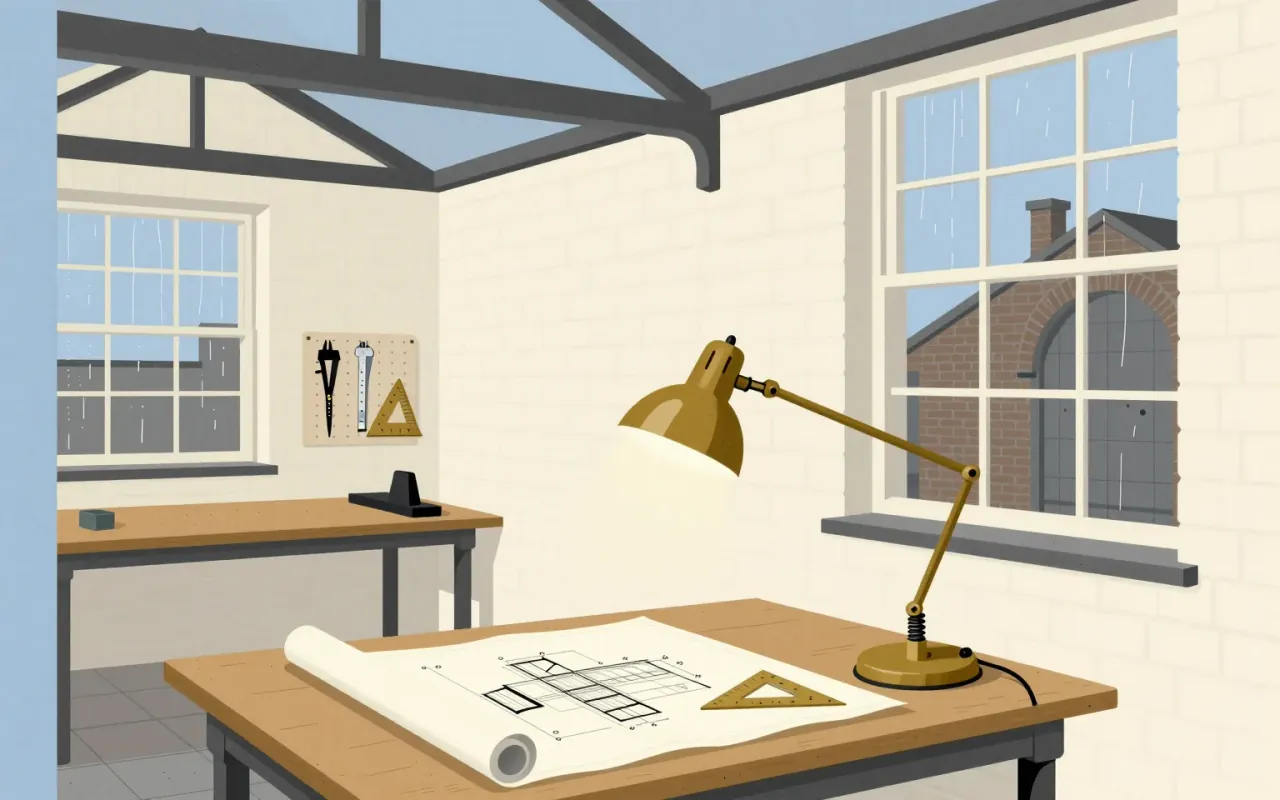
The Anglepoise lamp is a balanced-arm lamp designed in 1932 by George Carwardine, a vehicle suspension specialist. Its defining feature is the placement of all springs near the base — a direct transfer of suspension mechanics to lighting. It requires no clamps to hold position. Carwardine patented it, built it himself in Bath, then licensed it to Herbert Terry and Sons in 1934. Two versions exist: four-spring for professional use, three-spring for domestic use — both sharing the same spring-placement principle.
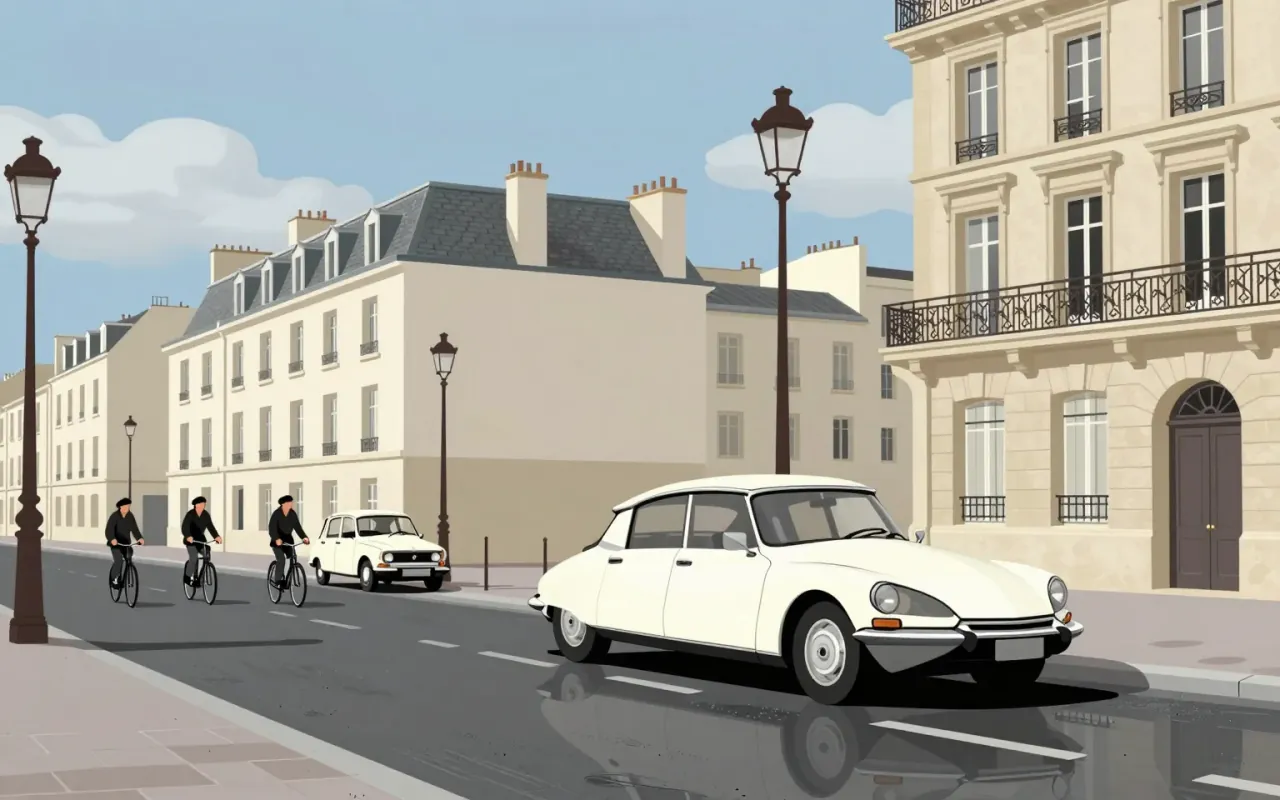
The Citroën DS is an industrial design for a mass-production automobile. Flaminio Bertoni co-styled it with André Lefèbvre. Paul Magès developed its hydropneumatic self-levelling suspension. It used hydropneumatic suspension and disc brakes — the first mass-production car to do so. It set new standards in ride quality, handling, and braking. It pushed the envelope in the ride vs. handling compromise possible in a motor vehicle. Its body design was aerodynamic and futuristic. Roland Barthes described it as looking as if it had 'fallen from the sky'. The DS Series 3 introduced directional headlights to automotive mass-production.

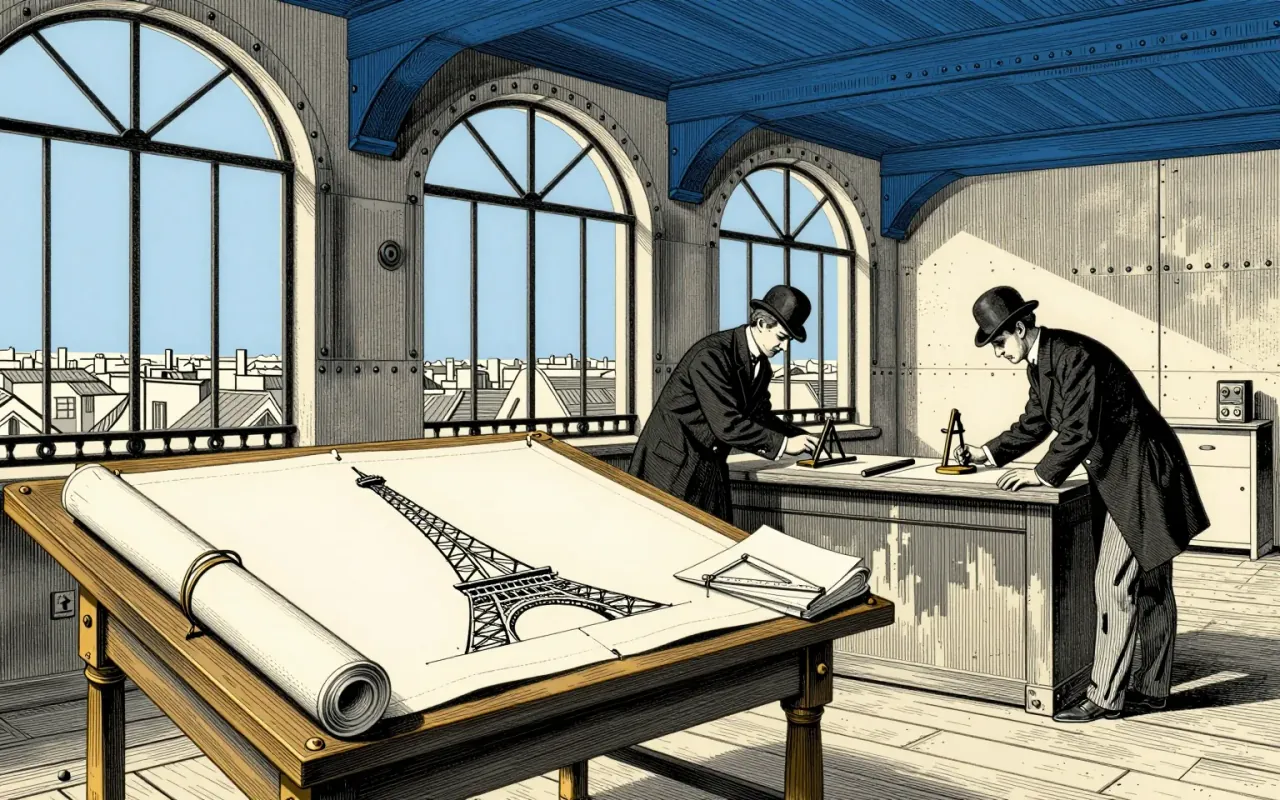
The Eiffel Tower is a feat of delegated authorship, procedural manipulation, and industrial discipline — not solitary genius.
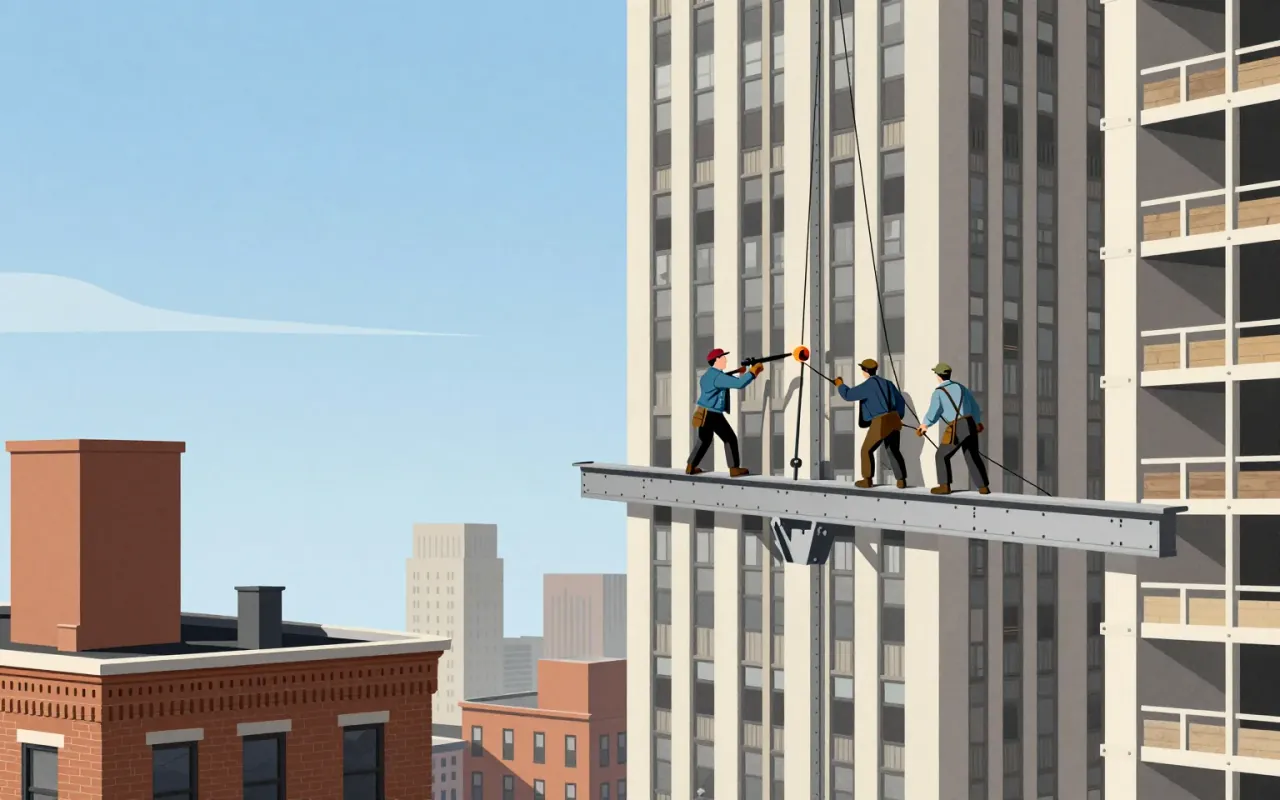
The Empire State Building is a 102-storey Art Deco skyscraper in New York City. It was the first building over 100 stories tall. It held the title of world’s tallest building from 1931 until 1970.
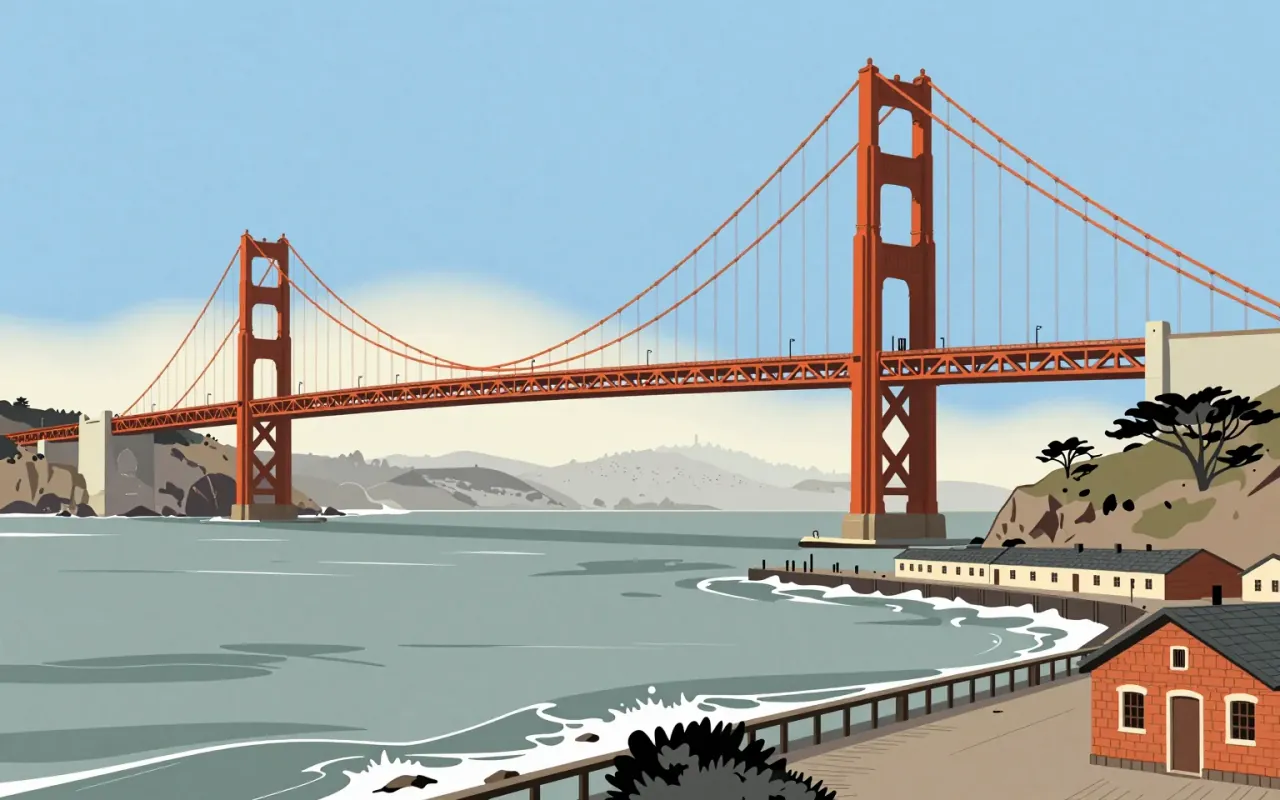
The Golden Gate Bridge is a suspension bridge completed in 1937. Joseph Strauss served as chief engineer, but the suspension design came from Leon Moisseiff. Charles Ellis resolved site-specific structural conflicts. Strauss introduced movable safety netting. No verified claim attributes aesthetic, metallurgical, or wind-theory innovation to Strauss.
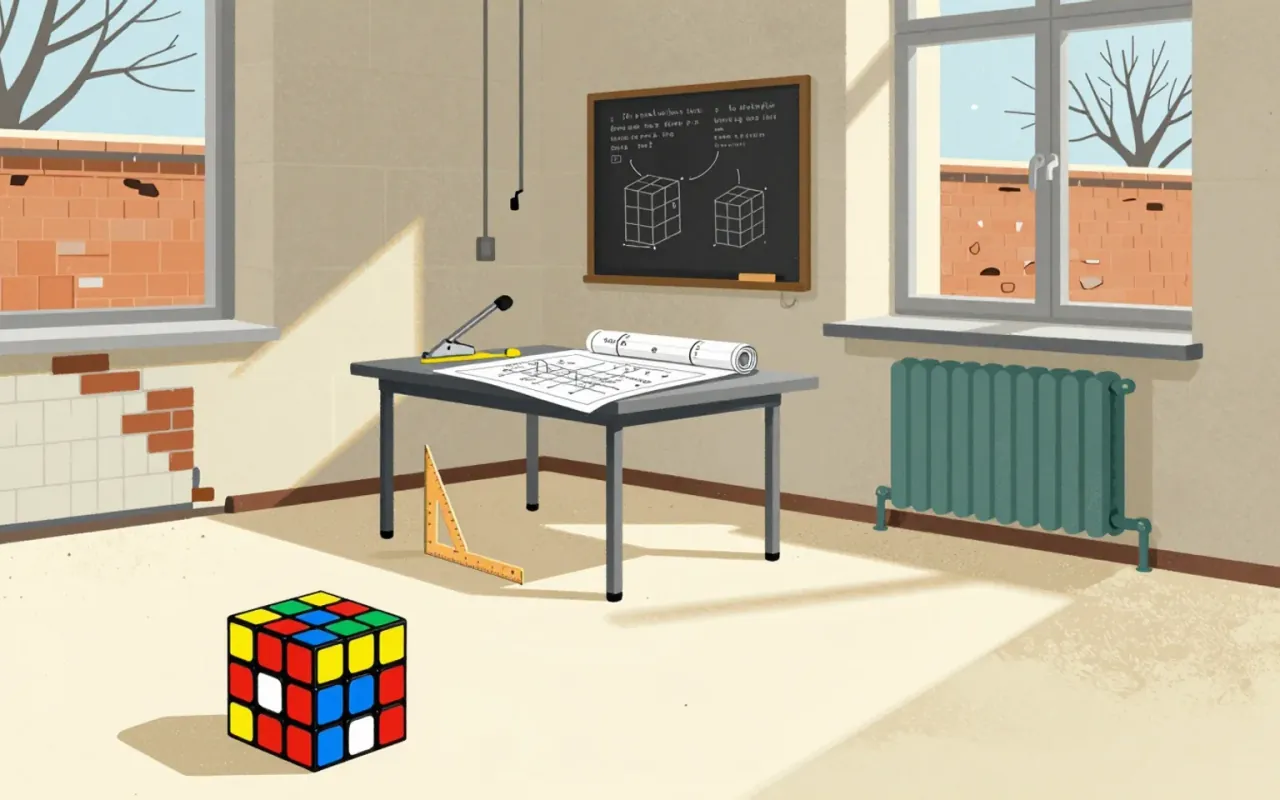
The Rubik's Cube is an industrial design solution to a structural problem — not a toy conceived for entertainment. Its puzzle nature was discovered retroactively. Its success rests on a durable, self-contained mechanical system made possible by interlocking plastic — a deliberate departure from earlier magnetic designs. It entered culture via student and enthusiast adoption in Budapest, not marketing or pedagogy. Its influence lies in proving that constraint-driven engineering can generate enduring cultural objects.
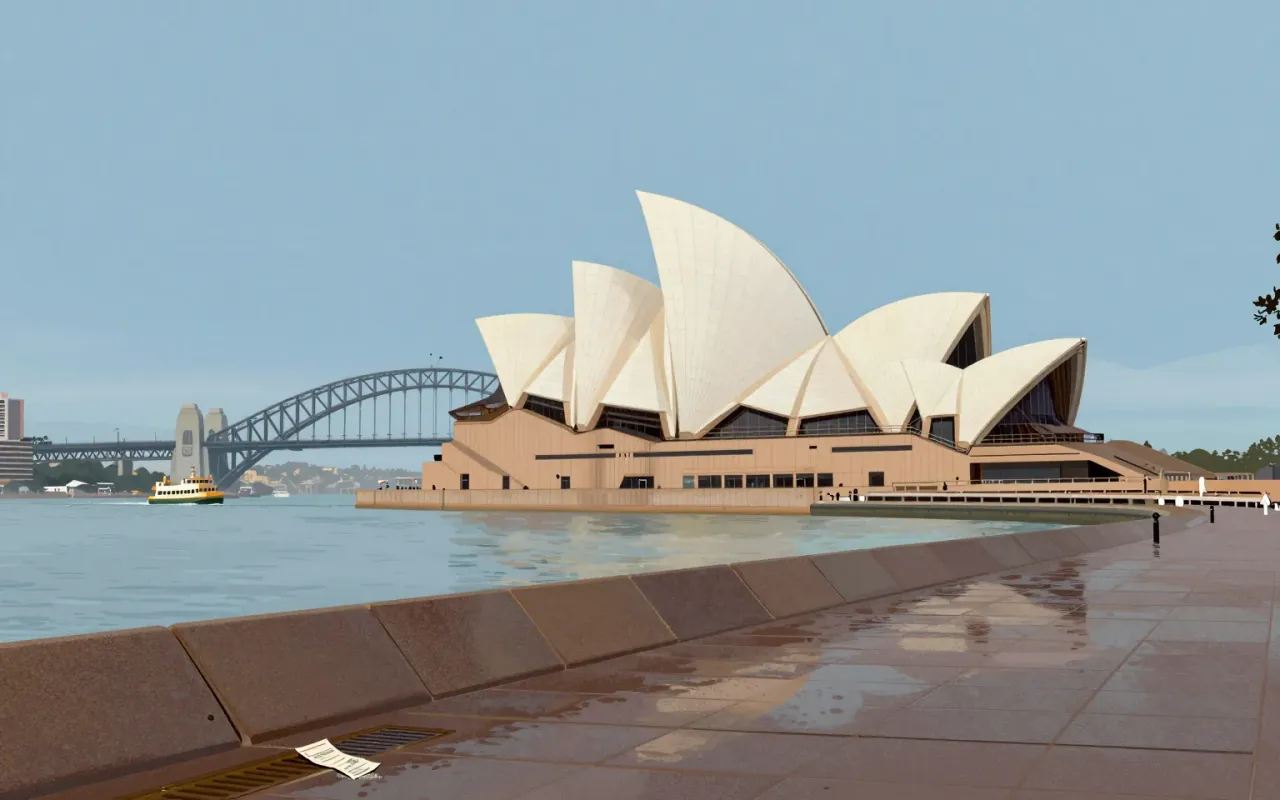
The Sydney Opera House is a landmark where aesthetic conviction collided with structural reality—and where resolution required iteration, computation, material innovation, and shared authorship.