What the work is
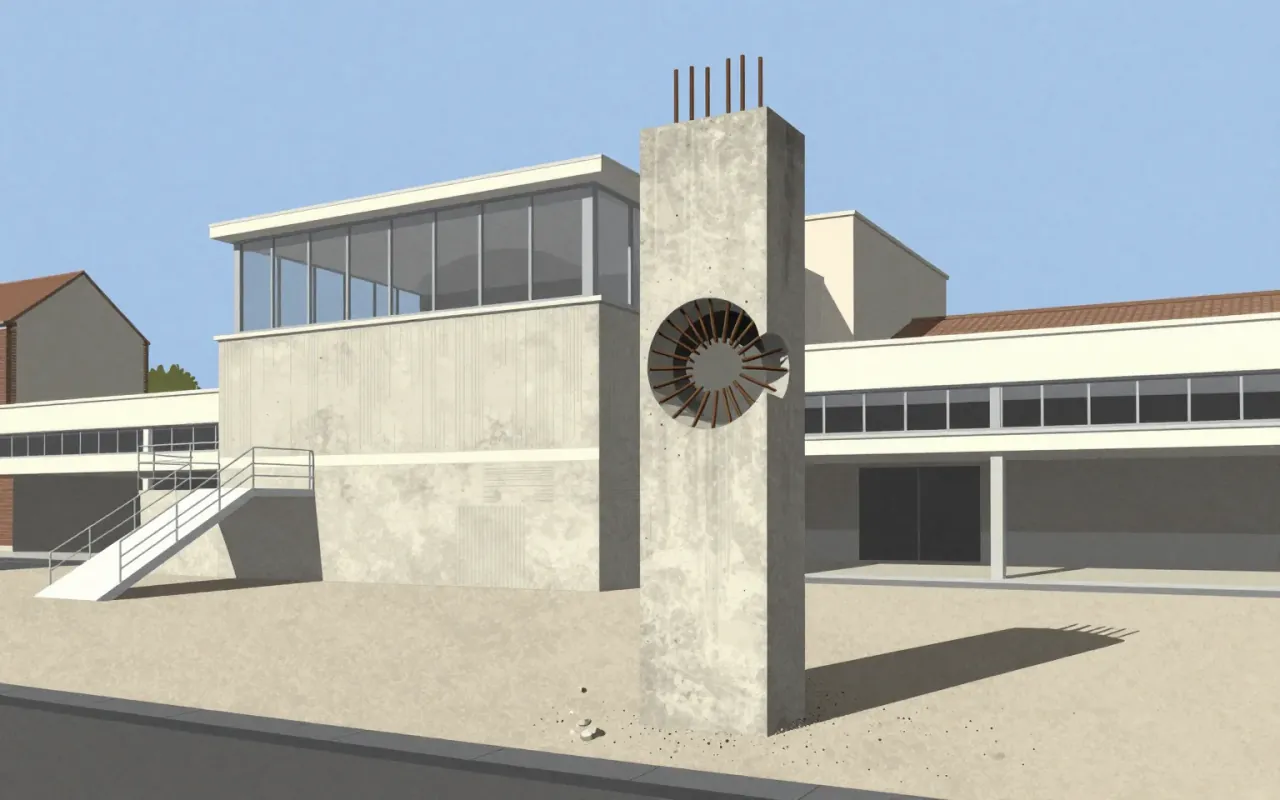
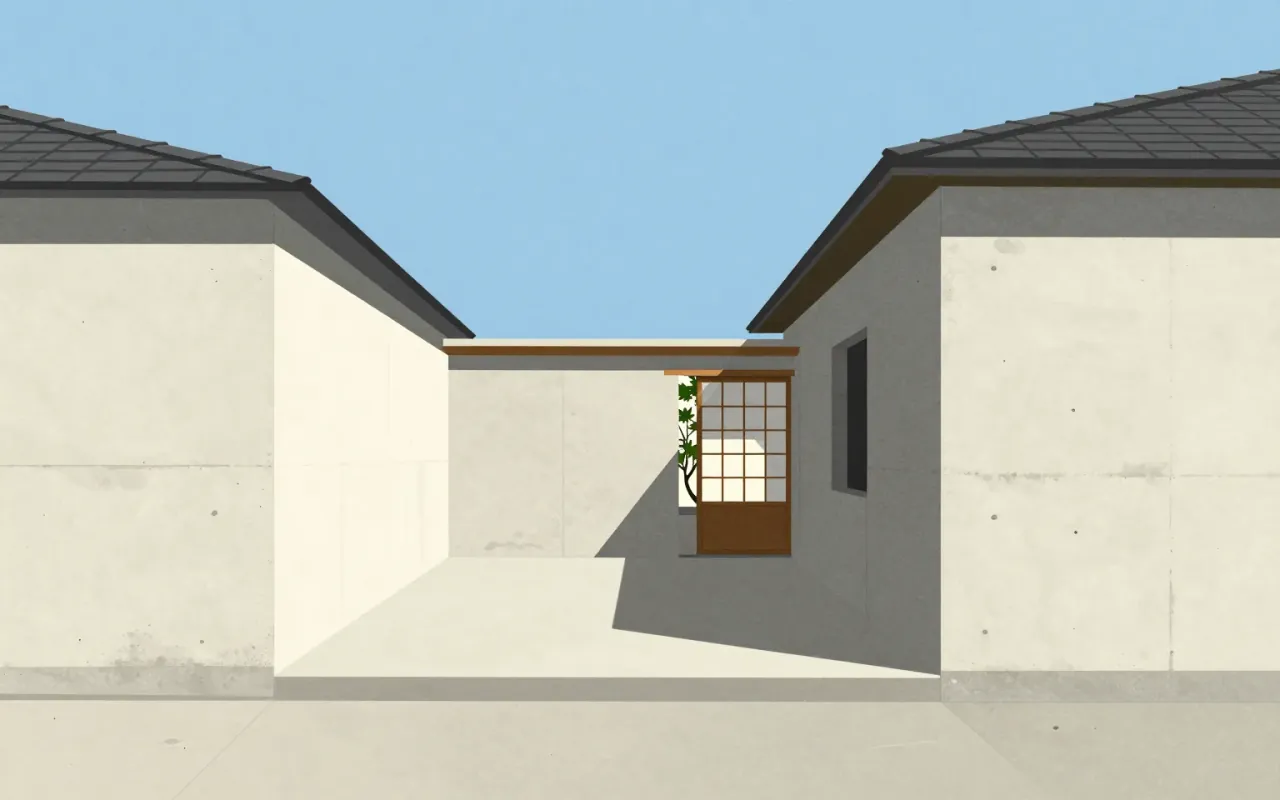
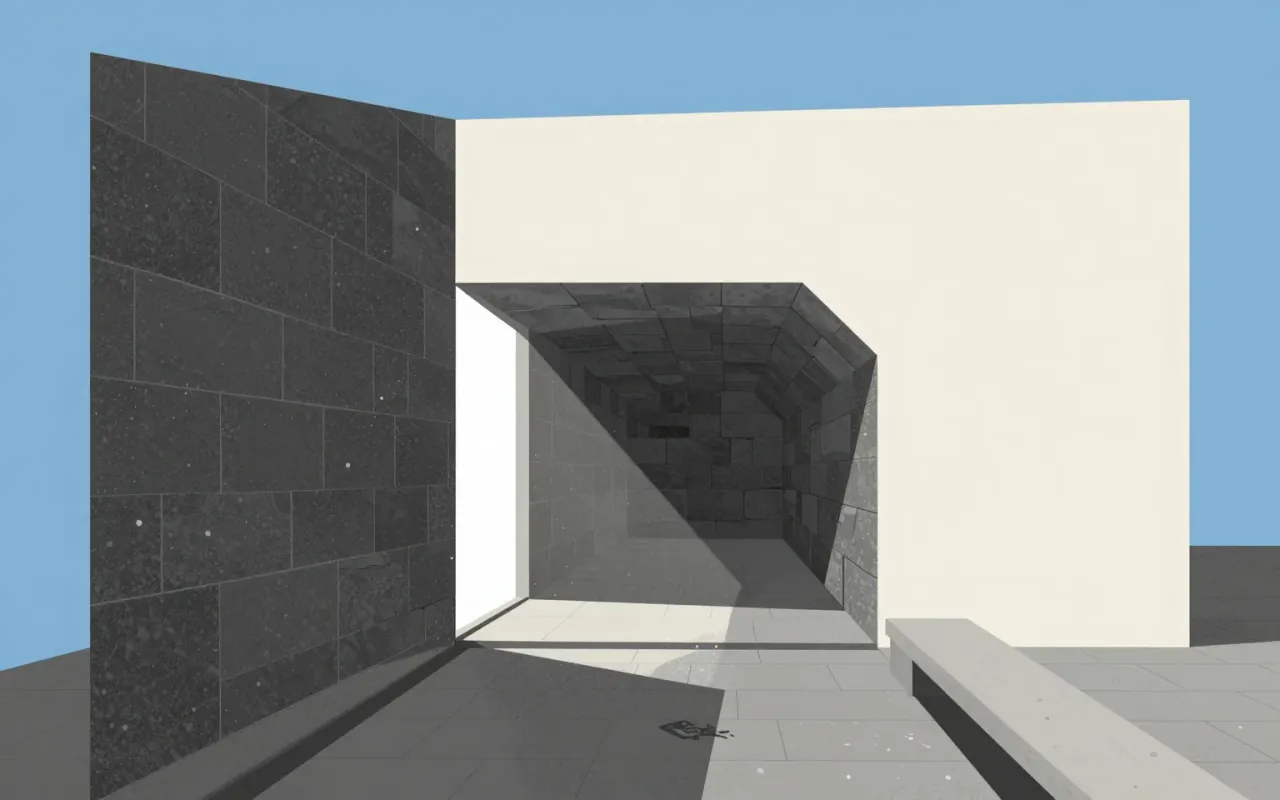
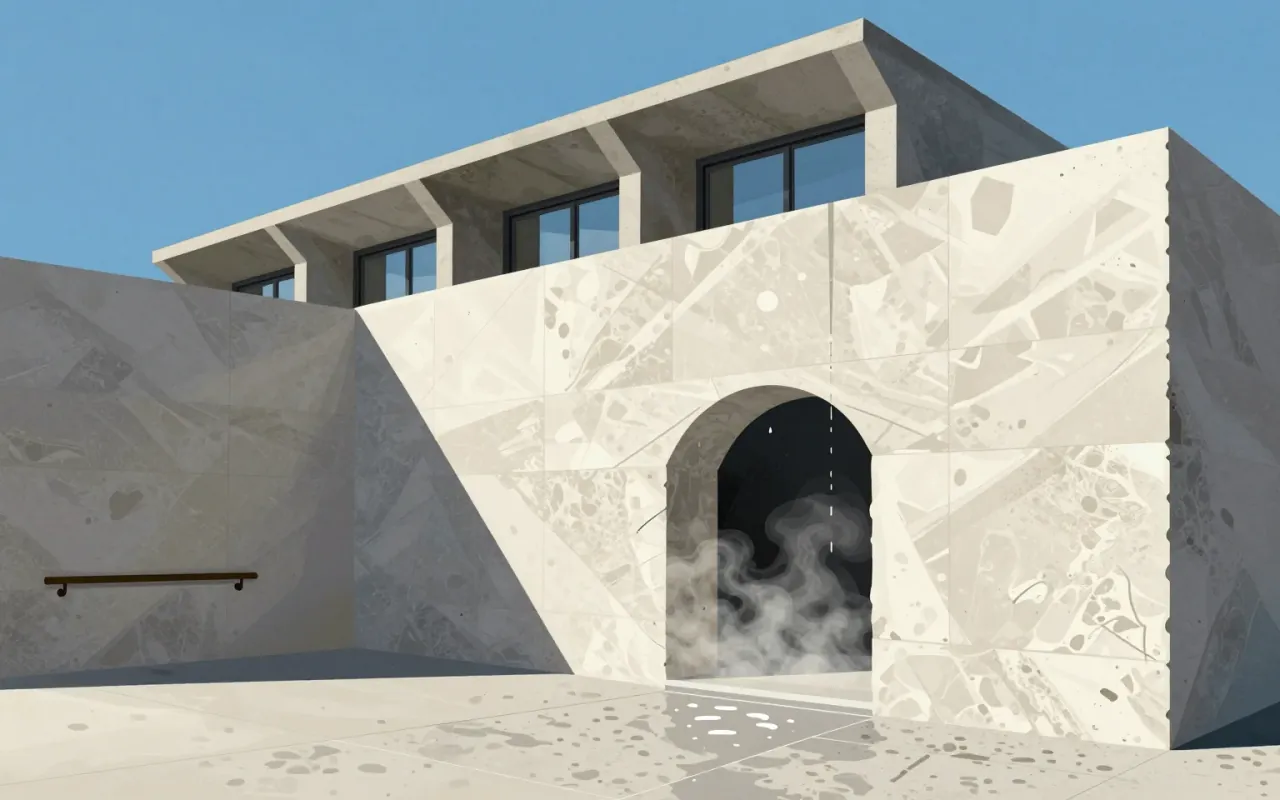
A body of architectural work defined by deliberate, site-responsive technical choices: exposing infrastructure, embedding climate control, reusing industrial structures, calibrating daylight, and combining materials for structural and environmental performance.
How it was made
Piano built with exposed structural frames and service conduits, lightweight steel-polyester composites, concealed climate systems, adaptive reuse of industrial shells, and hybrid timber-stainless-steel assemblies. His method answered constraints of site-specific climate, seismic risk, urban history, and functional demand — not stylistic preference.
What works
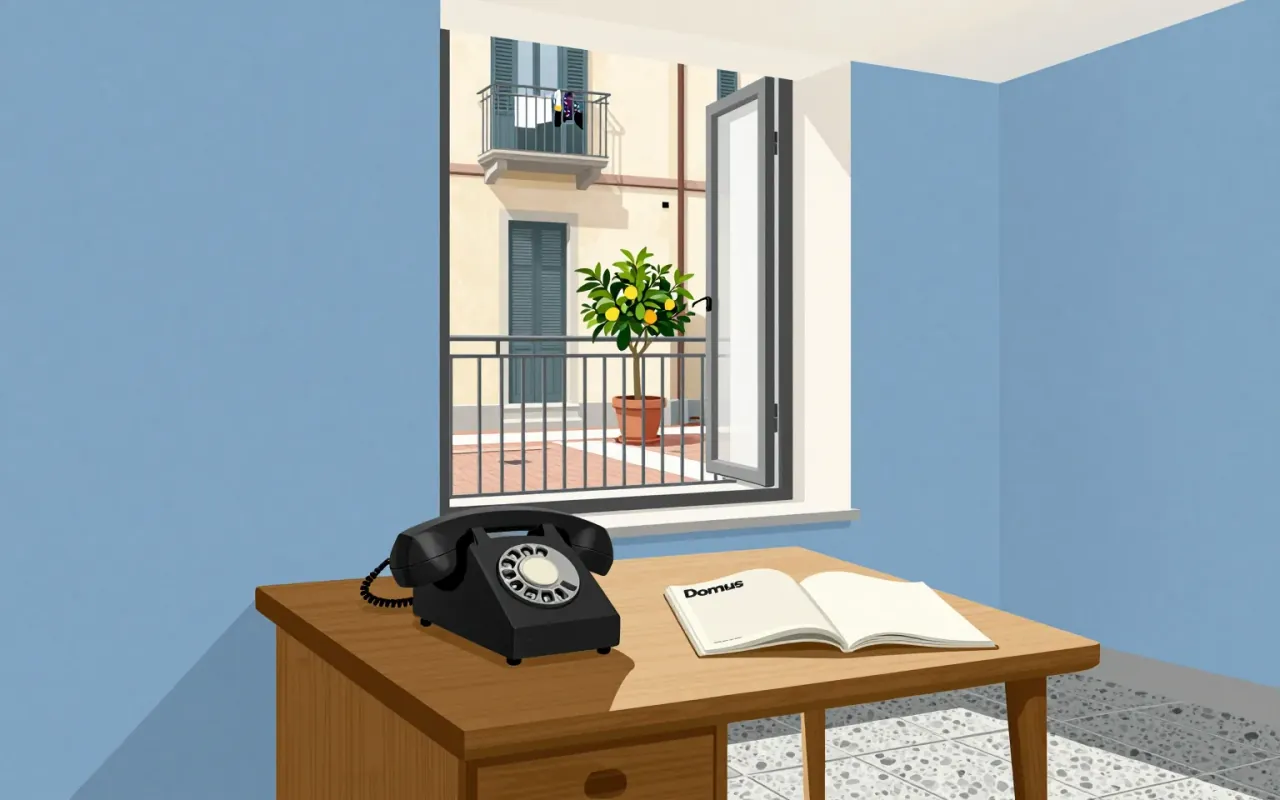
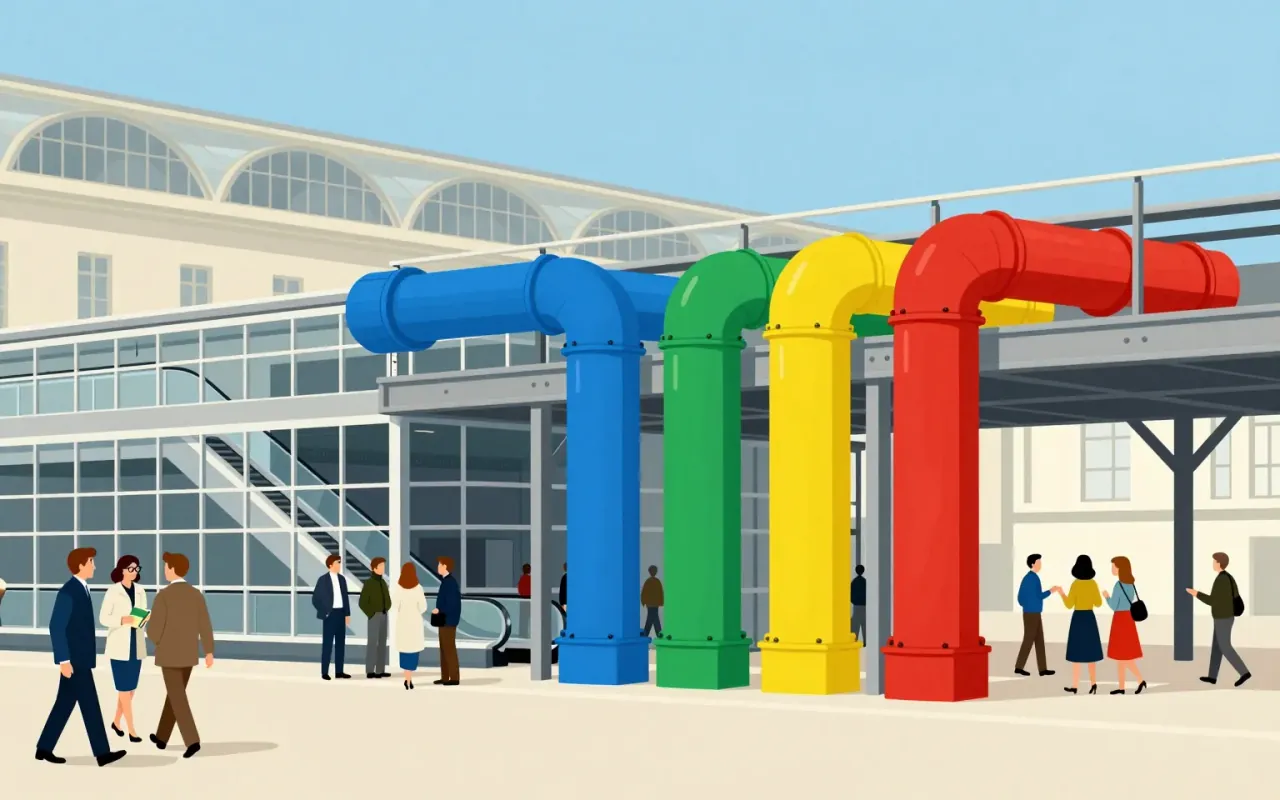
Placing structure and services outside the envelope (Pompidou), hiding high-tech systems behind minimal forms (Menil), and retaining historic fabric while inserting new functions (Lingotto) all achieved functional clarity without stylistic compromise.
What does not
The sources do not establish any single ‘signature style’. There is no consistent formal language across the Osaka Pavilion, Pompidou, Menil, Lingotto, or Bercy 2. What unites them is method, not motif.
What it influenced
The sources do not state what Piano influenced. Influence is not verified here — only his own methods and results are documented.
Is it worth your time
Yes. Piano’s work demonstrates how technical decisions — where to place ducts, how to shield light, whether to preserve or replace — produce radically different architectural outcomes from the same core concerns: structure, material, and context.