teamLab Borderless — Designing an Unmapped Visit
Moving artworks make navigation and interpretation part of an evolving spatial encounter.
Design that only exists on a screen: interfaces, motion and interaction, and the machine underneath setting the terms.








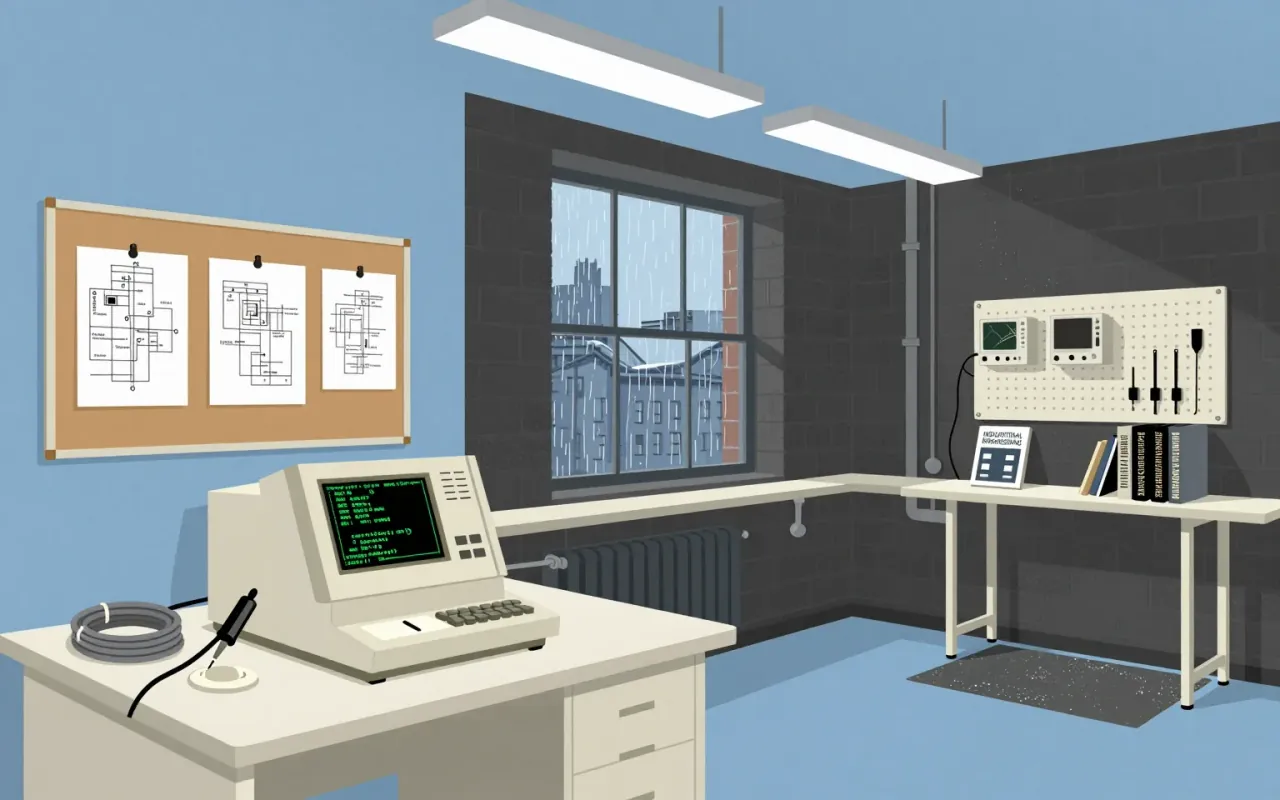


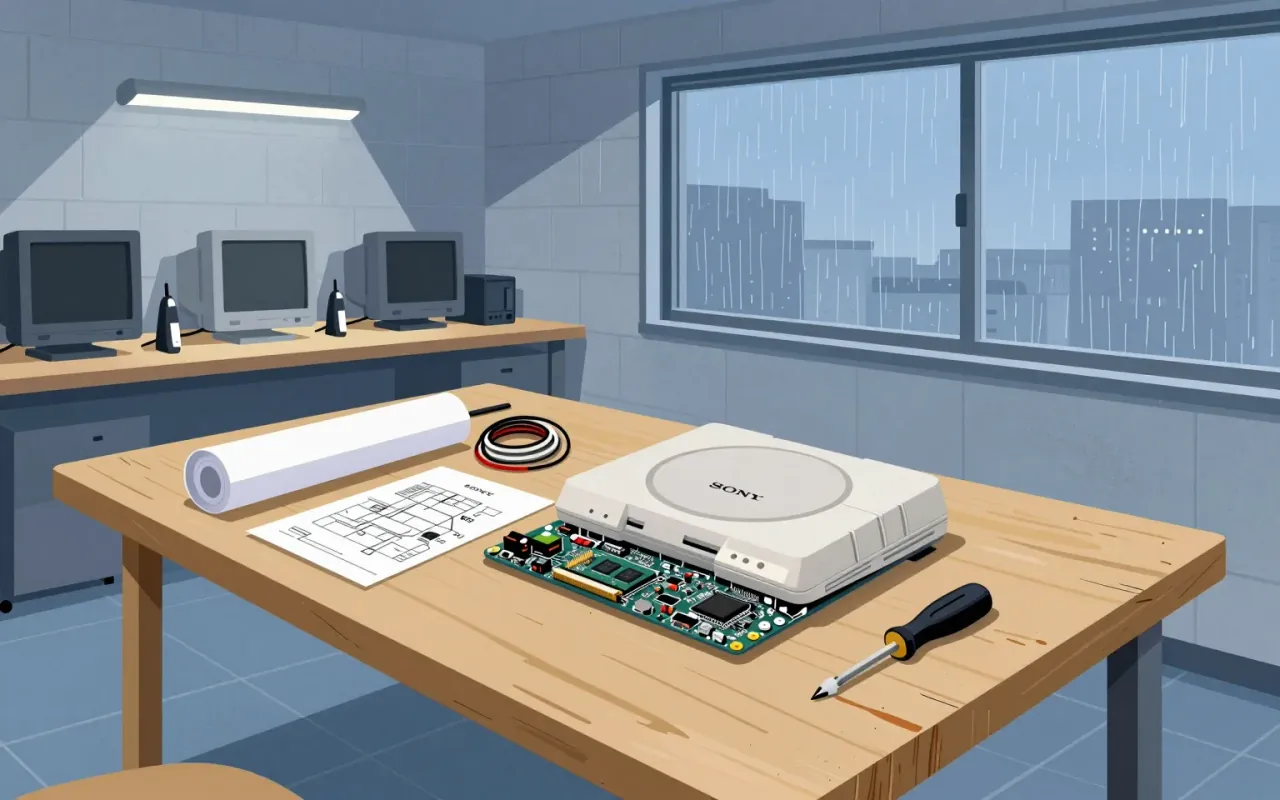
The PlayStation’s significance lies in its developer-centric architecture—not its industrial design. Teiyu Goto is not referenced in any verified source. The brief treats the console as a software platform first, a physical object second—and only what is documented is stated.



Trebuchet MS is a functional, context-bound typeface — defined by its distribution, its contrast with Verdana, and its role in Windows XP. Its influence lies in reach, not revision.


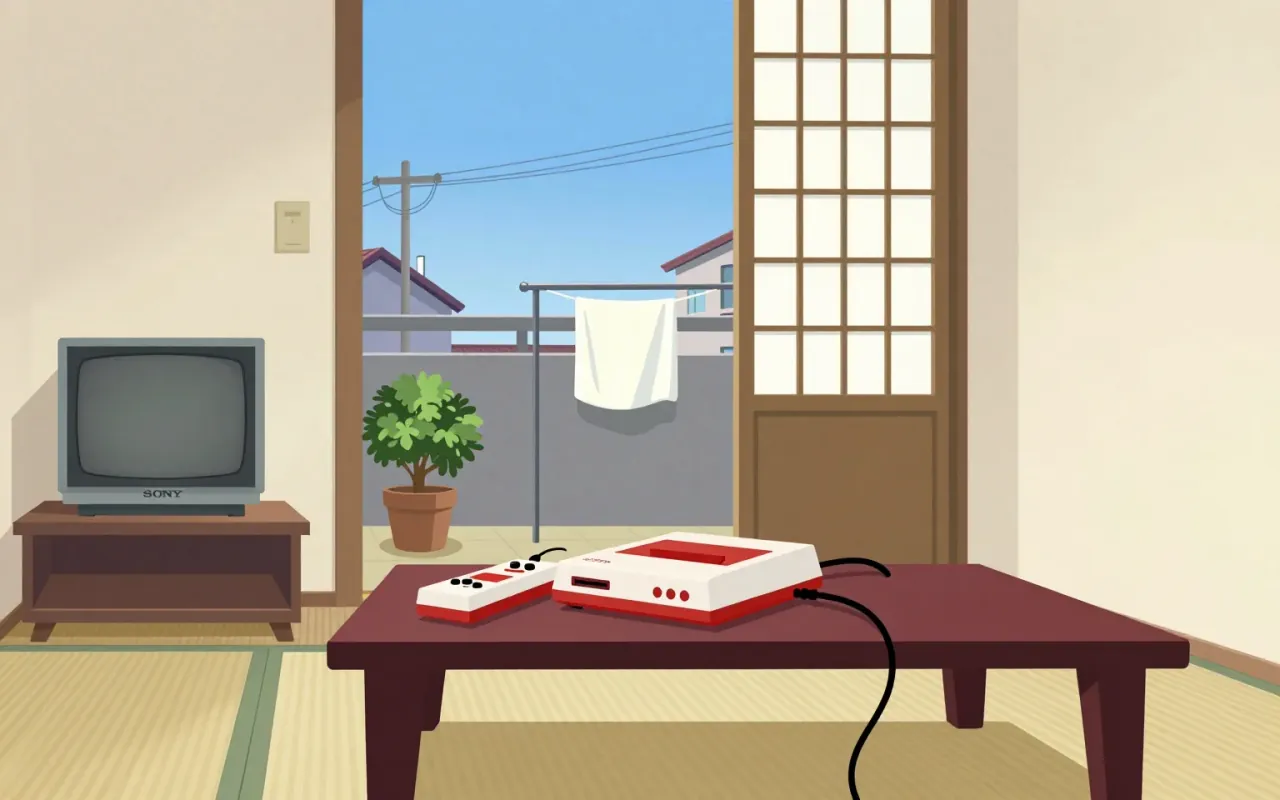
The Nintendo Entertainment System is an 8-bit home video game console. It began as the Family Computer (Famicom), released in Japan in July 1983. It was later redesigned and rebranded for Western markets as the NES.




Roboto is a functional, open, and pervasive sans-serif typeface family designed by Christian Robertson for Google in 2011. It succeeded by solving a narrow problem well — legibility on early Android screens — then scaled through permissive licensing and platform integration.

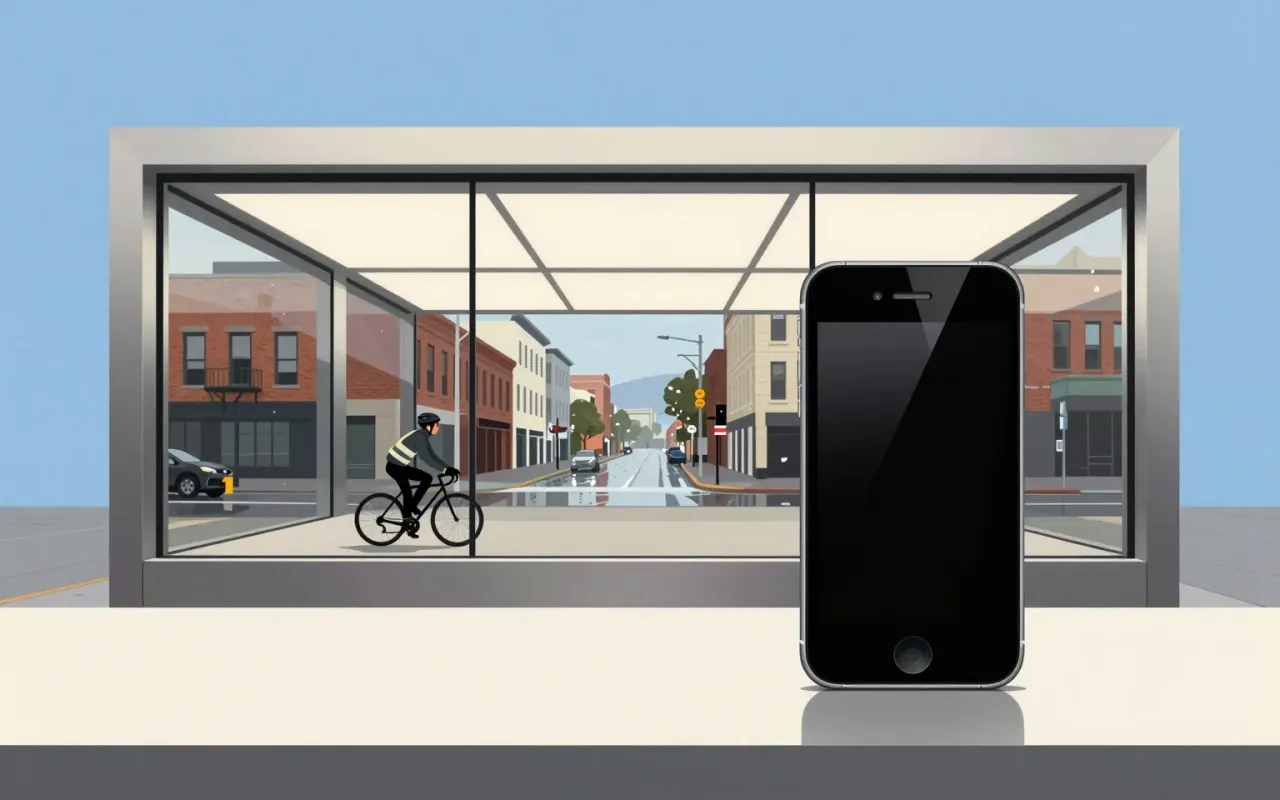
The iPhone is a pivotal industrial design and interface product defined by its introduction of multi-touch, its establishment of iOS as a global platform, and its role in standardising the slate form factor and launching the app economy. Jony Ive played a vital role in its design. No material, dimension, year of release, manufacturing method, or functional limitation is stated in the sources beyond those verified claims.
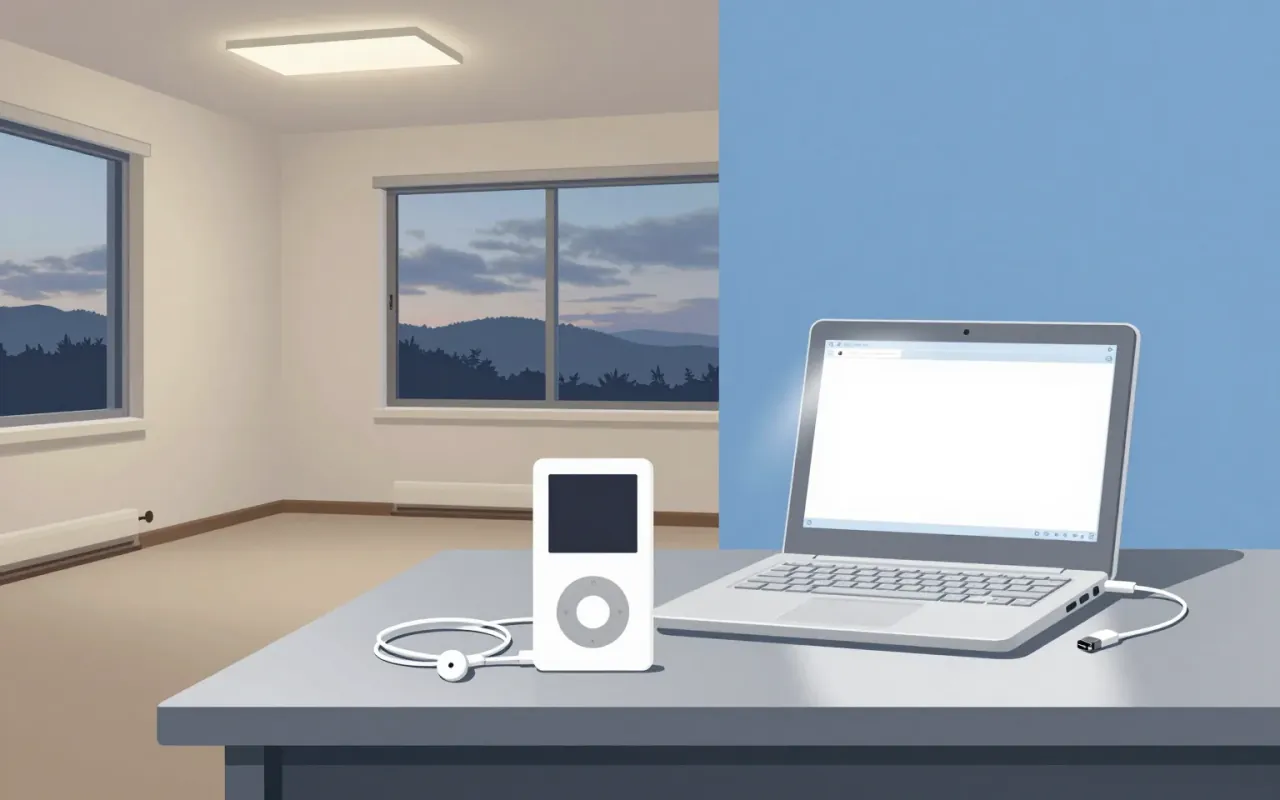
The iPod is a landmark industrial design object whose longevity and scale emerged from disciplined constraint-handling — not originality of form or interaction. Its lineage, licensing, and timing are better documented than its materials or mechanics. It belongs in industrial design history not as a breakthrough, but as a benchmark for execution under real-world limits.
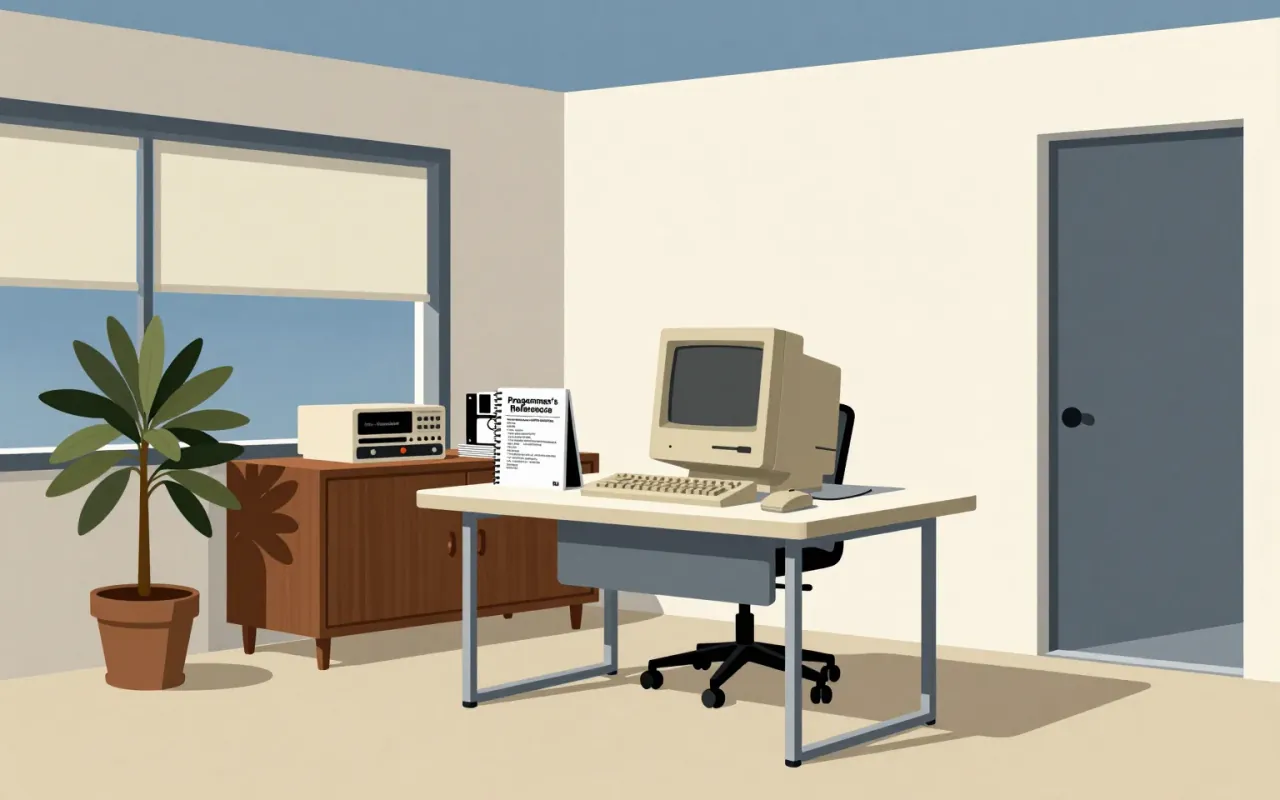
The Macintosh 128K is the original Macintosh personal computer from Apple. It is the first successful mass-market all-in-one desktop personal computer with a graphical user interface, built-in screen and mouse. It was pivotal in establishing desktop publishing as a general office function. Its hardware includes a 9-inch, 512×342 pixel monochrome CRT display, a Motorola 68000 microprocessor running at 7.8336 MHz, 128 KB RAM shared by the processor and display controller, and 64 KB ROM containing the boot procedure, OS routines, and the complete QuickDraw picture language and interpreter. The RAM consists of sixteen 64-kilobit modules soldered to the logic board. It ships with MacPaint and MacWrite to showcase its GUI and mouse-driven workflow.