What the work is
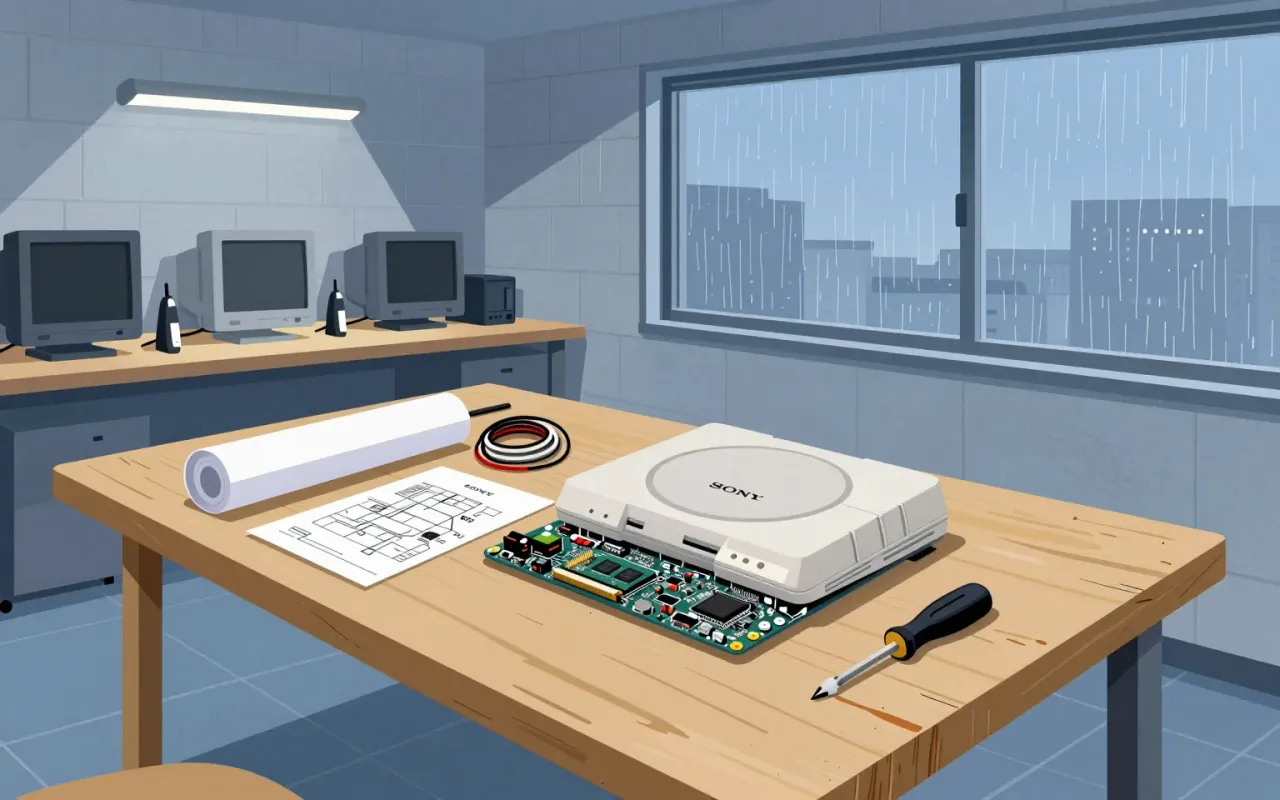
The PlayStation is a home video game console developed by Sony Computer Entertainment, defined by its technical architecture and developer-facing design philosophy—not its casing, branding, or industrial styling.
How it was made
The PlayStation was primarily designed by Ken Kutaragi and Sony Computer Entertainment in Japan, with additional development outsourced to the United Kingdom. Its architecture prioritised 3D polygon graphics, streamlined game production, and an open development model—unlike Sega and Nintendo’s more isolated approaches.
What works
Its balance of high performance, low cost, and ease of programming succeeded. Its open model attracted third-party developers. Its use of C and PC interconnectability directly benefited software development.
What does not
The sources do not establish any physical design decisions, industrial form, materials, dimensions, user interface, or visual identity. Teiyu Goto is not mentioned in any verified claim.
What it influenced
It influenced software development practices by enabling PC interconnectability and using C to safeguard future hardware compatibility—shifting industry norms toward openness and portability.
Is it worth your time
Yes. It redefined console development constraints by proving high performance, low cost, and ease of programming could coexist—without relying on proprietary toolchains or gatekeeping.