
Bret Victor
Bret Victor didn’t build the iPad—he built the argument against it.
The machine that ate every other machine.
Georgia is a 1993 serif typeface designed by Matthew Carter for Microsoft, manually hinted by Thomas Rickner, specifically optimised for legibility on low-resolution screens through features including a large x-height, thicker thin strokes, reduced contrast, thickened serifs, and an unusually bold weight — all shaped by the binary bitmap constraints of mid-1990s screen rendering. Its design draws on 19th-century Scotch Roman models and shares lineage with Carter’s concurrent print typeface Miller.

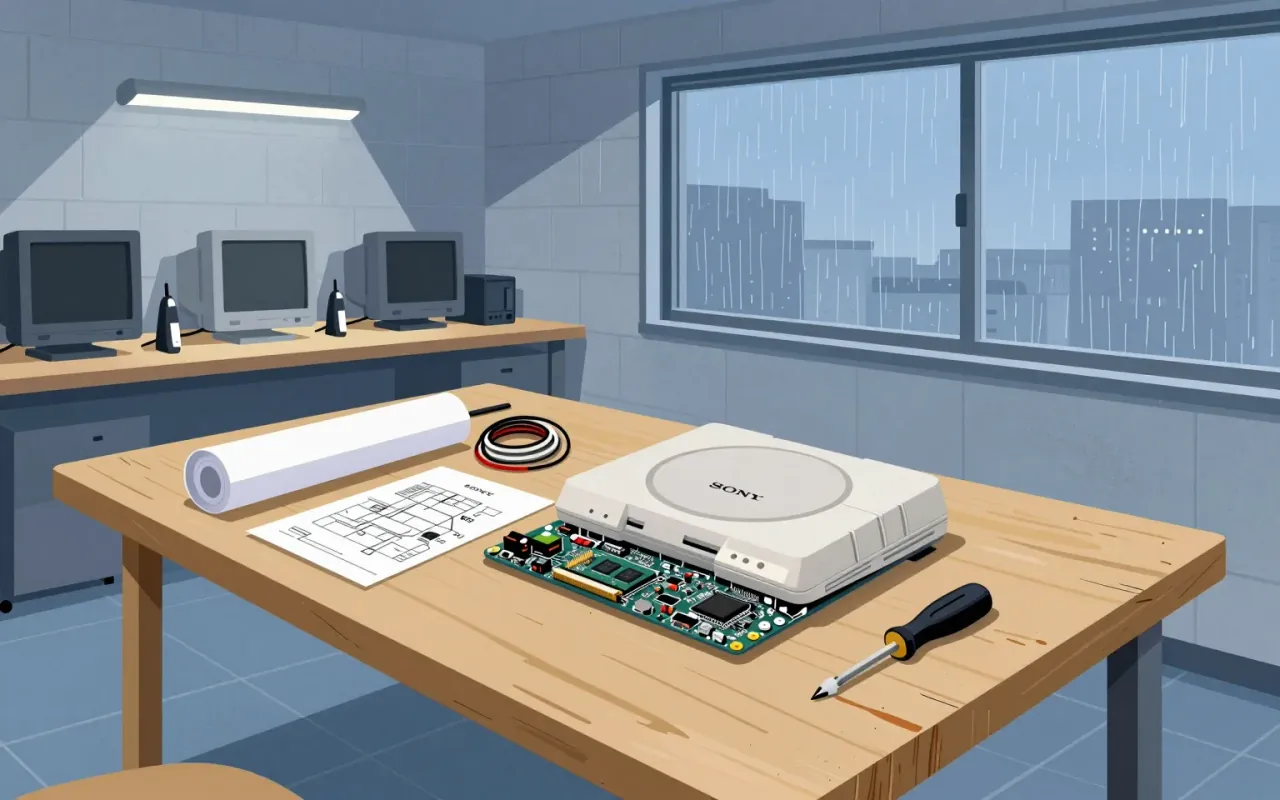
The PlayStation’s significance lies in its developer-centric architecture—not its industrial design. Teiyu Goto is not referenced in any verified source. The brief treats the console as a software platform first, a physical object second—and only what is documented is stated.
Tahoma is a humanist sans-serif typeface designed by Matthew Carter for Microsoft as the Windows interface typeface. It shipped with Office 97 and served as the default screen font in multiple Windows versions. Carter first designed it as a bitmap font, then wrapped TrueType outlines around those bitmaps. Its bold weight is based on double-pixel width. Ascender Corporation added italic and small caps versions in 2010. Tahoma has a narrower body, smaller counters, tighter letter spacing, and a more complete Unicode set than Verdana. The uppercase I is distinguishable from lowercase l — critical for technical clarity. Carter acknowledged similarities between Tahoma and his earlier Bell Centennial typeface. It was created to address specific technical challenges posed by early computers.


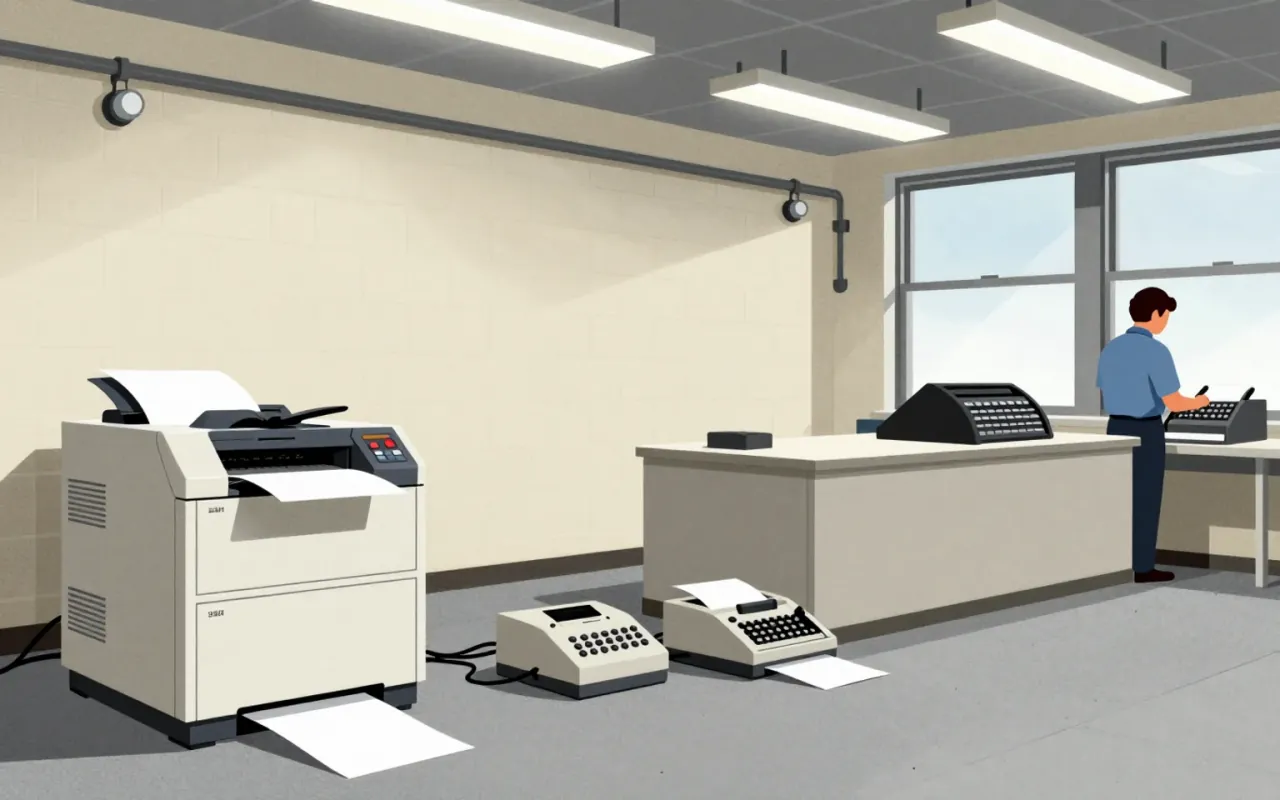
Arial is a neo-grotesque sans-serif typeface designed in 1982 by Robin Nicholas and Patricia Saunders at Monotype Typography as a metrically compatible alternative to Helvetica for the IBM 3800–3 laser printer.





The iMac G3 is not a nostalgic icon — it is a tightly constrained industrial design response to market irrelevance, manufacturing pressure, and strategic reset. Its decisions were specific, costly, and reversible. Its influence is factual, not mythical.
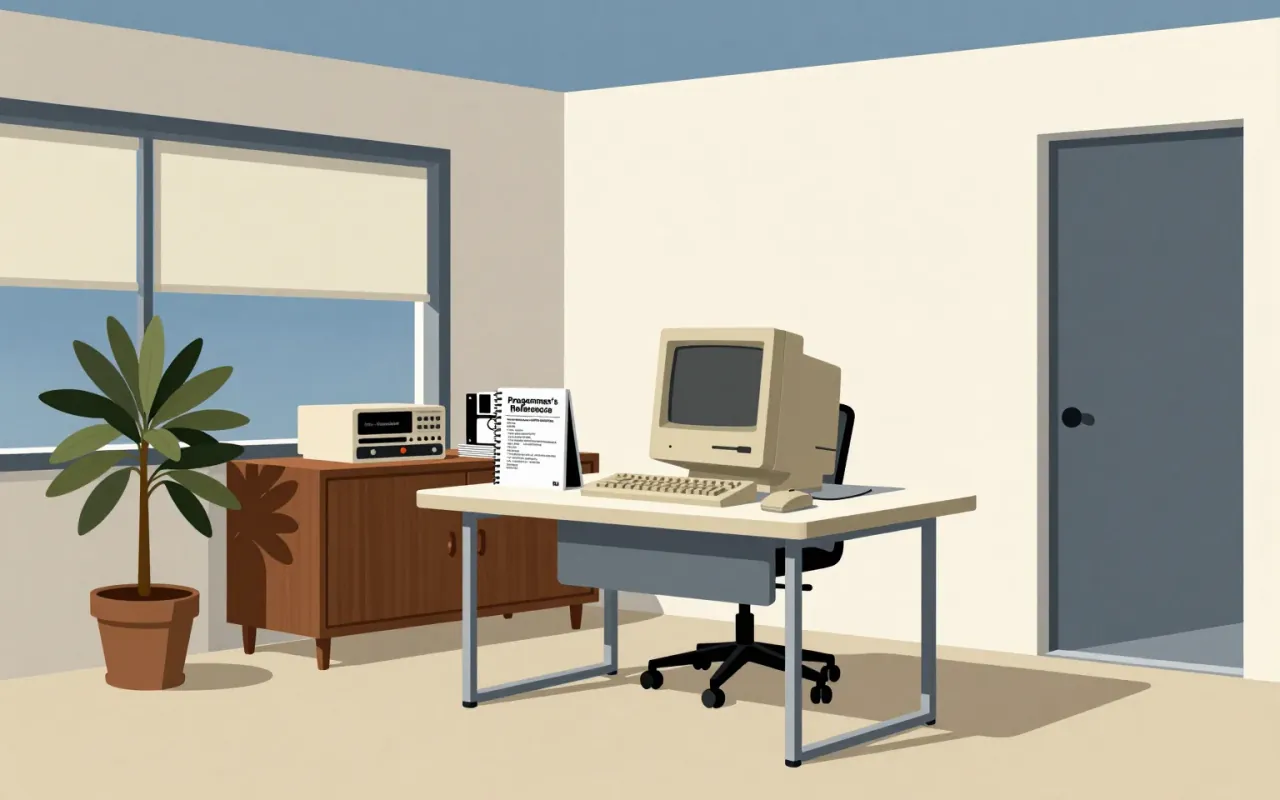
The Macintosh 128K is the original Macintosh personal computer from Apple. It is the first successful mass-market all-in-one desktop personal computer with a graphical user interface, built-in screen and mouse. It was pivotal in establishing desktop publishing as a general office function. Its hardware includes a 9-inch, 512×342 pixel monochrome CRT display, a Motorola 68000 microprocessor running at 7.8336 MHz, 128 KB RAM shared by the processor and display controller, and 64 KB ROM containing the boot procedure, OS routines, and the complete QuickDraw picture language and interpreter. The RAM consists of sixteen 64-kilobit modules soldered to the logic board. It ships with MacPaint and MacWrite to showcase its GUI and mouse-driven workflow.