What the work is
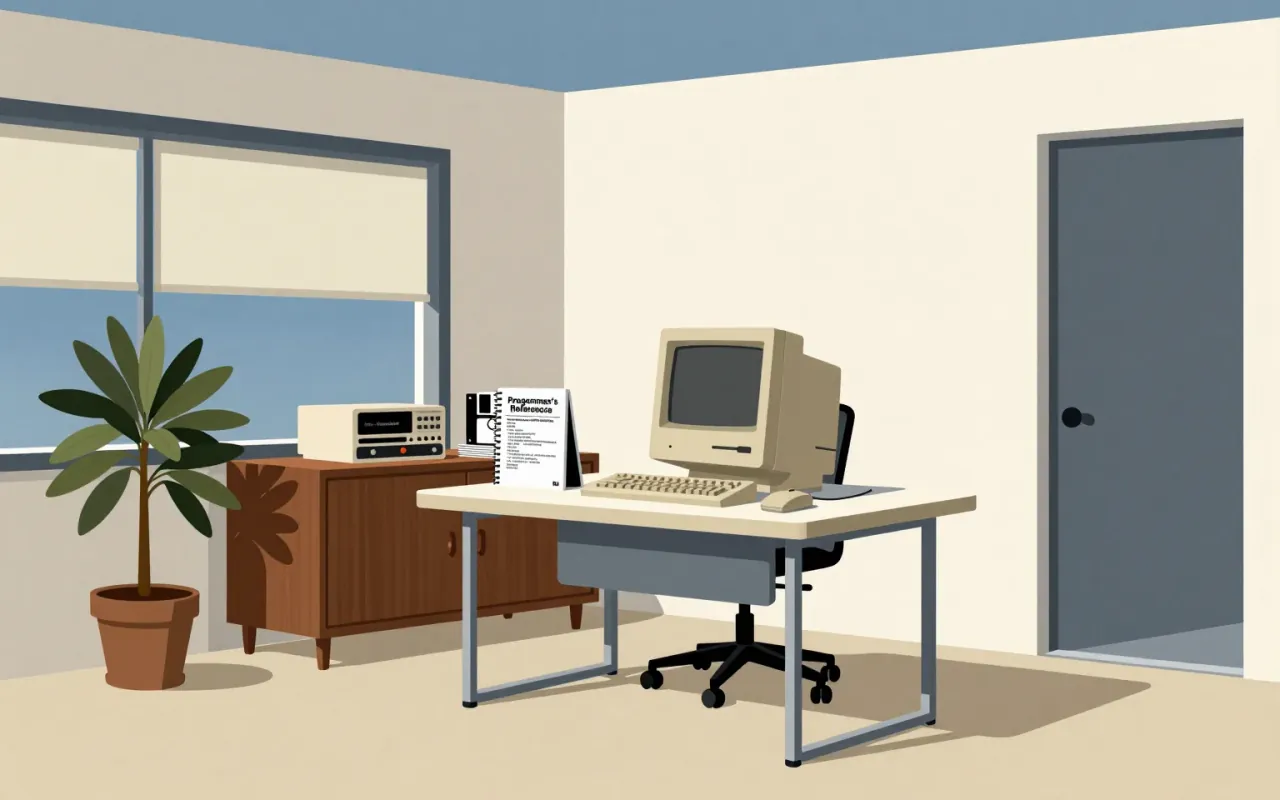
The iMac G3 is an all-in-one consumer desktop computer integrating a CRT display, G3 processor, and connectivity in a single teardrop-shaped, translucent plastic enclosure designed by Jony Ive in 1998.
How it was made
Apple’s industrial design team, led by Jony Ive, built the iMac G3 under tight deadlines using 3D CAD in Alias Wavefront, CNC milling, and primitive 3D printing — replacing 2D blueprints and accelerating prototyping. They wrote custom software to import models into Unigraphics for co-validation of internal components and casing. Designers engaged earlier in production to resolve manufacturing feasibility with translucent plastic containing light-scattering particles.
What works
The teardrop-shaped, translucent plastic case delivered a radical visual departure from prior Apple computers. The all-in-one integration clarified function through form. The switch to USB — though premature — established a clean break from proprietary legacy and set a hardware standard for the industry.
What does not
The iMac G3 omitted serial ports, Apple Desktop Bus, and floppy disk drives without viable third-party USB peripherals. Its ‘legacy-free’ mandate forced users into an unfinished standard, limiting immediate utility despite technical rationale.
What it influenced
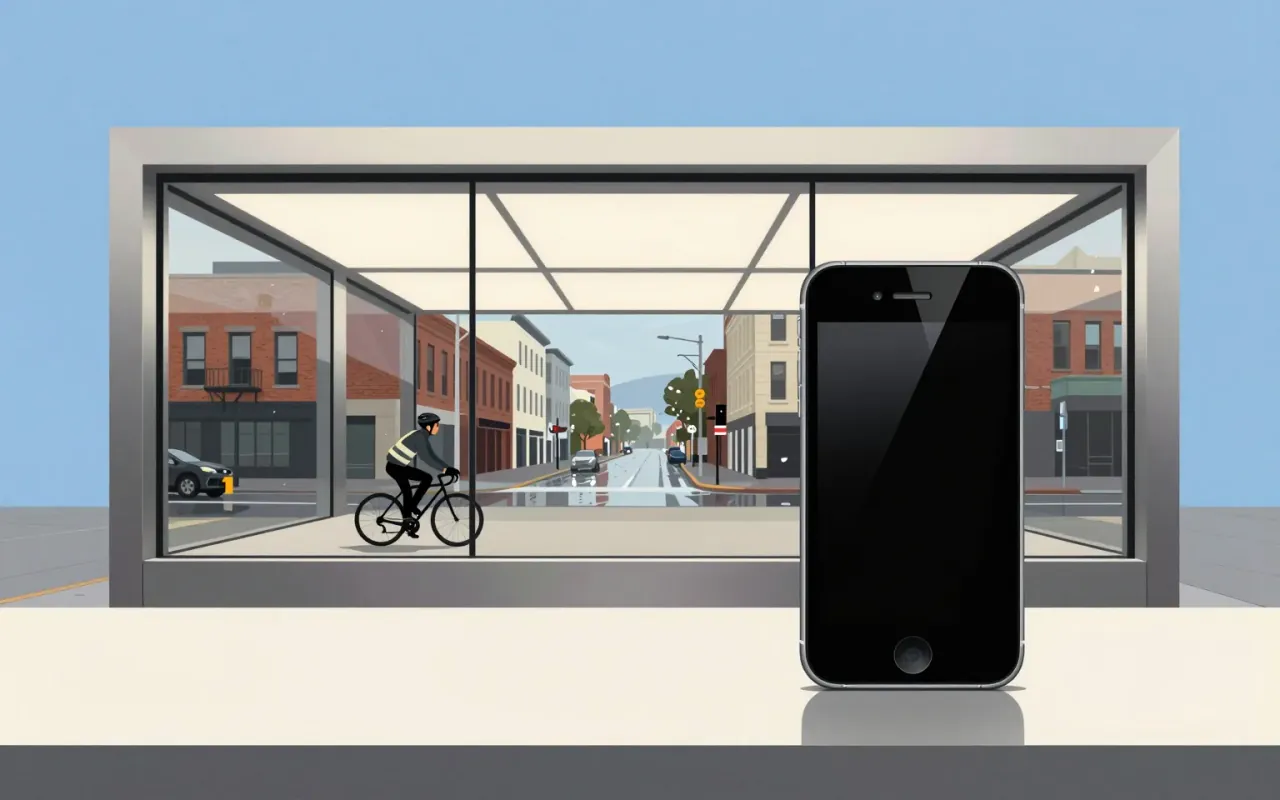
The iMac helped pave the way for later Apple designs including the iPod, iPhone, and iPad — establishing translucency, all-in-one integration, and radical visual departure as recurring design levers.
Is it worth your time
Yes. It is a decisive case study in how constraint-driven industrial design — legacy removal, material innovation, and process overhaul — reshaped consumer electronics. Its decisions remain legible and debatable today.