Nintendo Entertainment System
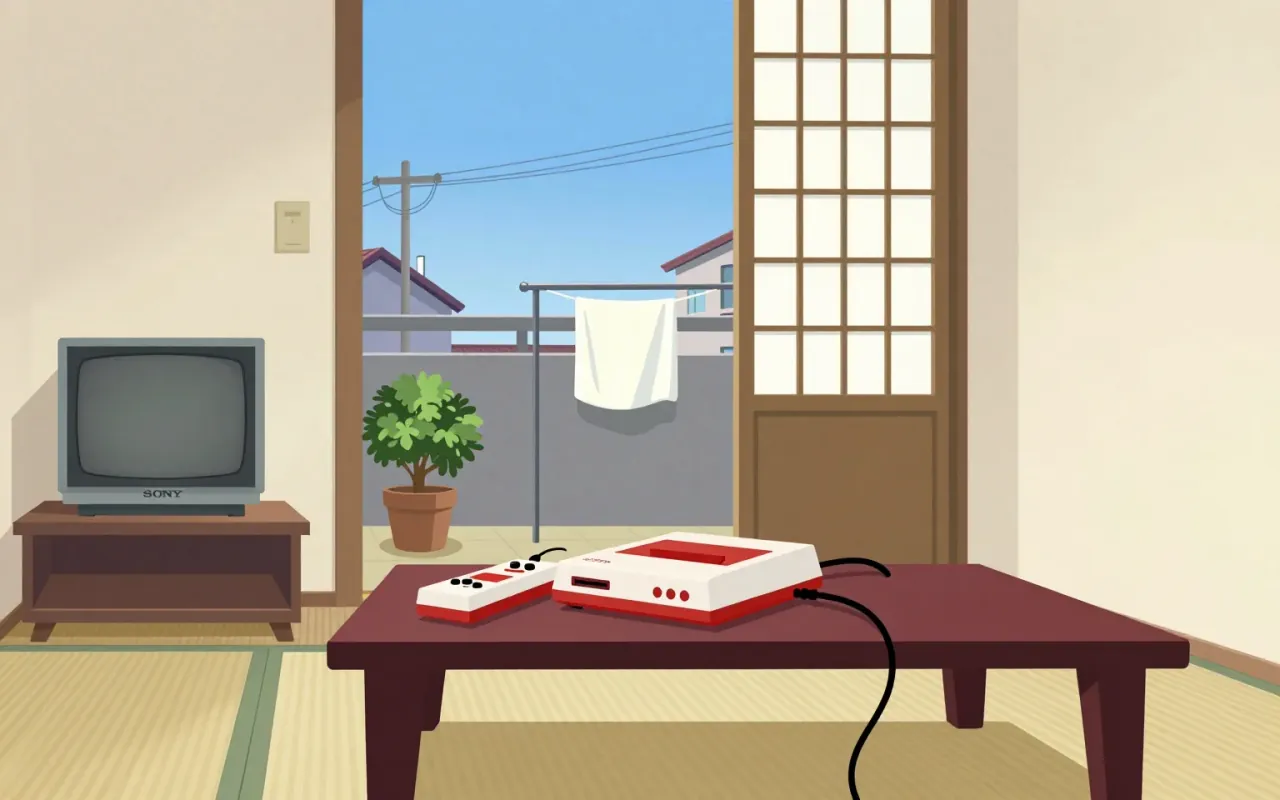
The Nintendo Entertainment System is an 8-bit home video game console. It began as the Family Computer (Famicom), released in Japan in July 1983. It was later redesigned and rebranded for Western markets as the NES.
The physical constraint the software keeps forgetting about.

The Nintendo Entertainment System is an 8-bit home video game console. It began as the Family Computer (Famicom), released in Japan in July 1983. It was later redesigned and rebranded for Western markets as the NES.


The iMac G3 is not a nostalgic icon — it is a tightly constrained industrial design response to market irrelevance, manufacturing pressure, and strategic reset. Its decisions were specific, costly, and reversible. Its influence is factual, not mythical.

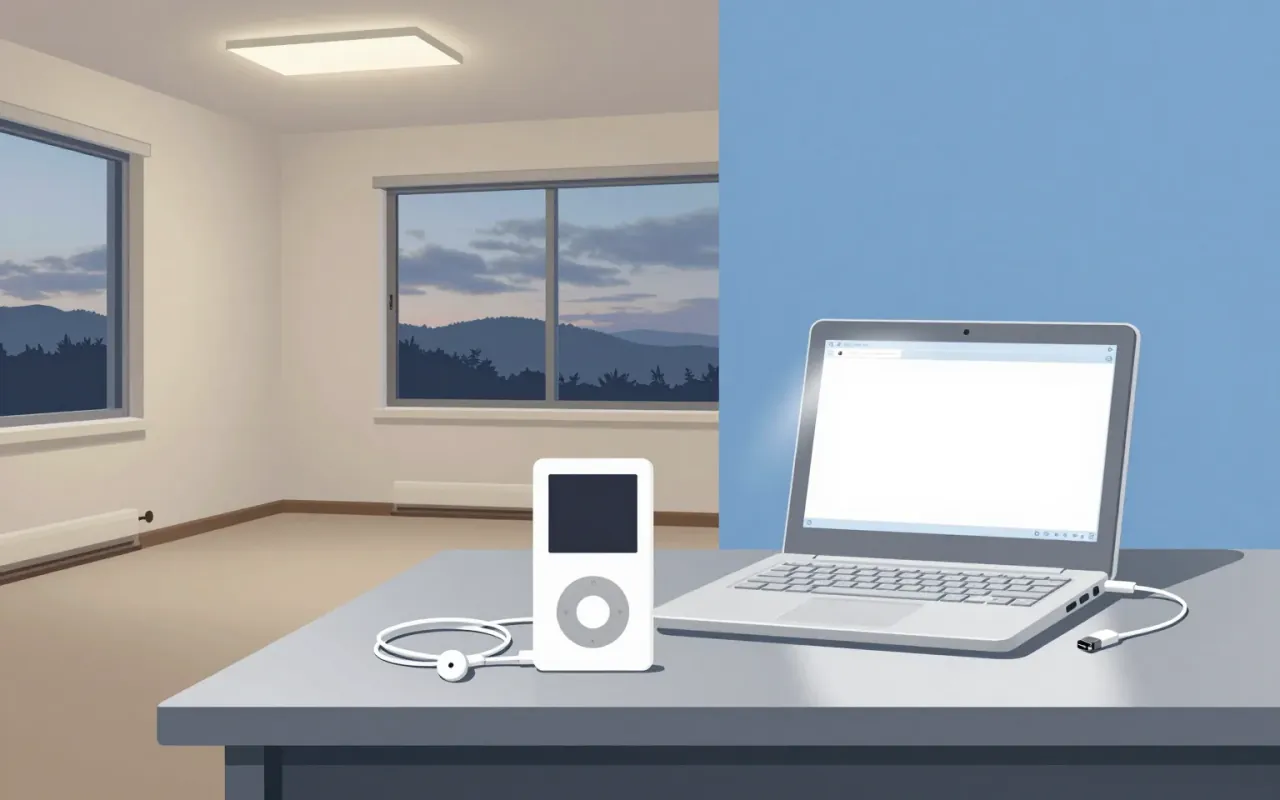
The iPod is a landmark industrial design object whose longevity and scale emerged from disciplined constraint-handling — not originality of form or interaction. Its lineage, licensing, and timing are better documented than its materials or mechanics. It belongs in industrial design history not as a breakthrough, but as a benchmark for execution under real-world limits.

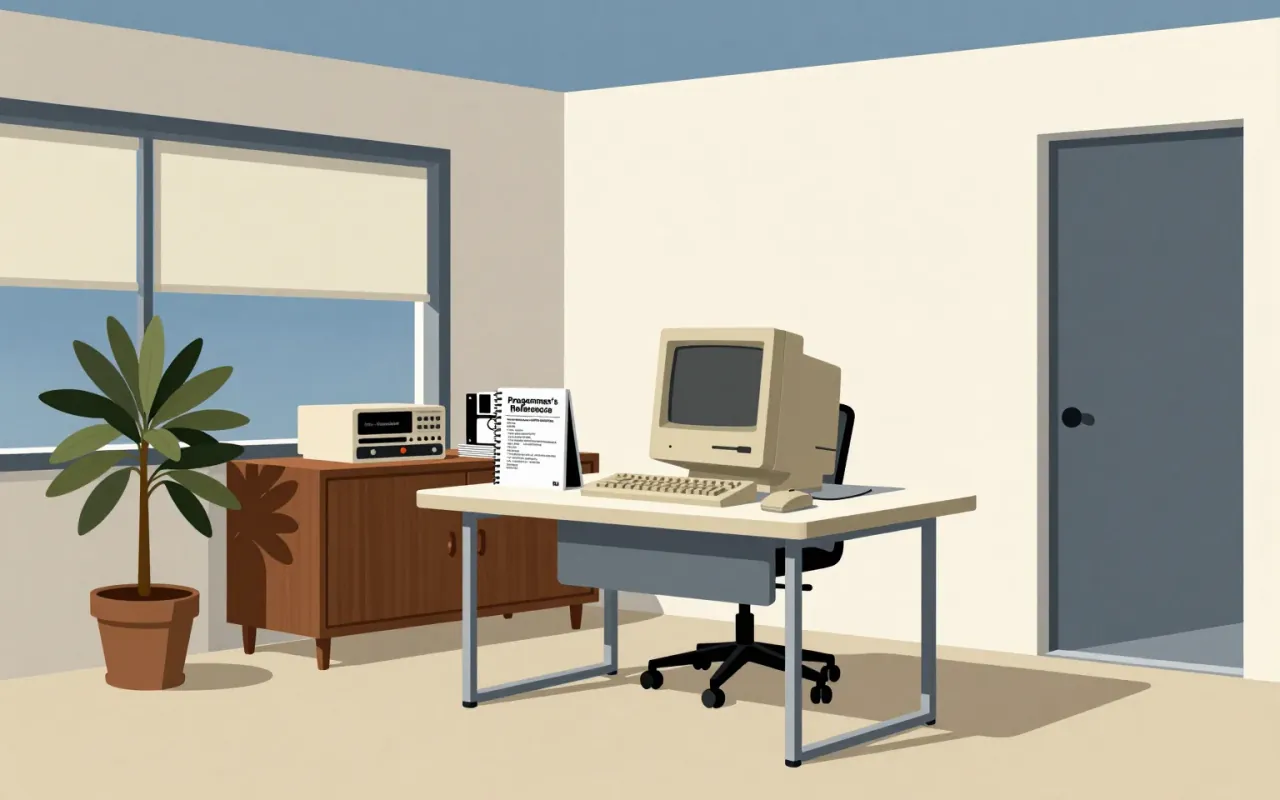
The Macintosh 128K is the original Macintosh personal computer from Apple. It is the first successful mass-market all-in-one desktop personal computer with a graphical user interface, built-in screen and mouse. It was pivotal in establishing desktop publishing as a general office function. Its hardware includes a 9-inch, 512×342 pixel monochrome CRT display, a Motorola 68000 microprocessor running at 7.8336 MHz, 128 KB RAM shared by the processor and display controller, and 64 KB ROM containing the boot procedure, OS routines, and the complete QuickDraw picture language and interpreter. The RAM consists of sixteen 64-kilobit modules soldered to the logic board. It ships with MacPaint and MacWrite to showcase its GUI and mouse-driven workflow.