What the work is
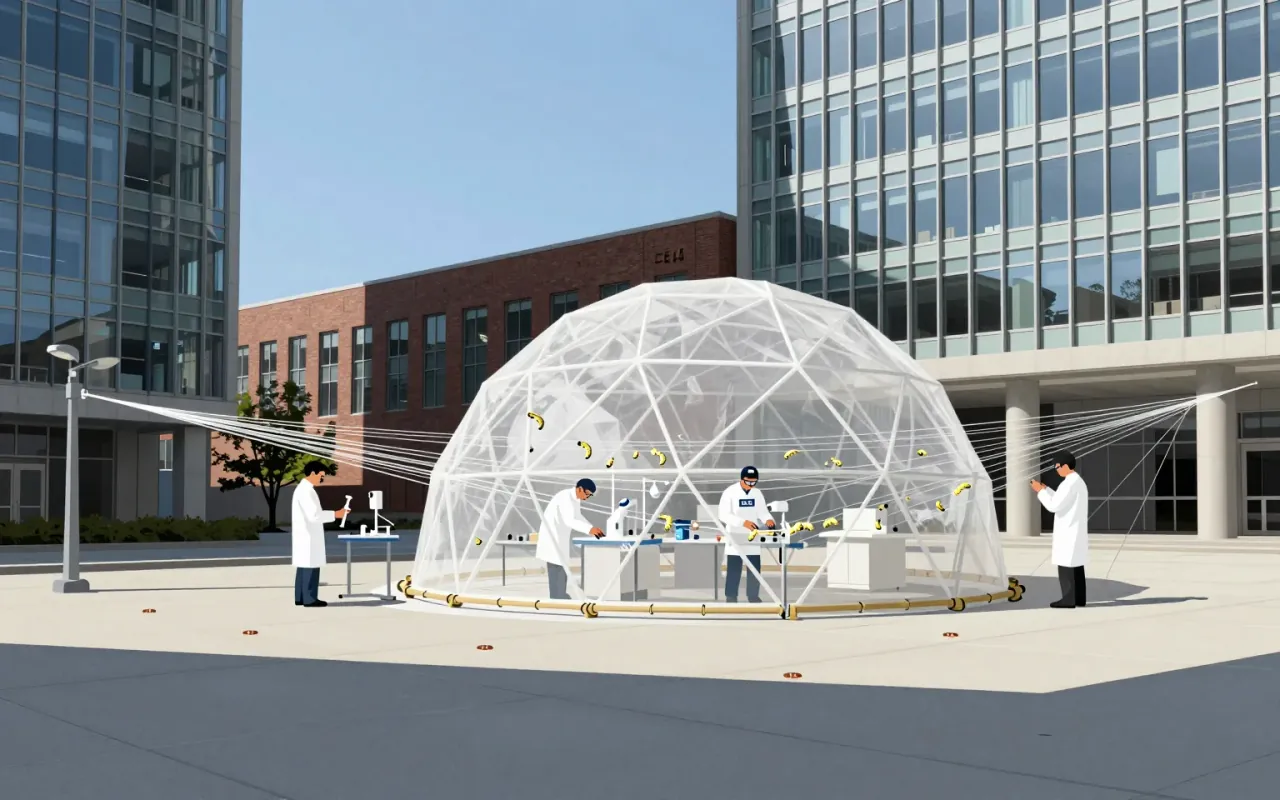
A body of experimental installations—Silk Pavilion, G3DP, YET, Aguahoja, DCP—developed between 2013 and 2020 by the Mediated Matter group under Neri Oxman’s leadership at the MIT Media Lab.
How it was made
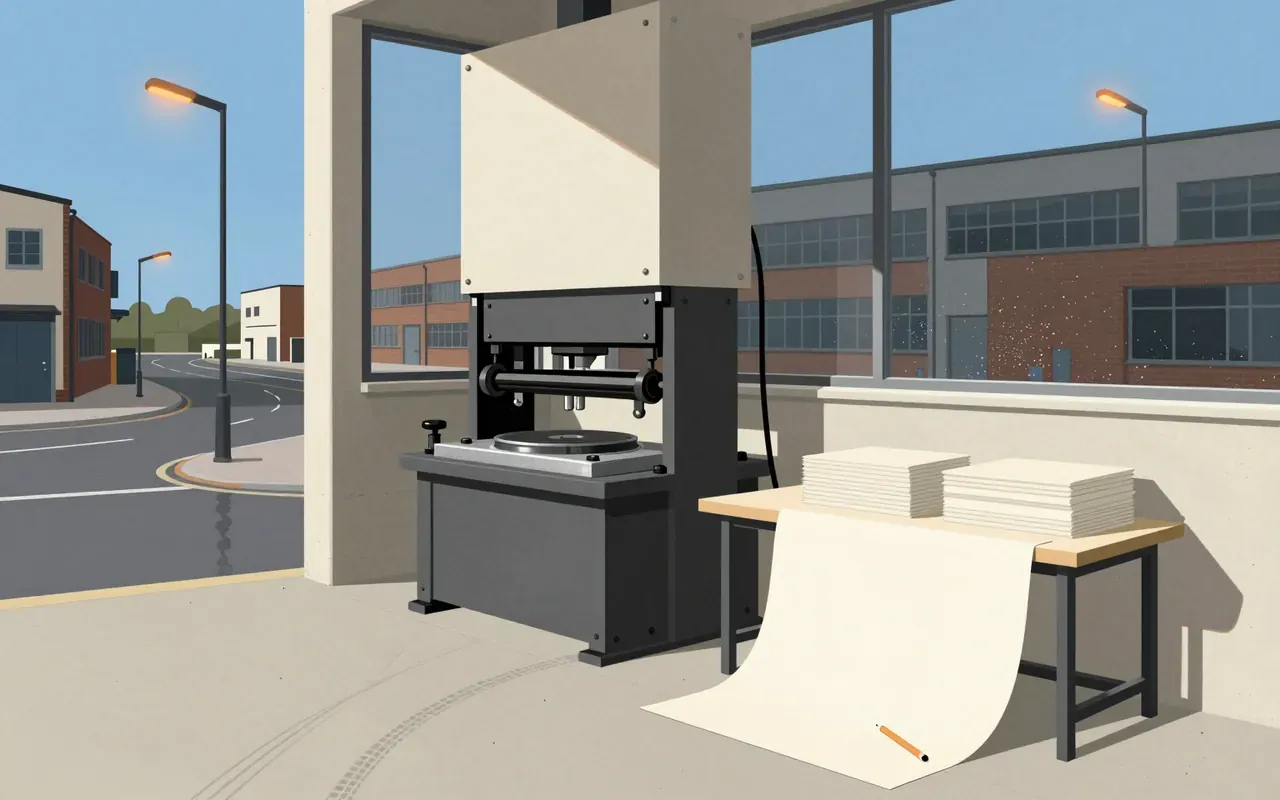
Oxman led the Mediated Matter group at the MIT Media Lab. Her team built custom fabrication platforms: a silkworm-woven dome, a transparent-glass 3D printer (G3DP), a chitosan-based water-fabrication system (Aguahoja), and a robotic polyurethane foam printer (DCP) adapted from an Altec aerial work platform.
What works
The Silk Pavilion proves silkworms can collaborate with digital scaffolding. G3DP proves optical transparency is achievable in 3D-printed glass. Aguahoja proves chitosan structures respond measurably to environmental variables. YET proves glass printing can support integrated light systems.
What does not
The work does not deliver repeatable industrial processes. It does not resolve material stability at scale. It does not produce functional objects for daily use. Aguahoja III exists only as a climate-controlled control sample—not as a deployed system.
What it influenced
It influenced academic discourse on ‘material ecology’ as a framework. It shifted attention toward biological co-fabrication in design pedagogy and research labs. It demonstrated that fabrication platforms can be experimental instruments first, production tools second.
Is it worth your time
Yes—if you need to understand how design research bridges computation, biology, and material science. No—if you expect finished products, commercial systems, or scalable manufacturing protocols.