What the work is
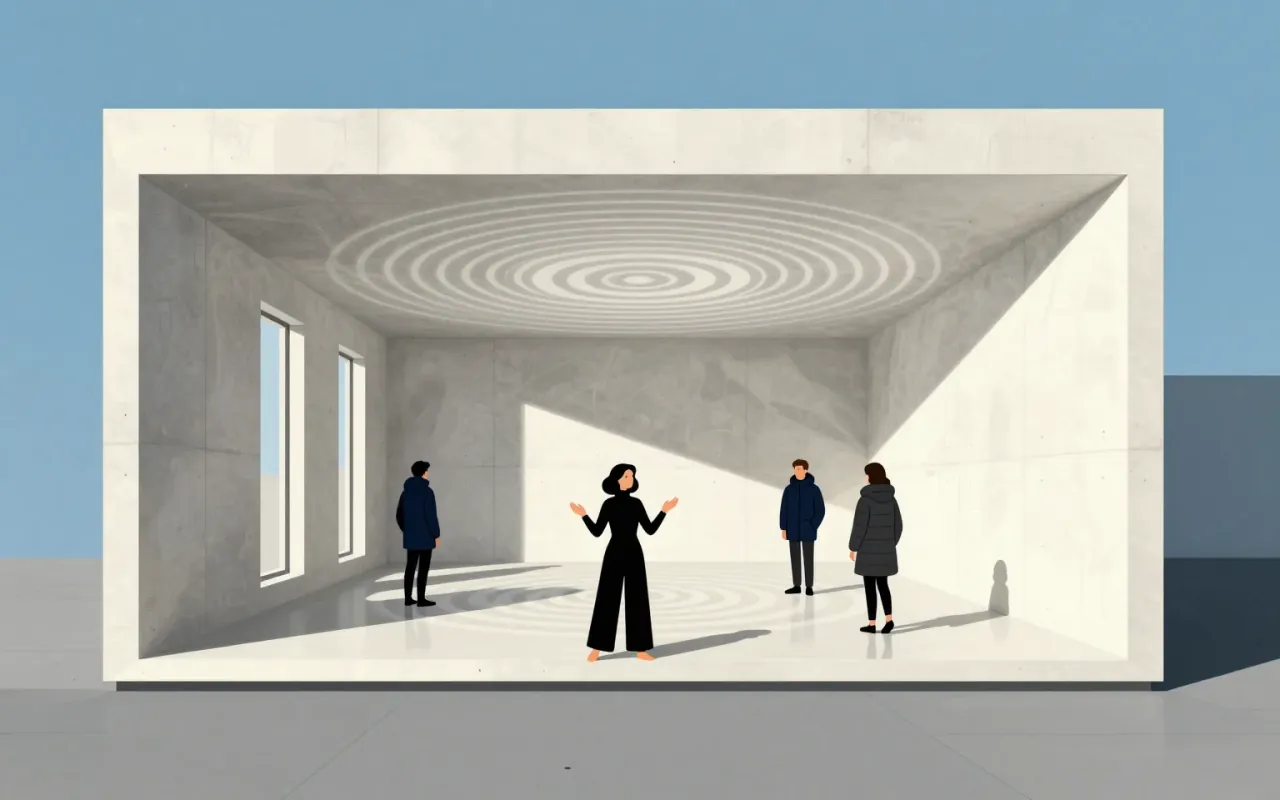
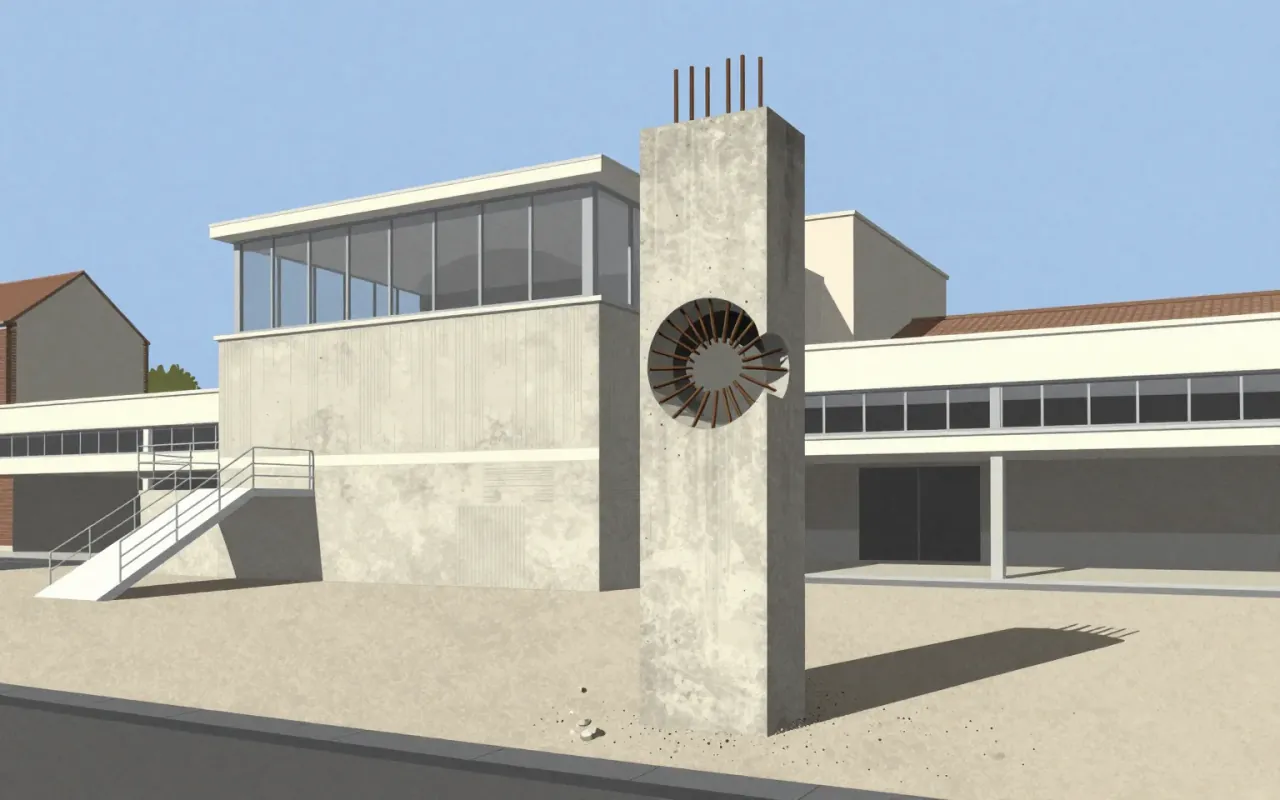
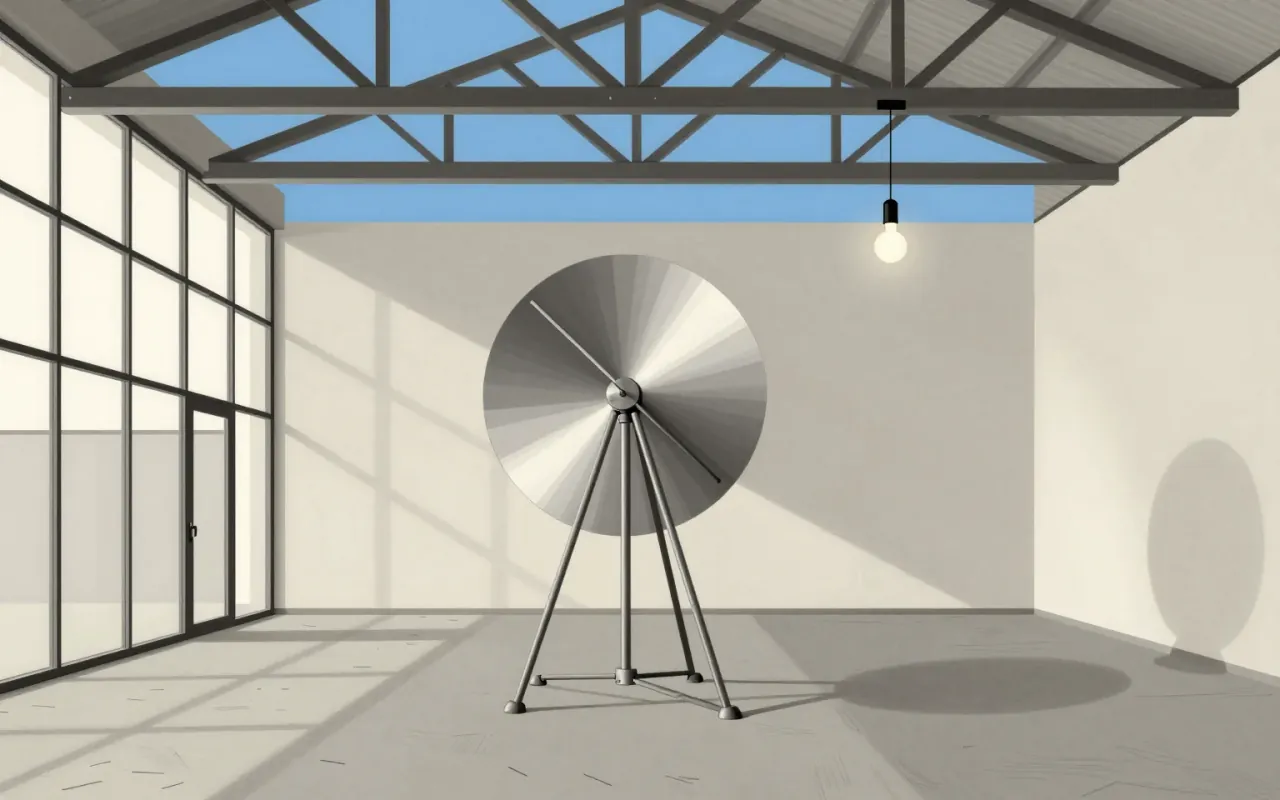
The Light Prop for an Electric Stage is a kinetic device built to project shifting light reflections and shadows. It is one verified outcome of Moholy-Nagy’s experimental, interdisciplinary practice.
How it was made
He constructed the Light Prop for an Electric Stage between 1928 and 1930 using moving parts designed to interact with projected light. He experimented with photograms alongside Lucia Moholy, laying objects on light-sensitive paper. He suggested using scientific instruments—including telescope, microscope, and radiography—in art-making.
What works
The Light Prop demonstrates how mechanical motion can generate dynamic optical effects without film or electronics. His coining of ‘Neues Sehen’ names a functional shift: the camera as tool for perceptual retraining, not just representation.
What does not
The material does not establish that the Light Prop was mass-produced, commercially sold, or used in theatrical performance beyond its intended function as a stage device. It does not claim the work resolved engineering constraints like durability, scalability, or user interface.
What it influenced
The term ‘Neues Sehen’ influenced photographic theory and Bauhaus pedagogy. His advocacy for technology and industry in the arts shaped curriculum at the Bauhaus and later at the New Bauhaus in Chicago.
Is it worth your time
Yes—if you need to understand how interwar design fused mechanics, optics, and pedagogy into a coherent method. It is not a prototype for modern lighting design, nor a precedent for digital interactivity.