What the work is
A body of work defined by studio-led, interdisciplinary design practice at Herman Miller between 1947 and 1972 — including conceptual frameworks like the storage wall and the execution of Propst’s Action Office I system.
How it was made
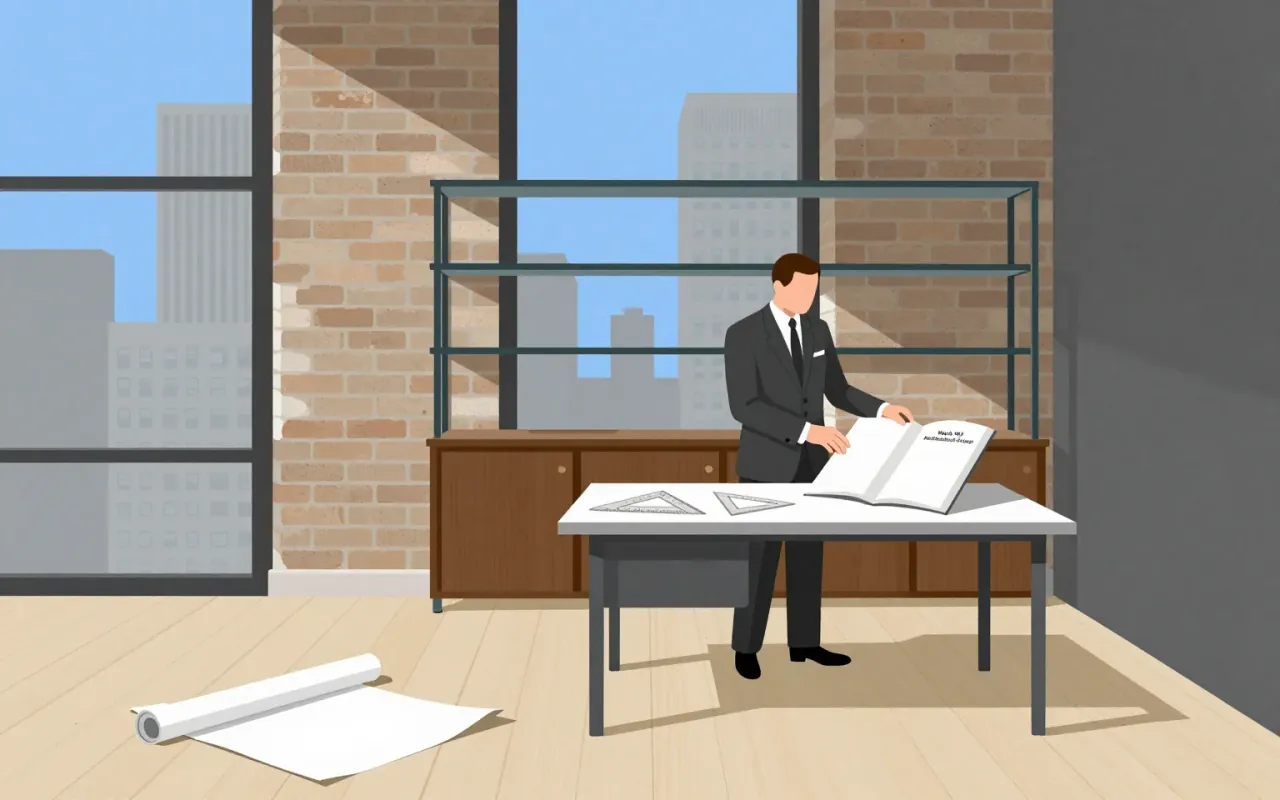
Nelson led Herman Miller’s design direction from 1947 to 1972 while running his New York studio, which operated as an interdisciplinary unit integrating architecture, furniture, graphics, and corporate identity. He published the storage wall concept in Architectural Forum and Life in 1945, and his studio executed Robert Propst’s Action Office I system for Herman Miller’s 1964 catalog.
What works
Nelson’s framing of design as world-improving labour, and his metadesigner label, hold because the material explicitly ties him to process over product, interdisciplinary integration, and systemic thinking — not just furniture.
What does not
The material does not establish Nelson as the designer of specific furniture pieces, nor does it confirm he designed Action Office I. It attributes that system to Robert Propst and credits Nelson’s studio only with execution. It does not name any product, material, dimension, or manufacturing detail.
What it influenced
The storage wall idea helped shape built-in domestic shelving as a spatial strategy. The Action Office I execution contributed to the evolution of modular office systems — though the material does not claim Nelson’s influence on later open-plan or Activity-Based Working trends.
Is it worth your time
Yes — if you need to understand how modernist furniture systems emerged from process-led studio practice, not singular authorship. No — if you expect a catalogue of discrete objects or definitive attributions to Nelson himself.