What the work is
A body of built architecture spanning China, Thailand, Singapore, Germany, and the US—including broadcast infrastructure, cultural institutions, residential towers, retail flagships, and adaptive reuse—executed first under OMA and later under his own firm.
How it was made
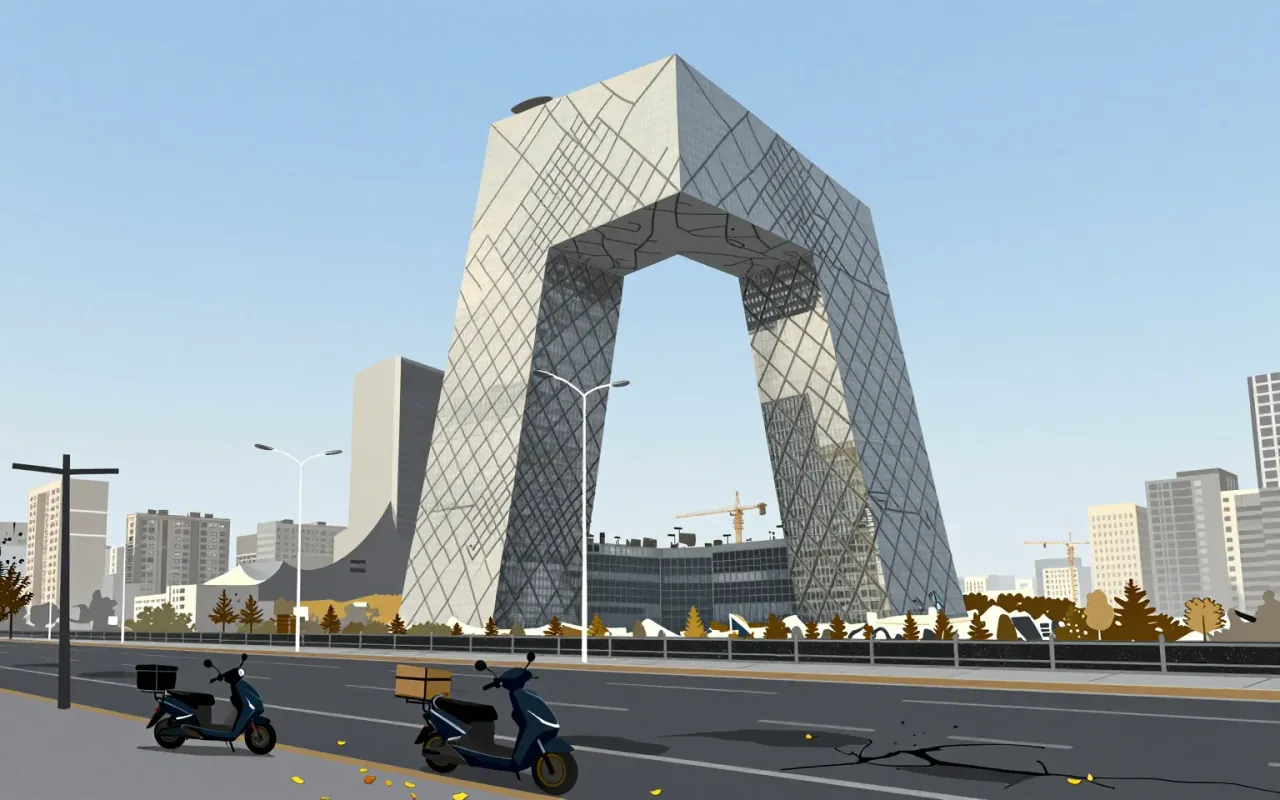
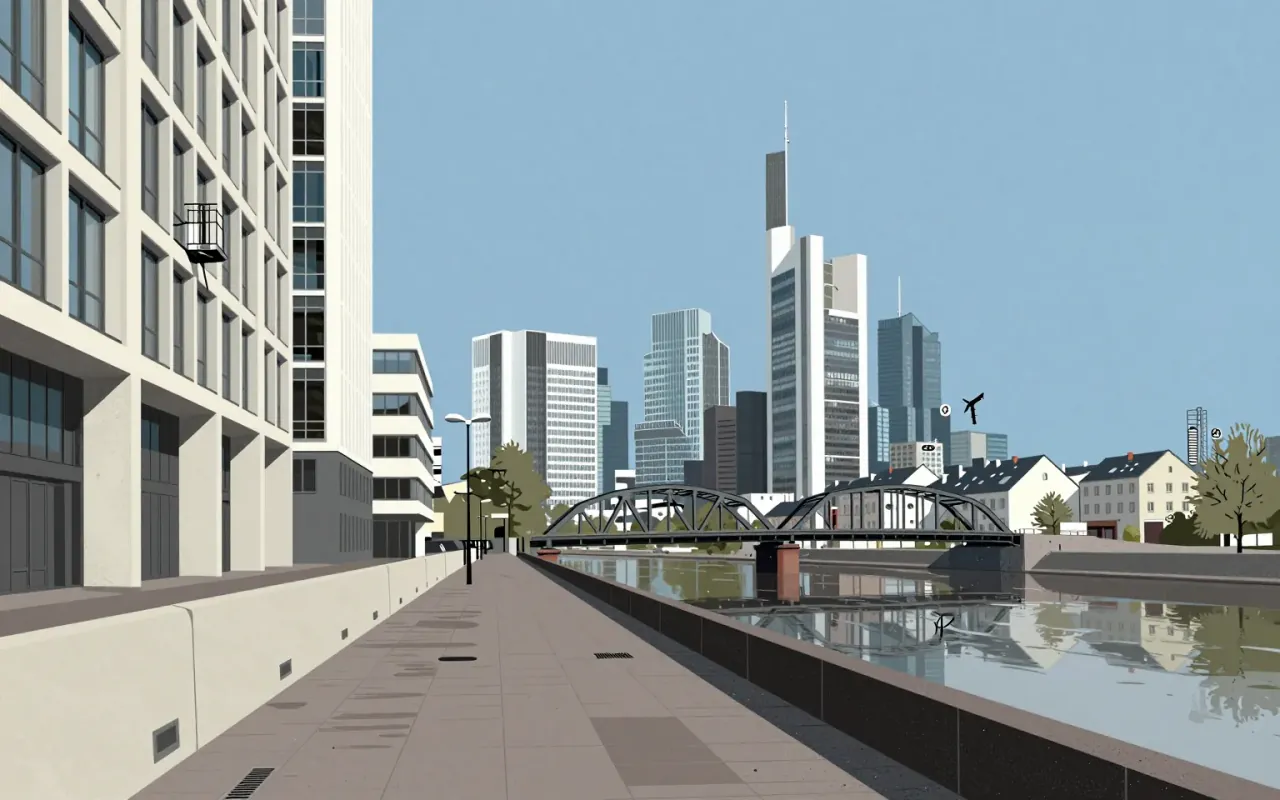
He led OMA’s largest project to date—the CCTV and TVCC buildings in Beijing—as Partner-in-charge. He directed OMA’s Prada work, delivering the New York (2001) and Los Angeles (2004) Epicenters. After leaving OMA, he founded Büro Ole Scheeren Group and completed Guardian Art Center, DUO, and MahaNakhon. He also delivered the adaptive reuse of Riverpark Tower in Frankfurt.
What works
The work establishes a consistent formal language across scales: looping structures (CCTV), pixelated facades (MahaNakhon), stacked massing (The Interlace), and layered programmatic stacking (DUO). It demonstrates capacity to deliver complex, high-profile projects across regulatory and cultural contexts.
What does not
The material does not establish influence beyond built projects. It does not attribute conceptual frameworks, pedagogical impact, writing, or critical reception. No claims are made about sustainability, cost, construction innovation, or user experience.
What it influenced
The material does not state what it influenced. No secondary works, policies, design trends, or institutional shifts are cited.
Is it worth your time
Yes—if you are assessing how formal ambition translates across typologies and jurisdictions, or how a single architect’s output maps onto Asia’s urban intensification between 2001 and 2017.