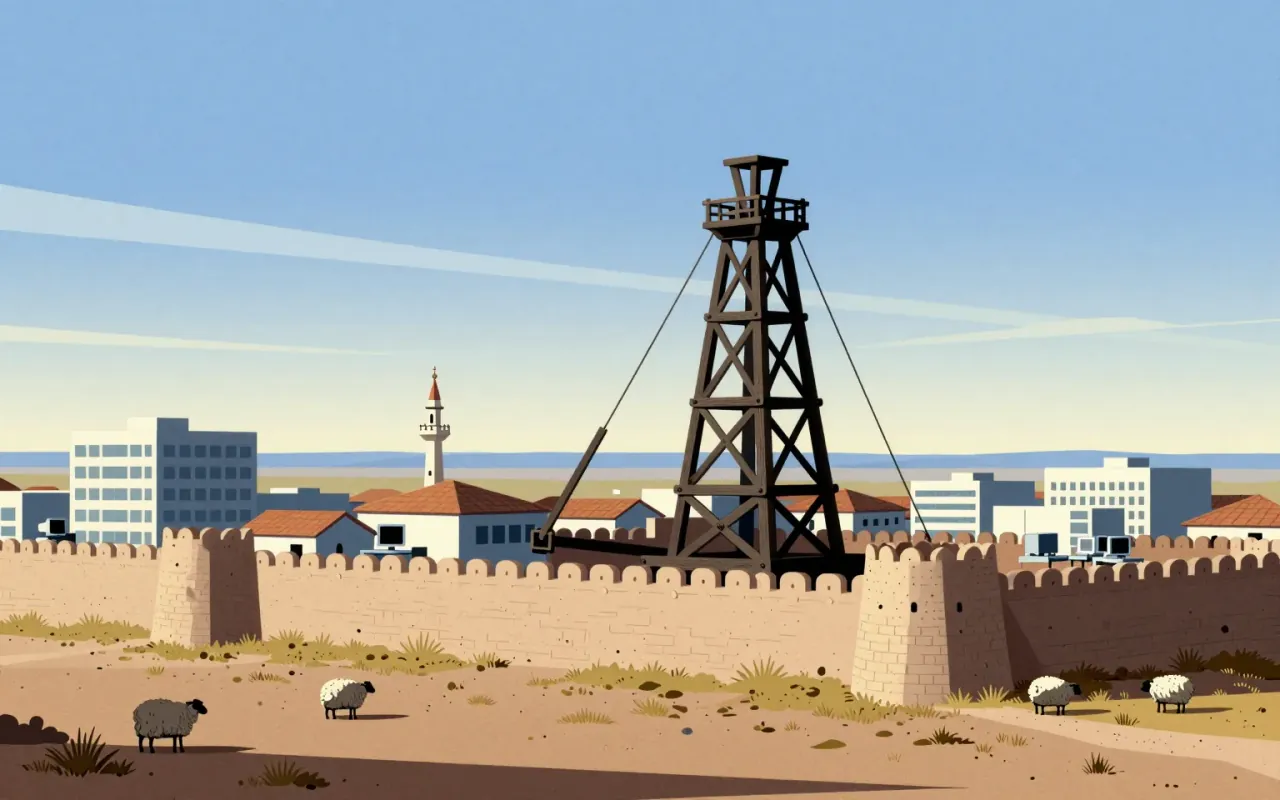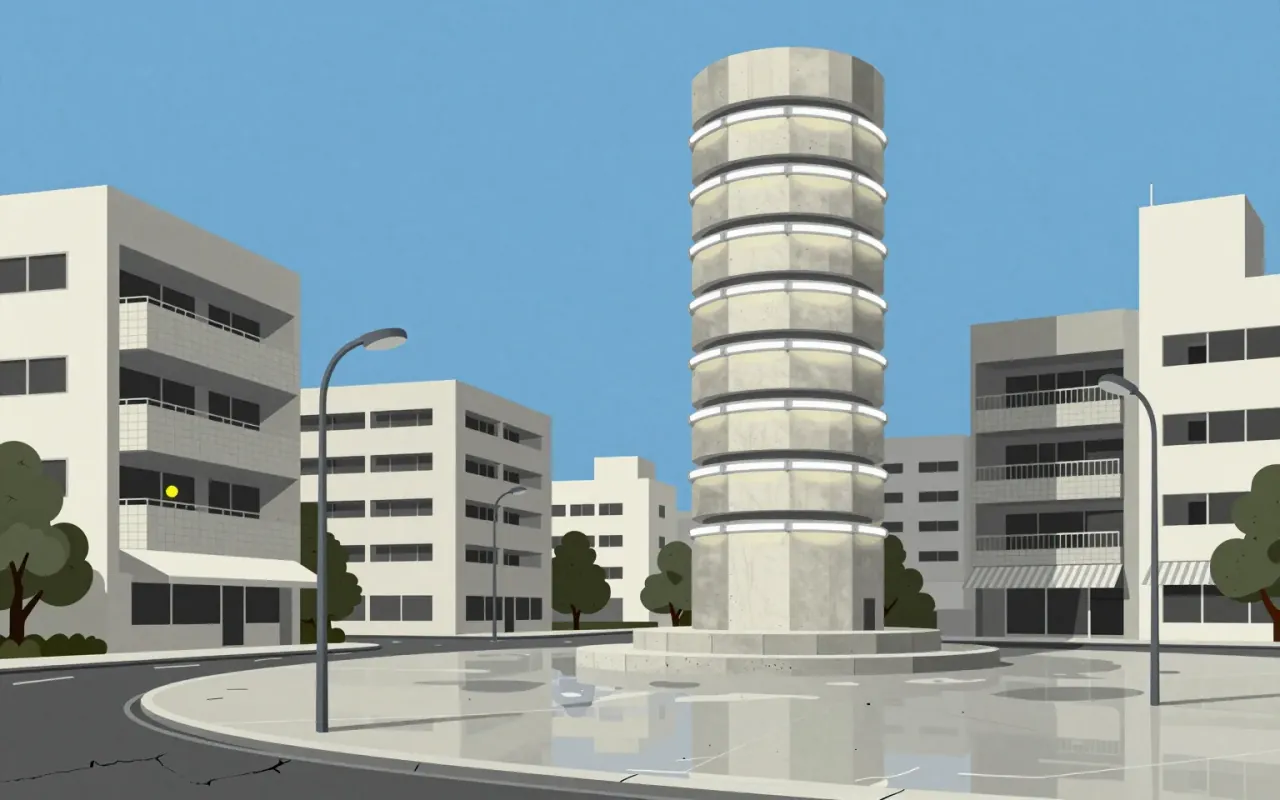
What the work is
Conceptual architecture merging physical and virtual realms, expressed through interactive public landmarks and exhibition-based simulations.
How it was made
Ito used interactive technology—including computer-controlled light systems and 130 video projectors—to simulate urban environments and respond to environmental data.
What works
The work establishes architecture as ‘clothing’ for urban life and produces spatial conditions aligned with a philosophy of borderless beings.
What does not
The material does not establish that Ito’s work resolved structural or social constraints of public space, nor that it achieved functional integration of virtual systems beyond demonstration.
What it influenced
The material does not specify influence on later architects, firms, or movements; no downstream works, practitioners, or built projects are named or implied.
Is it worth your time
Yes, if you are examining how architecture absorbed digital interactivity before ubiquitous computing, or how Japanese postmodernism pivoted toward immateriality.