What the work is
Zanuso’s work comprises metal-framed furniture with novel seat-attachment techniques, foam-rubber upholstery systems, the Grillo telephone, and modular dwellings developed with Sapper for MoMA’s 1972 exhibition.
Marco Zanuso was born in Milan on 14 May 1916, studied architecture at the Politecnico di Milano from 1934 and graduated in 1939. After wartime service in the Italian Navy he set up his own design office in 1945. He edited Domus from 1947 to 1949 and Casabella from 1952 to 1956, and taught at the Politecnico from the late 1940s until the 1980s. His career ran for more than six decades and also included architecture, among it the Olivetti factory in São Paulo (1961) and the Piccolo Teatro in Milan.
How it was made
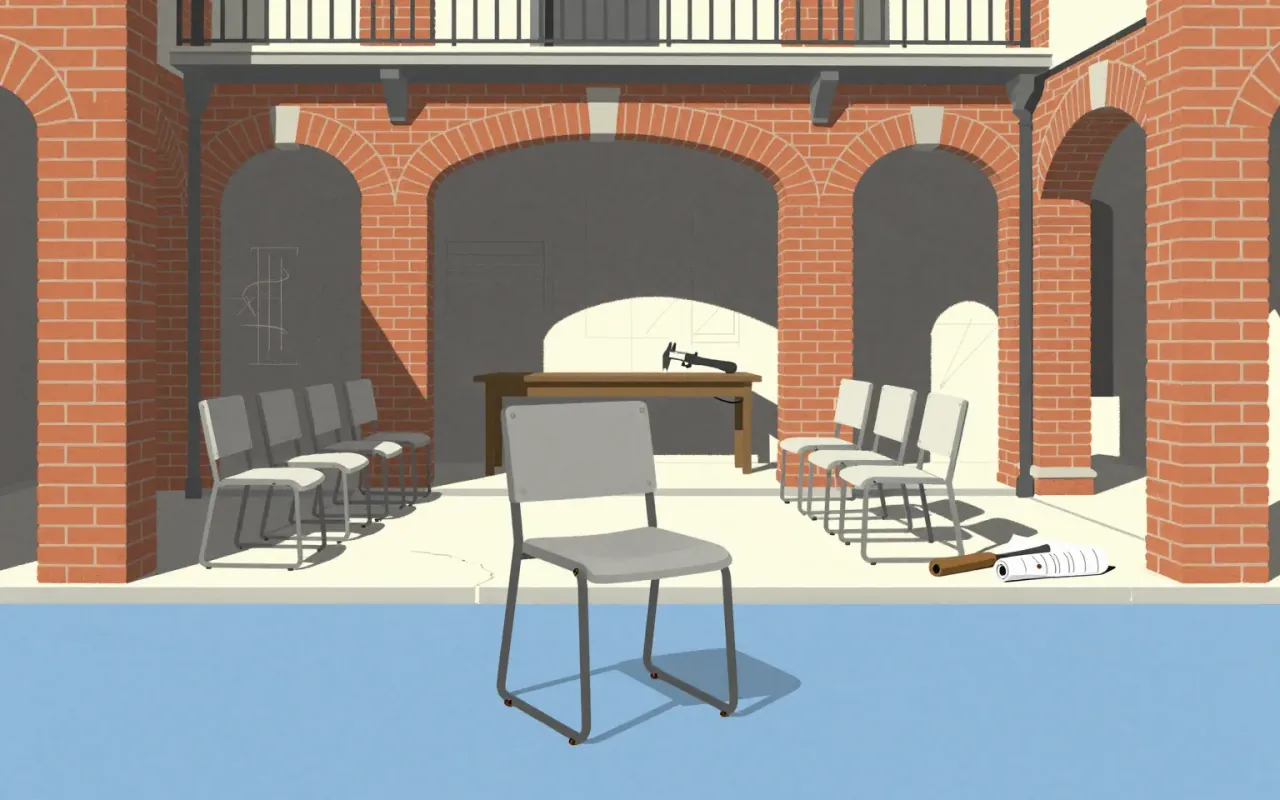
Zanuso used an innovative method to attach fabric seats to metal-framed chairs, as shown in his 1948 MoMA Low-Cost Furniture competition entry.
What works
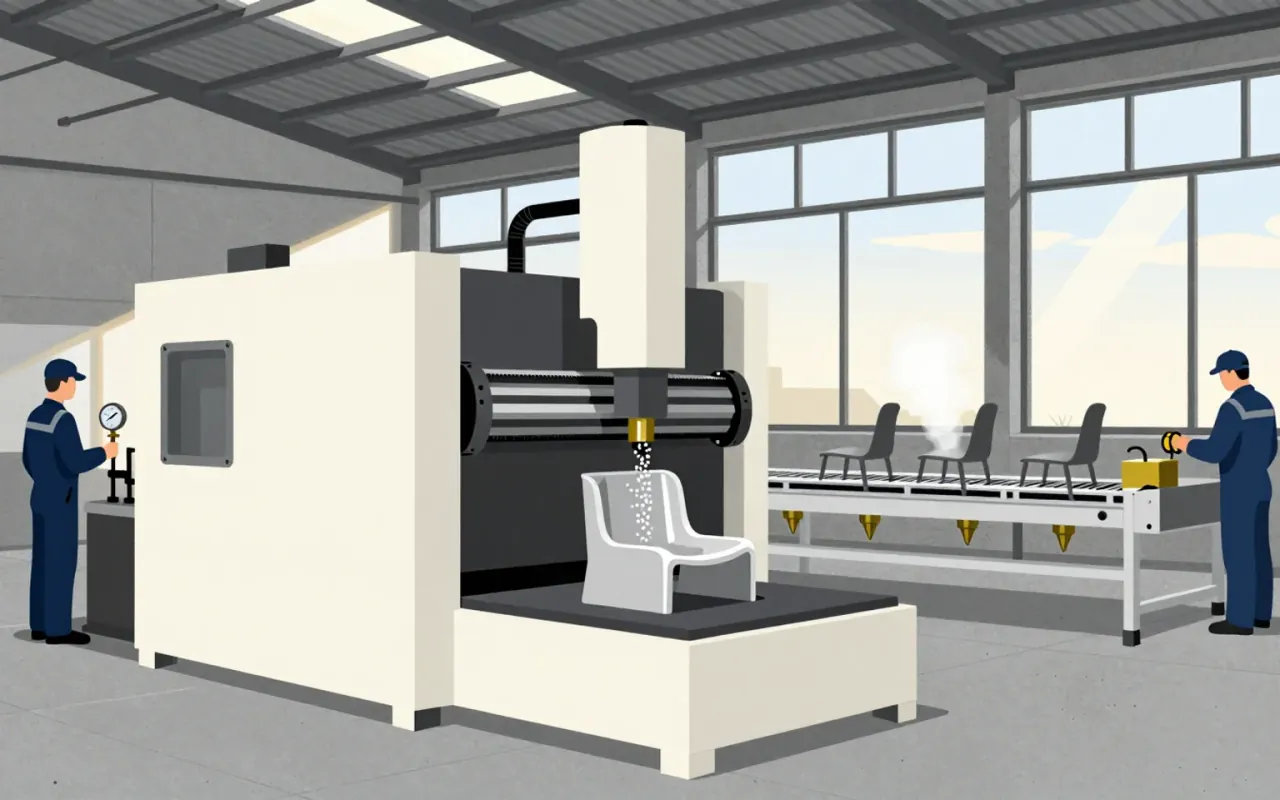
His method established order in complexity. Foam rubber enabled new structural and formal possibilities with previously unattainable industrial standards. The Grillo integrated dial and earpiece into a single unit. Modular dwellings were designed for immediately available, easily transportable living quarters.
In 1957 Zanuso began a long partnership with the German designer Richard Sapper, and one of their first projects was a small, stackable plastic children’s chair for Kartell. Wikipedia describes it as light, functional and playful and says it contributed to the acceptance of plastic for modern domestic furniture. Zanuso and Sapper became consultants to Brionvega in 1959, where the aim was stylish electronics to rival those from Japan and Germany. Their Doney 14 television won the Compasso d’Oro in 1962 and is described as the first completely transistor television. The Grillo telephone for Siemens followed in 1966.
What does not
The sources do not establish any failure, limitation or shortcoming in Zanuso’s work.
What it influenced
Zanuso’s method of finding order in complexity enabled openness to technological innovation, new materials and functional aesthetics aimed at enhancing human experience.
Zanuso was a founding member of the Associazione per il Disegno Industriale in the 1950s, and Wikipedia says his teaching influenced a new generation of Italian designers. He received the Compasso d’Oro Lifetime Achievement Award in 1994, and his work is in the collections of the Museum of Modern Art in New York, the Triennale Milano, the Vitra Design Museum and the Kartell Museum, among others.
Is it worth your time
Yes — it demonstrates how constraint-driven decisions in materials, attachment, and integration shaped postwar industrial design.