What the work is
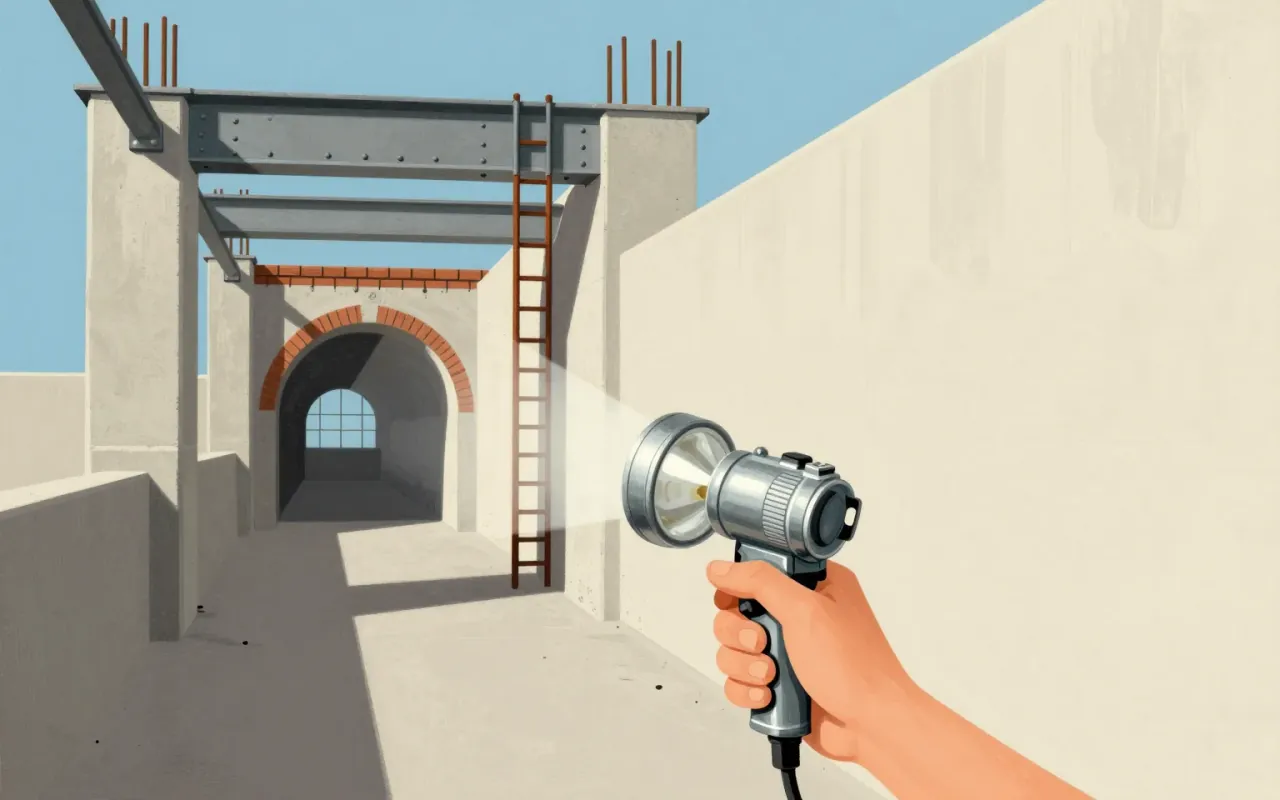
Maglite is a US-manufactured flashlight brand founded in 1979. It is not a single object but a family of cylindrical, aluminium-bodied, variable-focus flashlights — originally with krypton/xenon bulbs, now LED-equipped.
How it was made
Maglite flashlights are constructed principally of anodized 6061 aluminum and feature a variable-focus beam. They were introduced in 1979 by Anthony Maglica’s Mag Instrument, Inc. in Ontario, California. The design was patterned after the Kel-Lite and intended as an improvement.
What works
Its anodized 6061 aluminium construction delivers durability and weight. Its variable-focus beam enables task-specific illumination. Its size and mass enabled dual-use as an impact tool — a function confirmed by police and security personnel.
What does not
The sources do not establish any claim about ergonomics, battery chemistry, manufacturing scale, cost, or user experience beyond durability, brightness, and weight. No mention is made of waterproofing, drop resistance, thermal management, or serviceability.
What it influenced
The Maglite influenced law enforcement equipment policy: its use as an improvised impact tool prompted departments like the LAPD to revise baton protocols. It also extended the life and relevance of the incandescent flashlight form through material and optical refinement.
Is it worth your time
Yes — for its direct material logic, documented functional adaptation, and clear lineage from industrial precedent to institutional adoption. It reveals how a tool’s physical properties can redefine its role in practice.