What the work is
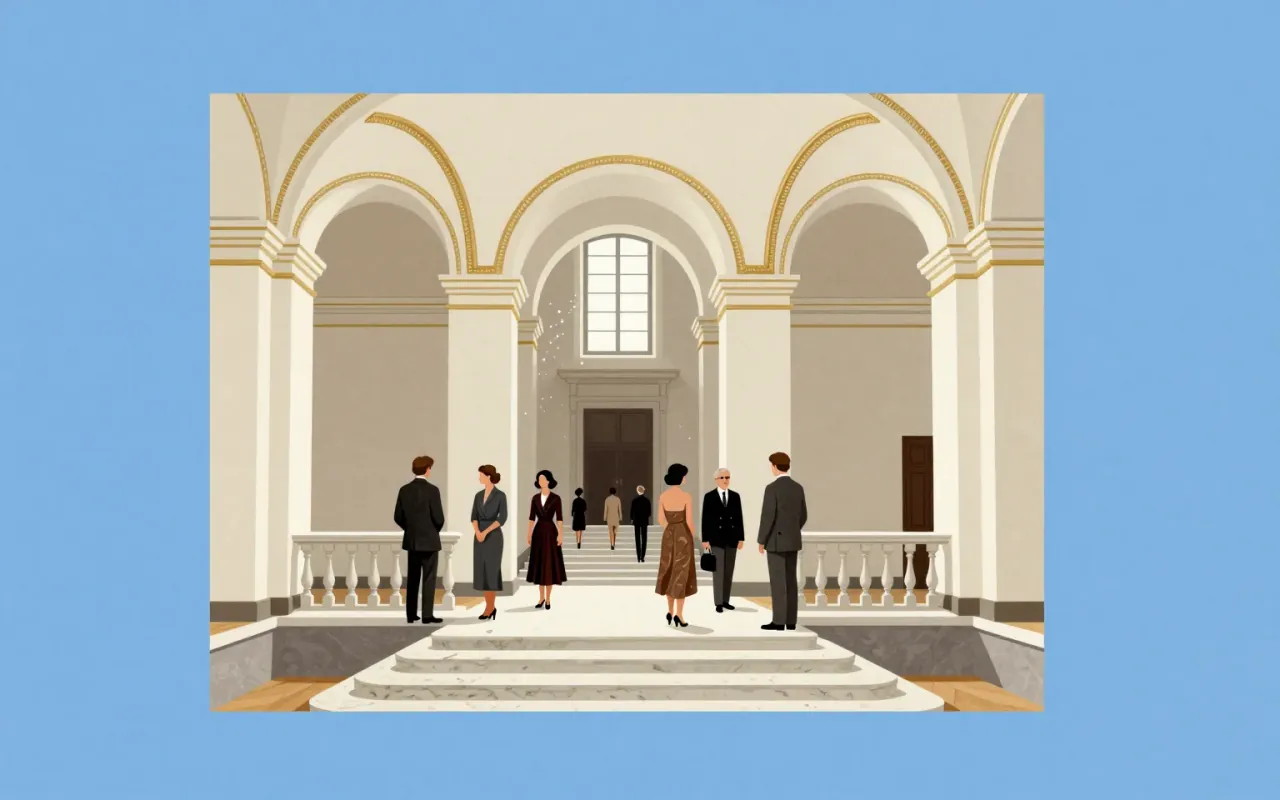
Gae Aulenti oversaw the restoration of Palazzo Grassi after Fiat acquired the Venetian palace in 1983. The aim was to adapt the building for visual-art exhibitions.
How it was made
The intervention worked within Giorgio Massari’s eighteenth-century palace on the Grand Canal. The existing architecture and decorated interiors formed the setting for a new institutional use rather than a blank construction site.
What works
The project raises a central question of adaptation: how an inherited sequence of rooms can support a programme different from the one for which it was built. The building’s history remains part of the visitor’s encounter with displayed work.
What does not
Aulenti’s renovation must be distinguished from Tadao Ando’s later remodelling after François Pinault acquired the palace in 2005. Present-day interiors may contain several phases and should not all be credited to one architect.
What it influenced
The palace continued as an exhibition venue through changes of ownership and further interventions. That continuity documents the durability of its cultural use, while leaving the contribution of each architectural phase to be examined separately.
Is it worth your time
Worth studying for adaptive reuse. Build a timeline before comparing photographs: original fabric, Aulenti’s restoration and subsequent work answer different briefs. The distinction is essential to understanding what each intervention changed.