What the work is
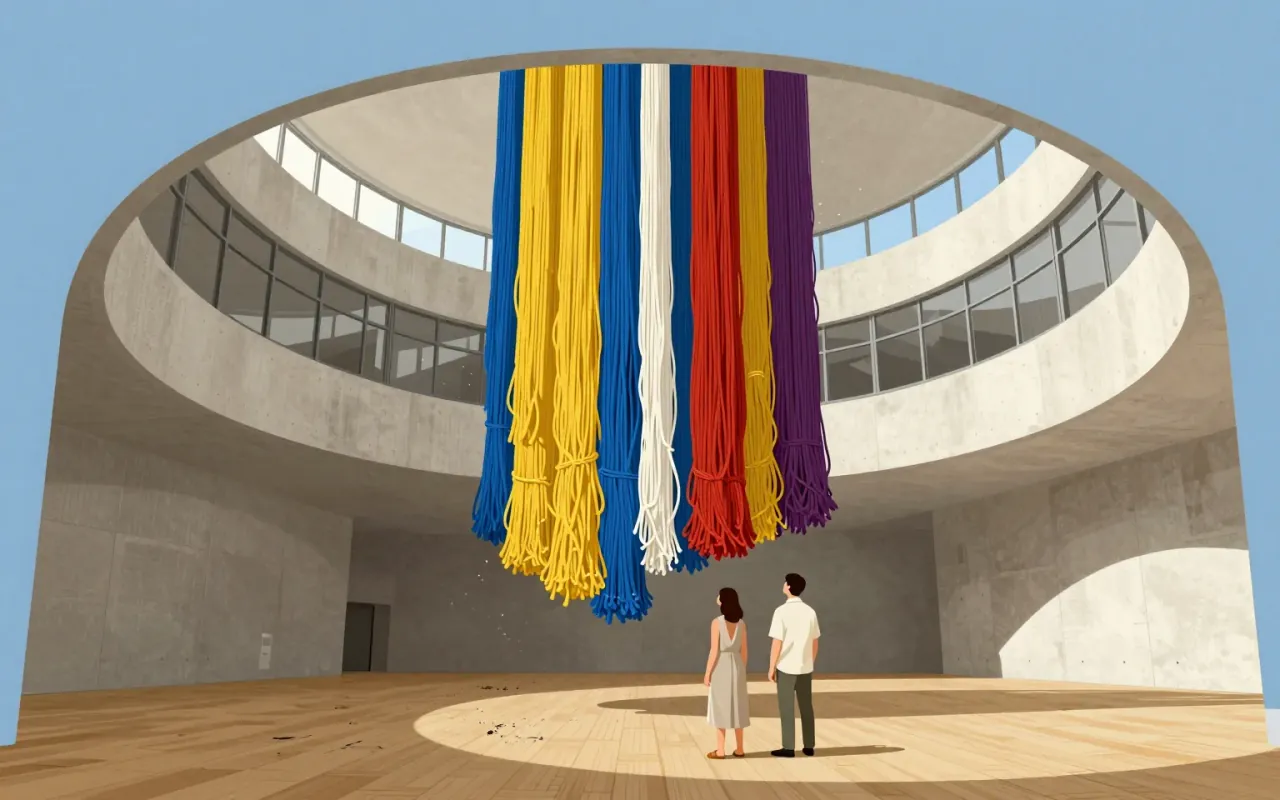
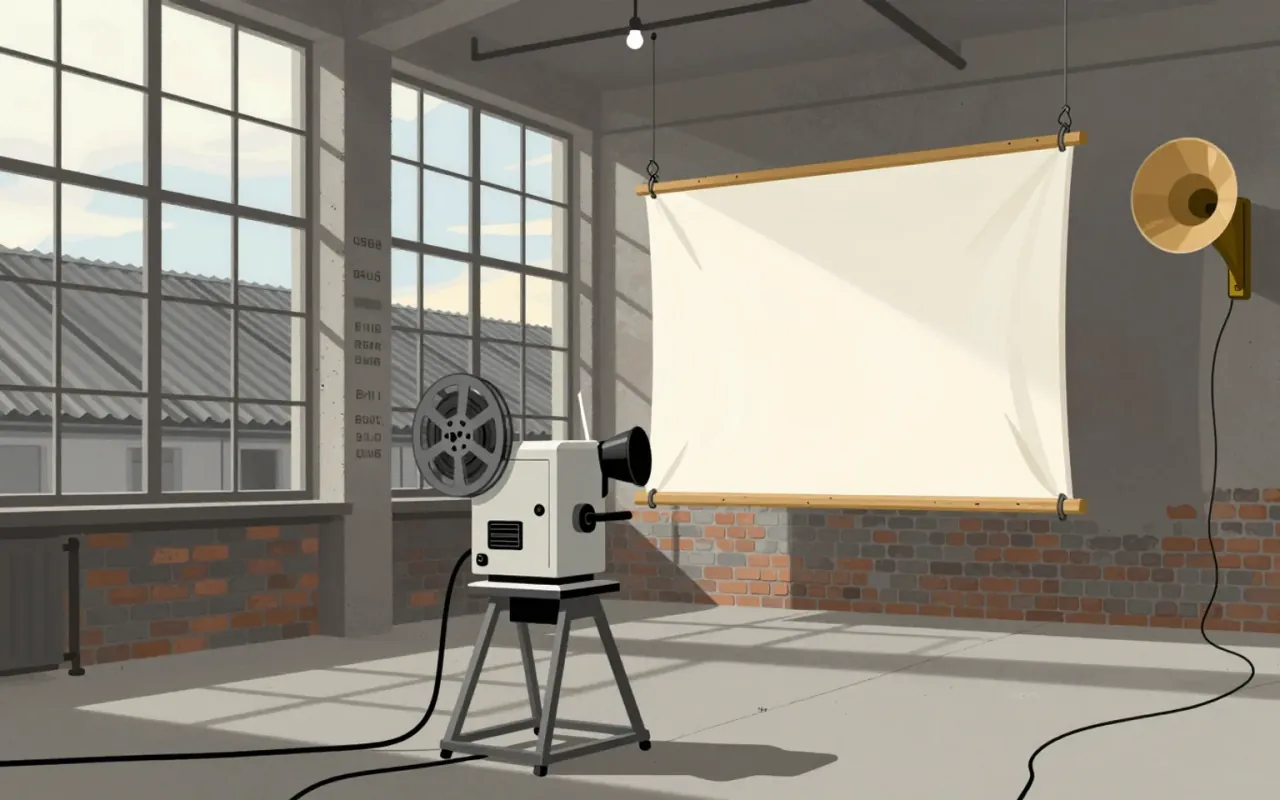
Rosa Barba’s work is a practice of cinematic dissection: it treats film equipment, projection, and narrative as architectural and sculptural materials. It includes multi-media installations, site-specific commissions, collaborative filmmaking, and limited-edition printed works that extend the filmic organism.
How it was made
Barba uses the film camera as a drawing instrument to outline formal properties of objects. She collaborates with non-professional participants to co-create narratives and characters during filming. She produces site-specific installations through institutional partnerships, dissecting cinematic components into sculptural elements. She publishes Printed Cinema editions as time-limited secondary literature accompanying films in specific exhibition spaces.
What works
Treating cinema as an architectural instrument creates spatiotemporal dimensions beyond interior or exterior space. Dissecting and rearranging cinematic components makes mechanical objects into protagonists. Using the camera as a drawing instrument links form directly to observation. Collaborating with local inhabitants grounds narrative in situated, emergent authorship.
What does not
The work does not treat cinema as a medium for storytelling alone. It does not rely on professional actors or scripted continuity. It does not produce standalone films without architectural or printed extensions. It does not separate projection from physical space.
What it influenced
The document does not state what Barba’s work influenced. No claims about influence, legacy, reception, or derivative practices appear in the sources.
Is it worth your time
Yes—if you are interested in how cinema can be reassembled as architecture, sculpture, and printed matter, not just narrative or spectacle. It demands attention to process over product, and material reconfiguration over representation.