designbriefs
Objects & space

Sheila Hicks

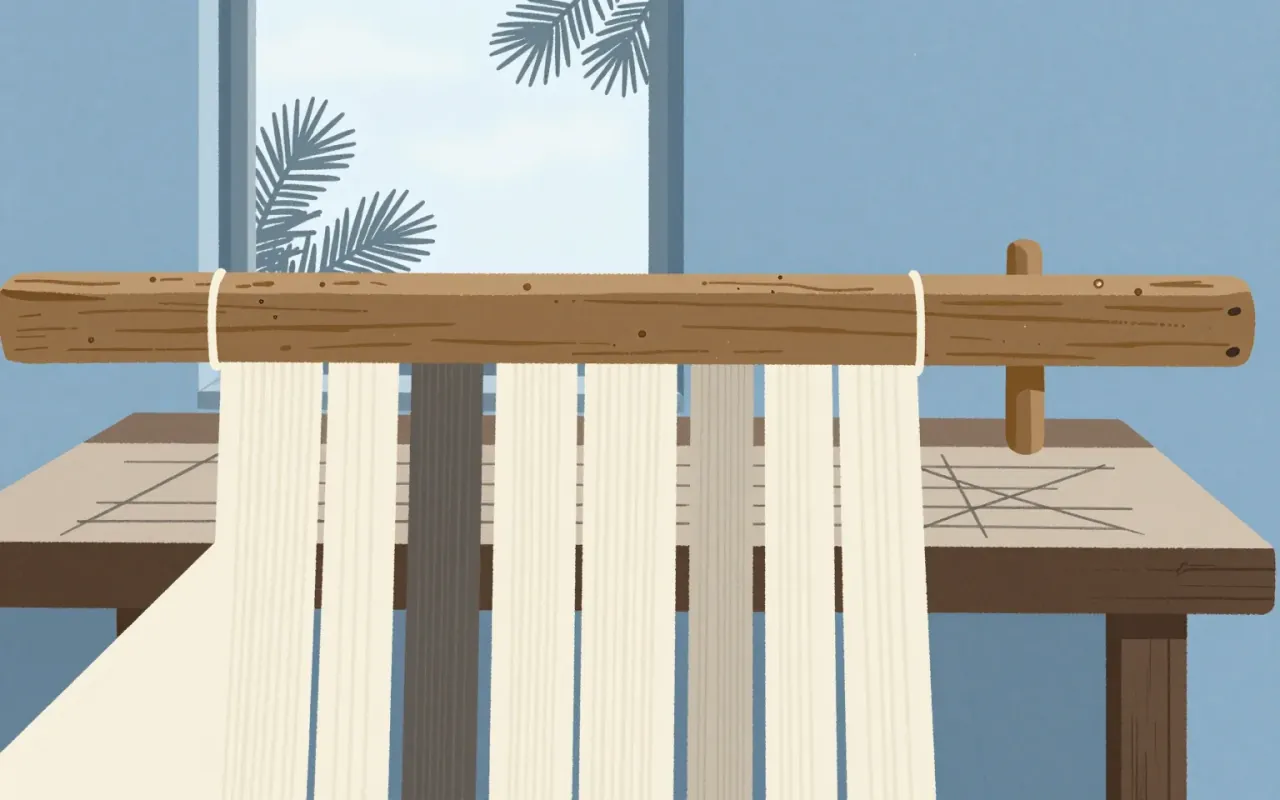
Sheila Hicks didn’t make textiles. She made a grammar for occupying space with thread.

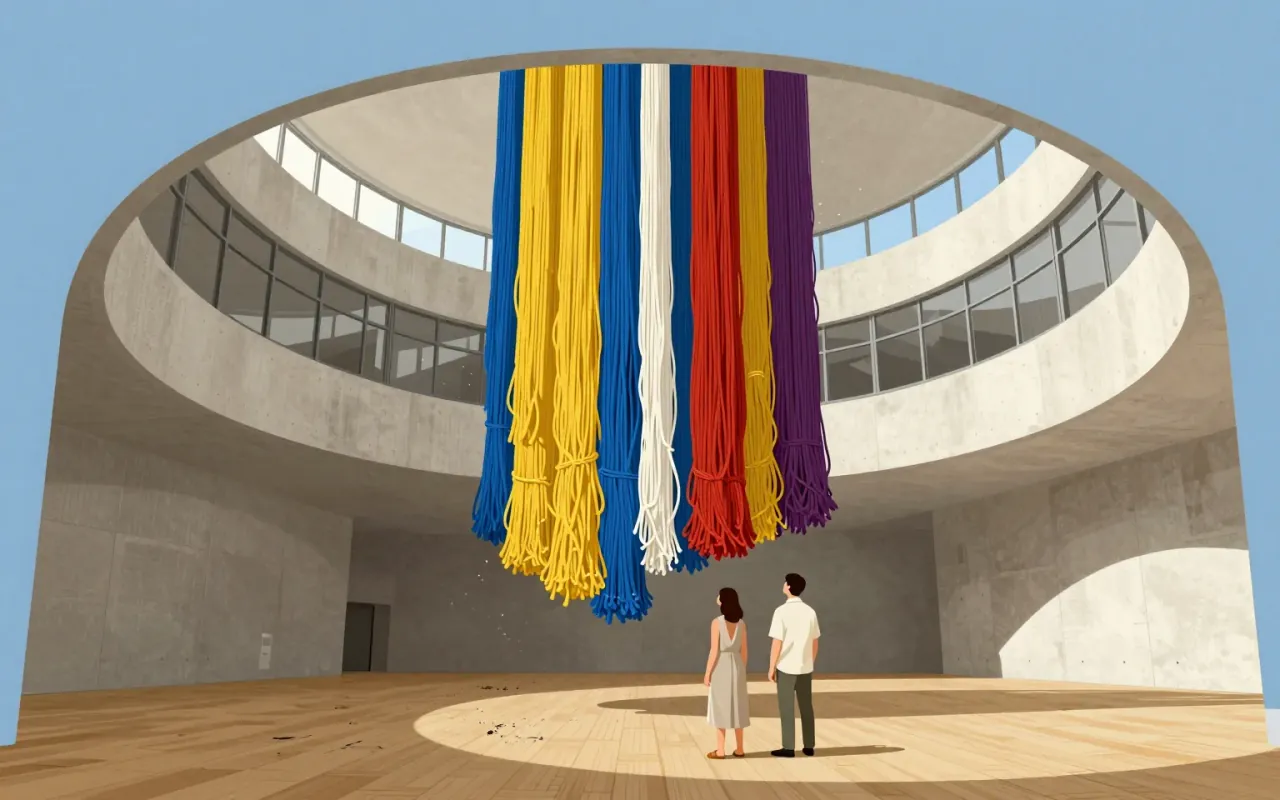
Sheila Hicks expanded textile practice across scale and context—from miniature weavings using unconventional materials to monumental, site-responsive fiber columns—through direct engagement with indigenous weaving traditions worldwide, sustained travel across five continents, and interdisciplinary methods bridging art, architecture, and craft.

Subject
Designer
Worth your time?

Yes. Study the whole thing.

4.5/ 5
What works
  • crosses boundaries between art, architecture, and site-responsive installation
  • uses scale as structural argument, not ornament
  • treats materials as ethnographic evidence
What does not
  • no fixed palette
  • no repeated form
  • no declared philosophy beyond direct engagement
Study it if
  • architects needing non-rigid spatial languages
  • curators rethinking craft in collection frameworks
  • designers working at the intersection of material and ritual
Skip it if
  • those seeking stylistic consistency
  • those requiring documented manufacturing protocols
  • those looking for a singular authored object
The design analysis1 min read

What the work is

A six-decade body of textile work spanning minimes, wall hangings, sculptural fiber piles, and monumental hanging columns occupying architectural space.

How it was made

She made work by travelling across five continents to study indigenous weaving practices in situ, incorporating unconventional materials—from transparent noodles and slate to hospital girdles and Carmelite-darned wool sheets—into miniature weavings and monumental fiber columns.

What works

The expansion across scale—from palm-sized minimes to corporate commissions like Enchantillon: Medallion—works because it treats weaving as a transferable logic, not a bounded medium.

What does not

The material does not establish any single authorial signature beyond process: no consistent palette, no fixed scale hierarchy, no repeated form, no declared philosophy beyond direct engagement with weaving cultures.

What it influenced

Her work influenced how textile practice is positioned across art, architecture, and site-responsive installation—evidenced by its presence in major public collections worldwide.

Is it worth your time

Yes. Her practice redefines textile work as a structural, architectural, and cross-cultural discipline—not craft adjunct but spatial language.


Same discipline · Objects & space4 of 26
Up next in Design

Shigeru Ban

· 9:06

Paper tubing isn’t poetic scaffolding — it’s a calibrated response to scarcity, theft, deforestation, and bureaucracy.

9:06