What the work is
William Morris was not a single object or publication but a sustained, multi-decade practice: a decorative arts firm, a preservation campaign, a press, and a body of literary and translation work — all unified by commitment to craftsmanship, medievalism, and socialist ideals.
How it was made
Morris founded Morris, Marshall, Faulkner & Co. in 1861 with Burne-Jones, Rossetti, Webb, and others. He assumed total control in 1875 and renamed it Morris & Co. He founded the Society for the Protection of Ancient Buildings in 1877 and the Kelmscott Press in 1891. He produced English translations of Icelandic Sagas after visits to Iceland with Eiríkur Magnússon.
What works
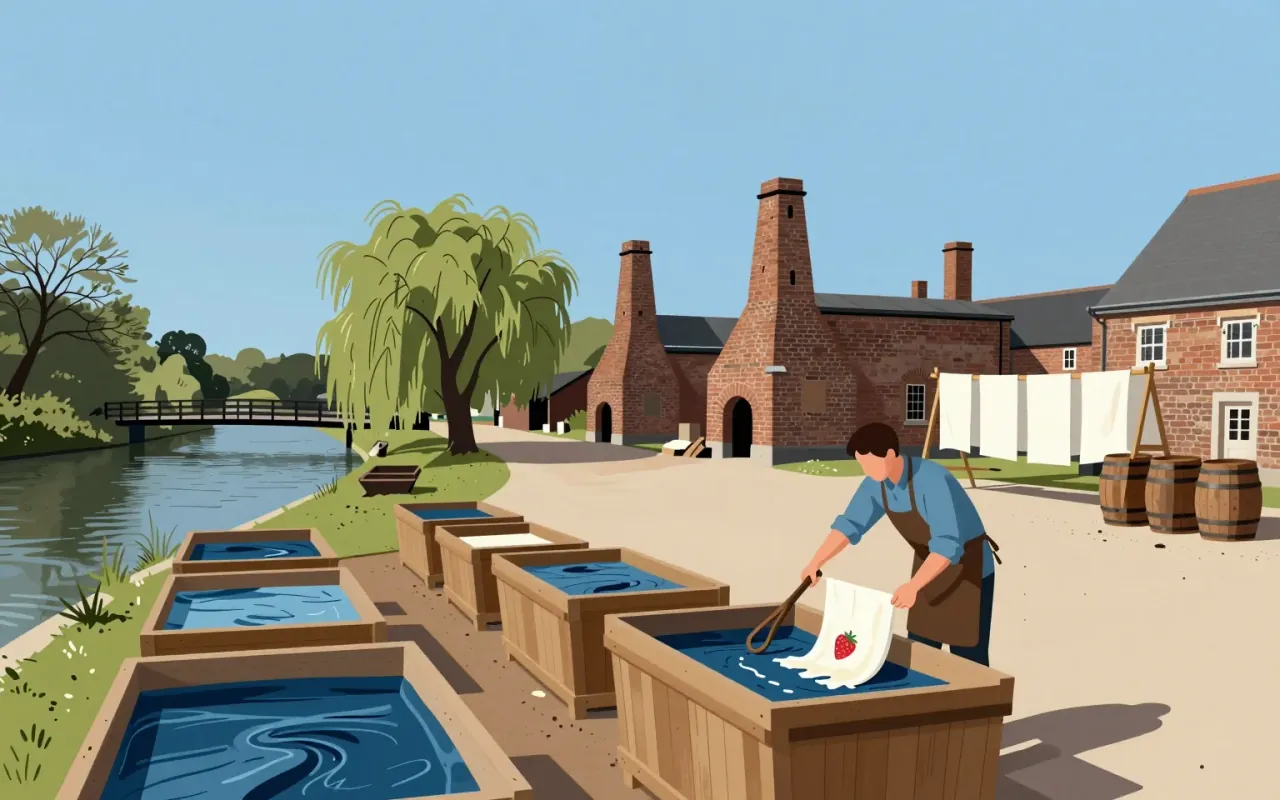
The integration of design, publishing, preservation, and political action into one coherent life’s work works. The revival of natural dyeing and hand-weaving methods works as both technical intervention and ideological statement. The Kelmscott Press’s illuminated-style books work as a material argument against industrial typographic standardisation.
What does not
The sources do not establish that Morris designed buildings, engineered products, or worked in industrial manufacturing. They do not attribute any specific textile pattern, wallpaper, or book to him individually — only that he designed across those categories as part of the firm’s output.
What it influenced
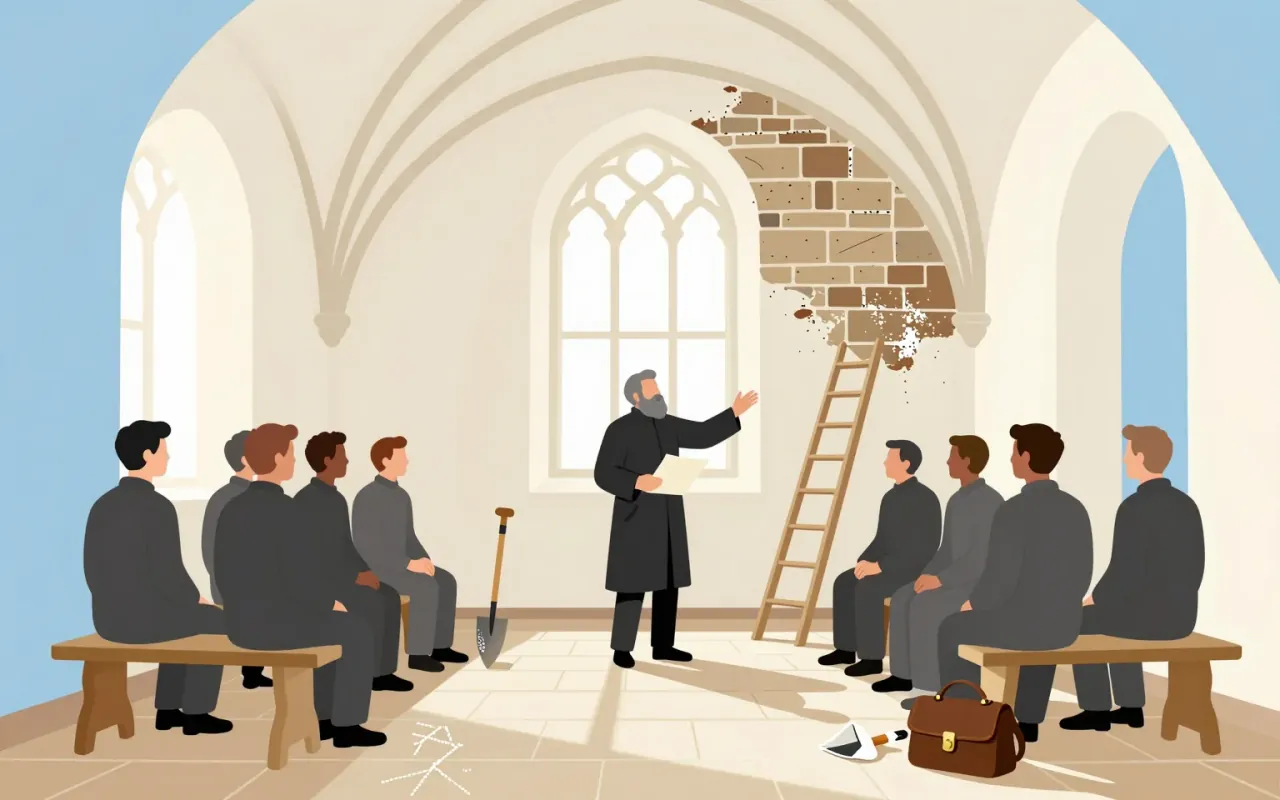
His firm profoundly influenced Victorian interior decoration. His literary work helped establish the modern fantasy genre. His founding of the Society for the Protection of Ancient Buildings shaped architectural conservation practice. His Kelmscott Press redefined standards for limited-edition book production.
Is it worth your time
Yes — his work establishes a direct line from medieval craft ethics to modern design activism, publishing rigour, and preservation practice. It is worth your time because it shows how a single figure can embed material method, political conviction, and cultural institution-building into one coherent practice.