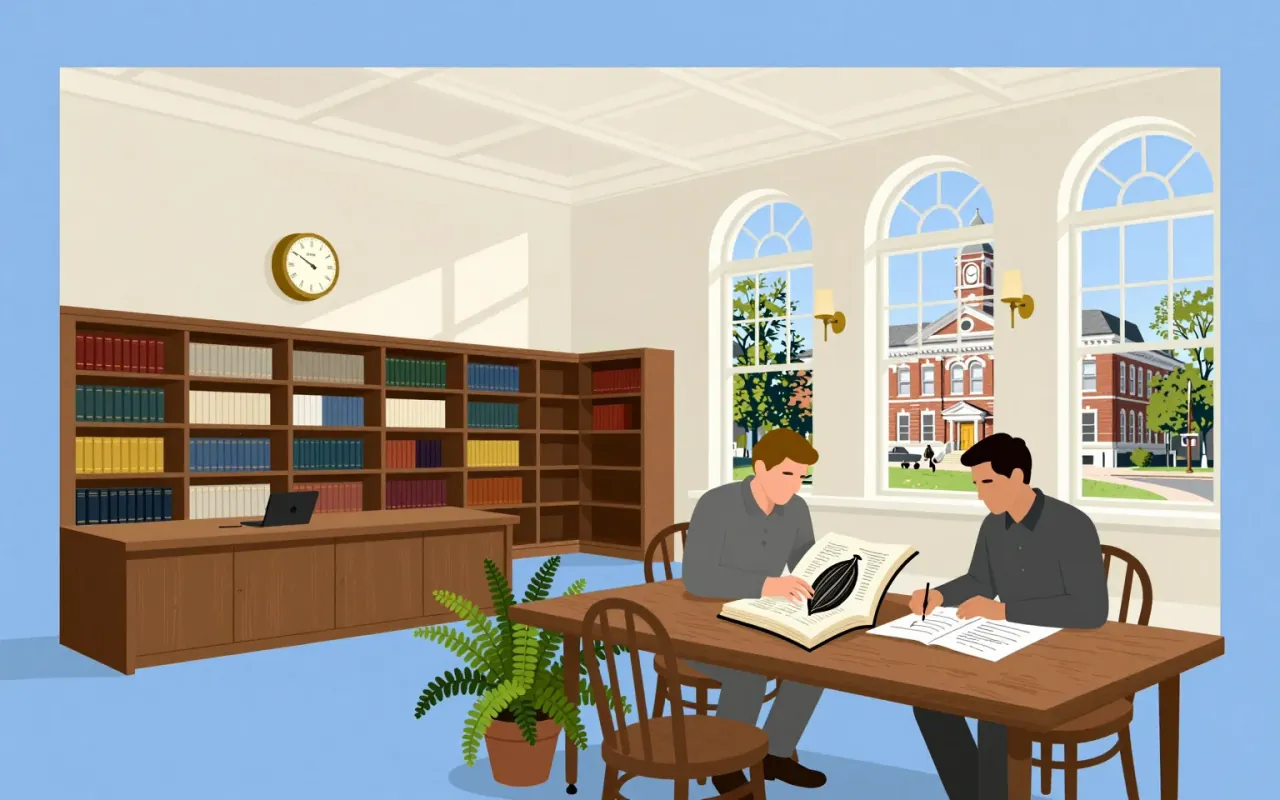
A bottle competition
The Coca-Cola contour bottle grew from a 1915 packaging competition. Chapman J. Root assembled a Root Glass Company team that included plant supervisor Alexander Samuelson, auditor Clyde Edwards and bottle designer Earl R. Dean.
The contest was to design and exclusively manufacture a “new bottle, a distinctive package” for Coca-Cola. Root Glass was already a supplier: Chapman J. Root opened Root Glass Works in Vigo County, Indiana, on 27 May 1901, at Third and Voorhees Streets, and by 1904 the company was making beverage bottles for Coca-Cola and several other beverage companies in the area.
Research, sketch and mould
Edwards and Dean researched plant forms at the library in Terre Haute. A cocoa pod provided the reference for the curved central body. Dean translated the sketch into a machined mould and produced sample bottles for the competition. The original design belongs to that Root Glass team.
The library was the Emeline Fairbanks Memorial Library, and Dean made the sketch there. He then worked through the night adapting it into a hand-machined mould that shows the curved cocoa pod as the centre portion of the sample bottle. Time was short: the molten glass furnaces were about to be shut down for cleaning, so Dean produced only a few sample bottles for the national Coca-Cola bottle contest.
What to examine
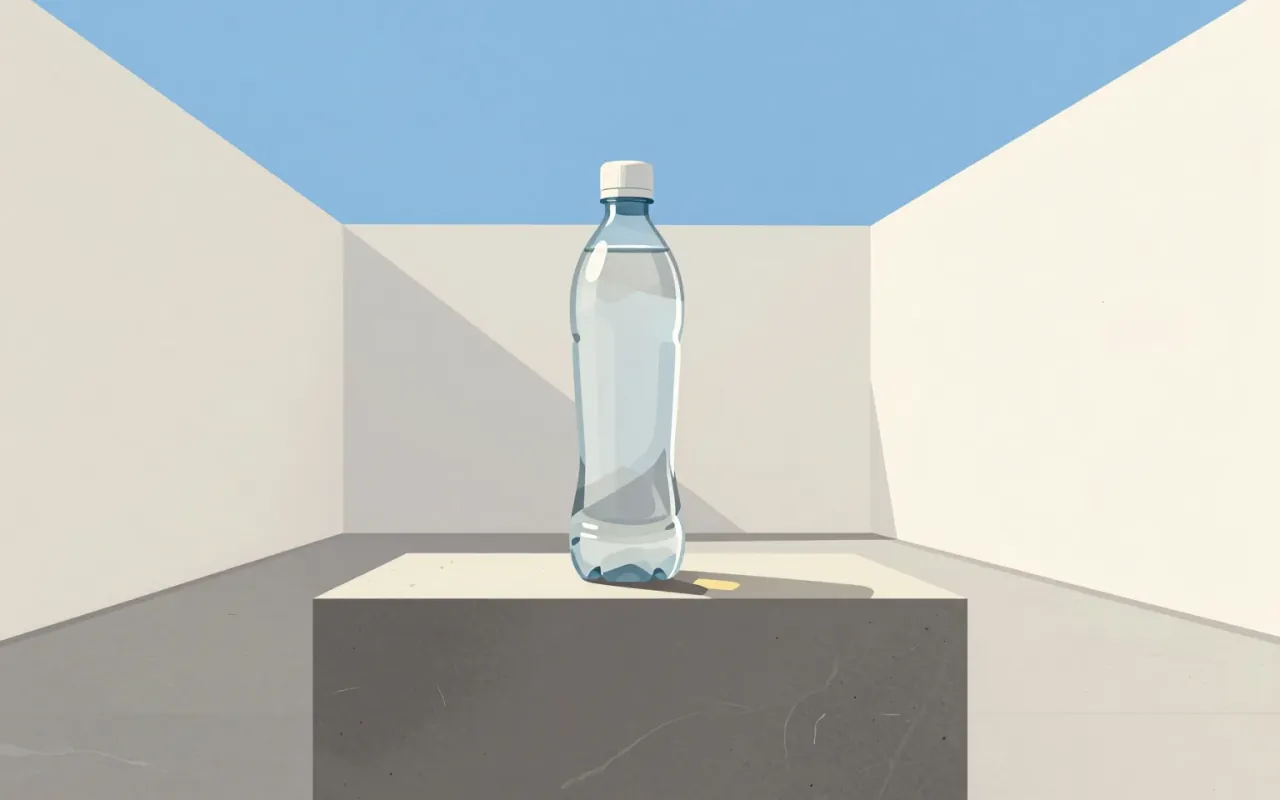
Study a bottle’s outline alongside its lettering, then consider what remains identifiable when one of those cues is removed. This makes packaging recognition a concrete design question. Following the move from library research to mould and sample also gives the shape a production history, rather than explaining it solely through the reputation the finished package later acquired.