What the work is
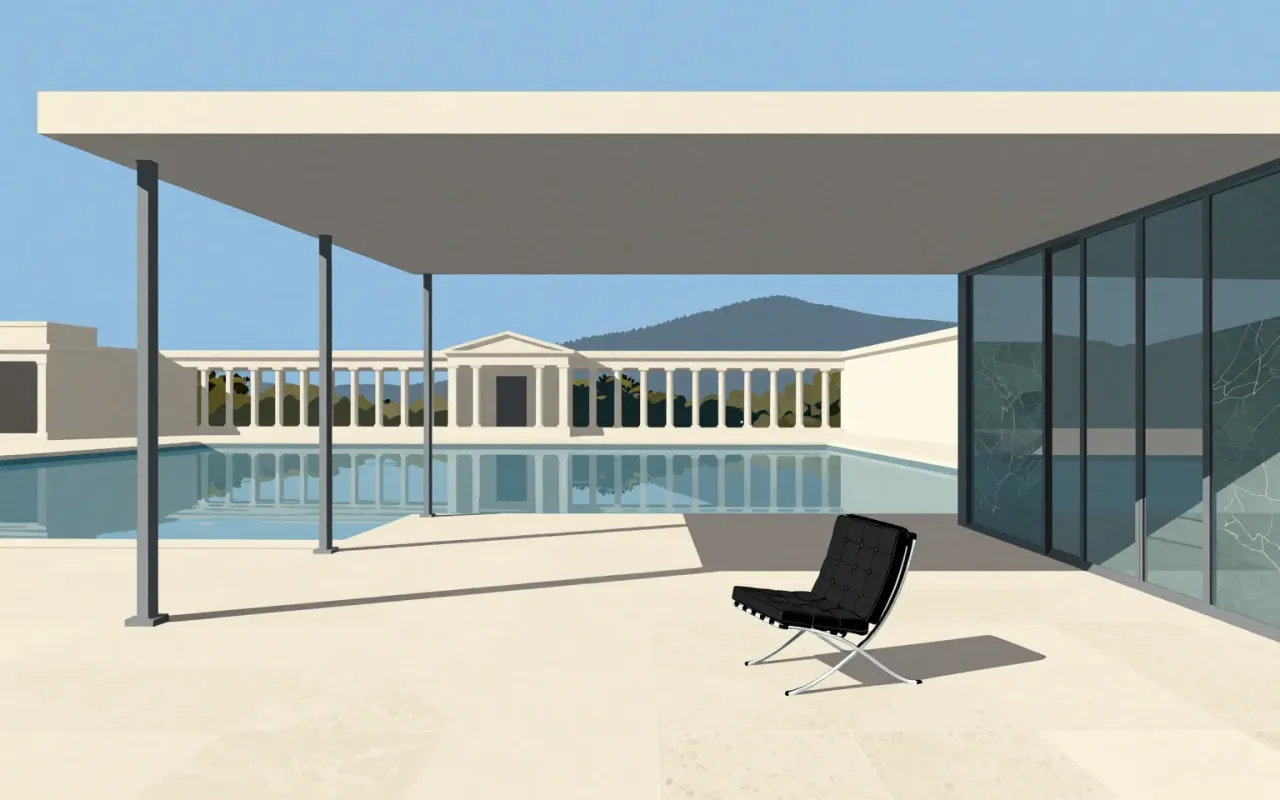
The Barcelona chair is associated with Ludwig Mies van der Rohe and Lilly Reich’s design for the German Pavilion at Barcelona’s 1929 International Exposition. Its metal supporting frame and upholstered surfaces make a useful starting point for examining modern furniture’s relationship to craft.
How it was made
The original frame was designed to be bolted together. A 1950 redesign used stainless steel to give it a smoother, seamless appearance. Bovine leather replaced the ivory-coloured pigskin used for the original pieces. These changes matter: a later example is not identical in every detail to the first design.
What works
The separation between frame and upholstered surfaces gives the chair a clear visual organization. Its supporting structure remains part of what the viewer sees. Read that clarity alongside the handwork required to produce the chair, rather than assuming that an industrial appearance implies an entirely automated process.
What does not
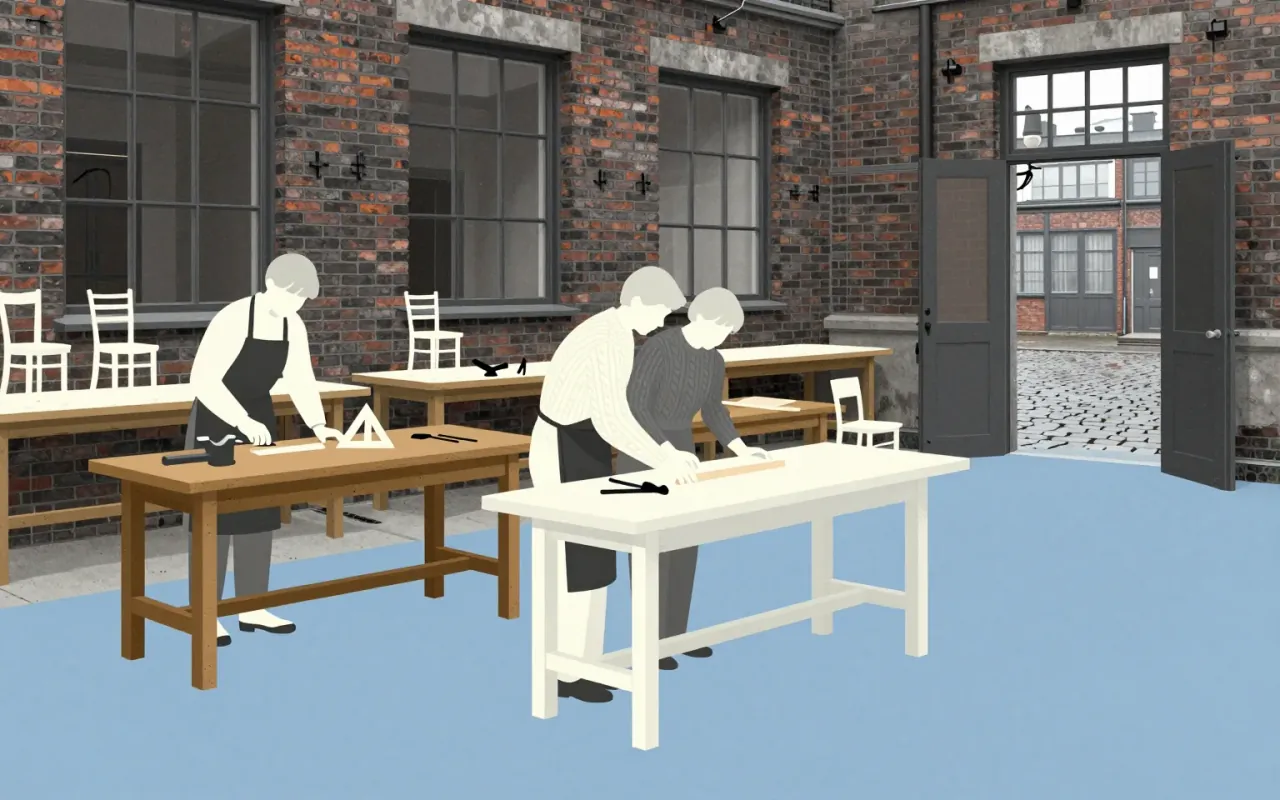
The tension worth examining is between appearance and making. Knoll describes substantial handcrafting in the chair’s production. That does not establish that it is impossible to manufacture at scale, unsuitable for a home, or uncomfortable. Those are separate questions requiring their own evidence.
What it influenced
Its form has been compared with the Roman curule chair, an upholstered seat associated with aristocratic use. Keep that comparison qualified. It gives a way to examine historical references in a modern design without claiming that the chair invented luxury minimalism or directly caused every later use of exposed metal and leather.
Is it worth your time
Study the Barcelona chair by comparing original and later construction, then looking again at the frame and upholstery. It offers a concrete example of why a design’s clean appearance should not be mistaken for a simple manufacturing history.