What the work is
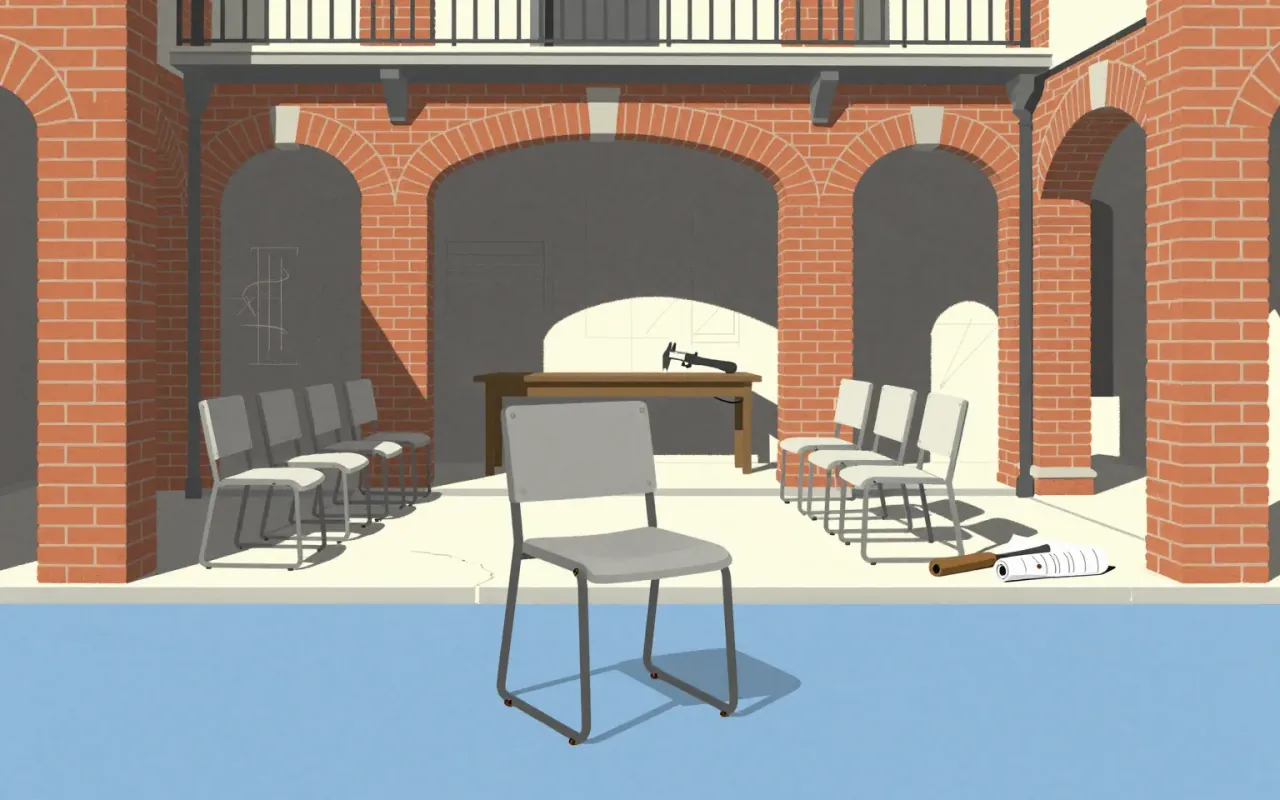
The Ulmer Hocker (1954) is a stool designed to serve five roles: stool, shelf element, speaker’s desk, tablet, or side table. It is an industrial design object rooted in concrete art — not abstraction for its own sake, but form calibrated to perception and use.
How it was made
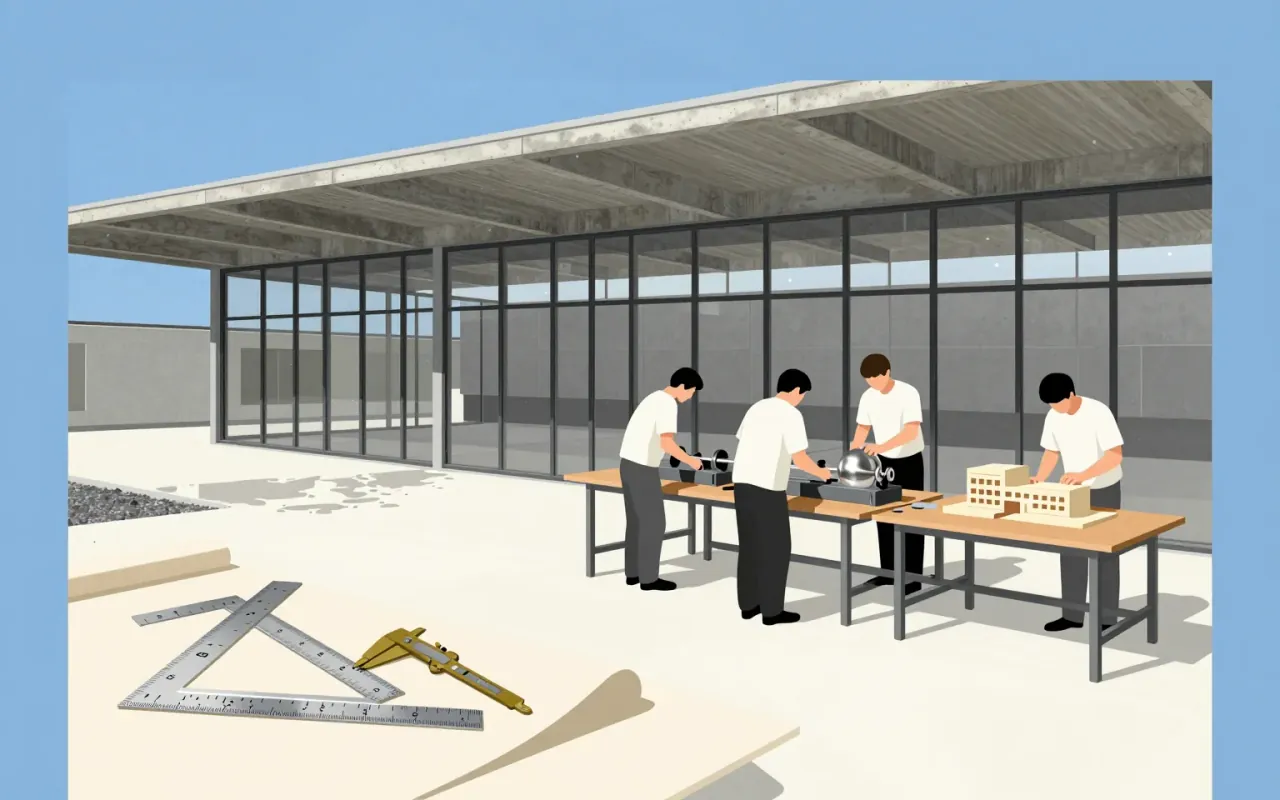
Bill worked phenomenologically, not rationally. He translated the New Physics and the ‘science of form’ into sensory, embodied experience. His industrial designs prioritised clarity and precise proportions. The Ulmer Hocker began as a sketch on a cocktail napkin — Bill’s idea, later developed with Hans Gugelot.
What works
Its multi-functionality is explicit and functional, not metaphorical. Its phenomenological basis makes proportion and clarity operative, not decorative. It anchors Swiss graphic design’s authority in embodied cognition, not just grid discipline.
What does not
The material does not establish that Bill designed alone, resolved manufacturing constraints, or defined materials, dimensions, or production methods for the Ulmer Hocker. It does not say he rejected ornament, used specific tools, or worked within a budget.
What it influenced
Bill was the single most decisive influence on Swiss graphic design from the 1950s onward — through both theory and practice. His method seeded clarity, proportion, and multi-functionality across the discipline.
Is it worth your time
Yes. It reorients how you read Swiss graphic design’s rigour: not as austerity, but as embodied physics made legible. You need only know one object — the Ulmer Hocker — to grasp its operational logic.