What the work is
A set of methodological interventions: a manifesto for process, a compendium for urban theory, a slogan-led national campaign, and a magazine redesign—all unified by Mau’s framing of design as a system for organising complexity.
How it was made
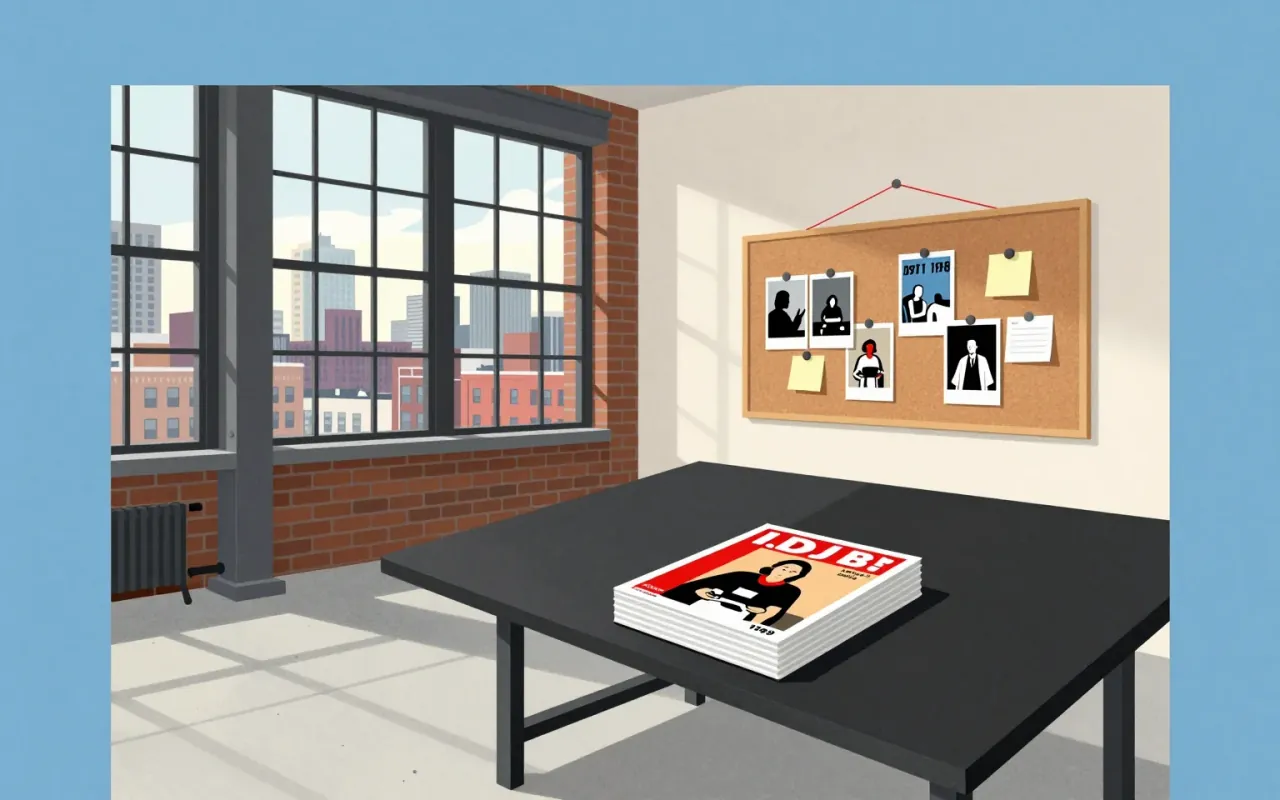
Mau applied design methodology across disciplines, using conceptual frameworks, manifestos, and large-scale collaborative systems. He worked with governments, magazines, and cultural institutions under defined commissions: Guatemala’s post-war optimism initiative, I.D. magazine’s redesign, and the editorial architecture of Zone 1/2.
What works
The Incomplete Manifesto distils actionable heuristics for creative work. Zone 1/2 demonstrates how editorial curation can model interdisciplinary thinking. The Guatemala campaign achieved rapid volunteer mobilisation through linguistic play and low-barrier participation.
What does not
The work does not produce discrete objects, visual identities with locked-down assets, or reproducible templates. It avoids graphic consistency in favour of iterative, participatory expansion. It does not claim technical authorship over built environments or policy outcomes.
What it influenced
It influenced how designers position themselves as strategic thinkers across urbanism, publishing, and nation-building. It seeded expectations that design can structure civic discourse—not just package it.
Is it worth your time
Yes—if you need to understand how design thinking scales from typography to national identity. No—if you expect finished artefacts, formal innovation, or material execution.