designbriefs
Industrial

Critical design

Critical design doesn’t solve problems—it makes you question why you assumed they were problems in the first place.

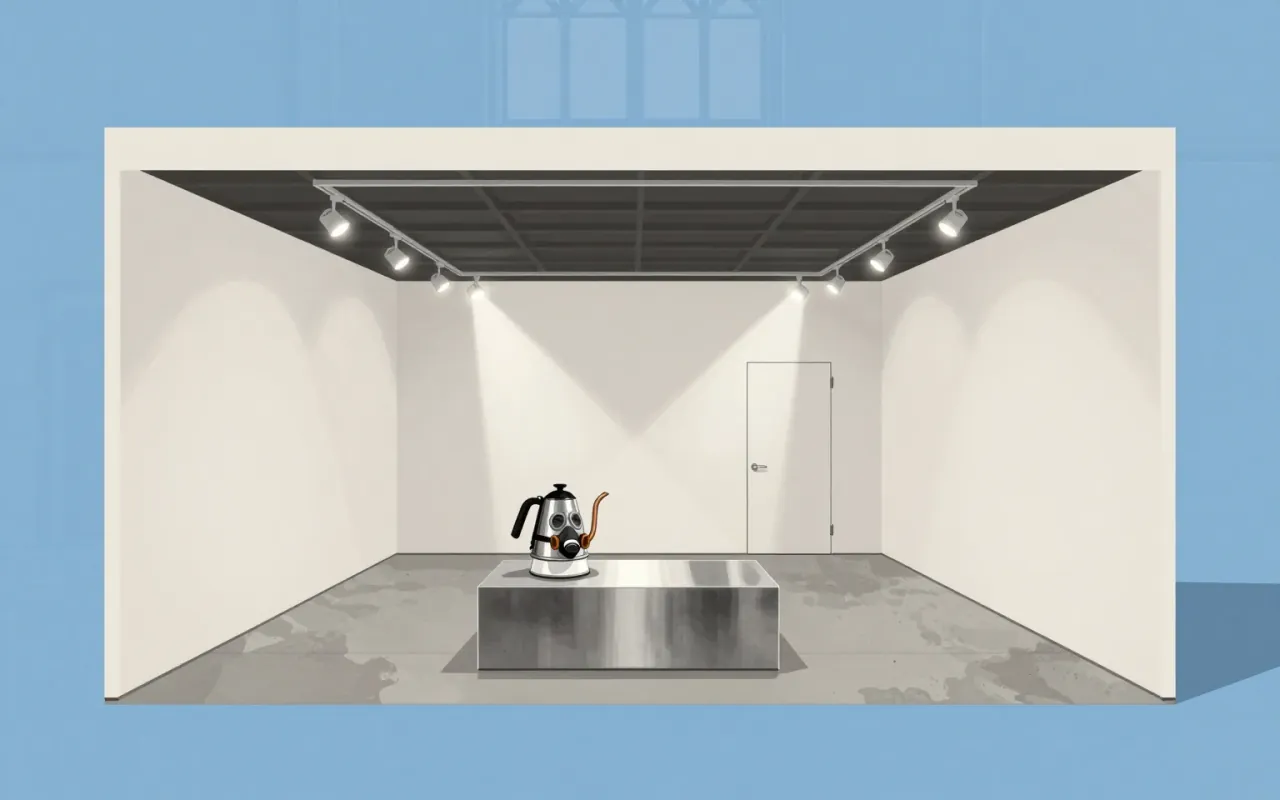
Critical design is a design practice that uses speculative and fictional proposals to challenge assumptions about objects’ roles in everyday life, prioritizing critical engagement over commercial utility or physical function. It translates critical thought into material form to provoke reflection on social, cultural, and ethical issues. Its success depends on viewers’ mental engagement and willingness to think beyond the ordinary. Though often associated with Anthony Dunne and Fiona Raby—and formalized in their books Hertzian Tales (1999) and Design Noir (2001)—it is described as more of an attitude than a method or movement, rooted in design processes but oriented toward symbolic, cultural, and discursive ends rather than practical ones.

Subject
Movement
Worth your time?

Yes. Study the whole thing.

4/ 5
What works
  • provokes reflection on social, cultural, and ethical issues
  • challenges preconceptions about objects and their roles
  • uses design language to engage critical thought
What does not
  • solve practical problems
  • function as consumer products
  • scale commercially
Study it if
  • design educators
  • curators
  • critics of technology and culture
Skip it if
  • clients seeking functional outcomes
  • manufacturers
  • users expecting utility
The design analysis1 min read

What the work is

Critical design is an attitude, not a movement or method. It is critical thought made tangible through designed objects that challenge assumptions about everyday life. It is oriented toward symbolic, cultural, and discursive ends—not practical ones.

How it was made

Critical design uses speculative and fictional proposals to translate critical thought into material form. It employs design fiction to make aspects of the future physically present. It resembles product design but de-emphasises commercial purpose and physical utility.

What works

It provokes new ways of thinking about objects, their use, and surrounding culture. It shares critical perspectives and inspires debate. Its success depends on viewers’ mental engagement and willingness to think beyond the expected.

What does not

It does not deliver functional solutions. It does not prioritise mass production, usability, or market viability. It fails when viewers disengage or treat it as mere aesthetic provocation without reflection.

What it influenced

It influenced design education, curatorial practice, and speculative design discourse—particularly through Dunne & Raby’s firm and their books Hertzian Tales (1999) and Design Noir (2001). It established a precedent for using designed objects as vehicles for cultural critique rather than service.

Is it worth your time

Yes—if you need tools to question how objects shape belief, not just function. It demands mental engagement, not passive viewing. Its value is contingent on your willingness to think beyond the ordinary.


Same discipline · Industrial4 of 65
Up next in Design

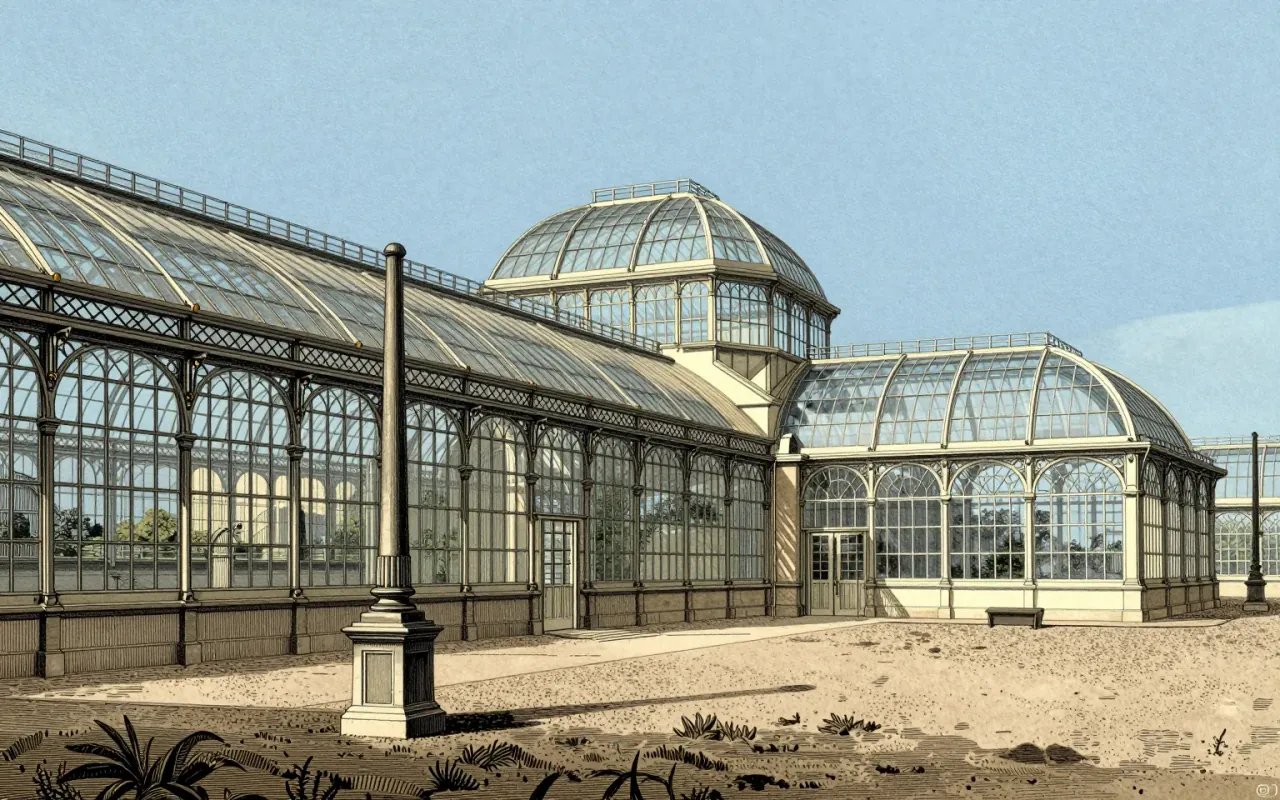
The Crystal Palace

Joseph Paxton · 1851 · 9:55

Form didn’t follow function—it followed the glass supplier’s catalogue.

9:55