What the work is
A museum founded in 2001, occupying three buildings — two new Libeskind structures and one pre-existing — dedicated to presenting German-Jewish history from the Middle Ages to the present day.
How it was made
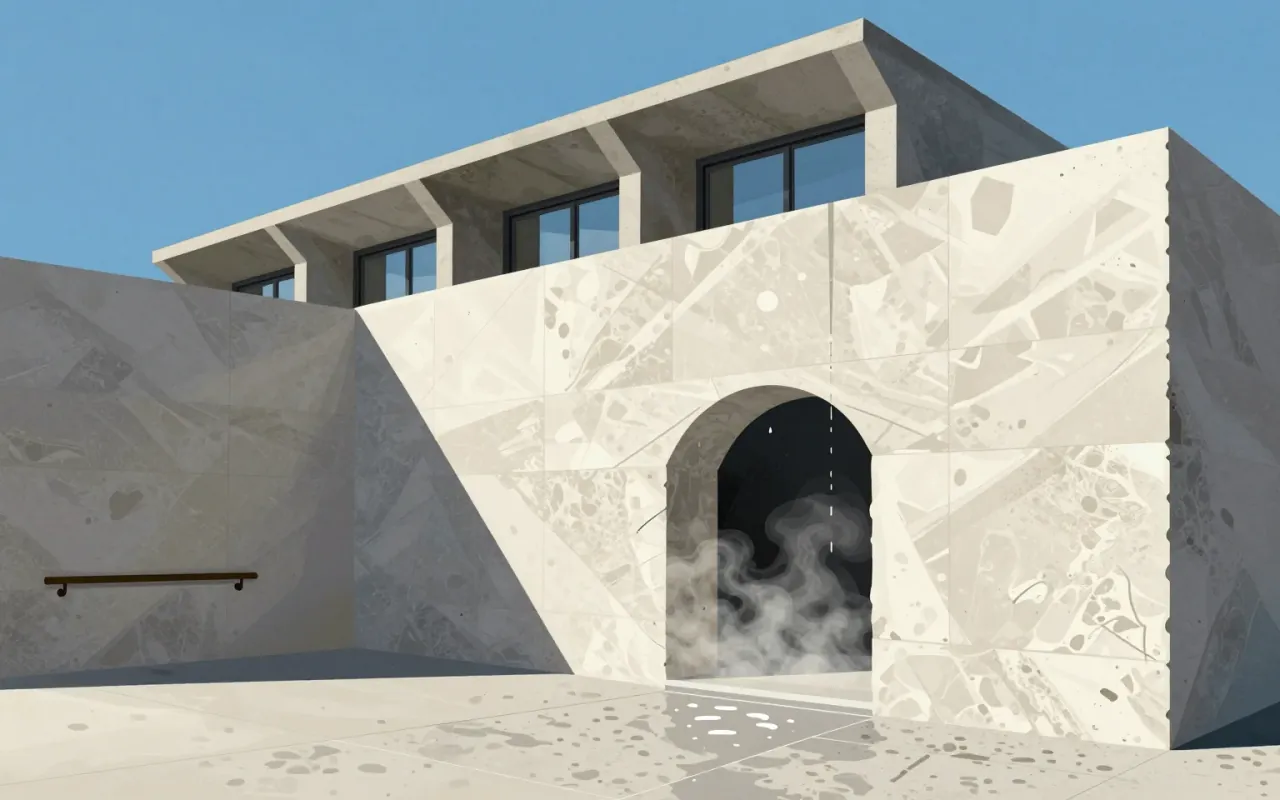
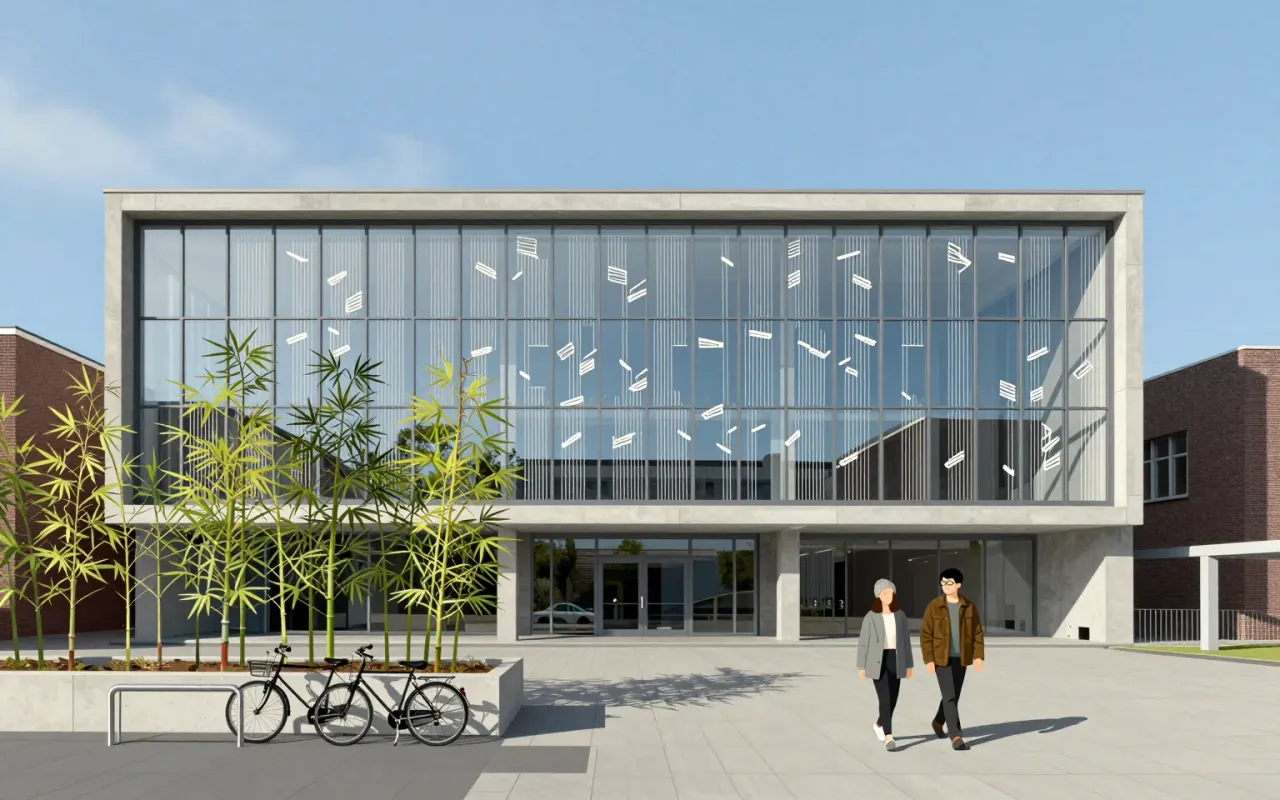
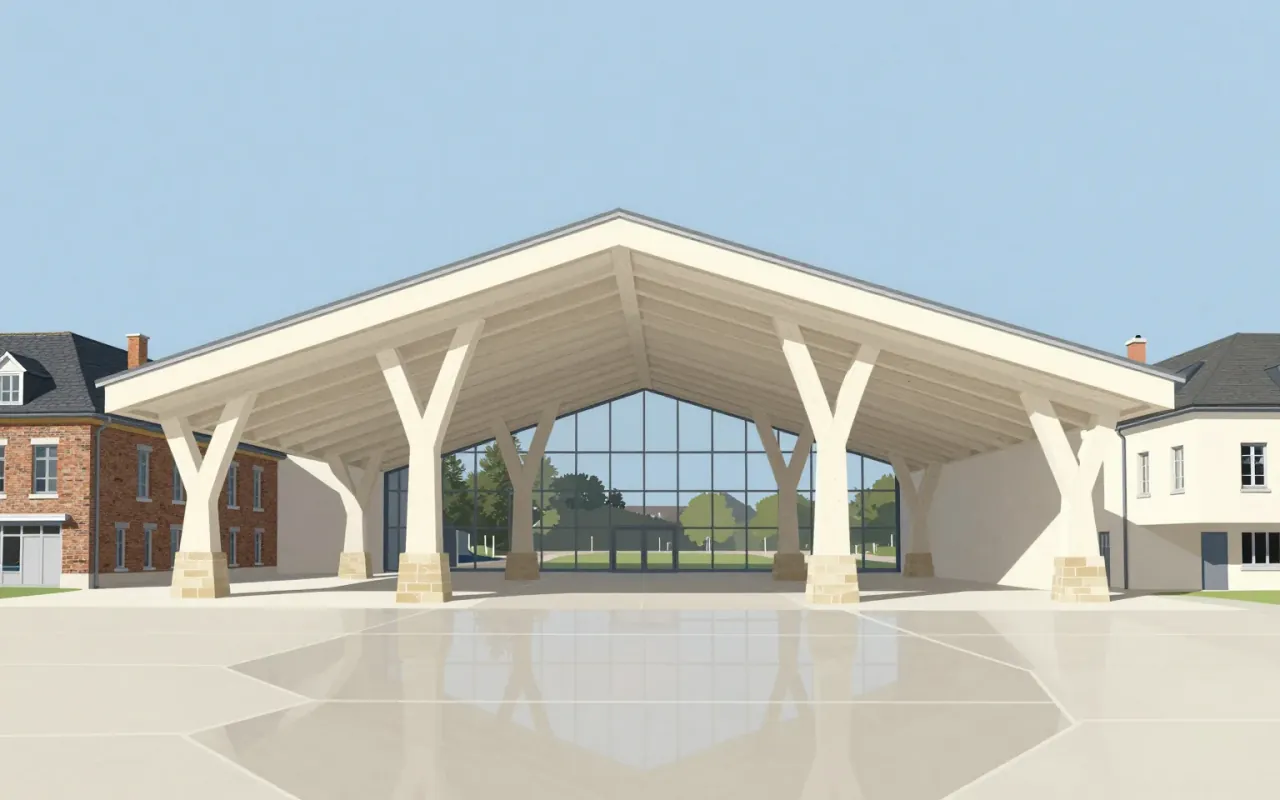
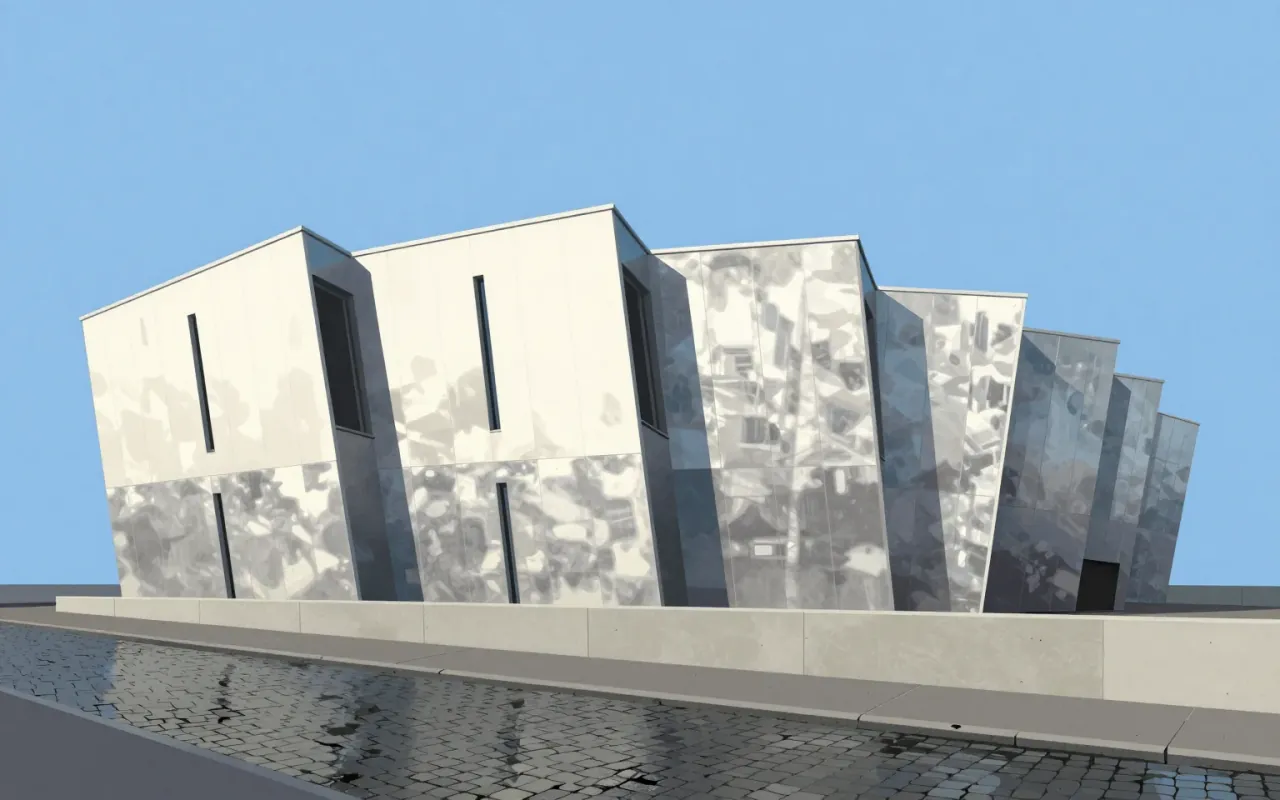
It was made by inserting two new buildings — designed by Daniel Libeskind — into the existing Berlin museum landscape, one of which occupies a former flower market hall (the W. Michael Blumenthal Academy, built 2011/2012). It revives an institutional lineage that began on 24 January 1933 under Karl Schwartz and ended when the Gestapo shut it down on 10 November 1938 during Kristallnacht.
What works
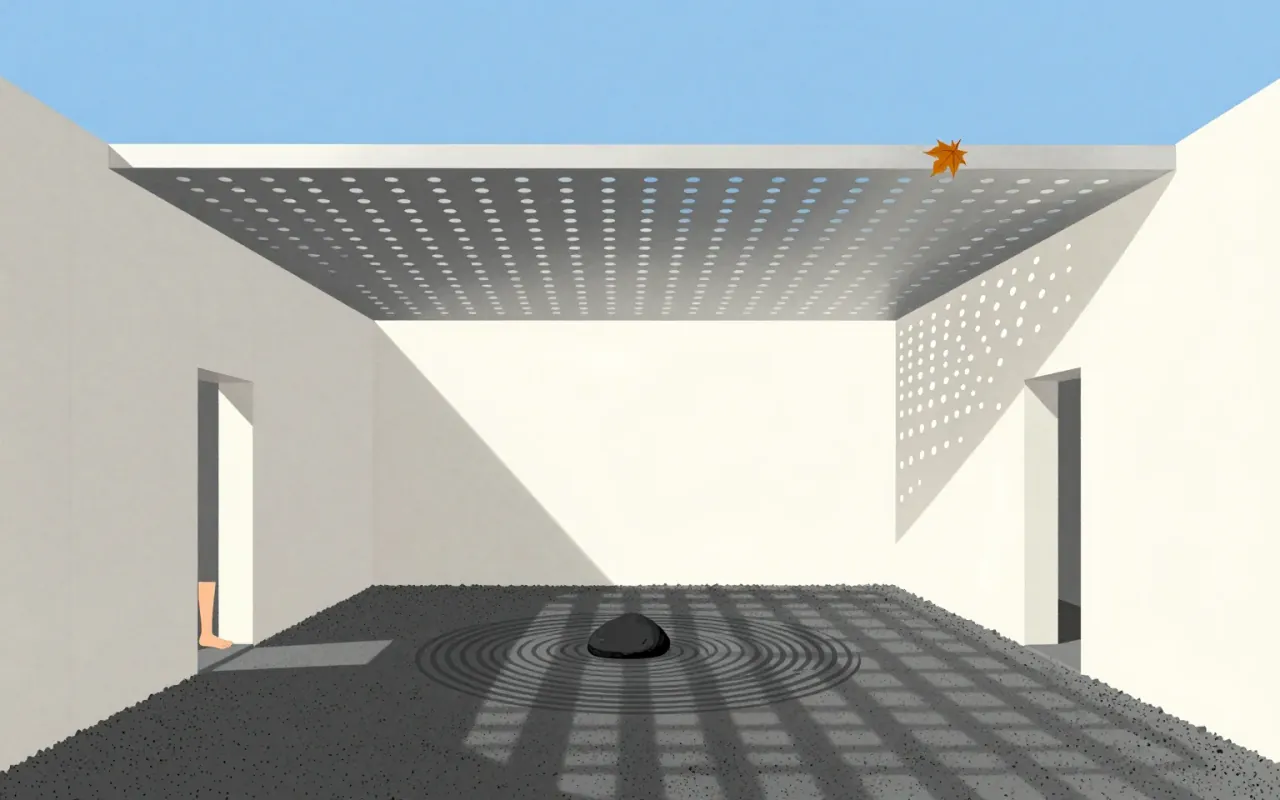
Its scale and continuity work: it is the largest Jewish museum in Europe; it reopened a lineage broken by Nazi seizure; it uses physical layout — voids, axes — to symbolise historical rupture and path; its programme integrates collections, library, archive, exhibitions and education.
What does not
The document does not specify how the voids or axes function as exhibition devices, nor does it describe visitor experience, circulation logic, or curatorial interpretation of those architectural features. It makes no claim about emotional impact, accessibility, or inclusivity.
What it influenced
It established a precedent for museums where architecture itself carries historical argument — not as backdrop but as structural narrative — though the document does not name specific institutions it influenced.
Is it worth your time
Yes. It is the largest Jewish museum in Europe, had over eleven million visitors between 2001 and December 2017, and presents German-Jewish history across 3,500 square metres using collections, library, archive, exhibitions and education — all anchored by architecture that forces confrontation with absence.