What the work is
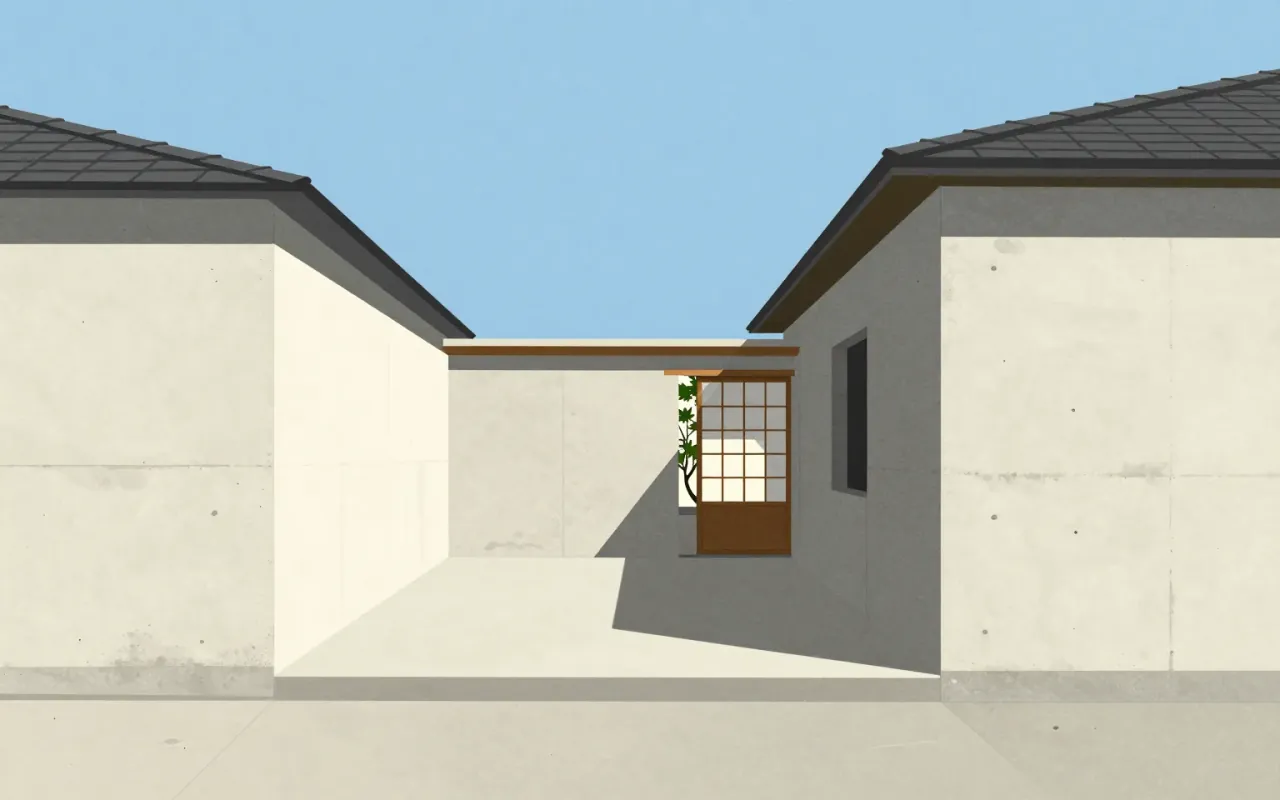
Kuma’s work is an architectural method — not a singular object — defined by relationality with surroundings, reinterpretation of Japanese tradition, and material-driven manipulation of light, nature, and perception.
How it was made
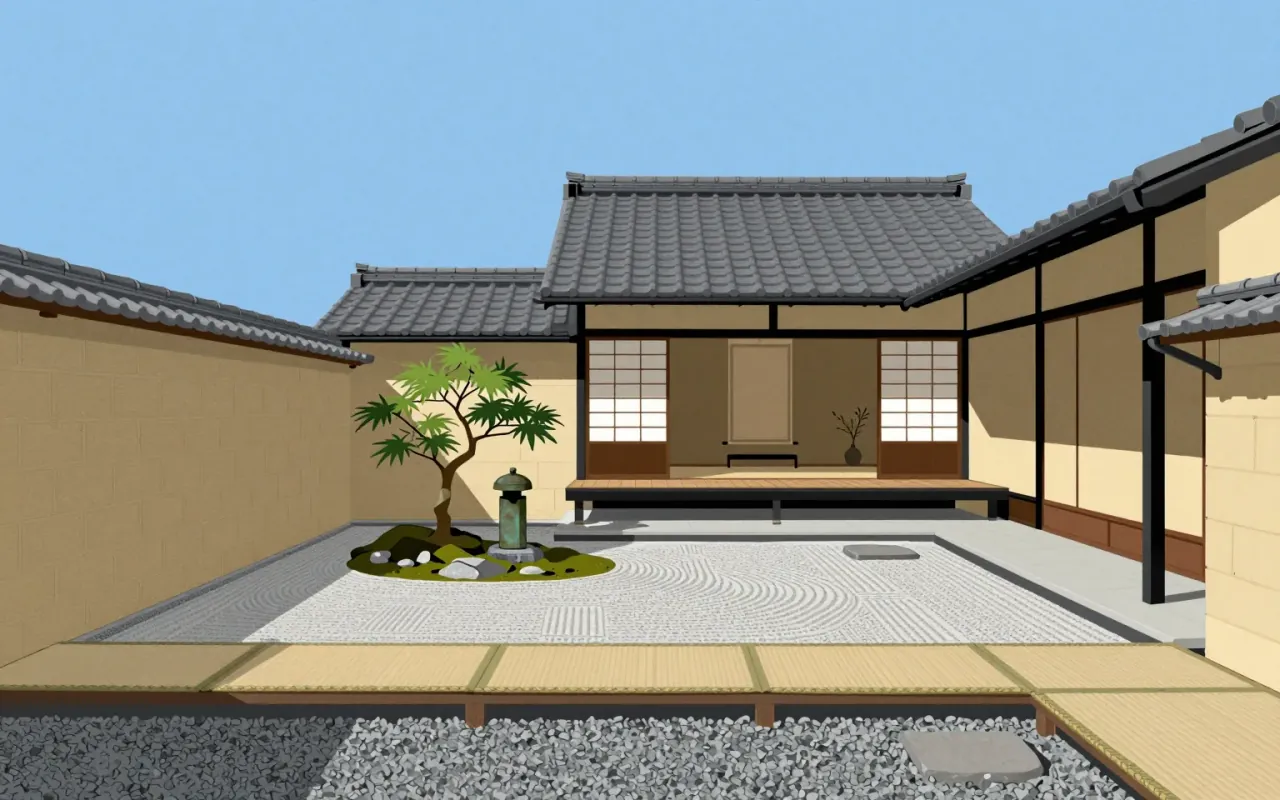
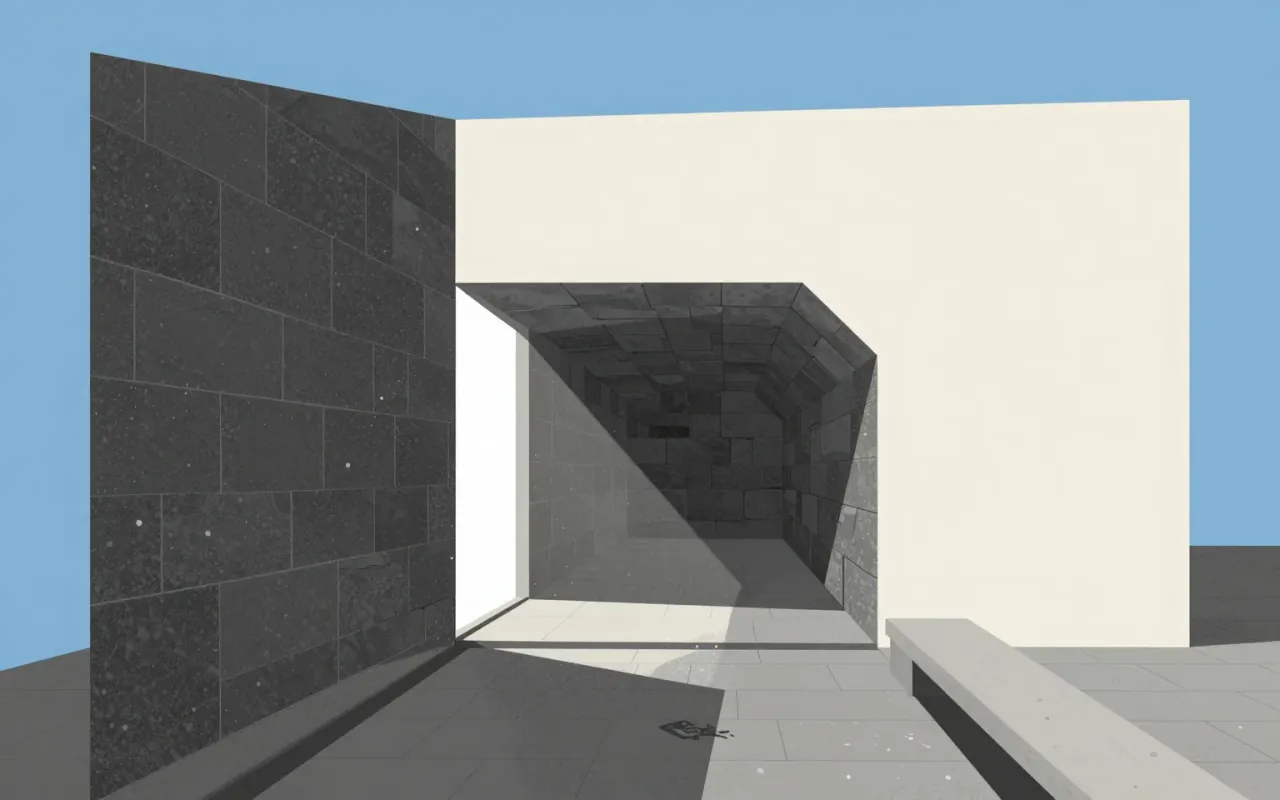
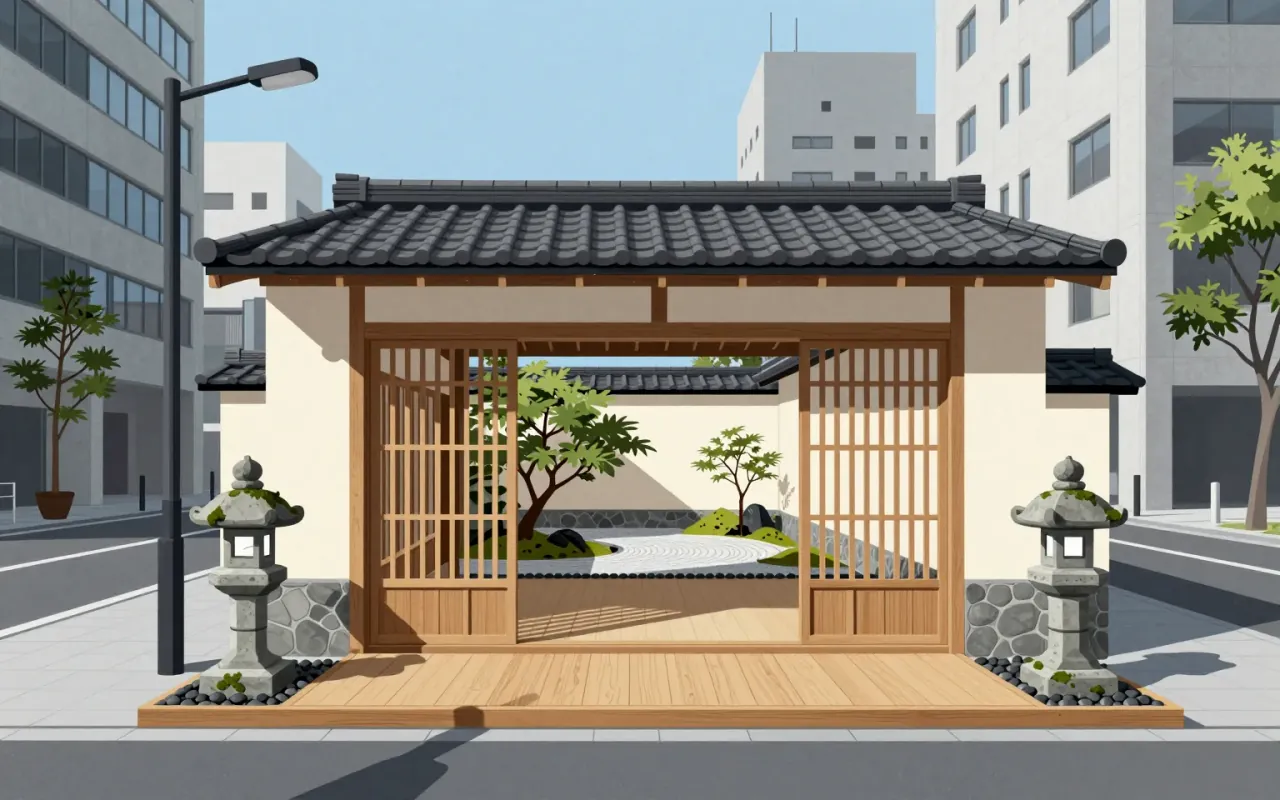
Kuma recovers and reinterprets Japanese architectural traditions using materiality to manipulate light and nature, focusing on transitional spaces and framing nature to deepen intimacy. He uses technological advancements to make heavy materials like stone express lightness and immateriality.
What works
The method produces spatial immateriality, illusions of lightness in heavy materials, ambiguity in material expectations, and intensified experiential intimacy through framing and transitional space.
What does not
The sources do not establish any specific building, project name, client, location, date, budget, construction method, or material specification beyond stone, glass, and wood. No claim about scale, durability, cost, or user experience is verified.
What it influenced
The sources do not state what Kuma’s work influenced. No projects, designers, movements, policies, or institutions are named as influenced.
Is it worth your time
Yes — if you need a precise, operational account of how relational architecture is built from tradition, material behaviour, and spatial framing, not myth or reputation.